
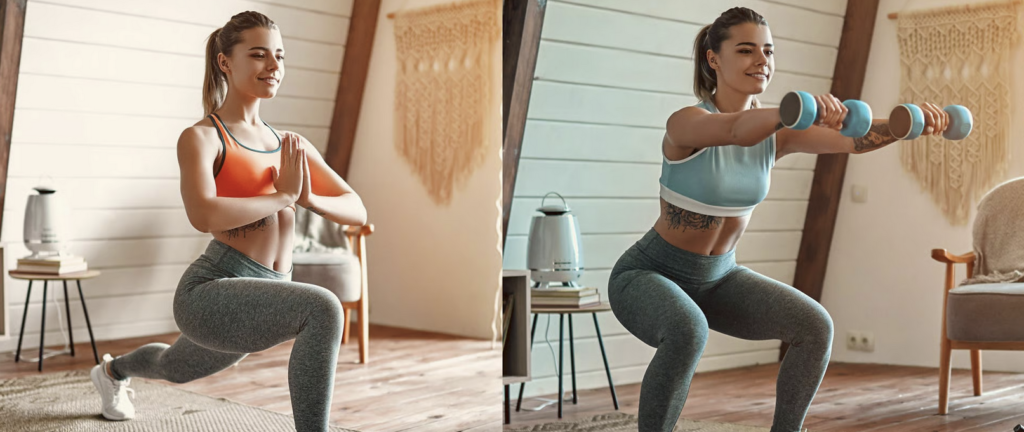
Beginner’s Guide to Home Workouts: An Honest, Wellness-Focused Review
In a world filled with intense fitness programs, expensive gym memberships, and complicated workout plans, finding a simple and realistic way to move your body can feel overwhelming—especially if you’re just starting out. That’s where Beginner’s Guide to Home Workouts truly stands out.
Designed for people who want to improve their health gently and naturally, this guide focuses on easy, no-equipment exercises that can be done at home, at your own pace. Instead of pushing extremes, it encourages consistency, mindfulness, and sustainable movement—values that strongly resonate with anyone living a wellness-focused lifestyle.
In this review, I’ll walk you through what Beginner’s Guide to Home Workouts offers, how it feels to use, its strengths and limitations, and how it can realistically fit into daily life.
Introduction: What Is Beginner’s Guide to Home Workouts?
Beginner’s Guide to Home Workouts is a simple, beginner-friendly fitness guide created for people who want to start exercising without pressure, equipment, or confusion. It’s built around bodyweight movements, gentle progressions, and short workouts that support overall health rather than aesthetic goals alone.
The guide includes:
-
Easy exercises suitable for complete beginners
-
Clear, step-by-step instructions
-
Optional video demonstrations for visual learners
-
A weekly workout plan that removes guesswork
-
An encouraging tone focused on habit-building
The biggest benefit of this guide is its accessibility. You don’t need a gym, weights, or prior fitness experience. All you need is a small space, comfortable clothing, and the willingness to move.
A Closer Look: Quality and Content Review
Ease of Understanding
One of the strongest aspects of Beginner’s Guide to Home Workouts is how clearly it explains each movement. Every exercise is broken down into simple steps using everyday language, which makes it ideal for readers who may feel intimidated by fitness terminology.
Instead of overwhelming you with anatomy terms or technical cues, the guide focuses on how the movement should feel. This is especially helpful for beginners who are learning to listen to their bodies rather than pushing through discomfort.
For example, movements like squats, wall push-ups, knee raises, and glute bridges are explained with practical cues such as:
-
“Sit back like you’re lowering into a chair”
-
“Move slowly and stay controlled”
-
“Stop when it feels challenging, not painful”
This approach aligns perfectly with a wellness mindset that prioritizes safety and body awareness.
“Taste” of the Guide: Writing Style & Feel
Although fitness guides don’t have literal taste, they absolutely have a feel—and this one feels calm, supportive, and approachable.
The tone is:
-
Encouraging, not demanding
-
Informative, not clinical
-
Motivating without being aggressive
Rather than pushing unrealistic expectations, the guide consistently reinforces that small efforts matter. This is refreshing for health-conscious readers who value balance, mental well-being, and long-term consistency over quick results.
There’s no guilt-driven messaging, no “no pain, no gain” mentality. Instead, the guide feels like a gentle coach reminding you that movement is a form of self-care.
Packaging & Presentation
Even as a digital guide, presentation matters—and this one is thoughtfully packaged.
Visual Structure
The layout is clean and easy to scan, with:
-
Clear headings
-
Bullet points for quick reading
-
Logical flow from warm-up to cool-down
-
A weekly plan that simplifies decision-making
For busy individuals, this structure makes the guide easy to return to again and again without feeling overwhelmed.
Video Demonstrations
The inclusion of optional video demonstrations is a major plus. Beginners often worry whether they’re doing exercises “right,” and visual references help build confidence and prevent injury.
The guide doesn’t force videos on you but offers them as support—which feels respectful and flexible.
Pros and Cons: An Honest Breakdown
Pros
✔ Extremely Beginner-Friendly
This guide is ideal for absolute beginners, including those returning to movement after a long break.
✔ No Equipment Needed
Perfect for minimalist and natural lifestyles—no clutter, no investment, no barriers.
✔ Encourages Consistency Over Intensity
Short, manageable workouts make it easier to build a habit.
✔ Wellness-Focused Mindset
Supports mental well-being, body awareness, and sustainable health.
✔ Flexible & Adaptable
Exercises can be adjusted based on energy levels and time constraints.
Cons
✖ Limited Challenge for Advanced Users
If you already exercise regularly, the routines may feel too basic.
✖ No Personalized Modifications
The guide doesn’t deeply address injuries, mobility limitations, or specific health conditions.
✖ No Built-In Tracking System
Some users may wish for printable trackers or progress logs.
These drawbacks are worth noting, but for the intended audience—beginners and wellness-focused individuals—they’re not deal-breakers.
How to Incorporate Beginner’s Guide to Home Workouts Into Daily Life
One of the most valuable aspects of this guide is how easily it fits into real life. Here are some practical ways to make it part of your routine:
1. Start With Short Sessions
Begin with 10–15 minutes. Short workouts reduce mental resistance and make consistency more likely.
2. Pair It With a Wellness Habit
Combine your workout with:
-
Morning tea or matcha rituals
-
A daily walk
-
Evening stretching or meditation
This helps anchor movement into your existing routine.
3. Create a Calm Environment
Light a candle, open a window, play soft music—turn your workout into a moment of self-care rather than a chore.
4. Follow the Weekly Plan (Loosely)
The sample weekly plan provides structure without rigidity. If you miss a day, simply continue—no guilt.
5. Listen to Your Body
The guide encourages rest days and gentle pacing. Honor that. Progress comes from consistency, not exhaustion.
Who Is This Guide Best For?
Beginner’s Guide to Home Workouts is best suited for:
-
People new to fitness
-
Wellness-focused individuals
-
Those seeking gentle, natural movement
-
Busy people who prefer home workouts
-
Anyone rebuilding confidence with exercise
It’s especially valuable for readers who care about long-term health, stress reduction, and balance rather than rapid physical transformation.
Final Verdict: Is Beginner’s Guide to Home Workouts Worth It?
If you’re looking for a fitness guide that respects your body, your time, and your mental well-being, Beginner’s Guide to Home Workouts is absolutely worth considering.
It doesn’t promise dramatic results overnight—but what it offers instead is far more valuable:
a realistic, sustainable path toward daily movement and better health.
For health-conscious individuals who believe that wellness should feel supportive, not punishing, this guide is a strong recommendation and an excellent place to begin.