
Top 5 Home Fitness Apps to Boost Your Workout Routine: A Comprehensive Review for Wellness-Focused Individuals
Maintaining a consistent workout routine is one of the biggest challenges in a wellness journey—especially when life gets busy, motivation fluctuates, and gym time feels intimidating or inconvenient. Thankfully, in today’s digital age, there’s a solution in the palm of your hand: home fitness apps.
Whether you’re just starting your fitness journey or trying to sustain a healthy routine from the comfort of home, fitness apps have become powerful tools. They combine guided workouts, progress tracking, community motivation, and personalized plans designed to meet you where you are—no expensive equipment or personal trainer required.
In this review, we take a deep dive into the Top 5 Home Fitness Apps to Boost Your Workout Routine. We’ll explore their features, usability, training styles, pros and cons based on personal experience, and how to incorporate them into your wellness lifestyle.
Why Fitness Apps Matter for Home Workouts
For health-conscious individuals who prioritize natural living and balanced wellness, home fitness apps offer several valuable advantages:
-
Convenience: Workouts on your schedule—before work, after dinner, or during a lunch break.
-
Guidance: Visual and audio coaching that helps you perform moves safely and effectively.
-
Motivation: Tracking, reminders, and community features help you stay accountable.
-
Variety: From strength training to yoga and mindful movement, there’s something for every need.
The right app can transform the way you think about movement—not as a chore, but as part of a sustainable, self-care–oriented lifestyle.
Overview: Top 5 Home Fitness Apps Reviewed
The five apps we’re reviewing in detail today are:
-
Nike Training Club (NTC)
-
FitOn
-
Freeletics
-
Daily Yoga
-
Sweat
We’ll look at each app’s features, experience, pros and cons, and best use cases.
1. Nike Training Club (NTC)
What It Is
Nike Training Club is one of the most established fitness apps, offering a wide range of workouts that span strength, mobility, cardio, and flexibility. With guided sessions from expert trainers and no equipment required for many routines, NTC is an excellent all-around choice.
First Impressions: Quality & Experience
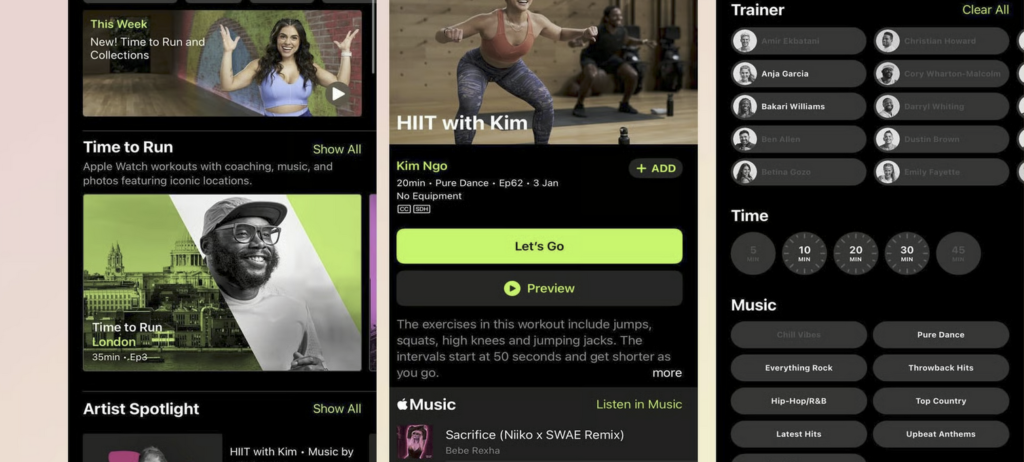
Upon opening the app, you’re greeted with a professional, clean layout. Exercise videos are clear and easy to follow, and each session includes cues on form, pace, and tips to maximize impact. A big focus here is on structured programs rather than one-off workouts.
Features That Stand Out
-
Varied workout categories: Strength training, yoga, mobility, cardio
-
Program training plans: Multi-week plans tailored to goals
-
Equipment filter: Choose workouts with or without equipment
-
Trackable progress
Pros
Wide variety of workouts that keep routines fresh
High-quality video demonstrations
Excellent for beginners and intermediates
Free workouts available
Cons
Some guided programs may feel advanced for absolute beginners
Lack of social motivation features
Less emphasis on mindfulness or recovery
Best For
People who want a structured yet flexible training foundation—especially those who want to mix strength, cardio, and mobility without paying for premium features.
2. FitOn
What It Is
FitOn brings a refreshing, community-oriented approach to fitness. It blends workouts with wellness features, including stretching, Pilates, and shorter bursts of movement that fit into daily life.
First Impressions: Quality & Experience
FitOn feels less intimidating than traditional fitness apps. Trainers use encouraging language, and workouts are practical but effective. The interface is inviting, with vibrant visuals and clear progress indicators.
Features That Stand Out
-
Short, doable workout sessions
-
Yoga, pilates, barre, and strength options
-
Wellness content (e.g., mindfulness and recovery)
-
Social and friend features for motivation
Pros
Strong wellness orientation
Workouts that fit into busy schedules
Encouraging, beginner-friendly coaching
Free tier with quality content
Cons
Limited deep strength progression for advanced users
Some premium content behind paywall
User experience can feel less “structured” for long-term planning
Best For
Health-conscious individuals who want a balanced, low-pressure approach to fitness that includes flexibility and mobility as much as strength.
3. Freeletics
What It Is
Freeletics takes a performance-based approach, offering high-intensity workouts and personalized training plans driven by user goals and feedback. It’s more intense than the other apps here, with a strong focus on results.
First Impressions: Quality & Experience
Initial setup asks detailed questions about your fitness level and goals. The app then generates tailored training plans. Workouts are dynamic and challenging, often featuring bodyweight exercises that can feel tough but rewarding.
Features That Stand Out
-
AI-driven personalized plans
-
Bodyweight workouts with progression
-
Performance tracking and analytics
Pros
Highly customized training plans
Effective body transformation programs
Strong motivation and tracking tools
Cons
Can feel intimidating for beginners
Premium required for most features
Less focus on gentle practices
Best For
Individuals who are ready to commit, want measurable progress, and prefer a performance-oriented experience rather than a gentle wellness focus.
4. Daily Yoga
What It Is
Daily Yoga is perfect for those who see fitness as a part of overall wellness. It offers yoga sessions of varying lengths, plus guided breathwork and flexibility routines.
First Impressions: Quality & Experience
The app’s tone is calm and encouraging. It feels like a companion rather than a coach yelling at you. Sequences are easy to follow, with beautiful visuals and clear voice guidance.
Features That Stand Out
-
Yoga flows for beginners to advanced
-
Breathing and meditation sessions
-
Focus on flexibility and mobility
Pros
✔ Excellent for stress reduction and mindfulness
✔ Very beginner-friendly
✔ Complements strength routines
Cons
✖ Not focused on cardio or high-intensity strength
✖ Premium subscription needed for full library
✖ Limited tracking compared to fitness apps
Best For
People who want movement with mindfulness, flexibility, and recovery, especially if traditional workouts feel too intense.
5. Sweat
What It Is
Sweat offers structured workout plans designed to help users meet specific goals—whether that’s strength building, fat loss, or general fitness. It’s guided by high-quality trainers and encourages consistency.
First Impressions: Quality & Experience
Sweat feels polished and professional with clearly laid out plans and day-by-day guidance. The emphasis is on progression, with workouts that evolve as you improve.
Features That Stand Out
-
Program-based structure
-
Comprehensive tracking
-
Community and motivational features
Pros
✔ Targeted programs with measurable progress
✔ Supportive community and reminders
✔ Suitable for home workouts
Cons
Paid subscription required
Some programs feel intense for total beginners
Less flexibility for self-paced workouts
Best For
Users who want a guided journey with progression, accountability, and clear milestones, at the cost of a subscription.
Personal Experience: What This Review Taught Me
I’ve used each of these apps over extended periods, and here’s how they compare in real life:
-
Nike Training Club feels like a classic coach in your pocket: structured, reliable, and varied.
-
FitOn feels more like a supportive friend: encouraging, manageable, and stress-free.
-
Freeletics feels like a performance lab: intense, challenging, and results-driven.
-
Daily Yoga feels like a wellness sanctuary: calming and restorative.
-
Sweat feels like a full fitness program: committed, structured, and goal-focused.
There’s no perfect app for everyone—only the one that aligns with your lifestyle, energy levels, and wellness philosophy.
Tips for Incorporating These Apps Into Your Daily Routine
Here are practical ways to make these apps part of a consistent wellness routine:
Build Habits Around Your Schedule
Choose a time of day that works for you—morning, midday, or evening—and stick to it for at least 3–4 weeks.
Use Reminders & Tracking Features
Enable notifications for workouts and log your progress. Seeing progress motivates consistency.
Mix and Match
Pair strength days with yoga or mobility sessions. Don’t feel limited to one type of activity.
Pair with Wellness Rituals
Do a short stretch after a morning tea or wind down with breathwork after dinner. Make fitness part of your self-care ritual.
Involve a Friend
Some apps allow you to connect with friends. Accountability boosts commitment!
Final Recommendations
Here’s a quick summary of best use cases:
-
Beginner or freebie seeker: Nike Training Club or FitOn
-
Wellness & mind-body movement: Daily Yoga
-
Performance & progression: Freeletics
-
Long-term structured plan: Sweat
All five apps have something valuable to offer—but the best one for you depends on your mindset and goals.
If your priority is balance, sustainability, and natural living, start with FitOn or Daily Yoga. If you want measurable strength gains and structure, Nike Training Club or Sweat might be a better fit.
Above all, the best fitness routine is one you actually enjoy and stick with.