
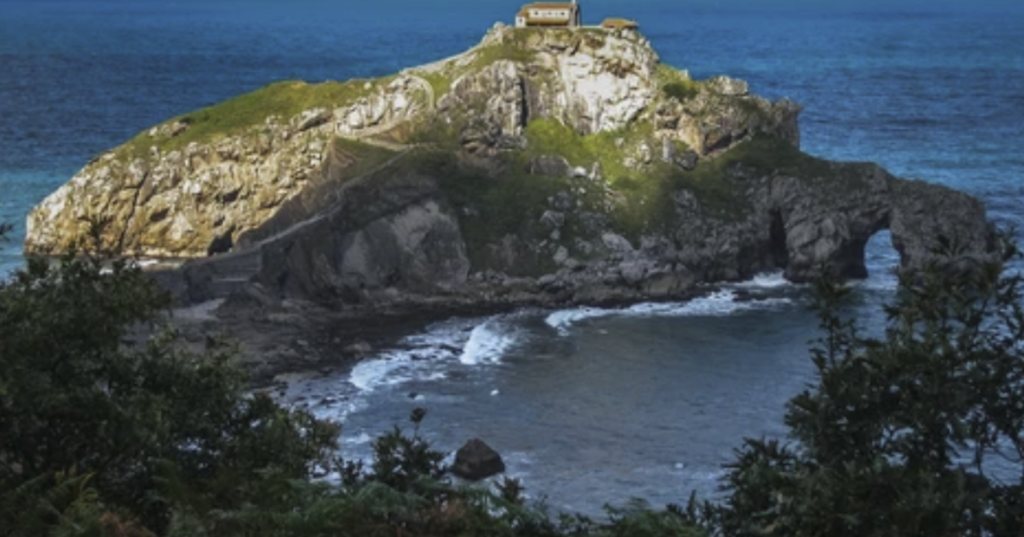
Ko Samui didn’t feel like a place I simply arrived at — it felt like a place that slowly opened up to me, like a warm smile you don’t notice at first, but then suddenly you realize it’s been there all along.
When people talk about Thailand’s islands, they often jump straight to the famous names, the party beaches, the postcard-perfect turquoise water. And yes… Samui has all of that. But what surprised me most was how much more it is than a tropical cliché. Ko Samui is not just an island you visit. It’s an island you experience with all your senses — the salty air on your skin, the sound of scooters passing under coconut trees, the smell of grilled seafood drifting from tiny roadside stalls, and the golden light that seems to soften everything by late afternoon.
Samui is the largest island in the Gulf of Thailand, and it’s the heart of a whole little archipelago — around sixty smaller islands scattered nearby, most of them untouched and uninhabited. But Samui itself feels like a world of its own. It’s big enough to explore for days without getting bored, yet small enough that you can still feel the rhythm of island life underneath the tourism.
The first thing I noticed, almost immediately, was the green. Not just “tropical green,” but an almost overwhelming lushness. The interior of the island is still covered in dense rainforest, and somewhere in the southwest rises the island’s highest point, Khao Thai Kwai. It’s not a dramatic mountain like you’d find in the north of Thailand, but it gives Samui a kind of depth — the feeling that there is something wild and untouched just beyond the beaches.
And then, of course, there are the coconut palms. Honestly, I don’t think I’ve ever seen so many in one place. They define the island’s silhouette. Ko Samui used to be built on coconuts — quite literally. For years, coconut plantations were the main livelihood here, and fishing was the second. Even now, you can still see traces of that older Samui if you look beyond the resorts
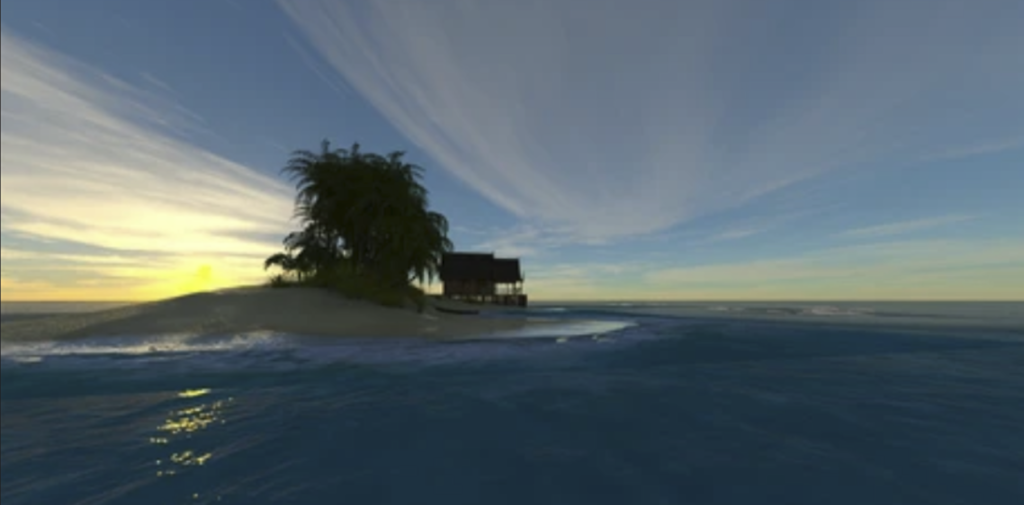
One of the strangest and most fascinating things I learned is that trained macaques were traditionally used to harvest coconuts. Male monkeys, agile and quick, could collect dozens in a single day. Even today, some are still kept for this purpose, and it’s a reminder of how different life was here before tourism transformed everything.
Tourism began to bloom in the 1960s, when backpackers started arriving, drawn by the soft white sand beaches lined with palms, and the smooth sculpted rocks that appear here and there along the shore. Back then, Samui was quiet, remote, and not easy to reach. The airport opened in 1969, and that changed everything.
Now, more than one and a half million visitors come every year. And when you remember that the permanent population is only around fifty thousand, you start to understand how much the island’s identity shifts depending on the season. At times, it feels like the locals are outnumbered in their own home, especially in the busiest beach areas.
Samui is divided into seven districts — Ang Thong, Lipa Noi, Taling Ngam, Na Mueang, Maret, Bo Phut, and Mae Nam — each made up of several villages. As a visitor, you don’t really notice these administrative borders, but you do feel the different atmospheres. The island changes mood depending on where you are.
Chaweng is probably the most famous tourist hub, busy and bright, full of nightlife and energy. Lamai is slightly calmer, still lively but softer around the edges. Bo Phut, especially the Fisherman’s Village area, feels charming and nostalgic, with its old wooden shopfronts and evening markets. Mae Nam is quieter still, a place where mornings feel slow and peaceful.
What I found a little confusing at first is that street signs don’t always match what tourists call these areas. You might think you’re in one town, but officially you’re in a different district. It’s one of those little travel details that makes you realize you’re not in a resort bubble — you’re in a real, living place.
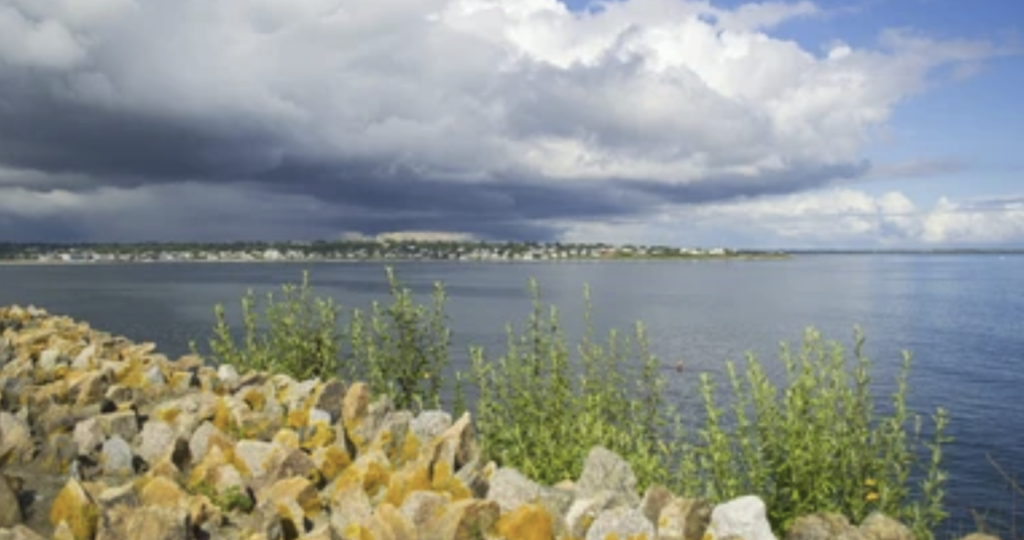
The island’s main artery is the Ring Road, Highway 4169, which loops around Ko Samui for more than fifty kilometers. Everything connects to it. If you stay long enough, you begin to recognize the feeling of driving along it — beaches on one side, jungle-covered hills on the other, random temples appearing unexpectedly, small cafés, fruit stands, and motorbikes everywhere.
The famous songthaews — shared pickup taxis — run along this road, and they’re one of the easiest ways to get around if you don’t want to rent a scooter. But once you start exploring side roads or hidden beaches, it becomes harder without a private taxi or rental vehicle.
And traffic… yes, traffic exists even on an island. During peak hours, especially in the northeast near Chaweng, the roads can clog up surprisingly fast. It’s a strange contrast: paradise beaches, but also the reality of daily life, school pick-ups, delivery trucks, and tourist vans all competing for space.
But despite these modern complications, Samui still has moments of pure calm.
Some evenings, I would find myself sitting on the sand as the sky turned pink and gold, watching longtail boats rock gently offshore. The air would cool just slightly, and everything felt softer. That’s the Samui I fell in love with — not the loud, busy version, but the quiet one that appears when you slow down enough to notice.
Weather plays a big role in the island experience. The best time to visit is usually from December to April, when the days are sunny, the humidity is manageable, and temperatures hover between 25 and 34 degrees Celsius. It’s the season when the sea looks like glass and the sunsets feel endless.
But Samui is also shaped by the monsoon. Rain can come in May, June, and especially October and November. Because the island is exposed to ocean weather patterns and even Pacific typhoons, it’s always smart to check forecasts before traveling.
I remember one afternoon when the sky darkened suddenly, the kind of tropical storm that feels theatrical. Rain crashed down like a curtain, and within an hour it was gone again, leaving everything sparkling and steaming under the returning sun. It was inconvenient, yes — but also strangely beautiful, like the island reminding me that nature still has the final word here.
Ko Samui is not a hidden secret anymore. It’s developed, popular, and sometimes overwhelming in the busiest areas. But it still has a soul, and you can still find it if you wander beyond the obvious.
For me, Samui wasn’t just about beaches — it was about contrasts. Jungle and ocean. Tradition and tourism. Quiet mornings and crowded nights. And above all, it was about that feeling of being somewhere completely different from home, somewhere that makes you breathe deeper without even realizing it.
Ko Samui is an island that invites you to slow down, to look closer, to stay long enough that it becomes more than a destination.
And honestly… I already know I will miss it.