
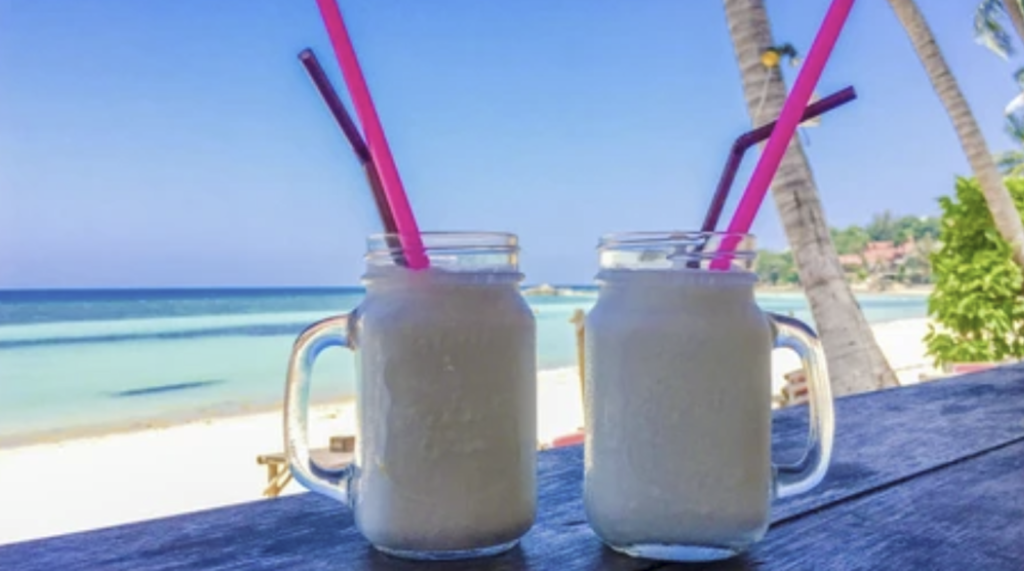
Bali was never supposed to become more than a two-week escape.
At least that’s what I told myself when I booked the one-way ticket. I needed sun. I needed distance. I needed to step out of my routine and into something that felt wider, warmer, and a little unpredictable. What I didn’t expect was that Bali would slowly unfold into something much deeper than a tropical holiday. It became a rhythm. A perspective shift. A place that tested my comfort zones and softened me at the same time.
If you’re reading this because you’re planning a longer trip to Bali — not just a quick vacation, but something more immersive — I want to share what I wish someone had told me before I went. Not the polished brochure version. Not the Instagram-perfect fantasy. But the real, layered, beautiful, occasionally messy Bali that I experienced as a woman traveling, living, working, and simply existing there for months.
Let’s start with the question everyone asks first: when is the best time to go?
Technically, Bali’s dry season runs from around March to November. Guidebooks will tell you that December to March is the rainy season, and that’s true. But the reality is more nuanced. I arrived in early November and, at first, I didn’t feel the rainy season at all. The days were hot, bright, and beach-perfect. Around mid-November, the pattern started to shift. Around three or four in the afternoon, clouds would gather dramatically, the air would thicken, and then — like clockwork — the rain would fall. Heavy, tropical, unapologetic rain. It usually lasted one or two hours, sometimes longer toward the end of the month. And then, just like that, it would stop. The streets would steam. The sky would clear. Life would continue.
By December, though, the rainy season fully settles in. And this is where honesty matters. The rain itself isn’t necessarily the biggest issue. It’s warm. It can even feel refreshing. The challenge is what it brings with it — especially on the coast. During heavy rainy months, ocean currents push enormous amounts of plastic and debris onto Bali’s beaches. I experienced this most intensely in Canggu. Some mornings the beach was heartbreakingly covered in plastic waste. Swimming felt impossible. The ocean — normally this healing, magnetic presence — became frustrating.
Ubud, on the other hand, felt different. It’s located inland, surrounded by jungle and rice fields, and while it rains more frequently there during wet season because of its higher elevation, you don’t have the ocean debris issue. As you move north toward the mountains, rainfall increases even more during the wet season, and showers can last longer into the evening. So if beach life is your main focus, timing matters.
That said, the rainy season didn’t ruin my experience. Bali has a way of offering alternatives. On rainy afternoons, I would head to yoga class. Ubud is full of studios where you can stretch, breathe, and listen to rain drumming on bamboo roofs. Or I’d tuck myself into a cozy café with a good flat white and my laptop, watching the tropical storm outside while reading or working. There’s something romantic about rain in Bali — the smell of wet earth, incense smoke rising from daily offerings, motorbikes rushing by with poncho-clad drivers.
And that brings me to something essential if you’re staying longer: you will probably rent a scooter.
I was nervous at first. The traffic can look chaotic, especially in Canggu and Seminyak. But over time, you adapt. You learn the flow. During light rain, once I felt confident riding, I’d still hop on to do groceries or meet friends. Just go slow. Wear a proper helmet. And maybe pack a thin rain jacket.
Speaking of groceries — this is one of those practical details people don’t talk about enough.
Small convenience shops are everywhere. Literally on every corner. But they’re basic. You won’t find proper cheese, good bread, quality deli meat, or wine there. Alcohol is limited. Dairy options are sparse. If you’re staying longer and cooking occasionally, you’ll want to shop at larger supermarkets that cater more to expats and long-term visitors. Pepito Market and Popular Market were my go-to spots. Be prepared: imported products like cheese and wine are expensive. But if you’re craving croissants and decent coffee beans, that’s where you’ll find them.
For fruits and vegetables, though, skip the supermarkets and go to the local markets. The fruit selection in Bali is unbelievable. Dragon fruit, mangosteen, rambutan, snake fruit, papaya, mango — in every color imaginable. Buying from the market is cheaper, fresher, and often more joyful. Vendors will hand you samples. You’ll practice a little Bahasa Indonesia. You’ll feel part of something more local.
One of my favorite authentic experiences was visiting the Jimbaran Fish Market. It’s chaotic, loud, salty, and alive. Fishermen unload the morning’s catch, and you can buy fresh fish or seafood on the spot. Some vendors will even grill it for you right there. It’s not polished. It’s real. And those are often the moments that stay with you.
Now let’s talk about packing — because if you’re heading to Bali for more than a short holiday, this matters.
Before I left, I overthought everything. Did I need long trousers? How many dresses? What about mosquito protection? The truth is simpler than you think.
Even during rainy season, Bali is warm. Daytime temperatures hover around 28–30°C. Evenings rarely drop below 24–25°C. The only time I wore long pants regularly was in one specific hostel where British roommates turned the air conditioning into an Arctic experiment at night. Otherwise, my uniform was simple: swimwear underneath, loose shorts or a skirt, light tank tops or oversized shirts.
I spent most days in a bikini because you truly never know when you’ll end up at the beach. Bali has this spontaneous energy. A coffee turns into a beach sunset. A quick scooter ride becomes a hidden cove discovery.
If you’re riding a scooter frequently, I recommend bringing a lightweight long-sleeve shirt. Not because it’s cold — but because the sun is intense. It protects your arms and gives a tiny bit of extra coverage in case of a minor fall.
During rainy season, a light, breathable pair of loose pants can be helpful in the evening, especially if you’re sensitive to mosquitoes. Personally, I relied more on mosquito repellent than on covering up. Surprisingly, I didn’t struggle much with bites — but it varies by person and location.
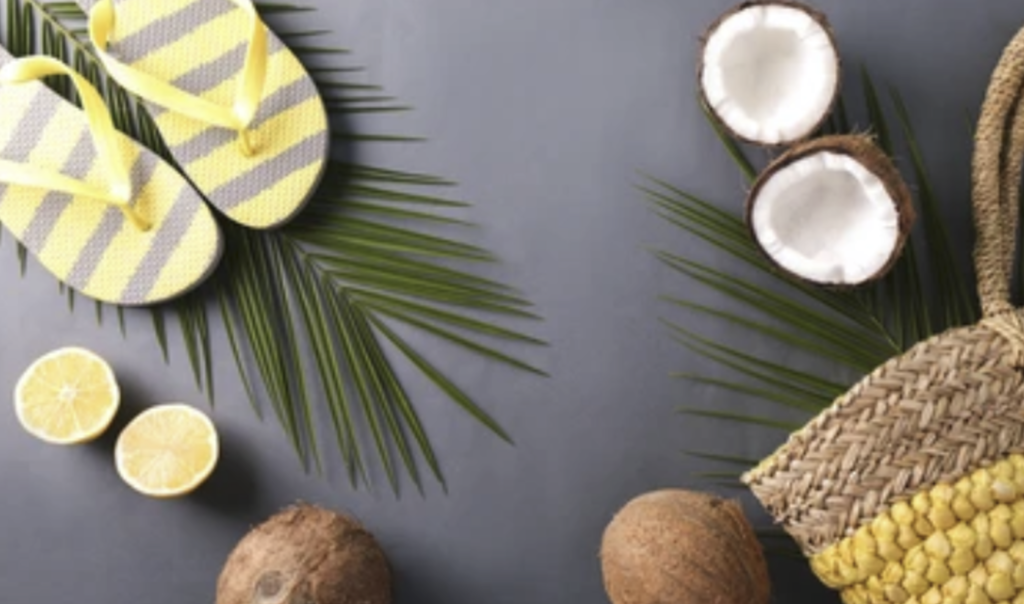
Footwear? Flip-flops, mostly. Bali is casual. Very casual. You can go to beach clubs in sandals, especially if they’re right by the ocean. I only needed proper sneakers or hiking shoes when we ventured to more remote beaches, trekked through rice fields, or climbed Mount Batur for sunrise.
Ah, Mount Batur.Waking at two in the morning, driving through darkness, then hiking up a volcanic slope under the stars is an experience that deserves its own chapter. The air is cool at the summit — bring a hoodie — but when the sun rises and spills light over Lake Batur and the surrounding peaks, it feels surreal. Standing on a volcano, eating a simple breakfast cooked in volcanic steam, I felt both powerful and small at the same time.If you’re wondering about dress codes — Bali is relaxed, but certain beach clubs and higher-end restaurants have guidelines. Men often can’t enter upscale venues wearing sleeveless shirts. Women, honestly, have more flexibility. A sundress and sandals will take you almost anywhere.Beyond logistics, what truly defines a longer stay in Bali is the emotional journey.
At first, everything feels exotic. The daily offerings of flowers and incense placed on sidewalks. The sound of roosters at sunrise. The temple ceremonies that close roads without warning. But gradually, Bali stops being “exotic” and starts feeling familiar.
You find your favorite café. You know which shortcut avoids traffic. You greet the same fruit vendor each week. And somewhere between sunset beach walks and early morning scooter rides through rice fields, Bali becomes less of a destination and more of a chapter in your life.
Living there longer also means you see the contrasts. The beauty and the environmental challenges. The deep spirituality and the booming tourism. The simplicity of local villages and the luxury villas rising nearby.
As a woman, I felt generally safe in Bali. Of course, basic precautions apply. Don’t ride recklessly. Be mindful at night in party areas. But overall, I felt respected and comfortable moving around independently.
If you’re planning a longer stay, here’s what I would gently suggest: don’t try to “see everything” in the first two weeks. Bali isn’t just a checklist of waterfalls and Instagram swings. It’s a place to settle into. Let Ubud teach you stillness. Let Canggu show you community. Let Uluwatu give you dramatic cliffs and ocean power. Let the north remind you how quiet life can be.
The rainy season will come and go. The beaches may be messy some days. Traffic will test your patience. But then there will be evenings when the sky turns molten pink, incense drifts through the air, and you’re sitting barefoot at a beach café, salty hair tangled by the wind, thinking: this is exactly where I need to be.
Bali is not perfect. But maybe that’s why it’s powerful.
If you’re preparing for your own longer journey here, pack light. Stay flexible. Respect the culture. Shop at local markets. Bring reef-safe sunscreen. Learn a few Indonesian words. And most importantly — leave space for the unexpected.
Because Bali has a way of changing plans. And if you let it, it might change you too.