
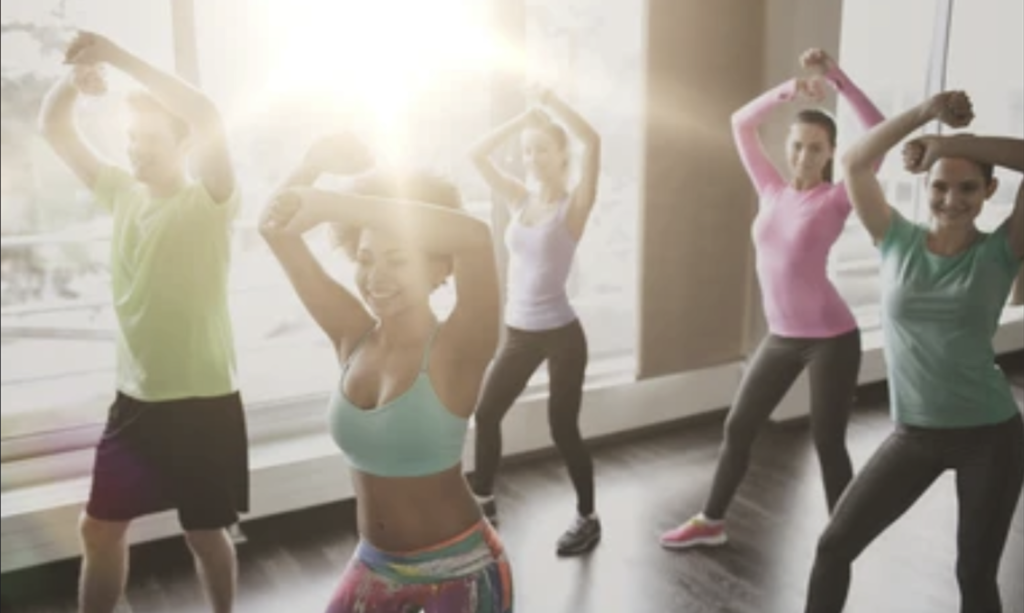
There’s something about Valentine’s Day that always makes me reflect on love in all its forms. Not just the romantic kind with roses and candlelight, but the quieter, deeper kind — the love we show ourselves. For years, I treated February 14th as either an overhyped holiday or something that revolved entirely around someone else. But the year I discovered Zumba as my Valentine’s Day ritual, everything shifted. That was the moment I realized that movement, music, and joy could be the most powerful love letter I ever wrote to my own body.
Zumba isn’t just a workout. It’s a feeling. It’s the moment when the first Latin beat drops and your hips start moving before your brain has time to judge you. It’s sweat on your collarbone and a smile you didn’t even realize was spreading across your face. Officially created in the 1990s by Colombian dancer and choreographer Beto Pérez, Zumba was born from a happy accident — he forgot his traditional aerobics music one day and improvised with salsa and merengue tapes from his car. That spontaneous energy is still the heart of every Zumba session today.
And honestly? That spontaneity is exactly what makes it the perfect Valentine’s Day workout.
As women, we are so often conditioned to approach exercise with pressure. Burn more. Tone more. Shrink more. Fix more. Valentine’s Day marketing doesn’t help — it quietly suggests we should look a certain way, wear a certain dress, be effortlessly glowing. But Zumba flips that script. It’s not about shrinking yourself; it’s about expanding. Taking up space. Letting your body move in big, joyful ways.
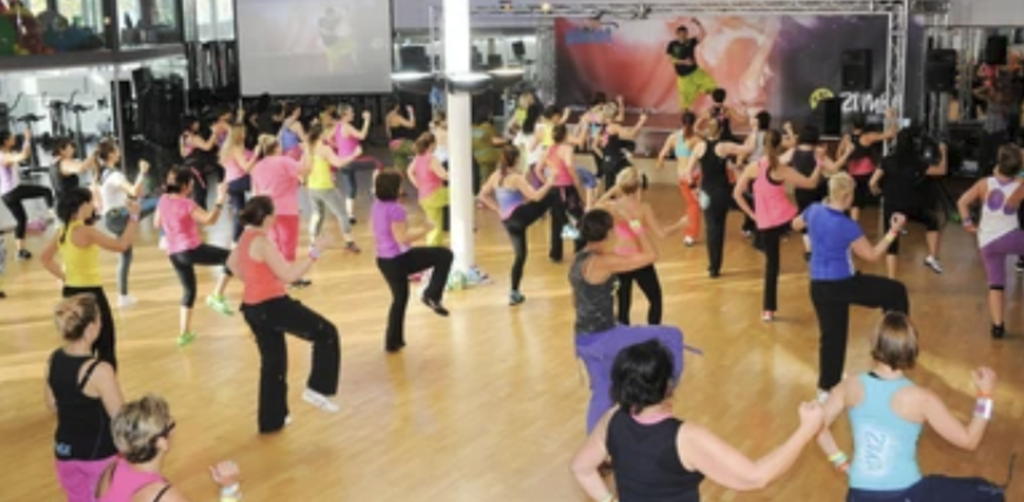
From a physiological perspective, Zumba is a cardio-based dance fitness program that blends rhythms like salsa, merengue, cumbia, reggaeton, and sometimes even hip-hop or pop. Depending on intensity, a one-hour session can burn between 400 and 700 calories. But I’ll be honest: I never go into a Zumba session thinking about calories. I go in thinking about how I want to feel.
And I always leave feeling powerful.
Cardiovascularly, Zumba improves heart health by increasing heart rate through interval-style training — alternating faster songs with slower recovery tracks. It enhances coordination, agility, and muscular endurance, particularly in the lower body and core. The constant hip movements engage the obliques and transverse abdominis, while squats, lunges, and rhythmic steps strengthen glutes and thighs. It’s functional fitness disguised as a dance party.
But beyond the science, there’s something deeply emotional about dancing on Valentine’s Day.
I remember one February when I didn’t have a partner. Social media was overflowing with bouquets and couples’ dinners. Instead of spiraling into comparison, I rolled out my yoga mat in my living room, put on a red sports bra, and searched for a Valentine-themed Zumba playlist. The first song was “Bailando” by Enrique Iglesias, and within minutes I forgot about everything else. My living room became my dance floor. The mirror became irrelevant. My body became my focus.
There’s actual science behind that shift. Dance-based fitness increases endorphins — the body’s natural “feel-good” hormones — while also lowering cortisol levels. Studies consistently show that rhythmic movement paired with music enhances mood regulation and reduces symptoms of anxiety. For women especially, who often carry emotional stress physically, hip-centric movement can feel surprisingly liberating. It’s embodied confidence.
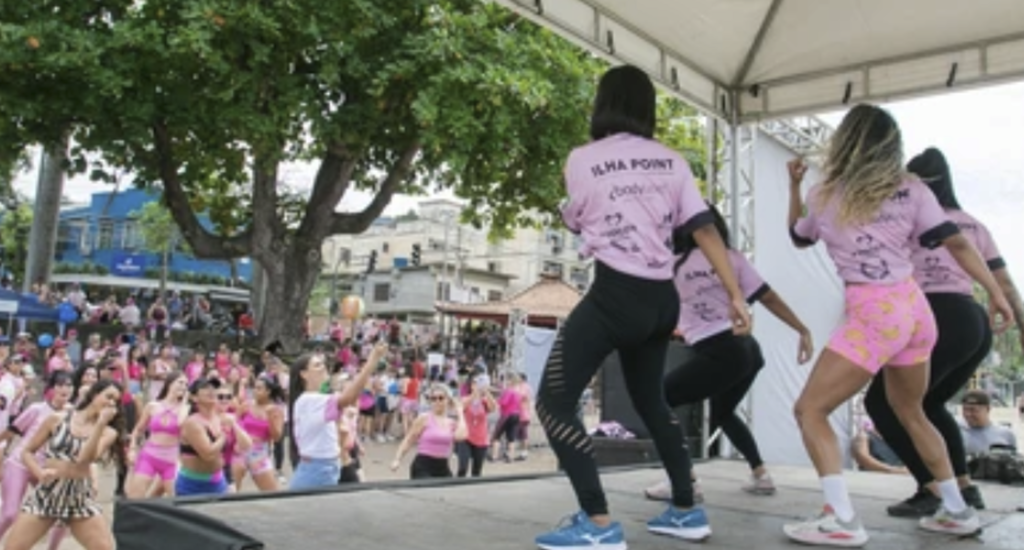
Valentine’s Day Zumba becomes less about aesthetic goals and more about sensual self-connection. And no — I don’t mean sensual in a performative way. I mean in the truest sense: feeling your body from the inside out.
If you’re considering making Zumba your Valentine’s Day workout, here’s what I’ve learned over the years.
First, choose your space intentionally. Whether it’s a local studio or your home, create atmosphere. Light a candle. Wear something red or pink if it makes you smile. Hydrate properly beforehand — at least 300–500 ml of water 30 minutes prior. Zumba is sweat-heavy, especially in high-energy routines.
Second, warm up properly. Even though many Zumba classes include a warm-up song, I like to spend 5–7 minutes before starting with dynamic stretches: hip circles, shoulder rolls, gentle torso twists. It prepares joints and reduces injury risk. Valentine’s Day is about love, and loving your body means protecting it too.
Third, let go of perfection. Zumba choreography is intentionally repetitive and accessible so beginners can follow along, but you will miss steps sometimes. That’s part of the fun. The goal isn’t precision; it’s participation.
One thing I adore about Zumba is how inclusive it feels. You don’t need a dance background. You don’t need to be at a certain fitness level. The structure typically alternates between high-intensity and low-intensity songs, making it adaptable. If you’re new, you can keep movements smaller and reduce jumping. If you’re advanced, you can amplify hip movements and increase range.
There are also variations. Zumba Toning incorporates light weights for added resistance. Aqua Zumba takes place in water for low-impact training. Zumba Gold is designed for active older adults or beginners who need lower intensity. The brand has evolved globally, but the core remains the same: joy through movement.
And on Valentine’s Day, joy is the most underrated gift.
I’ve even hosted a “Galentine’s Zumba Night” once. A few girlfriends came over, we pushed the sofa aside, and turned YouTube into our instructor. Between songs, we laughed about dating disasters and life chaos. It became less about fitness and more about sisterhood. That’s another underestimated benefit of group dance workouts — community bonding increases oxytocin, the so-called “love hormone.” So technically, yes, Zumba really can boost love chemistry.
From a training standpoint, if you’re planning a Valentine’s-themed Zumba session, I recommend a 45–60 minute structure:
Start with a 5-minute dynamic warm-up.
Follow with 20–25 minutes of moderate-intensity Latin rhythms.
Add 10–15 minutes of higher-intensity reggaeton or faster salsa tracks.
Cool down with slower bachata-style movements and deep breathing.
Finish with gentle stretching — hamstrings, hip flexors, calves, shoulders. Your muscles will thank you the next morning.
Nutritionally, because Zumba is cardio-dominant, having a light carbohydrate snack 60–90 minutes before (like a banana with almond butter) can sustain energy. Afterward, aim for protein intake within 30–60 minutes to support muscle recovery — Greek yogurt, a protein smoothie, or eggs on toast are simple options.
But beyond logistics, here’s the truth: Zumba on Valentine’s Day feels like reclaiming the narrative.
There’s something radical about choosing sweat over stress. Movement over comparison. Celebration over criticism.
I used to approach workouts with a “results-first” mindset. Now, especially on February 14th, I approach it with a “relationship-first” mindset — the relationship I have with myself. When I move my hips to a salsa beat, I’m not thinking about my waistline. I’m thinking about gratitude. My legs carry me. My lungs expand. My heart beats stronger. That’s romance.
And if you do have a partner? Invite them. Zumba doesn’t have to be solo. Dancing together improves coordination and connection. Physical synchrony has been shown to increase bonding and empathy. Plus, laughing through missed steps is way more intimate than sitting across a restaurant table checking phones.
If you’re shy, start at home. If you’re bold, try a live class. Wear red lipstick if it empowers you. Or stay barefaced and glowing. There’s no rulebook.
That’s the beauty of Zumba — it’s structured enough to be effective, but free enough to feel personal.
Some Valentine’s Days are glamorous. Some are quiet. Some are complicated. But every single one is an opportunity to move your body with kindness.
And here’s something I wish someone had told me earlier: fitness doesn’t have to feel punishing to be powerful. Dance-based cardio improves aerobic capacity, coordination, and calorie expenditure. It supports heart health, weight management, and stress reduction. But it also reconnects you with femininity in a way that lifting weights or running sometimes doesn’t — at least for me.
When the music fades and I’m standing there flushed and sweaty, I don’t feel lonely. I feel alive.
So this Valentine’s Day, instead of asking, “Who loves me?” try asking, “How can I love myself today?”
For me, the answer often starts with pressing play on a Zumba track, letting my hips move, and allowing joy to lead.
Because sometimes the most romantic thing you can do is dance — not for someone else’s gaze, but for your own heartbeat.