
I still remember the first time I noticed that something felt… different.
It wasn’t dramatic. There wasn’t a moment of panic or a sharp pain that made me stop in my tracks. Instead, it was a quiet realization, the kind that sneaks up on you while you’re brushing your teeth or trying to sit up in bed after another night of broken sleep. My body, the one I had lived in so confidently before pregnancy, suddenly felt unfamiliar. Softer in places that used to feel strong. Weaker in ways I couldn’t quite explain.
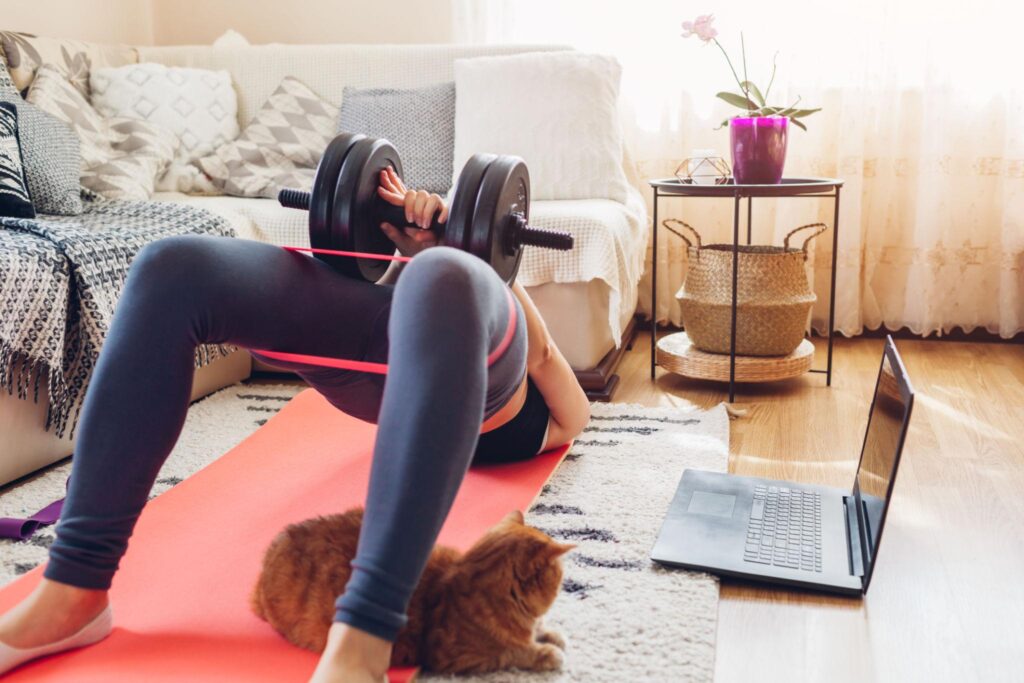
At first, I thought it was just part of postpartum recovery. Everyone talks about tiredness, hormones, and the emotional rollercoaster of early motherhood, but fewer conversations dive into the subtle physical changes that linger beneath the surface. I assumed the strange feeling in my core was simply my body taking its time to bounce back. But one morning, while attempting a gentle workout video, I noticed a small doming along my stomach when I tried to sit up. It wasn’t painful, but it didn’t feel right either.
That was the first time I heard the words diastasis recti.
Like many women, I had spent months preparing for birth but very little time learning about postpartum recovery beyond the basics. When I started researching, I discovered that diastasis recti — the separation of the abdominal muscles during pregnancy — is incredibly common. In fact, it happens because the growing belly stretches the connective tissue between the abdominal muscles to make room for the baby. It’s not a failure of strength or a sign that you did something wrong. It’s simply the body adapting in the most remarkable way.
Still, understanding the “why” didn’t automatically bring peace. What lingered was uncertainty. How would I know if I had it? Was I allowed to exercise? Could I make it worse? And perhaps the most emotional question of all: would my body ever feel strong again?
I remember sitting on my bedroom floor, baby finally asleep, scrolling through articles and videos that felt either overly clinical or unrealistically optimistic. Some promised quick fixes. Others felt intimidating, filled with medical terminology and strict rules that made recovery seem overwhelming. What I really needed was reassurance — gentle, practical guidance that met me where I was.
Eventually, I came across a pelvic floor physical therapist who explained that checking for diastasis recti at home could be simple. Not perfect, not diagnostic, but enough to build awareness. That idea felt empowering. Instead of fearing my body, I could learn to listen to it.
So one afternoon, with a mix of curiosity and nervousness, I tried the self-check.
I lay on my back with my knees bent, feet resting on the floor. The room was quiet except for the soft hum of the baby monitor. Placing one hand behind my head, I slowly lifted my shoulders just slightly off the ground, like the beginning of a crunch. With my other hand, I gently pressed my fingers into the midline of my abdomen, just above my belly button.
What surprised me most wasn’t the gap itself, but the softness. There was space, yes, but more than that, there was a lack of tension — a feeling that the area didn’t quite know how to engage. It wasn’t dramatic or alarming, but it was enough to confirm that my core needed patience and care.
That moment shifted something inside me.
Instead of rushing back into intense workouts, I began to see postpartum recovery as a conversation rather than a race. The goal wasn’t to “close the gap” as quickly as possible, but to restore function, strength, and connection. I learned that tension across the abdominal wall matters more than the exact width of the separation. A smaller gap with poor tension can cause more issues than a slightly wider gap that feels strong and supportive.
What followed was a season of slowing down — something that felt uncomfortable at first. I had always associated fitness with pushing harder, sweating more, doing better than last time. But healing diastasis recti required a different mindset. It asked for gentleness, consistency, and trust.
Breathing became my starting point.
Not the shallow breathing I didn’t even realize I had fallen into during pregnancy, but deep, intentional breaths that expanded my ribs and engaged my deep core muscles. Learning to activate the transverse abdominals felt subtle, almost invisible, yet incredibly powerful. These weren’t movements that looked impressive on social media, but they were foundational.
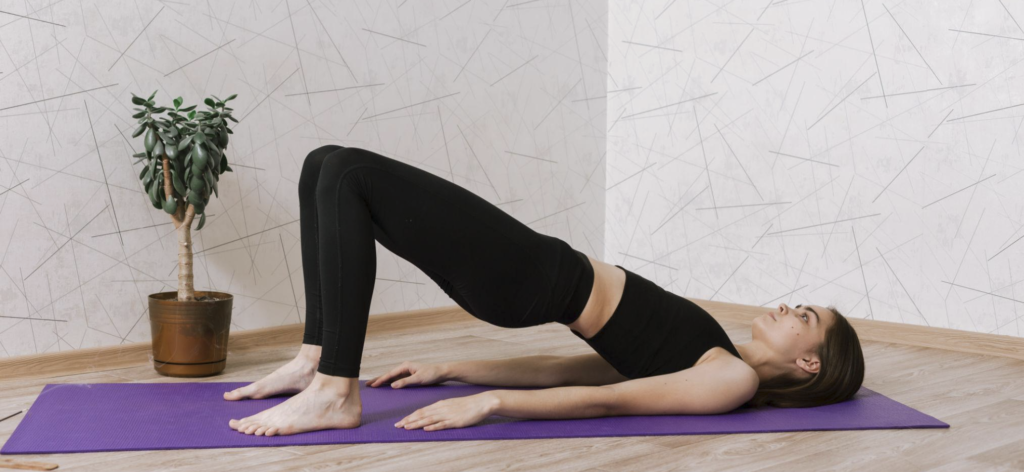
Glute bridges, bent knee marches, and gentle core activations became my daily rituals. Small movements that reintroduced stability without strain. Over time, I noticed changes that went beyond the mirror. Sitting up felt easier. Carrying my baby felt more supported. My posture improved without conscious effort. And slowly, that unfamiliar feeling in my core began to fade.
One of the most important lessons I learned during this time was what to avoid. Traditional crunches, sit-ups, and high-pressure movements like intense planks or heavy lifting too soon could create excess strain on the healing connective tissue. This didn’t mean I had to fear exercise forever, but it reminded me that timing and progression matter.
Healing wasn’t linear.
There were days when my core felt strong and connected, and others when fatigue or hormones seemed to set me back. But instead of viewing those moments as failures, I started seeing them as feedback. My body wasn’t broken; it was communicating.
Emotionally, the journey was just as meaningful as the physical recovery. Diastasis recti challenged my relationship with my body in ways I hadn’t expected. It asked me to release the pressure to “bounce back” and instead embrace the idea of moving forward. My body hadn’t simply changed — it had done something extraordinary. Healing became less about restoring my pre-pregnancy shape and more about building a new sense of strength rooted in appreciation.
Over time, I also learned the value of professional support. While home self-checks provided awareness, seeing a pelvic floor physical therapist offered clarity and reassurance. The guidance was gentle, personalized, and deeply validating. It reminded me that postpartum care deserves attention and compassion, not silence or dismissal.
The truth is, many cases of diastasis recti improve naturally, especially with mindful movement and time. But leaving it completely unaddressed can sometimes contribute to back discomfort, pelvic floor challenges, or a lingering feeling of instability. That knowledge didn’t create fear — it created motivation to stay consistent with the small habits that supported healing.
Looking back now, what stands out most isn’t the gap I once worried about, but the relationship with my body that grew through the process. Diastasis recti slowed me down in a way that ultimately deepened my awareness. It taught me to value connection over intensity, patience over perfection, and sustainability over quick fixes.
If you’re navigating this journey, I want you to know that you’re not alone in the uncertainty. It’s okay to feel confused, frustrated, or even disconnected from your body at times. But healing is possible, and it often begins with the smallest steps — a breath, a gentle movement, a moment of curiosity instead of judgment.
Checking for diastasis recti at home can be a helpful starting point, but it’s only one piece of the story. The real transformation happens in the daily choices that support recovery: resting when needed, moving with intention, and trusting that progress can be quiet yet meaningful.
Today, my workouts look different than they once did, but they feel richer. There’s a deeper sense of awareness in every movement, a quiet gratitude for what my body has carried me through. Strength, I’ve learned, isn’t defined by intensity alone. Sometimes it’s found in patience, in softness, in the courage to rebuild slowly.
And maybe that’s the most beautiful part of this journey — realizing that healing isn’t about returning to who you were before, but about discovering the strength of who you’re becoming.