
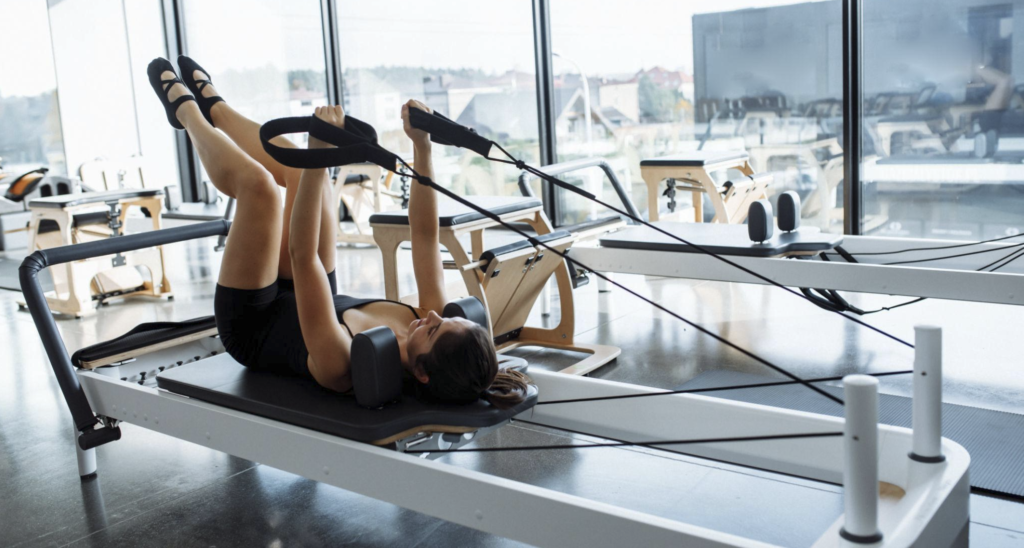
I used to think training my glutes was mostly about how I looked.
Like many women, I started working out because I wanted to feel more confident in my body. I wanted to feel strong, toned, and comfortable in my clothes. I thought glute workouts were simply about shaping my body — something aesthetic, something visual, something external. But over time, something unexpected happened. What started as a simple fitness goal slowly became a deeper relationship with my body, my strength, and my health. I began to understand that strong glutes are not just about appearance. They are about how we move through the world, how we support ourselves, and how we protect our bodies every day.
I remember the moment everything shifted for me. I had been working out consistently for months, doing what I thought were proper squats and lunges, pushing myself hard but constantly feeling tension in my lower back. My knees sometimes felt unstable, and I often had this dull tightness in my hips. I assumed it was normal — just part of exercising. Then one day a trainer gently stopped me mid-squat and told me something that completely changed how I saw my body: “Your glutes aren’t working. Your back is compensating.”
It felt shocking. How could such large muscles not be doing their job?
That moment sparked my curiosity. I started learning about the glutes — not just as “butt muscles,” but as one of the most powerful and essential muscle groups in the body. The glutes actually consist of three muscles working together: the gluteus maximus, gluteus medius, and gluteus minimus. They control hip movement, stabilize the pelvis, support posture, and help generate power for everyday actions like walking, climbing stairs, standing up, and even balancing on one leg. Suddenly, my constant back tension and poor stability made sense. My body had been compensating for weakness I didn’t even know existed.
Once I understood this, my workouts completely changed. I stopped chasing random exercises and started focusing on how movements actually felt. Instead of rushing through squats, I slowed down. Instead of lifting heavier weights immediately, I worked on connection and control. It was humbling at first. I realized how disconnected I had been from my own body.
What surprised me most was how much these muscles influence everyday life. When the glutes are strong, walking feels lighter, posture improves, and the body feels stable and supported. When they are weak, everything becomes harder — the lower back takes extra strain, the knees absorb more impact, and balance becomes compromised. I began noticing how often we rely on these muscles without even thinking about it.
As I explored different exercises, I also became curious about what actually works best. I read research examining which movements activate the glutes most effectively, and I was surprised by the results. Traditional squats, often seen as the ultimate lower-body exercise, were not the only powerful option. Exercises like step-ups, lunges, single-leg movements, and quadruped hip extensions could activate the glutes just as much — sometimes even more.
This discovery changed my mindset completely. I had always believed there was one “best” exercise, one perfect solution. But the truth is that the glutes are complex and respond to variety. They extend the hips, rotate the legs, and stabilize the pelvis, so different movements challenge them in different ways. Variety wasn’t just helpful — it was necessary.
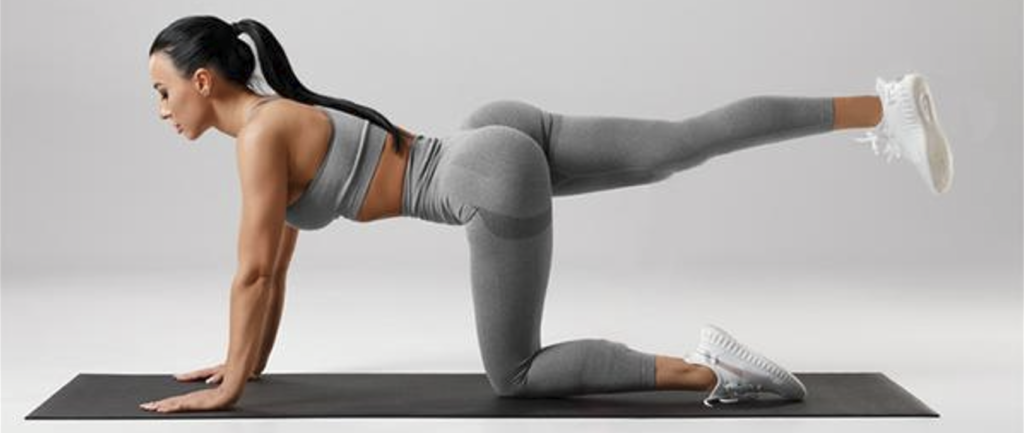
One of the most unexpected experiences in my journey was learning to appreciate simple movements. The quadruped hip extension, sometimes called a donkey kick, used to seem almost too easy to matter. But when I performed it slowly and intentionally, focusing on the muscle engagement, I felt a deep connection I had never experienced before. That small, controlled movement taught me more about muscle activation than heavy lifting ever had. It reminded me that strength is not always loud or dramatic. Sometimes it is quiet, controlled, and deeply internal.
Single-leg exercises were another challenge that revealed truths about my body. Step-ups and single-leg squats forced me to confront my imbalance and instability. At first, my hips wobbled, and my movements felt awkward. But over time, these exercises strengthened the smaller stabilizing muscles around my hips and dramatically improved my balance. Everyday activities became easier, and my body felt more coordinated and resilient.
What I didn’t expect was how glute training would change my posture. Before, I had a slight forward tilt in my pelvis that caused constant tension in my lower back. As my glutes grew stronger, my body naturally aligned itself. I stood taller without trying. My shoulders relaxed. My movements became more fluid. Even my breathing felt easier. It was as if my body had finally found its natural balance.
This physical transformation brought emotional changes as well. Strength training gave me a sense of capability I had never experienced before. I trusted my body more. I felt grounded and confident in a way that had nothing to do with appearance. Training stopped being about fixing flaws and became about building strength.
Throughout this journey, I also learned patience. At first, I expected quick results. I rushed into heavier weights, ignored recovery, and pushed too hard. But real strength develops gradually. Muscles need time to adapt, and consistency matters more than intensity. Once I slowed down and respected the process, my progress improved dramatically.
I also learned that strong glutes play a powerful role in injury prevention. They protect the knees by stabilizing leg movement, support the lower back by controlling pelvic position, and help maintain balance during dynamic motion. Since strengthening my glutes, I experience fewer aches and recover faster from workouts. My body feels supported rather than strained.
Perhaps the biggest lesson I’ve learned is that strength training is a form of self-care. Taking time to build physical strength is an act of respect for the body. It prepares us for daily life, protects us as we age, and allows us to move with confidence and ease. Strong glutes are not just about aesthetics — they represent stability, resilience, and empowerment.
Looking back, I smile at the version of myself who believed glute training was only about appearance. What I discovered instead was a deeper connection to my body, a new understanding of movement, and a sense of strength that goes far beyond the physical.
The real transformation wasn’t just in how I looked. It was in how I moved, how I felt, and how I carried myself through the world. And for me, that has been the most beautiful glow-up of all.