

The first time I tried to “take control” of my body, I didn’t feel empowered. I felt terrified of doing something wrong.
I was eighteen, standing in the kitchen with a brand-new food scale, convinced that the future version of me — leaner, stronger, more confident — depended on whether I weighed my oats to the exact gram. I had notebooks filled with numbers. Protein targets. Carb ratios. Fat limits. I believed that if I could just be precise enough, disciplined enough, perfect enough, my body would finally cooperate.
Back then there weren’t sleek apps that scanned barcodes in seconds. I manually searched databases that looked like they were built in the early 2000s. I double-checked labels like I was studying for an exam. I remember holding a banana and wondering whether I should weigh it with the peel or without it. I genuinely worried that slicing it instead of weighing it would sabotage my results.
By lunchtime, my shoulders were tight from stress. By evening, I was calculating how many grams of protein I had left before bed and whether I needed to wake up early to drink a shake to prevent muscle loss. I wasn’t preparing for a bodybuilding competition. I wasn’t an elite athlete. I was just a young woman who wanted to feel good in her own skin.
But somewhere along the way, wanting to feel good turned into needing to be flawless.
Looking back, I can see how easily it happened. As women, we are raised in a culture that quietly tells us our bodies are projects. Fix this. Tighten that. Eat clean. Don’t eat too much. Be strong — but not bulky. Be lean — but not obsessive. Care — but don’t care too much. The rules are endless and contradictory.
So when I discovered the world of macro counting and structured training, it felt like relief. Finally, there were numbers. Numbers felt objective. Numbers felt safe. If I hit my targets, I would succeed. If I failed, it would be because I didn’t try hard enough.
What I didn’t understand at eighteen was that health is not a math equation. It’s a relationship.
And I was approaching mine like a dictator.
I didn’t notice how tense I had become until one night when my family ordered pizza and I sat at the table calculating how many grams of fat were in one slice. I remember feeling angry — not at them, but at myself — because I wanted it. I wanted to eat without thinking. I wanted to laugh without silently tracking macros in my head.
Instead, I negotiated with myself. If I eat this, I’ll reduce carbs tomorrow. If I go over my fat target, I’ll add extra cardio. Everything was transactional. Food wasn’t nourishment. It was a variable to control.
It’s strange how something that starts as self-improvement can slowly morph into self-surveillance.
For years, I swung between control and collapse. I would follow a perfectly structured plan for a few weeks, feel proud of my discipline, and then inevitably burn out. One missed workout or unplanned dessert would spiral into guilt. Guilt would turn into “I’ve already messed up.” And that would turn into quitting.
Then I would start again. New plan. New rules. New hope.
Each time, I told myself the problem was the program. Maybe I needed a different macro split. Maybe I needed intermittent fasting. Maybe my training volume wasn’t optimal. Maybe I needed better supplements. There was always another layer to optimize.
But the truth was simpler and harder to admit: I didn’t need more rules. I needed less pressure.
The breakthrough didn’t happen in a dramatic moment. There was no epiphany in the mirror. It was quieter than that. I was in my mid-twenties, exhausted from another cycle of overcommitment and burnout, when I asked myself a question I had somehow never asked before.
What am I actually trying to achieve?
Not what social media glorifies. Not what the fittest woman at the gym is chasing. What do I, in my actual life, want?
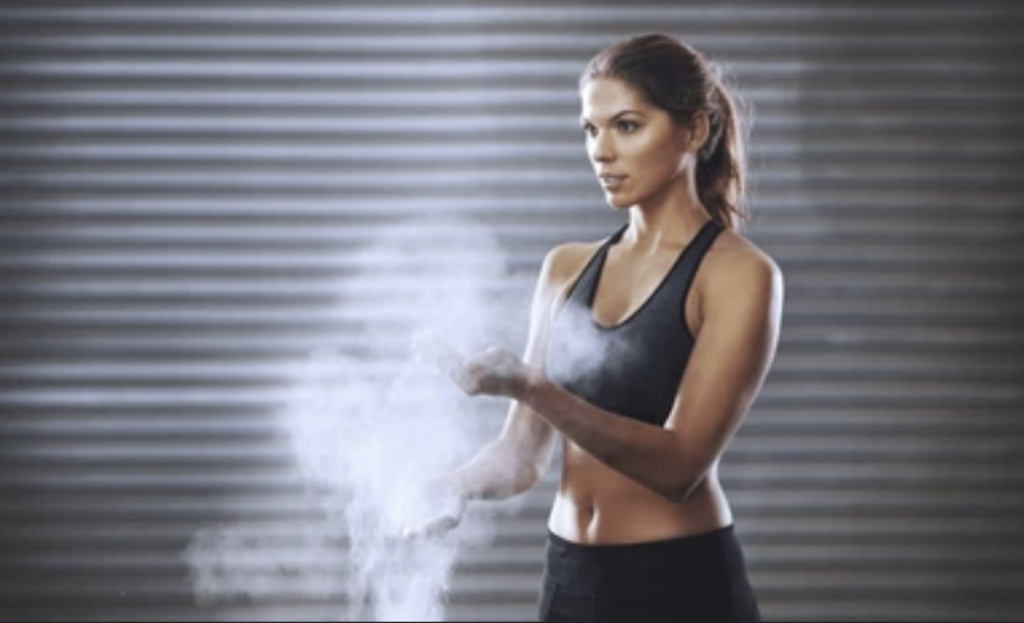
The answer wasn’t complicated. I wanted to feel strong when I carried groceries. I wanted my jeans to fit comfortably. I wanted energy during the afternoon instead of crashing. I wanted to feel confident naked — yes — but not at the cost of constantly thinking about food.
None of that required perfection.
It required consistency.
That word used to bore me. Consistency didn’t sound powerful or impressive. It didn’t come with hashtags or dramatic before-and-after photos. But when I began to experiment with a simpler approach, something shifted.
Instead of aiming for an exact protein number, I aimed to include a solid source of protein at most meals. Instead of eliminating entire food groups, I focused on mostly whole foods while allowing flexibility. Instead of planning five intense workouts per week and completing two, I committed to three manageable strength sessions.
Three workouts. Not revolutionary. But repeatable.
I stopped trying to win the week. I started trying to show up for it.
And here’s what surprised me: my body responded better to calm consistency than it ever had to frantic precision.
Strength became my anchor. I fell in love with progressive overload — not in an obsessive way, but in a grounded one. If I could lift slightly heavier over time, or perform one more rep than last month, I was moving forward. It was tangible. Measurable. Honest.
I didn’t need to debate whether four sets of eight were superior to five sets of five. I needed to get stronger than I was before.
The same thing happened with fat loss. When I stopped trying to create dramatic calorie deficits and instead chose a modest, sustainable one, I felt human again. I wasn’t starving. I wasn’t fantasizing about cheat days. I was simply eating a bit less than I burned, most days, and moving my body.
The scale moved slowly. My clothes fit differently. But more importantly, my mind felt quieter.
I think many women get stuck not because they lack discipline, but because they care deeply and want to do things “the right way.” We overthink because we’re invested. We read articles, listen to podcasts, watch videos, and convince ourselves that the difference between success and failure lies in the smallest details.
Should I train fasted?
Is seven hours of sleep enough?
Is oat milk inflammatory?
Is creatine necessary?
These questions matter — eventually. But they don’t matter more than showing up.
Overthinking can feel productive. Research feels like action. Planning feels responsible. But sometimes it’s a subtle form of avoidance. As long as we’re refining the plan, we don’t have to test ourselves against reality. We don’t have to risk discovering that simple, consistent effort is enough.
There was a time when I believed my body required extreme measures. Now I know it responds best to steady ones.
As a woman, I’ve also learned to respect the rhythms of my body instead of fighting them. There are weeks in my cycle when I feel unstoppable in the gym — strong, energized, motivated. There are other weeks when I feel heavier, hungrier, slower. In the past, I would interpret that fluctuation as failure. Now I see it as information.
Instead of forcing high intensity during low-energy phases, I adjust. I still move. I still show up. But I listen. That shift alone has made my fitness journey more sustainable than any macro calculator ever did.
I also had to untangle my self-worth from my physique. That was the hardest part. When progress slowed, I used to panic. I would immediately search for what I was doing wrong. More cardio? Fewer carbs? Different rep range?
Now, I zoom out. Am I training consistently? Am I eating reasonably well? Am I managing stress? If the answer is yes, then I stay the course. Bodies change slowly. Especially women’s bodies. Especially when we’re not willing to sacrifice our mental health for aesthetics.
And that’s another truth I had to learn: stress is not neutral. When I was micromanaging every detail, I was constantly tense. Cortisol doesn’t care whether stress comes from work, relationships, or obsessing over macros. The body reads it as stress.
When I reduced the mental load around food and training, everything felt lighter — including my body.
Today, my approach would probably disappoint my eighteen-year-old self. It’s not extreme. It’s not flashy. I lift three to four times per week. I walk daily. I prioritize protein but don’t measure it obsessively. I eat vegetables and dessert. I sleep as well as I can. I drink water. I let myself be imperfect.
And I trust that these habits, repeated over years, are powerful.
If you’re feeling stuck, I want you to consider something gently: maybe you’re not stuck because you need a better plan. Maybe you’re stuck because you’re carrying too much pressure.
Ask yourself what the simplest version of success would look like this week.
Not forever. Just this week.
Maybe it’s two workouts. Maybe it’s cooking dinner at home four nights. Maybe it’s drinking more water and going to bed thirty minutes earlier. Maybe it’s deleting the tracking app that makes you anxious and practicing mindful portions instead.
You don’t need to earn progress through suffering. You earn it through repetition.
The girl weighing her banana believed that control would give her confidence. The woman writing this knows that self-trust does.
And self-trust is built one imperfect, consistent day at a time.