
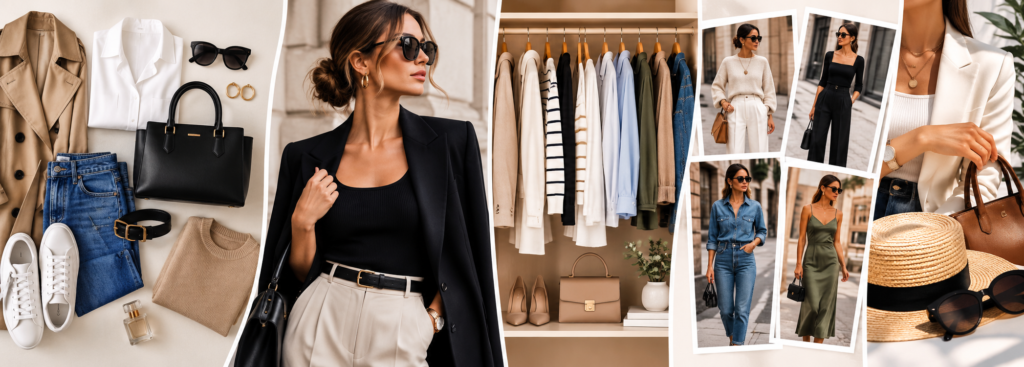
Personal style is one of those things everyone claims to want and very few people feel like they actually have. It’s easy to confuse “keeping up with trends” for having style, when in reality they’re almost opposite skills — trend-following requires constant updating, while genuine personal style is something you build once, refine gradually, and can rely on for years, regardless of what’s currently on the runway. This guide is about building that second thing: a wardrobe and a way of dressing that feels distinctly yours.
What Personal Style Actually Means
Personal style isn’t a fixed aesthetic label (minimalist, boho, classic) so much as a consistent set of choices — colors, silhouettes, fabrics, and details — that feel authentic to how you actually want to move through the world. It’s less about having a Pinterest-perfect “look” and more about the quiet confidence of knowing that most things in your closet work well together and genuinely feel like you.
How to Identify Your Style
A useful starting exercise: look through your closet and identify which pieces you reach for repeatedly, and which sit unworn. The patterns in what you actually wear — not what you bought aspirationally — reveal more about your real style preferences than any style quiz. Pay attention to colors you’re consistently drawn to, whether you gravitate toward fitted or relaxed silhouettes, and what you feel most confident wearing, since confidence is a genuinely reliable style indicator.
Understanding Body Proportions Without Promoting Unrealistic Standards
Understanding your own proportions — where your waist sits, how your shoulders and hips relate to each other, your general height and frame — can help you choose silhouettes that feel comfortable and flattering to you, without needing to fit any external ideal. This isn’t about categorizing your body into a shape label and following rigid rules; it’s about noticing, through experimentation, which necklines, rises, and cuts feel good on your specific body, and leaning into those preferences rather than forcing yourself into silhouettes that don’t feel right just because they’re currently popular.
Choosing Colors
A simple way to approach color is to notice which shades appear most often in the compliments you receive, or which colors you feel most energized wearing. Building a wardrobe around two or three neutral base colors (black, navy, camel, or gray, for example) alongside two or three signature accent colors you genuinely love creates a cohesive closet where pieces mix and match easily, rather than a collection of one-off items that don’t relate to each other.
Building a Capsule Wardrobe
A capsule wardrobe — a curated, limited collection of versatile pieces that combine into many different outfits — is one of the most practical frameworks for developing personal style, since it forces intentional choices rather than accumulation. A reasonable capsule might include a handful of well-fitted trousers or jeans, a few tops in your core colors, one or two blazers, a couple of dresses, reliable outerwear, and a small, versatile shoe collection — built to your actual lifestyle rather than a generic template.
Essential Wardrobe Pieces
A few genuinely versatile pieces tend to earn their place in almost any personal style: well-fitted denim, a blazer that works for both casual and slightly dressed-up occasions, a simple white or neutral button-down shirt, a versatile little black (or dark neutral) dress, comfortable and well-made shoes for daily wear, and quality outerwear suited to your climate.
Combining Classic Pieces With Current Trends
The healthiest relationship with trends treats them as seasoning rather than the main dish — a single current-season piece (this year, perhaps a statement handbag, a rich maroon sweater, or a pair of wide-leg trousers) added to an otherwise classic outfit keeps a wardrobe feeling current without requiring constant, expensive updates or compromising your established personal style.
Creating Outfits
A reliable outfit-building formula: one statement piece (a bold color, an interesting texture, a standout accessory), balanced by simpler, more neutral supporting pieces. This prevents outfits from feeling either too plain or overwhelming, and it’s a formula that adapts easily whether you’re dressing for work, a casual weekend, or an evening out.
Accessories
Accessories are often the most efficient way to express personal style, since a single bag, piece of jewelry, or scarf can shift the entire mood of an otherwise simple outfit. Investing in a few high-quality, versatile accessories — a structured everyday bag, a few pieces of jewelry you genuinely love, a good pair of sunglasses — tends to offer more long-term style value than a large quantity of trend-driven pieces.
Shoes
A well-chosen shoe collection covers your actual lifestyle needs: something comfortable for daily walking or standing, something polished for work or dressier occasions, and perhaps one or two statement pairs that reflect current trends or personal flair. Quality and comfort matter more for long-term style satisfaction than owning a large quantity of shoes.
Bags
Similarly, a small collection of well-chosen bags — an everyday structured bag, a smaller bag for evenings, and perhaps a larger tote for work or travel — tends to serve most lifestyles better than an extensive collection of trend-specific bags that see limited use.
Dressing for Work
Workwear benefits from a foundation of well-fitted, slightly more structured pieces — tailored trousers, blazers, polished tops — that can be dressed up or down depending on your workplace culture. Adding a single current trend element (a statement bag, an on-trend color) keeps a work wardrobe from feeling stale without compromising professionalism.
Casual Outfits
Casual dressing benefits from the same core principle as any other context: a few reliable, well-fitting basics (good jeans, comfortable tops, a favorite sweater) elevated by one intentional detail — an accessory, an unexpected color pairing, or a well-chosen shoe.
Evening Outfits
For evening dressing, personal style often shows up most clearly in the details: a favorite silhouette that makes you feel confident, a signature color, or a specific way of accessorizing that feels distinctly yours rather than borrowed from a trend report.
Seasonal Dressing
Adapting your personal style across seasons is less about changing your aesthetic entirely and more about adjusting fabric weight, layering, and color intensity while maintaining the same core silhouettes and color preferences that define your style year-round.
Shopping More Intentionally
Before buying anything, a few useful questions: Does this work with at least three things I already own? Do I actually like how it looks on me, or do I like the idea of it? Would I choose this if it weren’t currently trending? Intentional shopping, guided by questions like these, naturally reduces impulse purchases and results in a wardrobe where more pieces genuinely get worn.
Avoiding Unnecessary Purchases
A brief waiting period before non-essential purchases — even just 24 to 48 hours — filters out a significant portion of impulse buys driven by momentary trend excitement rather than genuine, lasting interest in a piece.
Creating a Versatile Wardrobe
Versatility comes from choosing pieces that combine easily with multiple other items already in your closet, rather than pieces that only work with one specific outfit. Before purchasing, mentally (or literally) counting how many existing pieces a new item could pair with is a practical way to assess its actual versatility.
Finding Inspiration Without Copying Others
Following stylish people whose taste resonates with you is a reasonable way to gather inspiration, but the goal is extracting principles (a color combination, a silhouette, a way of layering) rather than replicating an entire look exactly. Ask what specifically draws you to an outfit, then translate that element into pieces and combinations that fit your own body, lifestyle, and existing wardrobe.
Common Style Mistakes
A few patterns show up repeatedly: buying pieces because they’re trending rather than because they genuinely fit your style or lifestyle, prioritizing quantity over fit and quality, neglecting proper tailoring (a well-tailored inexpensive piece often looks more elevated than an ill-fitting expensive one), and avoiding personal signature elements out of a fear of standing out, which tends to result in a wardrobe that feels generic rather than distinctly yours.
Practical Outfit Formulas
Formula 1: Fitted trousers + simple top + blazer + structured bag + polished shoe (work-appropriate, adaptable to more casual settings by swapping the blazer for a cardigan).
Formula 2: Well-fitting jeans + statement top or accessory + relaxed outerwear + comfortable shoe (casual, everyday).
Formula 3: A single versatile dress + seasonal layering piece + one statement accessory + shoe suited to the occasion (adaptable across work, casual, and evening settings depending on styling choices).
Building Confidence Through Personal Style
Confidence in personal style tends to come less from following every current trend perfectly and more from the accumulated experience of wearing pieces that consistently feel authentic and comfortable. Over time, this builds a kind of dressing fluency — an intuitive sense of what works for you — that makes getting dressed considerably less stressful and considerably more enjoyable, regardless of what’s currently trending or what budget you’re working with.
Frequently Asked Questions
How do I figure out my personal style if I’ve never thought about it before? Start by examining what you already wear and love repeatedly, rather than starting from an external style category or quiz. Your existing habits reveal more about your genuine preferences than any label.
Do I need to spend a lot of money to develop good personal style? No — thoughtful, intentional choices about fit, versatility, and what genuinely suits you matter more than budget. A well-fitted, less expensive piece often serves personal style better than an expensive one that doesn’t fit your body or lifestyle.
How do I incorporate trends without losing my personal style? Treat trends as accents rather than the foundation of your wardrobe — one current piece or accessory added to an otherwise classic, personally-suited outfit keeps things feeling current without overwhelming your established style.
How often should I update my wardrobe? There’s no fixed schedule — focus on replacing worn-out essentials as needed and adding new pieces intentionally, based on genuine gaps or interests, rather than following a seasonal shopping calendar out of habit.
What if my style doesn’t fit into a specific category like “minimalist” or “boho”? That’s completely normal, and arguably a sign of genuine personal style rather than a problem — most real personal styles blend elements from multiple aesthetics rather than fitting neatly into a single category.