A Woman’s Personal Journey to Strength, Balance, and Clarity
2/14/20267 min read
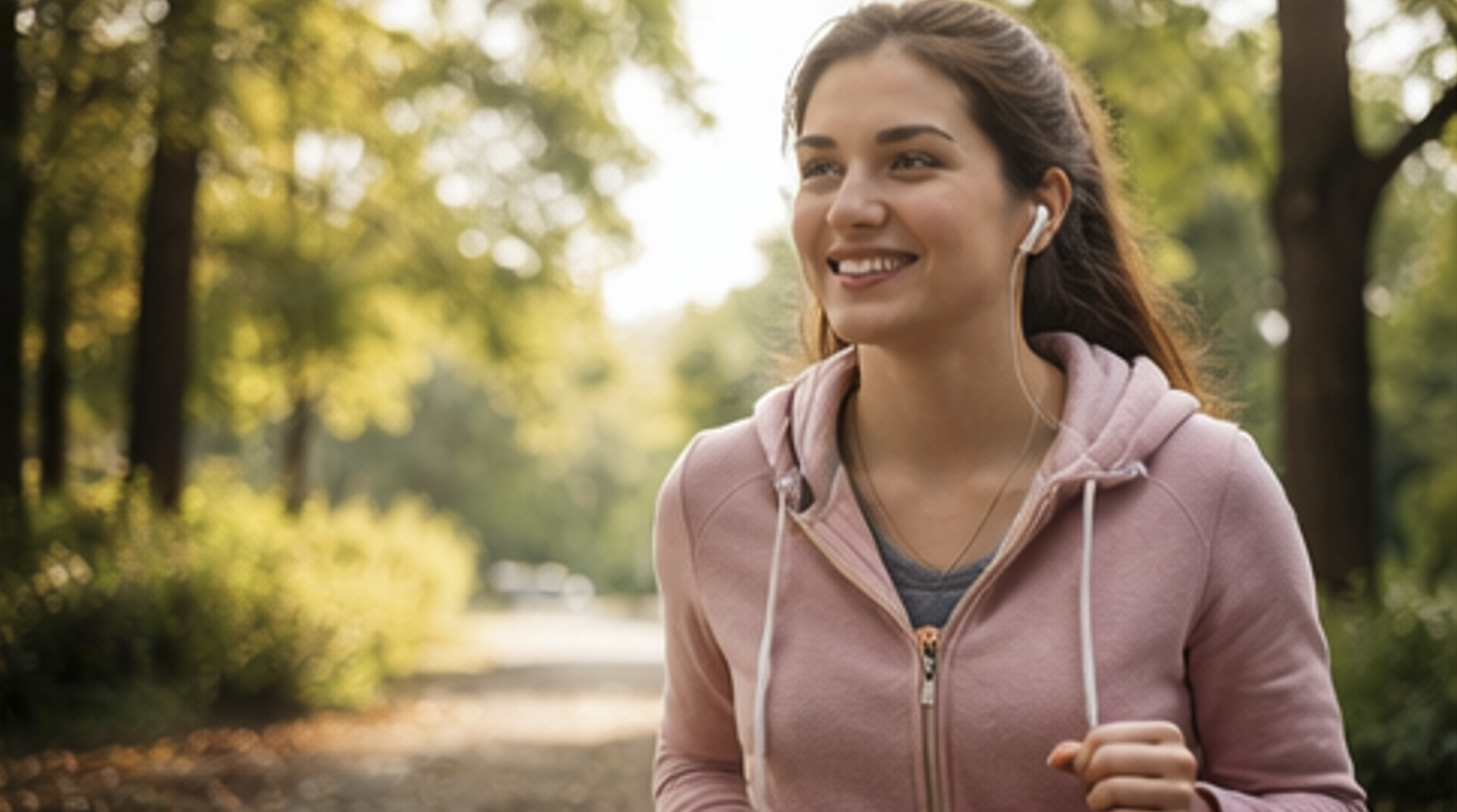

There was a time in my life when I thought being “busy” was a personality trait. I wore my exhaustion like a badge of honor. I studied late, worked early, skipped meals, drank too much coffee, and told myself I would rest “when things calm down.” The truth? Things never calm down on their own. And slowly, almost quietly, my body began to protest. I couldn’t focus the way I used to. My patience grew thin. I felt bloated, anxious, and permanently tired. It wasn’t dramatic. It was subtle. But it was enough to make me realize something I had always heard and never truly understood: when your health slips, everything else starts to slip with it.
As women, we are often taught to endure. To multitask. To show up for everyone else first. We learn how to be productive, supportive, ambitious, nurturing — sometimes all before breakfast. What we rarely learn is how to pause. How to listen inward. How to recognize that our physical and mental well-being is not a luxury but the foundation that holds everything else together.
I remember reading about the Social Progress Index and feeling both surprised and unsettled. Out of 170 countries, the United States ranks 35th in nutrition and basic medical care and 40th in overall health. Those numbers don’t scream “thriving.” They whisper that even in developed societies, something is off. Access to information has never been greater, yet so many of us feel disconnected from our bodies, confused about food, overwhelmed by fitness trends, and silently struggling with stress.
For a long time, I thought getting healthy meant doing something extreme. Joining an expensive gym. Following a rigid meal plan. Cutting out entire food groups. Waking up at 5 a.m. to “win the day.” But every time I tried to transform my life overnight, I burned out. My body would cooperate for a few weeks, maybe a month, and then I’d find myself right back where I started — tired, frustrated, and blaming myself.
The shift didn’t happen when I found the “perfect” workout. It happened when I stopped punishing myself and started paying attention.
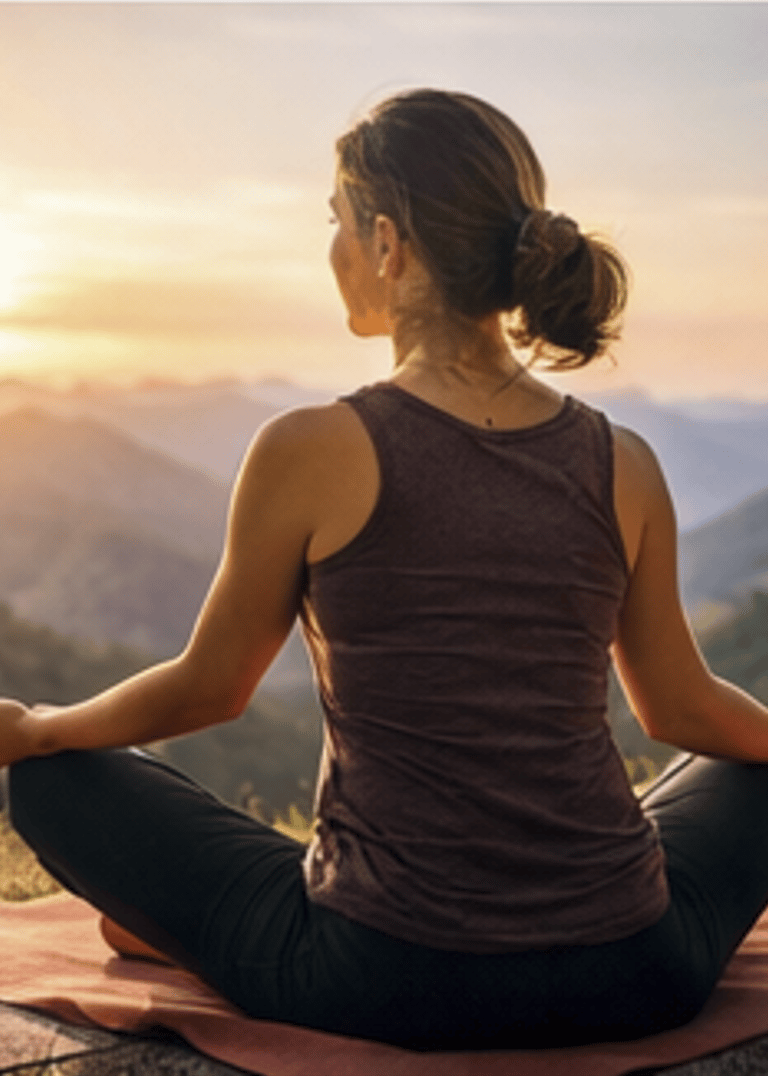
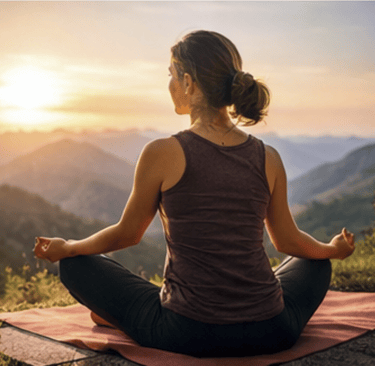
One of the first things I learned is that health is not a single decision. It’s a relationship. And like any relationship, it requires honesty and consistency more than intensity. I started small. Instead of asking, “How can I change everything?” I asked, “What would feel supportive today?” Some days that meant a 20-minute walk instead of an hour-long workout. Some days it meant adding vegetables to my plate instead of obsessing over calories. Some days it meant going to bed early instead of scrolling on my phone.
Movement became less about shrinking my body and more about feeling strong inside it. I explored different styles — strength training, yoga, even simple bodyweight workouts at home. I noticed how lifting weights made me feel powerful in a way that cardio alone never did. I began to understand why so many fitness experts emphasize resistance training for women: it supports bone density, boosts metabolism, and improves long-term health. But beyond the science, it gave me confidence. I wasn’t exercising to punish myself anymore. I was training to support my future self.
Nutrition was an even deeper emotional journey. As women, many of us grow up with complicated messages about food. “Eat less.” “Don’t eat that.” “Be good.” “Start over Monday.” It took me time to unlearn the idea that food was something to control rather than something to nourish. I started reading more evidence-based wellness resources and noticed a consistent theme: balance beats restriction. Our bodies need protein to maintain muscle, healthy fats for hormones, complex carbohydrates for energy, fiber for digestion, and micronutrients for everything from immunity to mood regulation.
When I began focusing on adding instead of subtracting — adding colorful vegetables, adding quality protein, adding water — my cravings naturally balanced out. I stopped labeling foods as “good” or “bad.” I paid attention to how meals made me feel. Heavy and sluggish? Energized and satisfied? Over time, I developed trust in my own signals again.
Stress, however, was the most stubborn piece of the puzzle. You can eat well and exercise consistently, but if your nervous system is constantly in fight-or-flight mode, your body will struggle. I didn’t realize how much chronic stress was affecting me until I noticed the physical signs: tight shoulders, shallow breathing, irregular sleep, digestive discomfort. It was my body’s way of asking for gentleness.
I began incorporating small rituals into my days. Five minutes of deep breathing in the morning. Short breaks between tasks instead of powering through. Evening stretches to release tension. None of it looked impressive from the outside. There were no dramatic before-and-after photos. But internally, everything shifted. My mind felt clearer. My emotions felt steadier. I could handle challenges without immediately spiraling into overwhelm.
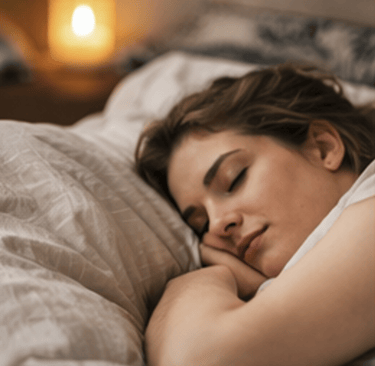
Sleep became sacred. For years, I treated it as optional. Now I protect it like a boundary. Research consistently shows that insufficient sleep affects hormones that regulate hunger, stress, and recovery. And I felt that firsthand. When I slept poorly, I craved sugar. I skipped workouts. I snapped at people I love. When I slept well, everything felt more manageable. So I created a simple wind-down routine: dim lights, no screens before bed, sometimes journaling. It wasn’t perfect every night, but it was intentional.
What surprised me most on this journey was how interconnected everything is. When I moved my body regularly, my mood improved. When I ate balanced meals, my energy stabilized. When I slept better, my focus sharpened. Health stopped feeling like separate categories — fitness, nutrition, mental health — and more like a web where each strand supports the others.
I also learned that community matters. Reading stories from other women, following wellness blogs rooted in credible information rather than quick fixes, and listening to experts helped me feel less alone. But I had to be selective. The wellness world can be loud and contradictory. One day carbs are the enemy; the next day they’re essential. One week fasted cardio is the secret; the next week it’s outdated. I realized that no single trend defines health. Sustainable habits do.

There is something deeply empowering about understanding your own body. Learning how hormones fluctuate across the menstrual cycle and how that can influence energy levels. Recognizing that strength might feel different during certain weeks. Accepting that rest is not weakness but strategy. When I aligned my expectations with my biology instead of fighting against it, I felt more compassionate toward myself.
I won’t pretend I’ve mastered everything. There are still weeks when work piles up and workouts feel inconvenient. There are days when stress wins. But the difference now is awareness. I no longer ignore the warning signs. If I feel unusually fatigued, I ask why. If my mood dips, I look at my sleep and nutrition before blaming my character.
Health is not about chasing perfection. It’s about building resilience. It’s about giving your body enough support that it can carry you through ambitious goals, busy semesters, demanding jobs, and emotional seasons. When your foundation is strong, everything else becomes more stable.
Looking back, I wish someone had told me that prioritizing health is not selfish. It is strategic. When you feel physically strong, you show up differently. When your mind is clear, your productivity improves. When your stress is managed, your relationships benefit. Wellness ripples outward.
If you are at the beginning of your own journey, feeling overwhelmed by information, start gently. You do not need a complete life overhaul. Choose one habit that feels doable. Drink more water. Walk after dinner. Add protein to breakfast. Go to bed 30 minutes earlier. Small shifts compound over time.
And please, let go of the idea that health has a single aesthetic. It is not defined by a number on a scale or a clothing size. It is defined by how you feel waking up in the morning. By whether you can concentrate on your studies without brain fog. By whether you have the emotional capacity to handle stress without collapsing under it.


The statistics about national health rankings can be discouraging. But they are also a reminder that systemic challenges exist — and that individual awareness matters. We cannot control every external factor. We can, however, cultivate daily practices that support our own well-being.
Today, my routine looks simple. Strength training a few times a week. Walking when I can. Eating mostly whole foods with room for enjoyment. Protecting sleep. Checking in with my mental state. It’s not glamorous. It doesn’t always make for exciting social media content. But it works. And more importantly, it feels sustainable.
There is a quiet confidence that grows when you know you are taking care of yourself. It’s not loud. It doesn’t demand attention. It shows up in steady energy, in calm responses, in the ability to focus on long-term goals. It shows up when you realize that your body is not an obstacle to fight but a partner to support.
If I could sit down with the version of myself who was exhausted and overwhelmed, I would tell her this: you don’t need to be harsher. You need to be kinder. Health is not built through punishment. It is built through consistent, compassionate choices.
And if you are reading this while juggling responsibilities, feeling like there is no time left for you, I understand. I have been there. Start small. Start imperfectly. But start. Your future self — the one who wants clarity, strength, and resilience — is built from the decisions you make today.