
Best Winter Sports – The Top 10 Winter Sports in the World
1/21/20268 min read
Best Winter Sports – The Top 10 Winter Sports in the World
Winter sports are among the most popular seasonal activities worldwide, combining competition, recreation, and pure enjoyment. As winter arrives, the sports world turns white, and snow and ice become the perfect playground for speed, adventure, and artistic expression. Beyond visiting Christmas markets and festive destinations, winter sports offer one of the best ways to stay active, energized, and connected to nature during the colder months.
The range of winter sports is remarkably diverse. From peaceful outdoor activities to technically demanding Olympic disciplines and extreme adrenaline-filled adventures, there is something for everyone. Below, we explore the Top 10 Winter Sports, highlighting their origins, evolution, and what makes each of them truly special.
Top 10 Winter Sports in the World
1. Skiing
The history of skiing dates back thousands of years. Originally used as a means of transportation, early wooden skis were found in regions of present-day Russia, China, and Scandinavia. Modern skiing, however, developed in Norway’s Telemark region, where Sondre Norheim revolutionized ski design and bindings in the 19th century, making controlled turns possible.
Today, skiing is divided into two main branches:
Alpine skiing (downhill, slalom), focused on speed and gravity
Nordic skiing (cross-country, ski jumping), emphasizing endurance and explosive power
Freestyle skiing later added acrobatic elements, making the sport even more visually impressive.
Skiing is now practiced worldwide—from the Alps and the Rocky Mountains to Japan and the Carpathians. Alpine skiing appeals to speed lovers and thrill seekers, while cross-country skiing is ideal for nature enthusiasts and endurance athletes. Often called the “jogging of winter,” cross-country skiing is considered one of the healthiest full-body workouts and can also be an excellent method for weight loss.
The word “ski” comes from the Old Norse skíð, meaning a split piece of wood. Despite modern high-tech materials, the essence remains the same: freedom across snowy landscapes. Skiing is also a social experience, with mountain huts and après-ski culture playing a major role in its global popularity.
2. Ice Skating
Humans have been gliding on ice for thousands of years. The earliest skates, made from animal bones, were used in what is now Finland to cross frozen lakes efficiently. The Dutch introduced metal blades in the 13th and 14th centuries, which marked a major technological leap.
Modern figure skating was shaped by Jackson Haines in the 19th century, who combined ballet, music, and athletic movement, creating the artistic form we know today.
Ice skating includes several disciplines:
Figure skating, blending elegance and acrobatics
Speed skating, focused on power and velocity
Recreational skating, popular in city ice rinks worldwide
Ice skating improves balance, coordination, and lower-body strength, making it accessible and beneficial for people of all ages.
Interestingly, ice is slippery not because it melts under pressure (a common myth), but due to a thin, semi-liquid molecular layer on its surface. This unique physical property allows skaters to achieve incredible speed and graceful movement.
3. Sledding
Sledding is one of the oldest and most accessible winter activities. As a competitive sport, it originated in St. Moritz, Switzerland, in the late 19th century when hotel guests modified dining chairs into sleds for downhill racing. This innovation led to modern disciplines such as bobsleigh, luge, and skeleton.
Recreational sledding remains one of the most democratic winter sports—requiring minimal equipment and no special training. Competitive sled sports, however, are extreme, with athletes reaching speeds of over 130 km/h and experiencing G-forces comparable to fighter pilots.
Bobsleigh gets its name from the English verb “to bob,” referring to the forward-and-back motion athletes used to increase speed. Today, it is a high-tech sport comparable to Formula 1 in engineering precision.
4. Ice Hockey
Ice hockey, Canada’s national sport, developed in the mid-19th century from British stick-and-ball games played on frozen ponds. The first organized indoor match took place in Montreal in 1875.
Known as the fastest team sport in the world, ice hockey demands speed, strength, agility, and split-second decision-making. While physical contact is part of the game, modern hockey increasingly emphasizes technical skill and pace.
Early hockey pucks were made of wood—and sometimes even frozen cow manure during outdoor matches. The Stanley Cup, awarded annually in the NHL, remains the oldest professional sports trophy in North America.
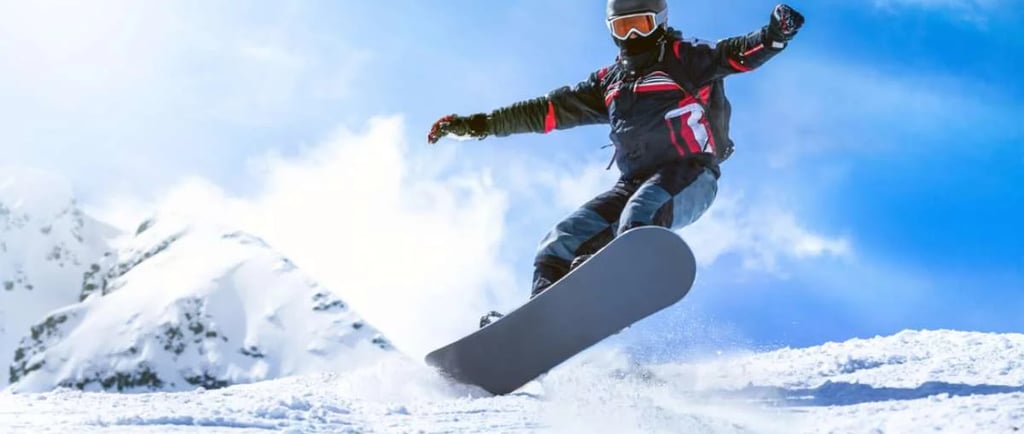
5. Snowboarding
Snowboarding emerged in the 1960s in the United States as the rebellious sibling of skiing. Sherman Poppen’s “Snurfer” inspired pioneers like Jake Burton and Tom Sims, who transformed snowboarding into a winter version of surfing and skateboarding.
Once banned from ski resorts, snowboarding gained massive popularity in the 1990s and became an Olympic sport in 1998.
Major styles include:
Freestyle (jumps, tricks, halfpipe)
Freeride (deep powder riding)
Alpine snowboarding (high-speed carving)
Snowboarding emphasizes full-body balance and creative movement. Interestingly, its popularity pushed ski manufacturers to develop modern carving skis, proving that competition fuels innovation.
6. Curling
Often called “chess on ice,” curling originated in medieval Scotland. The earliest written reference dates back to 1541. Players slide heavy granite stones toward a target while teammates sweep the ice to control speed and direction.
Curling is highly strategic and inclusive, played by mixed teams and athletes of all ages and abilities—including wheelchair users.
Competition stones are made from rare granite sourced mainly from Ailsa Craig, a small Scottish island, making curling equipment truly unique.
7. Ice Sailing
Ice sailing is the winter equivalent of sailing, capable of reaching incredible speeds due to minimal friction. Originating in the Netherlands in the 17th century, it later developed in North America and remains popular in places like Lake Balaton.
Ice yachts can exceed 100 km/h, often traveling several times faster than the wind itself. The sport requires sailing experience, precise ice conditions, and strict safety precautions.
8. Ice Climbing
Ice climbing evolved from mountaineering into a standalone extreme sport. Climbers ascend frozen waterfalls and ice walls using specialized axes and crampons. It requires exceptional upper-body strength, technical skill, and mental resilience.
The ice constantly changes with temperature and sunlight, making each climb unpredictable and dangerous. Ice climbing is practiced worldwide, from the Alps to North America, both outdoors and on artificial ice walls.
9. Dog Sledding
Dog sledding has ancient roots among Arctic indigenous peoples. As a modern sport, it developed during the Alaskan gold rush. The most famous race, the Iditarod, covers over 1,500 km across Alaska.
The sport is built on trust and teamwork between humans and dogs, most commonly Siberian Huskies and Alaskan Malamutes. Today, dog sledding is also a popular tourist activity in Lapland and Canada.
One legendary event is the 1925 “Serum Run,” when sled teams delivered life-saving medicine to Nome, Alaska—immortalized by the statue of lead dog Balto in New York’s Central Park.
10. Snowmobiling
Snowmobiling became popular in the mid-20th century, thanks to Canadian inventor Joseph-Armand Bombardier. Originally designed for winter transportation, snowmobiles quickly became recreational and rescue tools.
Today, snowmobiling is especially popular in North America and Scandinavia, offering touring, racing, and deep-snow freeriding experiences. Snowmobiles are also essential for mountain rescue teams.
An unusual variation even exists in summer, where snowmobiles skim across water surfaces at high speed—though slowing down means sinking instantly.
Final Thoughts
From classic skiing and skating to extreme ice climbing and high-speed snowmobiling, winter sports offer endless ways to stay active, adventurous, and inspired. Whether you seek fitness, competition, or unforgettable experiences, these Top 10 Winter Sports showcase the best of what winter has to offer.


Best Winter Sports – The Top 10 Winter Sports in the World
Winter sports are more than just exciting seasonal activities—they offer powerful physical, mental, and lifestyle benefits. From improving cardiovascular health to boosting mental resilience and reducing stress, winter sports help people stay active and motivated during the colder months. Whether practiced professionally or recreationally, these sports combine movement, nature, and challenge in a unique way.
In this blog post, we explore the top 10 winter sports in the world, focusing not only on what they are, but also why they are good for your body and mind, and the key benefits each sport provides.
1. Alpine Skiing
Alpine skiing is one of the most popular winter sports globally. It involves skiing downhill on snow-covered slopes while controlling speed and direction through turns. Disciplines include slalom, giant slalom, super-G, and downhill.
Benefits & Why It’s Good:
Strengthens leg muscles, glutes, and core
Improves balance, coordination, and reflexes
Burns calories and supports weight management
Builds confidence and mental focus
Alpine skiing is excellent for people who enjoy adrenaline, outdoor adventure, and full-body engagement.
2. Snowboarding
Snowboarding is a dynamic winter sport where riders descend slopes on a single board. It includes freestyle tricks, freeriding, and racing, offering both creative and athletic challenges.
Benefits & Why It’s Good:
Enhances core strength and flexibility
Improves balance and body awareness
Encourages creativity and self-expression
Relieves stress and boosts mood
Snowboarding is ideal for those who enjoy freedom, style, and a strong sense of community.
3. Ice Hockey
Ice hockey is a fast-paced team sport played on ice using sticks and a puck. It demands speed, strength, teamwork, and strategic thinking.
Benefits & Why It’s Good:
Improves cardiovascular endurance
Builds upper and lower body strength
Enhances teamwork and communication skills
Sharpens reaction time and coordination
Ice hockey is perfect for individuals who thrive in competitive, high-energy environments.
4. Figure Skating
Figure skating blends athletic skill with artistic performance. Skaters perform jumps, spins, and choreographed routines on ice, often accompanied by music.
Benefits & Why It’s Good:
Improves flexibility, posture, and balance
Strengthens core and leg muscles
Enhances coordination and grace
Boosts confidence and emotional expression
Figure skating is excellent for those who enjoy elegance, discipline, and creativity.
5. Cross-Country Skiing
Cross-country skiing involves traveling long distances across snow-covered terrain using skis and poles. It is one of the most demanding endurance sports.
Benefits & Why It’s Good:
Provides a full-body cardiovascular workout
Builds stamina and muscle endurance
Strengthens arms, legs, and core
Supports heart health and lung capacity
This sport is ideal for people who enjoy endurance training and peaceful outdoor environments.
6. Biathlon
Biathlon combines cross-country skiing with rifle shooting, requiring athletes to alternate between intense physical effort and calm precision.
Benefits & Why It’s Good:
Improves focus and stress control
Enhances cardiovascular fitness
Develops mental discipline and patience
Trains breath control and coordination
Biathlon is unique for strengthening both the body and the mind under pressure.
7. Speed Skating
Speed skating is all about racing across ice at maximum speed. Athletes compete in short-track or long-track formats.
Benefits & Why It’s Good:
Builds powerful leg muscles
Improves speed, agility, and endurance
Enhances cardiovascular performance
Increases lower-body strength and stability
Speed skating suits athletes who enjoy pure speed and explosive power.
8. Ski Jumping
Ski jumping involves launching off a ramp and flying through the air while maintaining perfect form and balance.
Benefits & Why It’s Good:
Develops strong core and leg muscles
Improves balance and body control
Builds courage and mental resilience
Enhances focus and precision
Ski jumping is ideal for thrill-seekers with excellent body awareness.
9. Curling
Curling is a strategic team sport where players slide stones across ice toward a target, using sweeping techniques to control movement.
Benefits & Why It’s Good:
Improves strategic thinking and planning
Enhances teamwork and communication
Builds coordination and precision
Suitable for all ages and fitness levels
Curling is great for those who enjoy mental challenges and social interaction.
10. Bobsleigh
Bobsleigh is a high-speed sled sport where teams race down an icy track, relying on explosive starts and precise steering.
Benefits & Why It’s Good:
Builds explosive strength and power
Enhances teamwork and coordination
Improves reaction speed
Develops mental toughness
Bobsleigh is perfect for athletes who enjoy speed, teamwork, and adrenaline.
Final Thoughts
Winter sports are an excellent way to stay active, healthy, and motivated during colder months. They improve physical strength, mental focus, emotional well-being, and overall fitness while connecting people with nature and seasonal adventure.
The top 10 winter sports in the world each offer unique benefits, making it easy to find one that suits your personality, fitness level, and goals. Whether you’re seeking relaxation, endurance, creativity, or adrenaline, winter sports provide powerful reasons to move, explore, and enjoy winter to its fullest.