Bora-Bora
2/12/20267 min read
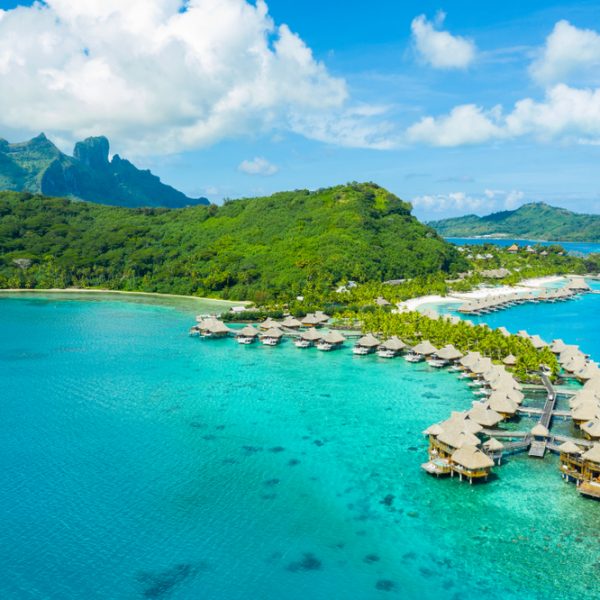
Bora Bora was one of those places I used to save on Pinterest boards called “Someday.” You know the ones — the unreal turquoise water, the overwater bungalows suspended above a lagoon so blue it almost looks edited, the dramatic green peak rising from the center of the island like something out of a movie. For years, it felt too perfect, too far, too expensive, too everything. And then one day I decided that “someday” needed a date.
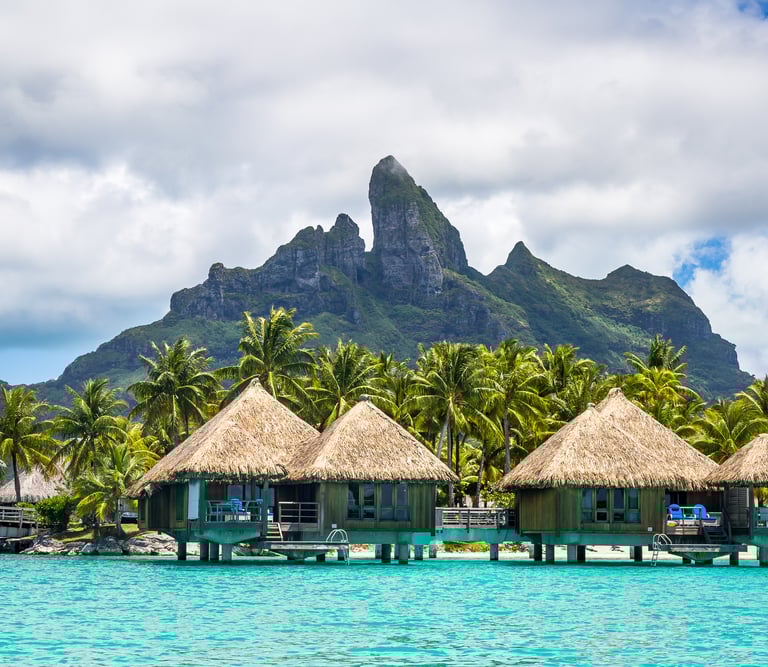
The first glimpse of Bora Bora from the airplane window is something I will never forget. After a long journey across the world — the kind where you lose track of time zones and forget what day it is — the aircraft began its descent over French Polynesia. Below me, the Pacific shifted from deep navy to impossible shades of turquoise, aquamarine, and jade. A coral reef encircled the island like a delicate necklace, protecting a calm lagoon inside. And there it was: Mount Otemanu, the jagged remains of an ancient volcano, rising dramatically from the heart of the island. I actually felt my eyes fill with tears. Some places are beautiful. Bora Bora is emotional.
Let’s talk honestly for a moment. Bora Bora has a reputation for being a honeymoon destination, and yes, there are couples everywhere — holding hands at sunset, clinking champagne glasses over candlelit dinners, taking photos on private decks. But I went as a woman traveling not just for romance, but for experience. For wonder. For that deep, quiet joy of being somewhere that feels completely different from everyday life. And Bora Bora delivered that in every possible way.
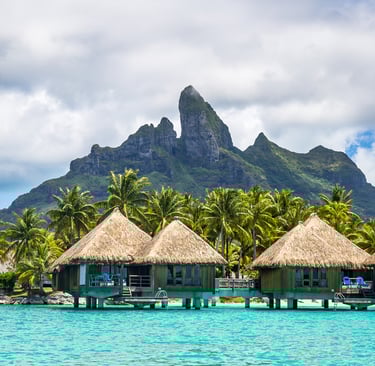
The lagoon is the star of the show. I had seen photos of Matira Beach before arriving — often called one of the most beautiful beaches in the world — but nothing prepares you for standing there barefoot. The sand is powder-soft and almost blindingly white under the sun. The water is so clear you can see tiny fish darting around your ankles. And the color? It shifts throughout the day, from pale crystal in the morning light to glowing turquoise at noon, then deeper sapphire as the sun lowers. I spent an entire afternoon there doing absolutely nothing, and it was one of the most luxurious feelings I’ve ever experienced. No schedule. No notifications. Just the rhythm of gentle waves and the warmth of the sun on my skin.
But Bora Bora isn’t just about lying on the beach looking pretty (although it does that very well). One of my favorite days was spent snorkeling in the lagoon. The Bora Bora Lagoonarium is a wonderful introduction to the underwater world if you’re new to snorkeling, but even just heading out with a local guide into Coral Gardens felt like stepping into an aquarium. Schools of neon-colored fish moved in synchronized waves. Parrotfish nibbled at coral. Giant clams shimmered in shades of electric blue and purple. I had snorkeled in many places before, but here the visibility was extraordinary — often 30 meters or more — and the water temperature hovered comfortably around 26–29°C year-round. It felt like floating in silk.
And then there were the manta rays. I remember gripping the edge of the boat, half nervous, half exhilarated, as our guide pointed into the water. Suddenly, enormous, graceful shapes glided beneath us — giant manta rays, wings spanning several meters, moving with such elegance it almost felt spiritual. Sliding into the water beside them was a moment of pure awe. They are curious but calm, powerful yet gentle. Time slowed. I forgot about everything except the sound of my own breathing through the snorkel and the shadow of these magnificent creatures passing below me.
For those who crave a little adrenaline, Bora Bora has that too. One morning I joined a 4x4 jeep tour that wound its way up into the island’s interior. The roads became rough and red with volcanic soil, and as we climbed higher, the views became almost surreal. From certain viewpoints, you can see the entire lagoon stretching in every direction, dotted with tiny motu (small islets) and overwater villas that look like they’re floating. Mount Otemanu towers above, dramatic and lush. It’s not a hike for beginners if you attempt the full climb, but even exploring the slopes or heading up Mount Pahia rewards you with panoramas that stay with you long after you leave.
In the afternoons, when the sun softened slightly, I loved wandering around Vaitape, the island’s main town. It’s not large or flashy — Bora Bora isn’t about big city energy — but there’s something charming about browsing small souvenir shops, chatting with locals, and admiring black pearl jewelry in boutique windows. Tahitian black pearls are famous worldwide, cultivated in the lagoons of French Polynesia, and seeing their iridescent hues up close — green, peacock, silver — is mesmerizing. Even if you’re not shopping, it’s a lovely way to connect with the island beyond the resorts.
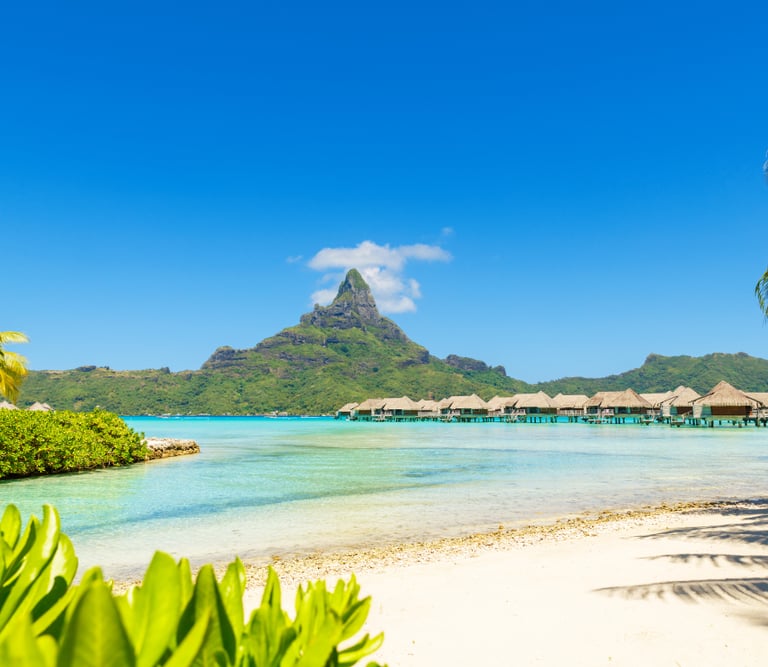
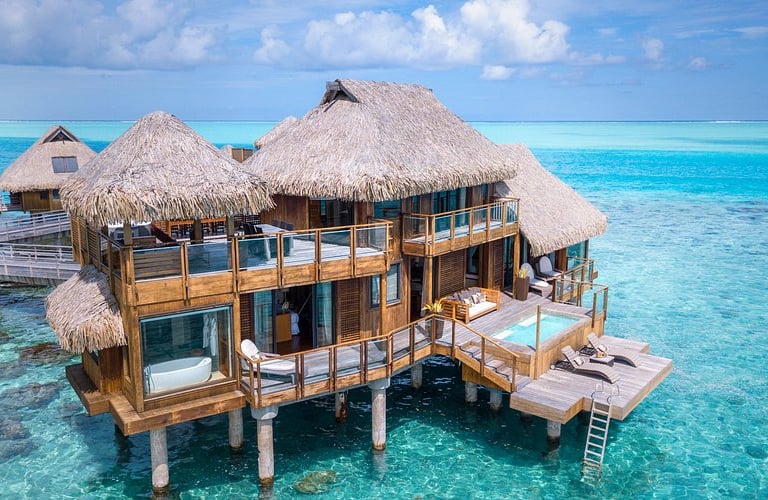
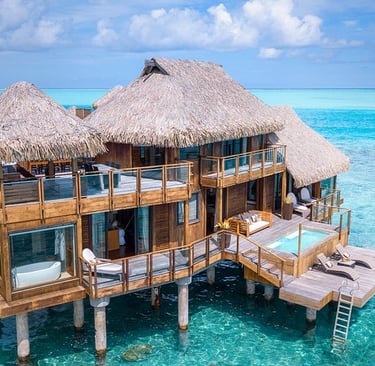
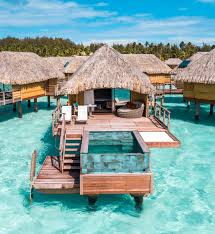
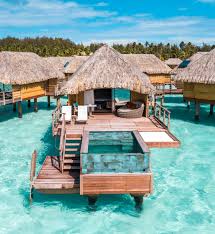
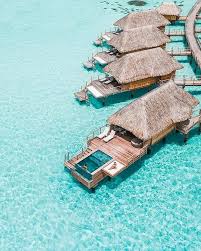
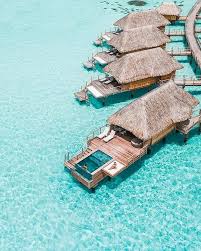
Speaking of resorts, yes, the overwater bungalow experience is iconic. Waking up and sliding open glass doors to step directly into the lagoon feels indulgent in the best possible way. Many bungalows have glass panels in the floor where you can watch fish swim beneath you. At night, lying in bed and hearing the gentle lapping of water below is unbelievably calming. But Bora Bora also offers guesthouses and smaller boutique stays that make the island more accessible. It doesn’t have to be exclusively ultra-luxury — although if you want that, you will absolutely find it.
One evening, I experienced a traditional Polynesian dance performance. The drumming began softly, then built into a heartbeat-like rhythm that vibrated through the air. The dancers moved with astonishing speed and precision, telling stories through movement — stories of the ocean, of ancestors, of love and strength. There’s something deeply feminine and powerful in Polynesian dance. Watching it under the open sky, warm air brushing my shoulders, I felt connected not just to a place but to a culture that honors its history with pride.
Food in Bora Bora surprised me in the best way. French Polynesia blends French culinary influence with fresh island ingredients. That means buttery pastries in the morning and ultra-fresh seafood in the evening. I still think about the raw tuna marinated in coconut milk and lime (poisson cru), served chilled and delicately seasoned. Dining at sunset, toes in the sand, cocktail in hand, watching the sky turn from gold to blush to fiery orange — it’s the kind of cliché you secretly hope is true. And here, it absolutely is.
Practical details matter too, especially if you’re planning a trip. Bora Bora is part of French Polynesia, and most international travelers arrive via Tahiti (Faa’a International Airport), then take a short domestic flight to Bora Bora. The best time to visit is during the dry season, typically May to October, when humidity is lower and rainfall minimal. Temperatures remain warm year-round, generally between 24–30°C. It’s wise to budget realistically — this is not a low-cost destination — but with thoughtful planning, combining different types of accommodation and booking excursions wisely, it becomes more attainable than many people assume.
One of the most magical rituals in Bora Bora is sunset. Every single evening feels like a private show. The sky explodes into shades of coral, apricot, rose, and deep crimson, reflected perfectly in the still lagoon. I found myself slowing down in a way I rarely do at home. No rushing. No multitasking. Just sitting quietly with a tropical cocktail — sometimes local Hinano beer instead — watching the light fade and feeling completely present.
Traveling as a woman, I felt safe and comfortable throughout the island. The pace of life is gentle. The people are warm and welcoming. There’s a strong sense of community, and tourism is handled with a respect for the natural environment that’s essential in such a fragile ecosystem. Of course, as anywhere, it’s important to be mindful — protect coral by using reef-safe sunscreen, respect marine life, support local businesses when possible.