
Breaking Fitness Trends in 2026
1/21/20268 min read
Fitness Trends 2026: What Is the Best Workout for Weight Loss? New Research, Innovations, and Nutrition Insights
Updated January 2026 — The global fitness and wellness industry continues to evolve rapidly, and weight loss remains one of its most searched and discussed topics. However, the conversation in 2026 looks very different from previous years. Rather than extreme workouts or restrictive routines, experts are now emphasizing sustainable fat burning, holistic health benefits, and personalized approaches to movement and nutrition.
So, what is the best workout for weight loss today? According to fitness professionals, health researchers, and industry innovators, the answer lies not in a single method but in a balanced combination of cardio, strength training, recovery, and nutrition, supported by cutting-edge technology and smarter food choices.
This news report explores the latest workout trends, their health benefits, new fitness product innovations, and the most popular recipes supporting sustainable fat loss in 2026.
A Shift in Weight Loss Philosophy
For years, weight loss advice focused almost exclusively on burning as many calories as possible. In 2026, the industry has shifted toward a more science-based and wellness-driven approach.
Fitness experts now agree that:
Sustainable weight loss is about metabolic health, not punishment
Muscle mass plays a critical role in fat burning
Recovery and stress management are essential
Nutrition quality matters as much as calorie count
This shift has influenced how people train, what products they use, and how they fuel their bodies.
The Most Effective Workout Trend: Combination Training
Cardio and Strength Training Together
The strongest trend dominating weight loss workouts in 2026 is combination training — integrating cardiovascular exercise with strength training throughout the week.
Cardio workouts such as walking, cycling, running, and interval training remain popular for their immediate calorie-burning benefits. At the same time, strength training has gained recognition for its ability to:
Increase resting metabolic rate
Preserve lean muscle during weight loss
Improve insulin sensitivity
Support long-term fat reduction
Rather than choosing one over the other, modern fitness programs combine both to maximize results.
Walking Becomes the Most Popular Fat-Burning Exercise
One of the most surprising developments in 2026 is the rise of structured walking programs as a primary weight loss tool.
Fitness professionals now promote walking because it:
Is low-impact and accessible
Can be done daily without burnout
Supports fat oxidation
Improves cardiovascular health
Reduces stress hormones linked to weight gain
New walking trends include interval walking, incline walking, and mindful walking sessions that integrate breathing and posture awareness.
For many people, walking has replaced high-impact cardio as the foundation of their weight loss routine.
Strength Training Takes Center Stage
Slow Strength and Time-Under-Tension Workouts
Another major trend is the rise of slow, controlled strength workouts, often referred to as time-under-tension training. These workouts emphasize:
Controlled movement
Muscle engagement
Lower injury risk
Better mind-muscle connection
This approach has proven especially effective for women, beginners, and individuals seeking weight loss without joint strain.
Bodyweight and Home-Based Strength
Home workouts continue to dominate, with bodyweight training, resistance bands, and compact dumbbells becoming staples. The convenience of home-based strength training has removed one of the biggest barriers to consistency.
Health Benefits Beyond Weight Loss
The modern approach to weight loss workouts is no longer just about appearance. Research and expert consensus highlight multiple health benefits:
Cardiovascular Health
Regular movement improves heart health, lowers blood pressure, and reduces the risk of chronic disease.
Hormonal Balance
Balanced training supports healthy cortisol levels, reducing stress-related weight gain.
Mental Well-Being
Mindful movement, strength training, and moderate cardio improve mood, reduce anxiety, and enhance sleep quality.
Longevity and Mobility
Maintaining muscle mass and joint function supports healthy aging and long-term independence.
These benefits reinforce why extreme approaches are being replaced by sustainable fitness strategies.
Fitness Technology Innovations Supporting Weight Loss
AI-Powered Fitness Apps
Technology has become a central player in modern weight loss routines. In 2026, fitness apps use artificial intelligence to:
Personalize workout intensity
Adjust plans based on recovery and performance
Provide real-time feedback
Improve adherence through smart reminders
These tools help users train smarter rather than harder.
Wearable Devices and Metabolic Tracking
Wearables now track more than steps and heart rate. Advanced devices analyze:
Sleep quality
Recovery readiness
Activity balance
Energy expenditure
This data allows users to fine-tune workouts for optimal fat burning while avoiding overtraining.
New Fitness Products Trending in 2026
Compact Home Gym Equipment
Foldable treadmills, adjustable dumbbells, and multifunctional resistance tools are in high demand, supporting efficient home workouts.
Smart Recovery Tools
Massage guns, mobility tools, and recovery wearables are increasingly used to enhance muscle repair and prevent injury.
Sustainable Fitness Gear
Eco-friendly workout mats, reusable water bottles, and ethically produced activewear align with the growing demand for conscious wellness.
Nutrition Trends Supporting Fat Loss Workouts
Weight loss workouts are only part of the equation. Nutrition trends in 2026 emphasize simplicity, protein intake, and whole foods.
High-Protein, Balanced Eating
Protein remains essential for:
Muscle repair
Satiety
Blood sugar regulation
Metabolic efficiency
Plant-based and animal-based protein options are both popular, with a focus on minimally processed sources.
Popular Weight Loss Recipes in 2026
Here are some of the most trending recipes supporting sustainable fat loss:
Protein-Rich Breakfast Bowl
Greek yogurt or plant-based yogurt topped with berries, seeds, and a drizzle of honey — ideal for morning energy and muscle recovery.
Balanced Power Lunch
Grilled chicken or tofu with quinoa, leafy greens, olive oil, and lemon dressing — nutrient-dense and satisfying.
Anti-Inflammatory Soup
Lentil or vegetable soup with turmeric, ginger, and garlic — supports digestion and recovery.
Smart Post-Workout Smoothie
Protein powder blended with frozen berries, spinach, and almond milk — convenient and effective.
These meals support workouts without extreme calorie restriction.
The Rise of Sustainable Weight Loss Culture
One of the most significant trends in 2026 is the cultural shift around weight loss itself. People are increasingly prioritizing:
Consistency over intensity
Health over appearance
Enjoyment over punishment
This mindset change has led to better long-term results and healthier relationships with exercise and food.
Expert Consensus: What Is the Best Workout for Weight Loss?
According to current industry trends and expert guidance, the best workout for weight loss in 2026 is:
A mix of cardio and strength training
Supported by daily movement
Balanced with recovery and flexibility
Fueled by nutrient-dense, protein-rich meals
Enhanced by smart fitness technology
There is no single solution — only sustainable systems that fit individual lifestyles.
Final Outlook
As fitness trends continue to evolve, one message is clear: sustainable fat burning is no longer about extremes. The most effective weight loss strategies combine movement, recovery, technology, and nutrition into a balanced lifestyle.
For those seeking long-term success, the future of weight loss workouts is not harder — it’s smarter, healthier, and more enjoyable.
The Ultimate Workout Guide for Weight Loss: Build Strength, Burn Fat, and Stay Consistent
Losing weight is one of the most common fitness goals worldwide, yet it is also one of the most misunderstood. Many people search for the perfect workout that will instantly burn fat and deliver fast results. In reality, sustainable weight loss comes from a balanced workout approach, not from extremes or short-term solutions.
The best workout for weight loss supports fat burning, builds muscle, protects your health, and fits into your daily life. This guide explains how workouts truly impact weight loss, which types of exercises work best, and how to create a routine you can maintain long term.
Understanding How Workouts Support Weight Loss
Weight loss happens when the body burns more energy than it consumes. While nutrition plays a major role, exercise accelerates this process by:
Increasing calorie expenditure
Improving metabolic health
Preserving and building lean muscle
Supporting hormonal balance
Reducing stress and emotional eating
However, not all workouts affect the body the same way. Some burn calories quickly, while others improve how efficiently your body burns fat over time.
Cardio Workouts: Burning Calories and Improving Endurance
Cardiovascular exercise remains a key component of weight loss routines because it raises the heart rate and burns calories during the workout.
Popular Cardio Exercises
Brisk walking
Jogging or running
Cycling
Swimming
Jump rope
Dance workouts
Rowing
Benefits of Cardio Training
Burns calories efficiently
Improves heart and lung health
Boosts stamina and endurance
Reduces stress and anxiety
For beginners, even moderate cardio such as walking can significantly support fat loss when done consistently.
The Limitation of Cardio Alone
Relying only on cardio can slow progress over time. As the body adapts, calorie burn decreases, and without strength training, muscle loss may occur. This can lower metabolism and make long-term weight maintenance more difficult.
Strength Training: The Foundation of Sustainable Fat Loss
Strength training is one of the most powerful tools for long-term weight loss.
Why Muscle Matters
Muscle tissue is metabolically active, meaning it burns calories even at rest. The more lean muscle you have, the higher your resting metabolic rate becomes.
Strength training helps:
Increase daily calorie burn
Improve body composition
Maintain muscle during weight loss
Enhance posture and joint stability
Types of Strength Training
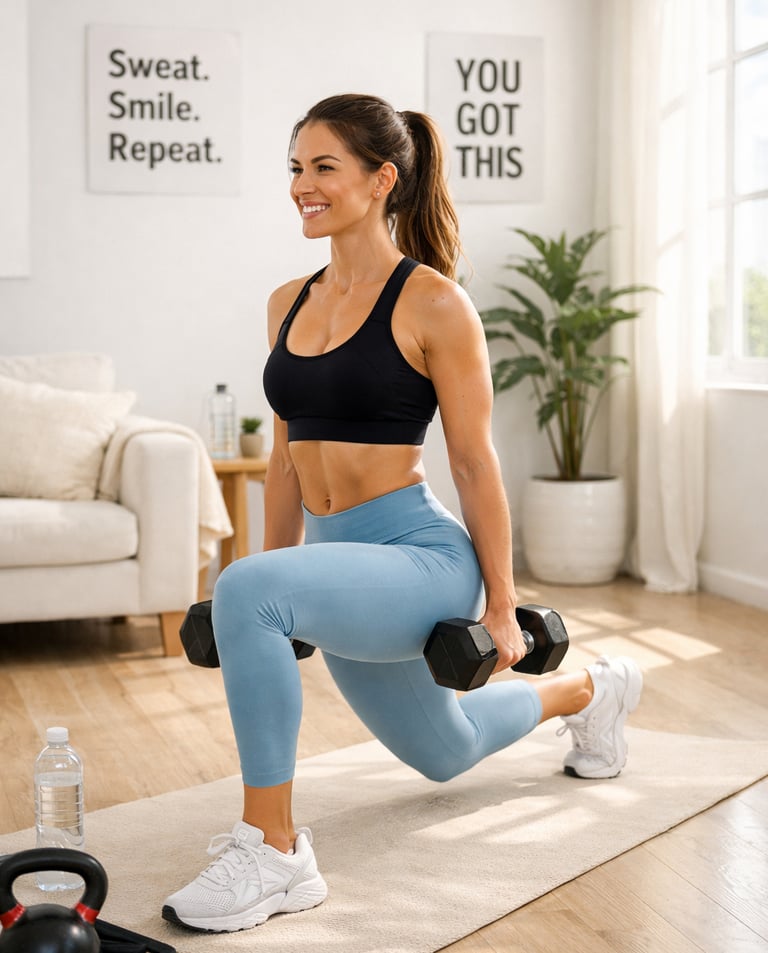
Bodyweight exercises (squats, lunges, push-ups, planks)
Resistance bands
Dumbbells or kettlebells
Functional training
Pilates-style strength workouts
Strength training does not mean lifting heavy weights every day. Controlled, consistent resistance work is enough to stimulate muscle growth and fat loss.
Why Combining Cardio and Strength Works Best
The most effective workout plan for weight loss combines cardio and strength training.
Benefits of a Combined Approach
Cardio burns calories immediately
Strength training boosts metabolism long term
Reduced risk of muscle loss
Better energy levels and recovery
More balanced and enjoyable workouts
This combination supports both short-term fat burning and long-term weight management.
Sample Weekly Workout Plan for Weight Loss
A realistic and sustainable workout schedule may look like this:
Strength Training: 2–3 Days per Week
Focus on full-body or split workouts.
Examples:
Full-body circuit training
Upper and lower body split
Bodyweight strength sessions
Cardio Training: 2–3 Days per Week
Mix moderate and higher-intensity sessions.
Examples:
Brisk walking or cycling
Interval training
Jogging or dance workouts
Daily Movement
Outside of workouts, stay active through:
Walking
Stretching
Light mobility work
Household activity
Daily movement plays a major role in total calorie burn.
The Role of HIIT in Weight Loss
High-Intensity Interval Training (HIIT) has gained popularity for good reason.
What Is HIIT?
HIIT alternates short bursts of intense exercise with brief recovery periods. Workouts are usually short but highly effective.
Benefits of HIIT
Burns many calories in less time
Improves cardiovascular fitness
Boosts metabolism after workouts
Ideal for busy schedules
HIIT should be balanced with lower-intensity workouts to avoid overtraining and burnout.
Low-Impact Workouts for Joint-Friendly Fat Loss
Not everyone enjoys or tolerates high-impact workouts. Low-impact exercises are excellent for weight loss and overall health.
Examples include:
Walking
Cycling
Swimming
Pilates
Yoga
Resistance band workouts
These workouts reduce stress on the joints while still supporting fat burning and muscle strength.
Recovery, Flexibility, and Stress Management
Recovery is often overlooked, but it plays a critical role in weight loss.
Why Recovery Matters
Prevents injury
Supports muscle repair
Regulates stress hormones
Improves sleep quality
Incorporating Recovery Workouts
Stretching sessions
Yoga or mobility work
Light active recovery days
Balanced recovery improves workout consistency and long-term results.
Nutrition and Workouts: A Supportive Relationship
Exercise alone is not enough for weight loss. Nutrition supports workouts by fueling performance and recovery.
Key Nutrition Principles
Prioritize protein for muscle repair
Eat whole, minimally processed foods
Balance carbohydrates and healthy fats
Stay hydrated
Extreme diets often undermine workouts by reducing energy and slowing metabolism.
Popular Meals That Support Workouts
Some simple, effective meal ideas include:
Greek yogurt with berries and seeds
Grilled chicken or tofu with quinoa and vegetables
Smoothies with protein, fruit, and greens
Lentil or vegetable soups
These meals support fat loss without excessive restriction.
Consistency Over Perfection
One of the biggest barriers to weight loss is inconsistency. The best workout plan is the one you can maintain.
Tips for Staying Consistent
Choose workouts you enjoy
Keep sessions realistic in length
Schedule workouts like appointments
Focus on progress, not perfection
Allow flexibility in your routine
Missing a workout is not failure. Giving up completely is.
Making Workouts Enjoyable
Enjoyment increases adherence and long-term success.
Ways to stay motivated:
Try new workout styles
Use fitness apps or programs
Train with a friend
Listen to music or podcasts
Exercise outdoors when possible
When workouts feel rewarding, they become part of your lifestyle.
Final Thoughts: What Is the Best Workout for Weight Loss?
The best workout for weight loss is not extreme, complicated, or punishing. It is balanced, consistent, and sustainable.
A successful routine includes:
Cardio for calorie burning
Strength training for metabolism
Daily movement for overall activity
Recovery for long-term health
Nutrition that fuels performance
Weight loss is a journey, not a race. When workouts support your body instead of exhausting it, fat loss becomes a natural result of healthy living.