

Picture five different women. One is in her late twenties, three months out from stopping birth control, wondering whether she should be doing anything differently at the gym. One is thirty-four, six weeks pregnant, and already an avid runner, unsure whether to keep training the way she always has. One has never really exercised regularly in her life and is now newly pregnant, uncertain where to even begin. One has a four-month-old, hasn’t slept more than four consecutive hours in months, and can’t remember the last time she did anything resembling a workout. And one has a three-year-old, is finally emerging from the fog of early motherhood, and is trying to figure out how fitness fits into a life that looks completely different from the one she had before children.
These five women are, in a very real sense, the same woman at different points along a continuum — a continuum that stretches from before pregnancy, through pregnancy itself, through the demanding early postpartum period, and into the years of long-term motherhood that follow. Most fitness advice treats these as entirely separate categories, each with its own guide, its own rules, its own disconnected chapter. But the truth is that the habits, mindset, and relationship with movement built in one phase directly shape what’s possible and sustainable in the next.
This guide takes a different approach: rather than treating pregnancy and postpartum fitness as isolated events, it traces the entire arc — from pre-pregnancy preparation through pregnancy, postpartum recovery, and into the long-term reality of fitness as a mother — with an emphasis on building something durable rather than chasing a series of disconnected, temporary fixes.
Building Healthy Habits Before Pregnancy
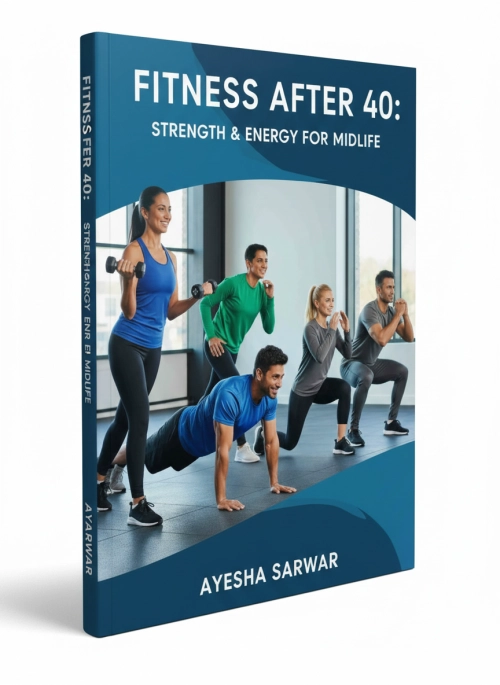
Fitness After 40
E-books
Unlike generic fitness guides, Fitness After 40 is designed specifically for midlife challenges and goals. It’s written in a straightforward, encouraging tone to make fitness achievable for everyone, no gym required.
The period before pregnancy — whether that’s months or years — is genuinely useful groundwork, not because there’s a specific fitness bar to clear before conception, but because habits formed here tend to carry forward. A woman who builds a consistent, moderate strength training and walking routine before pregnancy isn’t just preparing her body physically; she’s establishing a pattern of prioritizing movement that becomes considerably easier to maintain, in modified form, once pregnancy and then parenthood begin adding real constraints.
This period is also a valuable window for addressing things that are harder to address later: building baseline strength in the posterior chain and core, developing pelvic floor awareness, establishing sleep and stress-management habits, and — just as importantly — doing some of the mental work around body image and self-worth that will be tested by the physical changes ahead. None of this requires perfection or an elaborate program. It requires consistency and a genuine intention to build something sustainable rather than something impressive.
Maintaining Movement During Pregnancy
For the woman who becomes pregnant while already active, the central task during pregnancy is adaptation rather than reinvention — modifying an existing routine as the body changes, trimester by trimester, rather than abandoning it or dramatically overhauling it. For the woman who becomes pregnant with little exercise history, pregnancy can be a reasonable time to begin a gentle, appropriate movement routine, provided she starts conservatively and builds gradually.
In both cases, the throughline is the same: movement during pregnancy serves the pregnancy and the person experiencing it, not an external performance standard. Walking, prenatal yoga, modified strength training, and swimming all offer real, evidence-supported benefits — supporting cardiovascular health, managing gestational weight gain, reducing back pain, and supporting mental health during a period of significant hormonal and physical change — without requiring intensity or achievement in the traditional fitness sense.
Adapting to Physical Changes
Pregnancy asks the body to adapt continuously — expanding blood volume, shifting center of gravity, loosening ligaments, changing breathing mechanics — and fitness during this period works best when it adapts right alongside these changes rather than resisting them. This means letting go, at least temporarily, of certain benchmarks (running pace, weights lifted, class intensity level) that mattered before pregnancy and won’t be relevant again in quite the same way until sometime after recovery. It also means building new skills specific to this phase: pelvic floor coordination, breath work relevant to labor, and simply the practice of listening closely to physical signals rather than pushing through them, which is a genuinely different mode of relating to exercise than many women — particularly those with a strong athletic or achievement-oriented background — are used to.
Preparing for Postpartum Recovery
One of the more overlooked aspects of pregnancy fitness is that some of what happens during pregnancy directly shapes postpartum recovery. Maintaining pelvic floor awareness throughout pregnancy, for instance, tends to support better pelvic floor function and awareness postpartum. Maintaining some baseline strength and cardiovascular fitness through pregnancy (to whatever degree is comfortable and appropriate) tends to leave a somewhat higher floor to rebuild from after birth, compared to a pregnancy where all activity stopped early. And perhaps most importantly, going into the postpartum period with realistic expectations — understanding in advance that recovery takes months, not weeks, and that a “bounce back” mentality isn’t grounded in how bodies actually heal — sets up a considerably healthier postpartum mental experience than discovering these realities for the first time while exhausted, healing, and caring for a newborn.
Returning to Exercise After Birth
The postpartum return to exercise, covered in far more depth elsewhere in this guide series, deserves brief reiteration here because of how central it is to the overall arc: this is not a return to a previous state, but the beginning of rebuilding, starting from gentle movement and pelvic floor and core rehabilitation, and only gradually progressing toward higher-impact or higher-intensity activity as the body’s function — not a calendar date — indicates readiness. Patience here pays dividends well beyond the early postpartum months; women who progress too quickly, particularly with high-impact activity before adequate pelvic floor and core rehabilitation, sometimes develop or worsen issues like pelvic organ prolapse or persistent diastasis recti that could have been avoided with a more gradual approach.
Long-Term Strength and Fitness
Once the acute postpartum recovery period has passed — generally somewhere in the range of several months to a year, depending on the individual — the focus shifts toward building long-term strength and fitness as an ongoing part of life as a mother, rather than a project with an endpoint. This is where the earlier framing of this guide becomes most relevant: fitness at this stage isn’t separate from motherhood, something to squeeze in around it or feel guilty about prioritizing. It’s a component of sustained health and energy that supports the actual, ongoing work of parenting.
Long-term strength training — continuing to build on the foundational strength rebuilt during postpartum recovery — supports bone density (particularly relevant given the temporary bone density changes that can occur during breastfeeding), functional capacity for the physical demands of caring for a growing child, and metabolic health over the years ahead. This doesn’t require an elaborate program; two to three sessions a week of full-body strength training, sustained consistently over years, produces far more meaningful long-term benefit than any short-term intensive program.
Cardiovascular Health
Cardiovascular fitness remains foundational to long-term health, supporting heart health, mood regulation, and the simple stamina required to keep up with an increasingly mobile child. As with strength training, consistency matters more than intensity for long-term benefit — a sustained habit of brisk walking, cycling, or another enjoyed cardio activity, maintained for years, offers more cumulative benefit than sporadic intense efforts followed by long gaps.
Mobility
Mobility work tends to become increasingly relevant as women age into their thirties and forties while also managing the physical demands of parenting — lifting children, car seats, and strollers; sitting on the floor for play; and the general wear of an active, physically demanding daily life. A consistent mobility practice, even brief, helps offset the cumulative postural strain these demands create and supports continued comfortable movement for years to come.
Pelvic Floor Health
Pelvic floor health deserves ongoing, long-term attention rather than being treated as an issue relevant only in the immediate postpartum period. Pelvic floor function can be affected by subsequent pregnancies, by the cumulative effects of high-impact exercise over years, and by hormonal changes at menopause, which is still decades away for most new mothers but worth knowing about as part of the broader picture of pelvic health across the lifespan. Maintaining pelvic floor awareness and coordination as an ongoing practice — not something addressed only when problems arise — supports continence, core function, and comfort well beyond the postpartum window.
Core Strength
Long-term core strength, built on the foundation of postpartum rehabilitation, supports back health, posture, and functional movement for the demands of parenting a growing child — lifting, carrying, bending, and playing on the floor all place real demands on core stability. As with the earlier postpartum guidance, functional core training (movements that challenge stability during real movement patterns) tends to offer more lasting value than exercises focused purely on visible abdominal definition.
Nutrition and Hydration
Nutrition needs continue to evolve across this entire arc — from the folate-focused preconception window, through the modestly increased caloric needs of pregnancy, through the more substantially increased needs of breastfeeding, and into the long-term nutritional needs of an active parent managing the demands of caring for a family while also caring for her own body. Throughout all of these phases, an emphasis on whole foods, adequate protein, and consistent hydration serves better than restrictive dieting, which tends to be particularly poorly suited to the sustained, high physical and emotional demands of parenting young children.
Sleep and Recovery
Sleep deserves ongoing attention well beyond the newborn phase, since sleep disruption often persists, in varying degrees, through toddlerhood and beyond — night wakings, early risings, and the general lighter sleep many parents experience even when a child is technically sleeping through the night. Recovery from exercise, and from the general physical demands of parenting, depends heavily on sleep quality, which makes protecting sleep wherever possible — even in small ways, like an earlier bedtime or a consistent wind-down routine — a genuinely worthwhile long-term investment.
Stress Management
The chronic, low-grade stress of parenting — financial pressure, relationship adjustment, the mental load of managing a household and children’s needs, career navigation alongside caregiving — is different in character from the acute stress of, say, a work deadline, and benefits from ongoing rather than occasional stress-management practices. Exercise itself is one of the more effective, accessible tools for this, but building additional practices — brief mindfulness or breathing exercises, therapy when needed, protected time for hobbies or social connection outside of parenting — supports sustained wellbeing across years, not just in acute crisis moments.
Mental Wellbeing
Mental health across this entire arc deserves ongoing attention, not just during the commonly discussed postpartum window. Rates of anxiety and depression can fluctuate at various points throughout early parenting — during subsequent pregnancies, during major transitions like returning to work or a child starting school, and simply as an ongoing consequence of chronic sleep deprivation and reduced personal time. Treating mental health as an ongoing priority, with professional support sought whenever needed rather than only during the most visibly difficult periods, supports both individual wellbeing and the broader capacity to parent well.
Body Confidence
Body confidence across the entire arc from pregnancy to long-term motherhood benefits from the same underlying shift: measuring the body’s value by function rather than appearance. A body that can lift a growing toddler, chase them across a playground, get up off the floor without difficulty, and sustain the physical demands of parenting for years is doing something genuinely valuable, regardless of how closely it resembles a pre-pregnancy silhouette. This reframing isn’t always easy, particularly given ongoing cultural pressure around postpartum “bounce back” narratives, but it tends to support both better mental health and more sustainable fitness habits over the years ahead.
Realistic Expectations
Realistic expectations across this entire journey account for a few consistent truths: bodies change permanently in some respects through pregnancy and birth, recovery timelines vary enormously between individuals, fitness routines will need to flex and change repeatedly as family circumstances evolve, and consistency over years matters far more than intensity in any given week. Holding these expectations loosely rather than rigidly tends to produce both better long-term adherence and considerably less frustration along the way.
Fitness for Busy Mothers
Perhaps the single most persistent challenge across the entire arc of motherhood is simply time — or rather, the lack of it. This challenge doesn’t resolve once the newborn phase ends; it evolves, as a mobile toddler who needs constant supervision presents different time constraints than an infant who naps predictably, and a school-age child’s activities and homework present yet another set of demands.
The practical answer to this ongoing challenge is flexibility built into the fitness approach from the start, rather than a rigid program that assumes uninterrupted, predictable free time — an assumption that rarely holds true for parents of young children.
Exercising With Limited Time
Time-efficient exercise approaches become genuinely valuable for busy parents: shorter, higher-intensity strength sessions (20 to 30 minutes) that still provide meaningful training stimulus, exercise “snacking” (brief bouts of movement — a set of squats while waiting for water to boil, a few minutes of stretching during a child’s nap) accumulated throughout the day, and prioritizing the most impactful activities (compound strength movements, brisk walking) over more time-intensive but marginally more effective alternatives. The research on exercise “snacking” and shorter, higher-intensity sessions has grown considerably in recent years, and it broadly supports the idea that meaningful fitness benefits don’t require hour-long, uninterrupted sessions — a genuinely useful finding for parents whose schedules rarely allow for that kind of block of time.
Creating Flexible Routines
A flexible fitness routine for a mother of young children might include a rough weekly target (say, two or three strength sessions and some cardio, in whatever form fits) rather than a rigid schedule tied to specific days and times, since specific plans are more likely to be disrupted by illness, schedule changes, or simple exhaustion in a way that rough weekly targets can absorb more gracefully. It also means having a hierarchy of backup options — a 10-minute home workout for days when the planned gym session isn’t possible, a walk with the stroller when a workout class falls through — so that disruption to the “ideal” plan doesn’t mean abandoning movement altogether.
Home Workouts
Home workouts offer genuine practical advantages for parents: no commute time, no need to coordinate childcare for the workout itself (though supervision of young children during a home workout requires its own planning), and the flexibility to start and stop as needed if a child needs attention mid-session. Bodyweight training, resistance bands, and a modest set of dumbbells or kettlebells can support a genuinely effective strength training program without requiring a large space or expensive equipment, and countless structured home workout programs (many free or low-cost) can provide guidance for parents who prefer not to design their own routines.
Outdoor Movement
Outdoor movement — walking, hiking, cycling — offers a practical advantage unique to parenting: it can often be done with children rather than requiring separate childcare. Stroller walks, family bike rides, and hikes with children (once they’re old enough) allow movement to be integrated into family time rather than competing with it, which can meaningfully improve consistency, since finding separate, dedicated exercise time is often the biggest barrier for busy parents.
Returning to the Gym
For parents who prefer or have access to gym-based training, returning to this environment after having children often requires new logistics — coordinating childcare, adjusting to a gym’s childcare hours if available, or shifting workout timing to align with a partner’s or family member’s availability. Many parents find that gym time, once logistics are sorted out, becomes a valuable protected block of uninterrupted focus that’s harder to find elsewhere in daily life, which can make the logistical effort of arranging it worthwhile.
Strength Training as a Long-Term Habit
Framing strength training as a decades-long habit, rather than a program with a start and end date, changes how setbacks and interruptions are perceived. A few months without consistent training — due to a new baby, an illness, a particularly demanding work period, or simply life getting in the way — isn’t a failure within this longer framing; it’s a normal fluctuation within a much longer arc of building and maintaining strength across a lifetime.
Walking as Everyday Movement
Walking deserves particular emphasis as perhaps the most durable, adaptable form of movement across every phase of this entire journey — before pregnancy, during pregnancy, throughout postpartum recovery, and across the years of parenting that follow. It requires no equipment, can be done with a stroller or alongside a walking or scootering child, scales easily in pace and duration, and provides genuine, well-documented health benefits at every life stage. Building walking into daily routines — walking to pick up a child from school, walking meetings when possible, a family walk after dinner — integrates movement into life in a way that’s considerably more sustainable than movement treated as a separate, competing obligation.
Avoiding All-or-Nothing Thinking
All-or-nothing thinking — the belief that a workout is only “worth it” if it’s a full hour, or that missing planned workouts for a week means the whole effort has failed — is one of the more common obstacles to sustained fitness across the parenting years, precisely because parenting reliably disrupts plans in ways that trigger this kind of thinking. Reframing partial effort as valuable (a 15-minute walk is better than no walk; three workouts in a disrupted week is a success, not a failure relative to a planned five) tends to support considerably better long-term consistency than a rigid, all-or-nothing standard.
Building Consistency Instead of Perfection
Consistency, sustained imperfectly over years, produces better health outcomes than intensity pursued perfectly for short bursts followed by long gaps. This principle applies at every stage of this journey but becomes especially relevant during the parenting years, when perfect consistency is genuinely, structurally difficult to achieve given the unpredictable demands of caring for children. Measuring success by long-term trends (movement most weeks, most months, most years) rather than any single week’s perfect execution supports a healthier, more sustainable relationship with fitness.
Managing Setbacks
Setbacks — illness, injury, a particularly demanding period at work, a new baby, a global disruption, simple burnout — are inevitable across a years-long fitness journey, and how they’re managed matters more than whether they occur. A setback managed with self-compassion and a plan to gradually resume (rather than an all-or-nothing abandonment, or conversely, an attempt to immediately resume at full previous intensity) tends to lead to a faster, more sustainable return to consistent movement.
Maintaining Motivation
Motivation across years of parenting tends to fluctuate considerably, and relying purely on motivation — waiting to feel like exercising before doing it — is a fragile long-term strategy. Building systems that don’t depend entirely on motivation (scheduled sessions, workout buddies or accountability partners, tracking that provides visible evidence of consistency over time, and connecting movement to values beyond appearance, like energy for parenting or long-term health) tends to sustain activity through the inevitable low-motivation periods that arise across years of caregiving.
Creating a Realistic Weekly Wellness Routine
Pulling together the threads of this entire guide, a realistic long-term wellness routine for a mother — adaptable to whatever stage of the pregnancy-to-motherhood arc she’s currently in — might include two to three strength sessions (20 to 45 minutes depending on available time), regular walking integrated into daily life rather than treated as a separate obligation, some form of mobility or stretching practice a few times a week, attention to sleep and nutrition as foundational rather than optional, and at least one dedicated stress-management or mental health practice. This is a flexible template, meant to flex considerably based on current life circumstances, rather than a fixed prescription to be followed rigidly regardless of context.
Making Fitness Fit Into Motherhood Rather Than Competing With Motherhood
The central idea running through this entire guide — and perhaps the most important reframe available to any woman navigating this journey — is that fitness doesn’t need to exist in opposition to motherhood, competing for the same limited time and energy in a zero-sum way. When approached flexibly, fitness can integrate into motherhood: walks that double as family time, strength gained specifically to support the physical demands of caregiving, mental health practices that make a woman a steadier, more present parent, and a body relationship rooted in appreciation for function rather than a pursuit of an unrealistic appearance standard.
This integration doesn’t happen automatically or without effort, and it looks different for every woman, shaped by her specific circumstances, support system, and preferences. But it’s a genuinely achievable goal, and one considerably more sustainable — and considerably kinder — than treating fitness as a separate project to squeeze in around motherhood, or worse, as a debt to be paid off after having children.
Key Takeaways
-
Fitness before, during, and after pregnancy exists on a continuum, and habits built in each phase shape what’s sustainable in the next.
-
Adapting expectations and approach at each stage — rather than clinging to pre-pregnancy benchmarks — supports both safety and long-term consistency.
-
Long-term fitness as a parent benefits from flexibility: shorter sessions, movement integrated into family life, and a hierarchy of backup options for disrupted plans.
-
All-or-nothing thinking is one of the biggest obstacles to sustained fitness during the parenting years; partial, imperfect consistency produces better outcomes than short bursts of intensity followed by long gaps.
-
Measuring fitness by function — strength, energy, capability — rather than appearance supports both better mental health and more sustainable habits.
-
Setbacks are a normal, expected part of a years-long fitness journey and don’t require an all-or-nothing response.
-
The goal is integrating fitness into motherhood, not treating the two as competing priorities.
Frequently Asked Questions
How do I find time to exercise as a busy mother? Focus on flexible, time-efficient approaches: shorter strength sessions, movement integrated into family activities like stroller walks, and a hierarchy of backup options for days when a planned workout isn’t possible. Consistency in small amounts matters more than occasional, longer sessions.
Is it normal for my fitness routine to change constantly as my kids grow? Yes, entirely normal. A fitness routine that worked during the newborn phase will likely need to change as a child becomes mobile, starts school, or as family circumstances shift. Building flexibility into your approach from the start makes these transitions easier to navigate.
How do I stay motivated for fitness across years of parenting? Relying on external systems — scheduling, accountability partners, tracking progress, and connecting movement to values like energy and long-term health rather than appearance — tends to sustain activity better than motivation alone, which naturally fluctuates.
Should I feel guilty about prioritizing exercise time as a mother? No. Movement supports physical health, mental wellbeing, and the energy needed to parent effectively, which benefits both you and your family. Reframing exercise as something that supports your capacity to parent, rather than time taken away from it, can help address this guilt.
What if I have a setback and stop exercising for a while? Setbacks are a normal part of a long-term fitness journey, especially while raising children. A gradual, self-compassionate return to movement tends to work better than either abandoning the effort entirely or trying to immediately resume at a previous intensity level.
Final Thoughts
The journey from pregnancy to motherhood asks a body — and a mind — to adapt continuously, across years, through changes that are sometimes dramatic and sometimes subtle. Fitness across this entire arc works best when it’s approached the same way: adaptable, patient, and rooted in something more durable than appearance or achievement. Strength, energy, mobility, mental clarity, and the physical capacity to meet the demands of caregiving — these are the outcomes worth building toward, sustained not through any single perfect program, but through years of imperfect, consistent effort. That’s not a lesser goal than the “bounce back” narrative so often sold to new mothers. It’s a considerably more honest, more sustainable, and ultimately more meaningful one.