I used to think that creating content as a trainer meant constantly coming up with clever hooks, trendy dances, or perfectly polished before-and-after photos. I believed I had to be loud to be visible. But the longer I’ve been in the fitness industry, the more I’ve realized that content that truly converts—the kind that turns followers into clients and clients into loyal community members—doesn’t come from chasing trends. It comes from lived experience, clarity, and consistency.
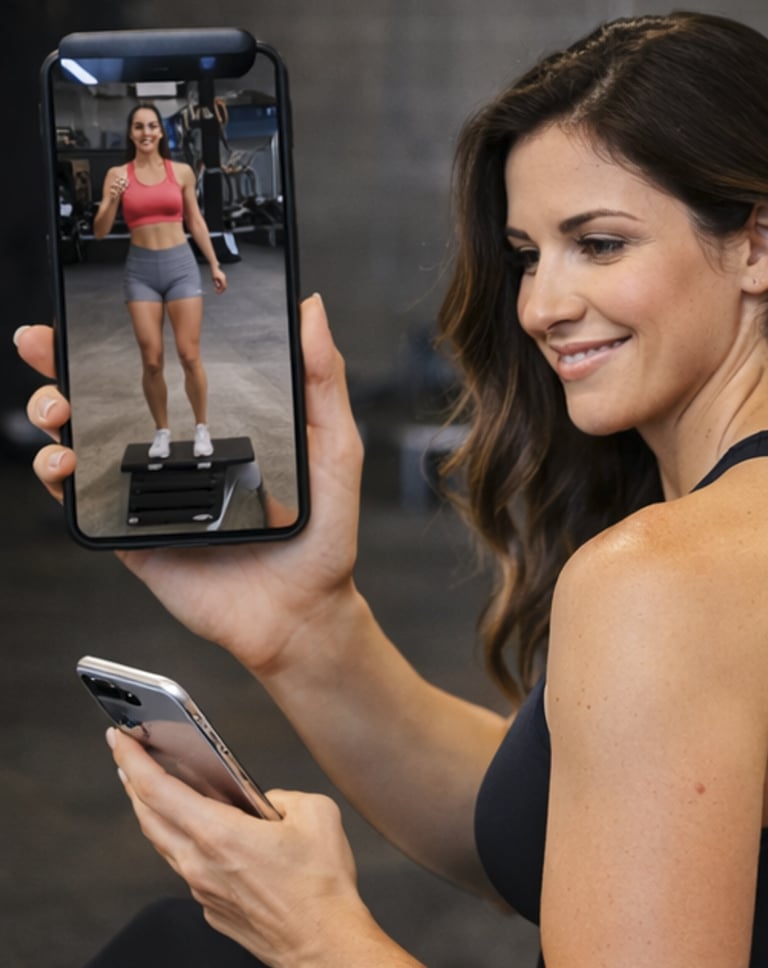
When I first started posting regularly, I felt awkward. I knew how to coach someone through a heavy lift. I knew how to adjust macros for a plateau. I knew how to explain progressive overload in a way that clicked. But translating that into scroll-stopping content? That felt like a completely different skill set. I remember filming a “what I eat in a day” video in my kitchen, propping my phone against a fruit bowl, hoping the lighting would be decent enough. It wasn’t glamorous. But it was real. And surprisingly, that realness resonated more than any polished graphic ever had.
Over time, I learned that workout content converts best when it showcases both knowledge and personality. Not in a show-off way, but in a grounded, confident way. When I started reacting to viral fitness trends—especially the ones that made bold promises—I noticed a shift. Instead of just rolling my eyes privately at questionable advice, I’d explain calmly why something might work, for whom it might work, and where it could go wrong. I’d talk about biomechanics, about recovery capacity, about context. I didn’t mock. I didn’t shame. I simply educated. And that built trust faster than any transformation photo ever could.
Trust is everything in this industry. Women don’t just hire a trainer because she looks fit. They hire her because they believe she understands their bodies, their schedules, their struggles. So when I share my warm-up routine before a heavy lower-body session, I’m not just showing exercises. I’m explaining why activation matters, how warming up increases blood flow to the muscles, improves joint mobility, and reduces injury risk. I admit that I used to skip warm-ups when I was younger and paid for it with tight hips and an aching lower back. That honesty makes the information land differently. It’s not theory—it’s experience.
There’s something powerful about taking people behind the scenes of your own training week. When I first shared a “week of workouts with me,” I was nervous. What if my program looked too simple? What if people expected more flashy exercises? But what I’ve learned as both a coach and a woman who has trained for years is that consistency beats complexity. My week included compound lifts, progressive overload, structured rest days, and active recovery. Nothing magical. Just smart programming. And explaining why I structured it that way—why I placed heavy lower body sessions on certain days, why I scheduled deloads—helped my audience understand that results are built on structure, not chaos.
Cardio trends are another area where content can either mislead or empower. I’ve compared power walks and ruck marches before, not to create division, but to clarify context. Power walking is accessible, low-impact, and sustainable for many women balancing stress and hormonal fluctuations. Rucking adds load, increases intensity, and can improve muscular endurance, but it’s not automatically superior. When I explain how added external load increases energy expenditure but also recovery demands, women start to see fitness as nuanced rather than black and white. That nuance is what positions you as an expert.
Nutrition content, in my experience, is where the real conversions happen. Not because it’s flashy, but because it addresses the deepest frustrations. Most women I work with don’t struggle with knowing that vegetables are healthy. They struggle with consistency, planning, emotional eating, and unrealistic expectations. When I show how I build meal plans around protein targets, fiber intake, and calorie needs, I’m not just listing foods. I’m explaining the reasoning. Protein supports muscle repair and satiety. Fiber helps regulate digestion and blood sugar. Calorie balance determines fat loss or gain. When you break these concepts down in human language, they become actionable instead of overwhelming.
Sharing grocery hauls based on structured meal plans has been surprisingly impactful. I’ll walk through my cart and explain why I chose certain staples—Greek yogurt for high-protein breakfasts, frozen berries for convenience, lean cuts of meat for efficiency, whole grains for sustained energy. I talk about budget considerations. I talk about time. I talk about how not every meal needs to be aesthetic to be effective. That relatability builds connection. Women see that healthy eating doesn’t require exotic ingredients or hours in the kitchen.
When I share what I eat in a day, I’m careful to frame it responsibly. I always explain that my intake reflects my body size, activity level, and goals. I include macros not to encourage obsession, but to educate. I explain how protein supports muscle retention during a calorie deficit, how carbohydrates fuel performance, and how dietary fats support hormonal health. Precision matters. But tone matters more. I never want a woman to look at my plate and feel inadequate. I want her to feel informed.
Myth-busting has also become one of my favorite forms of content. Do carbs make you fat? No—chronic calorie surplus does. Is protein timing important? It can be beneficial around training, but total daily intake matters more. Should everyone intermittent fast? Not necessarily; for some women, especially those under high stress, extended fasting can elevate cortisol and disrupt hunger cues. When you address these questions calmly, without drama, you become a steady voice in a noisy space.
Behind-the-scenes content has surprised me the most. I used to think people only wanted polished workouts. But when I shared what’s in my gym bag—lifting straps, a water bottle, resistance bands, a simple pre-workout snack—engagement skyrocketed. Not because the items were revolutionary, but because they were tangible. Women could picture themselves preparing for training the same way.
Sharing a day in my life as a trainer was even more revealing. I didn’t glamorize it. I showed early alarms, client sessions, programming blocks, quick meals between appointments, my own training squeezed in before dinner. I talked about exhaustion. I talked about boundaries. I talked about why I protect my recovery as fiercely as I protect my clients’ progress. That authenticity made women realize that discipline doesn’t mean perfection—it means prioritization.
Programming content is another place where depth matters. When I explain how I build workouts—balancing movement patterns, distributing volume, tracking progressive overload, adjusting based on feedback—I’m showing that results are engineered, not random. I talk about how beginners need different stimulus than advanced lifters. I explain why recovery days are programmed intentionally. Precision builds authority.
Morning and evening routines are topics that always spark conversation. I’ve shared how I protect my energy by limiting phone use in the first hour of the day, how I include mobility work before bed to support recovery, how sleep quality directly impacts fat loss and muscle growth through hormonal regulation. But I also admit when my routine falls apart. When I scroll too late. When stress disrupts my schedule. That vulnerability keeps me relatable.
Nothing, however, converts like client wins. And I’ve learned that the most powerful transformations are not always visual. Yes, before-and-after photos can be motivating. But the message that hits deepest is often, “I finally feel strong again,” or “I stopped fearing food.” When I share those emotional milestones—with permission—it shows what coaching truly offers. It’s not just weight loss. It’s empowerment.
Sometimes I share screenshots of small victories: a client hitting her water goal consistently, another completing every workout that week, someone increasing her squat by five kilos. These micro-wins show that progress is built in layers. And when I highlight streaks and habit consistency, I’m reinforcing a key truth: results are the byproduct of repeated actions.
Short-form content has its place too. A quick mobility sequence before bed. A form correction clip. A reminder about neutral spine alignment. These bite-sized pieces keep you visible. But they convert best when they tie back to a bigger philosophy. I’m not just correcting form to nitpick—I’m preventing injury and improving long-term performance.
Sharing my own evolution—my squat from years ago compared to now—was humbling. It showed that even as a trainer, I’m still learning. That growth never stops. And that humility builds trust faster than perfection ever could.
Interactive content changed my relationship with my audience. Polls, Q&As, challenges—they transform passive viewers into participants. When I run a simple hydration challenge, it’s not about water alone. It’s about accountability. When I ask women what their biggest obstacle is, I’m gathering insight that shapes future content. Engagement is not vanity—it’s research.
Teasing new programs has also become more strategic. Instead of hard selling, I invite conversation. I ask if anyone wants early access. I explain who the program is for and who it’s not for. Clarity filters the right clients in and the wrong ones out. That saves energy on both sides.
Looking back, I realize that content that converts is not about posting every day. It’s about posting with intention. It’s about aligning what you share with what you truly believe. It’s about remembering that behind every screen is a woman trying to feel better in her body, not just consume entertainment.
As a woman in this space, I feel a responsibility to keep things accurate but accessible. To blend science with softness. To show strength without glorifying extremes. To talk about muscle growth and menstrual cycles in the same breath. To acknowledge that life stress impacts recovery. To remind women that fitness should enhance their lives, not dominate them.
Content creation used to intimidate me. Now, I see it as an extension of my coaching. It’s simply coaching at scale. It’s sharing what I know, what I’ve learned the hard way, what I continue to refine. It’s inviting women into a space where strength is sustainable, nutrition is balanced, and progress is patient.
You don’t need to be everywhere. You don’t need to follow every trend. But you do need to be clear, consistent, and authentic. When your content reflects your real philosophy, your lived experience, and solid evidence-based principles, it doesn’t just get likes. It builds trust. And trust is what turns followers into clients, and clients into a community that grows with you.