Strength in Control: How Parallettes Transform Your Core and Confidence
3/27/20269 min read
Core Work That Actually Feels Engaging
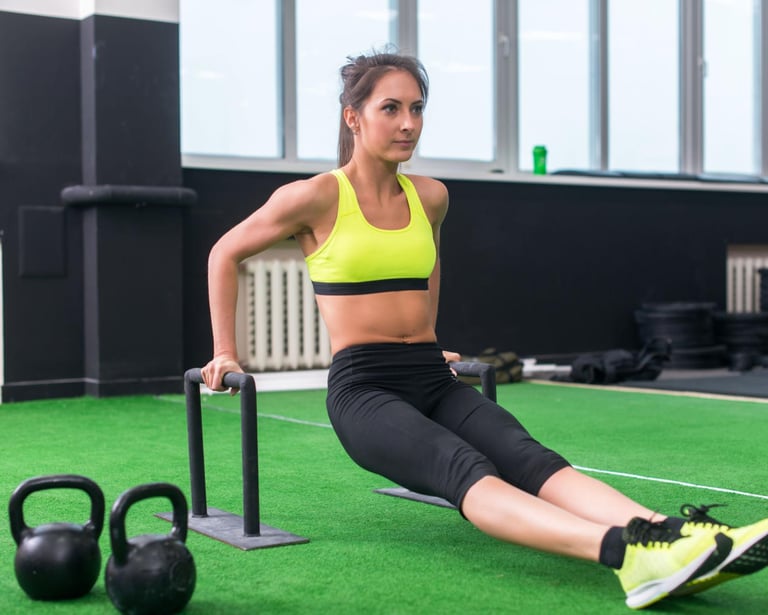
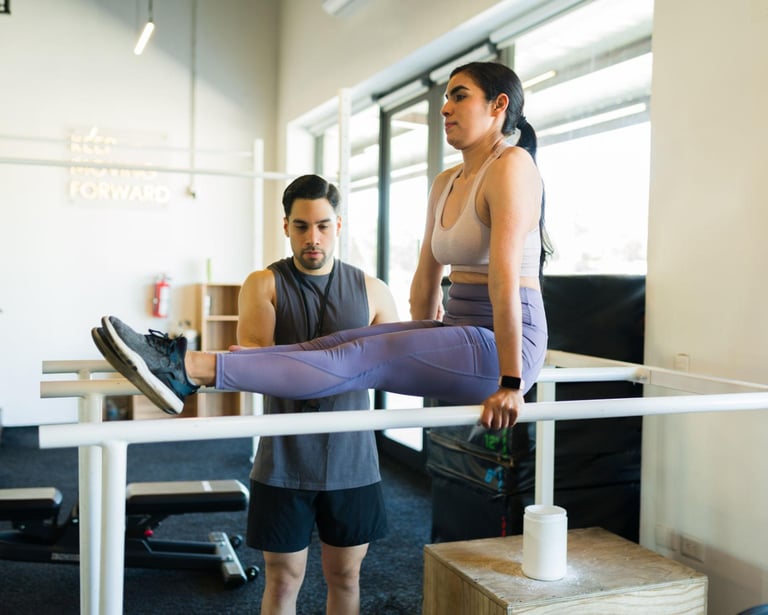
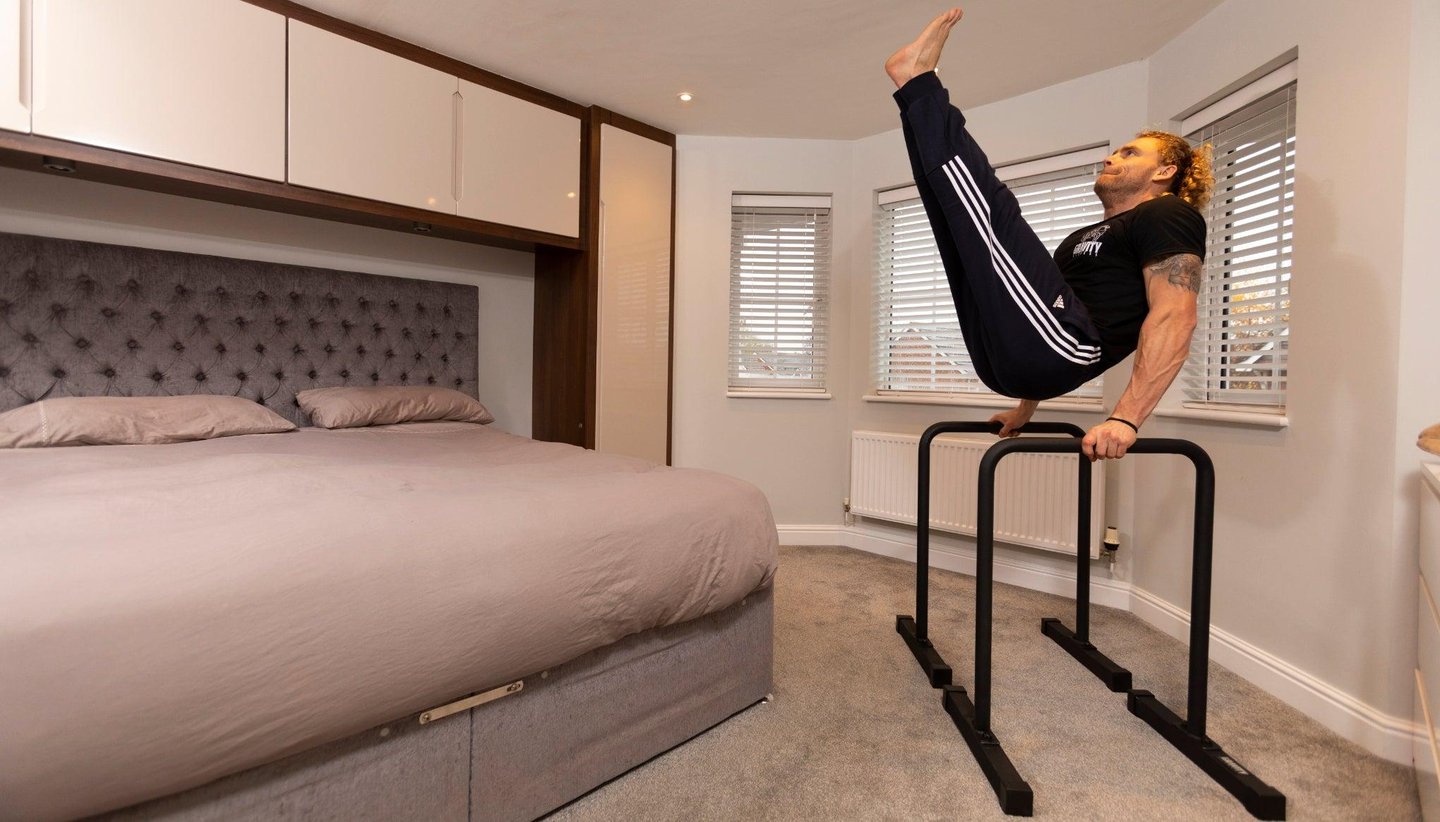
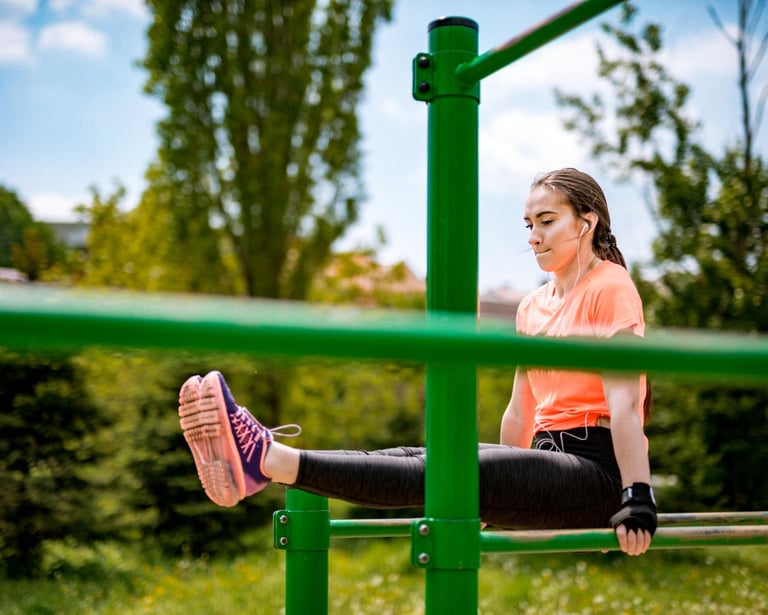
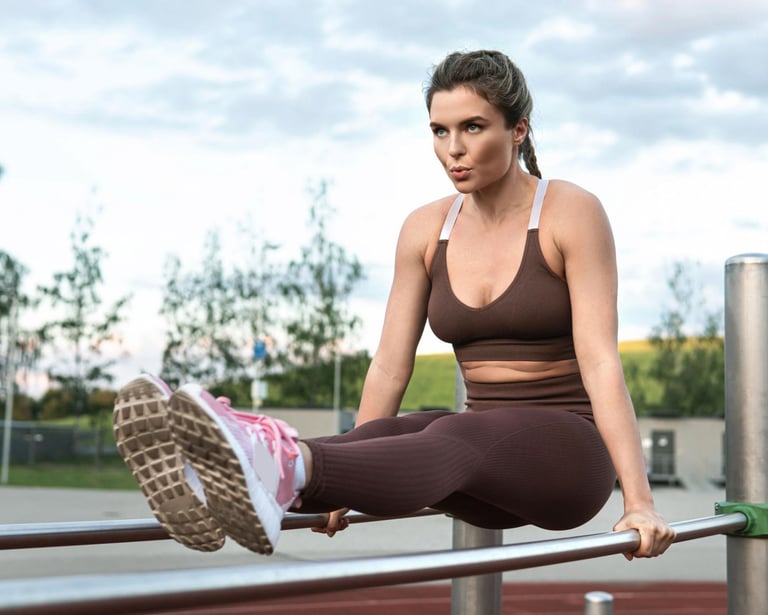
The first time you try an L-sit, it doesn’t feel elegant or strong. It feels… impossible. You press into the bars, engage your arms, try to lift your legs — and nothing happens. Not even a little. And that moment can be discouraging, especially if you thought you already had a “strong core.”
But here’s the truth: this kind of strength is different.
It’s not about how many reps you can do or how long you can hold a plank while watching the clock. It’s about compression, coordination, and control — the kind of deep, connected strength that doesn’t always get trained in traditional workouts.
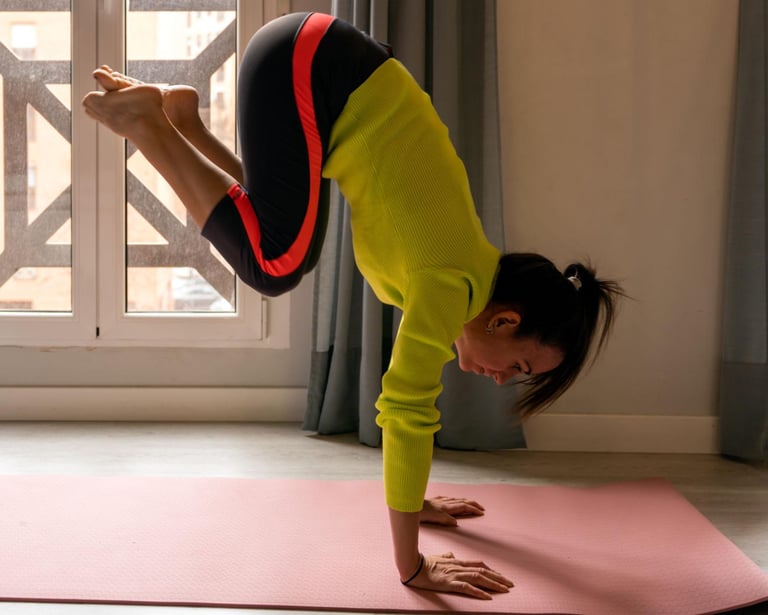
So you start smaller. A tucked position. Knees bent, feet just slightly off the floor. And suddenly, everything turns on. Your core isn’t just “working” — it’s alive. Your hip flexors, your lower abs, your shoulders, your grip… all working together as one system.
And that’s where things begin to shift.
Instead of chasing a certain look, you start chasing a feeling. Stability. Control. Lightness. Strength that feels elegant but powerful at the same time.
At first, progress is subtle. Maybe you hold for a second longer. Maybe your legs feel a bit lighter. Maybe the shaking becomes less intense. These aren’t dramatic transformations — but they are real, and they matter.
Over time, those small wins build something much bigger.You begin to notice changes not just in how you look, but in how you move and carry yourself. Your posture improves. Your movements feel more controlled. You feel stronger in everyday life — not just during workouts.
And maybe most importantly, your mindset shifts.
You become more patient with yourself. You stop rushing through exercises just to “get them done.” You start appreciating the process — the effort, the focus, the small improvements that add up over time.
Because this kind of training isn’t about punishing your body. It’s about understanding it. Working with it. Building strength that supports you, not exhausts you.
Parallettes, in that sense, offer something different for women. They take core training out of the “burn and repeat” cycle and turn it into something more intentional, almost graceful. A skill you develop. A connection you build.
And there’s something incredibly empowering about that.
Because you can’t fake an L-sit. You can’t rush it. You grow into it — step by step, hold by hold.
And when your legs finally lift, even just for a moment, it feels different than finishing a set of crunches. It feels earned. It feels strong. It feels like control.
Not just over the movement — but over your own body.
And that’s a kind of confidence that goes far beyond the workout.
Balance, Fear, and Learning to Trust My Body
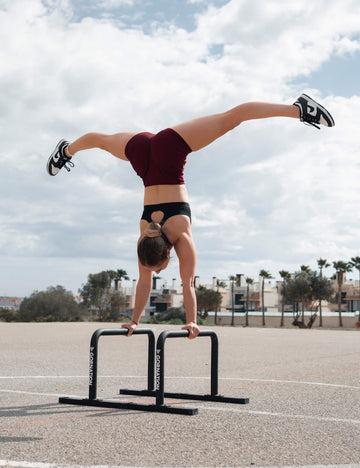
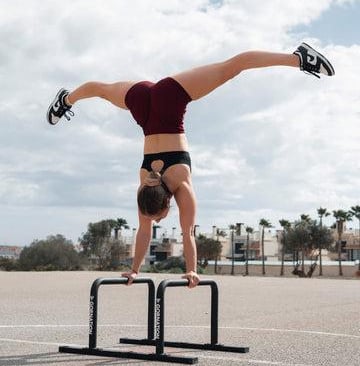
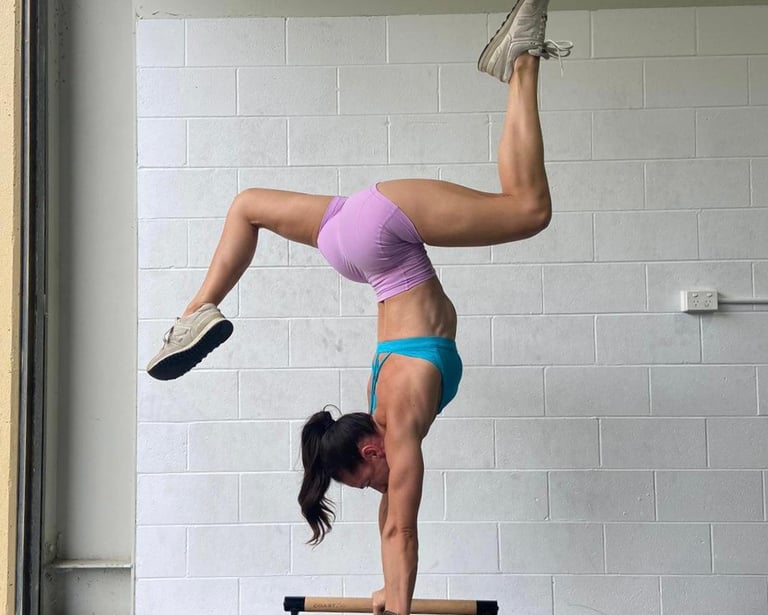
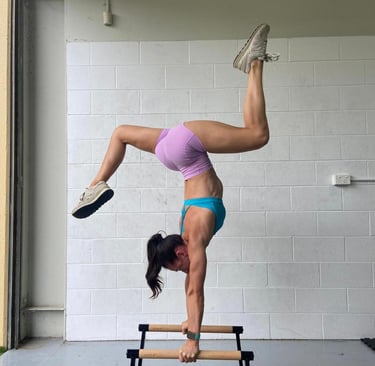
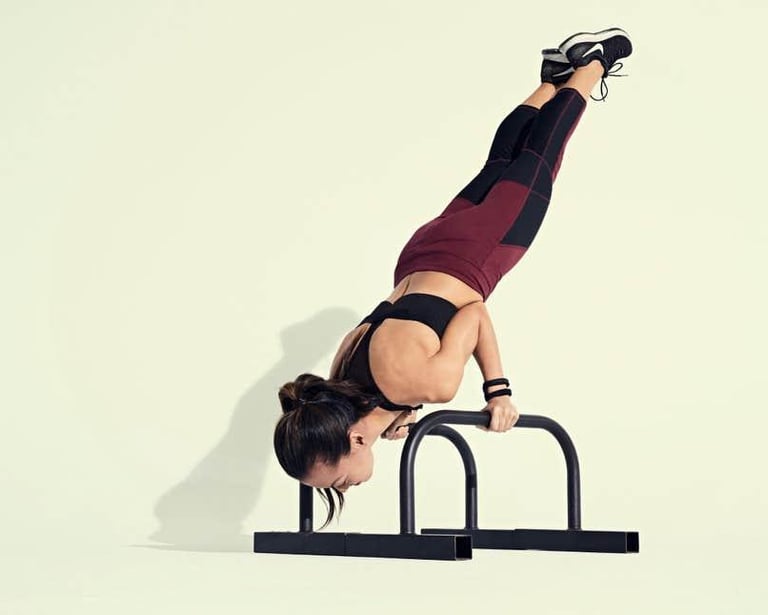
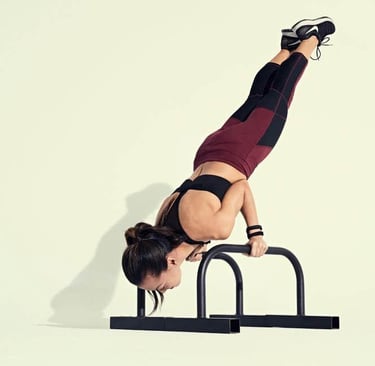
There’s a very particular moment when you’re on the parallettes — whether you’re trying your first tucked hold, experimenting with a little forward lean, or just exploring what your body can do — when something unexpected surfaces: fear. It’s subtle at first, almost like a whisper in the back of your mind. What if I fall?
And sometimes, yes, you do stumble. I certainly did. Legs wobbled, arms shook, chest tightened. That fear is real, and it’s okay. But the beautiful thing about parallettes is that they are low to the ground. They are safe. They are forgiving. They allow you to push your boundaries without feeling like the stakes are too high. That safety creates a unique freedom — the freedom to explore your limits, to experiment, and to discover what your body is capable of without anxiety or hesitation holding you back.
At first, you might notice that little voice in your head constantly asking whether you’re doing it right, whether you’re strong enough, whether you’ll fall. But over time, something shifts. As you practice holding yourself up, as you learn to balance and control each movement, that fear gradually transforms. It doesn’t disappear completely — but it becomes manageable, even motivating. You start to see the potential in your body, in your strength, and in your focus.
And that’s when the training starts to feel different. It’s no longer just about the physical aspect — the muscles, the compression, the endurance. It becomes something deeper. Each time you push yourself a little further, hold a little longer, or balance a little more confidently, you’re not just strengthening your body. You’re strengthening your mind. You’re learning to trust yourself.
There’s a quiet empowerment that comes from realizing: you can hold yourself up. You can control your movements. You can lean forward, lift your legs, and maintain composure even when it feels challenging. And with that realization comes a subtle but profound shift in confidence. It’s not about vanity or aesthetics — it’s about understanding and trusting your own capabilities.
Over time, the exercises that once intimidated you become a space for growth and self-assurance. That initial fear transforms into curiosity, experimentation, and determination. Each attempt — whether successful or not — becomes a lesson in resilience, in patience, and in self-belief.
By the time you look back at where you started, the changes aren’t just physical. Your posture is stronger, your core is more connected, your movements are more precise. But the deeper transformation is internal. You feel steadier, more capable, and more confident — not only on the parallettes but in how you carry yourself in daily life.
That combination of safety and challenge, of fear and control, makes parallettes a uniquely empowering tool, especially for women. It’s an invitation to explore limits without judgment, to embrace discomfort without risk, and to discover strength in a way that feels both tangible and liberating.
It’s more than core strength. It’s confidence you can feel in your body, in your mind, and in your presence — a quiet but unmistakable power that goes far beyond the workout itself.
The Unexpected Benefits I Didn’t Expect
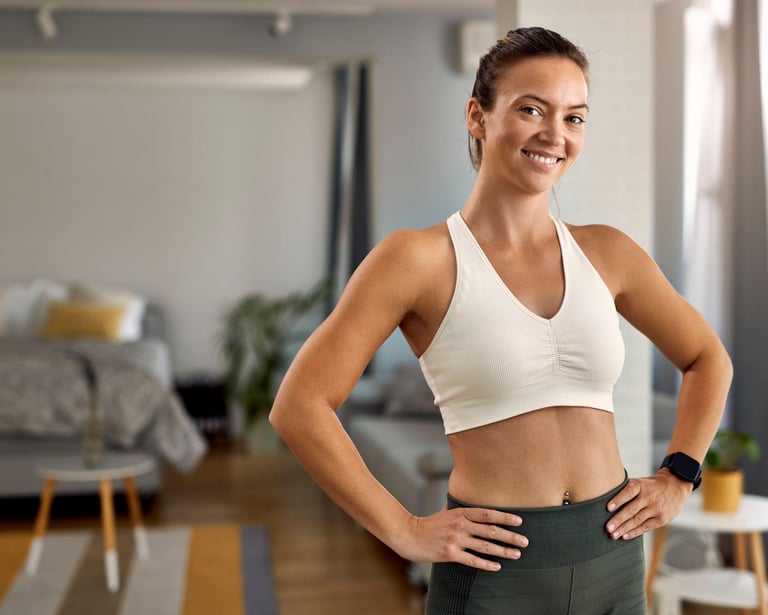
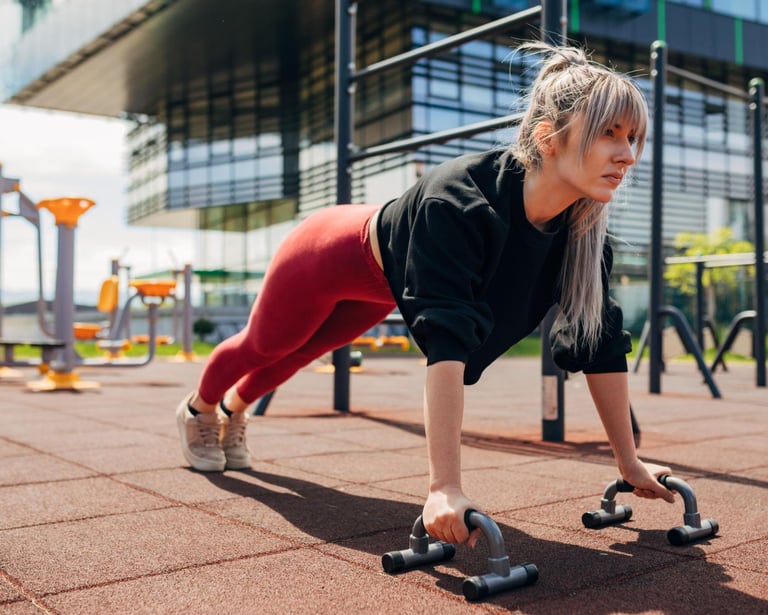
I started using parallettes with a very simple goal in mind: to get stronger. I wanted a stronger core, stronger arms, better control over my body. I expected the usual: challenging exercises, muscle burn, the satisfaction of finishing a set. What I didn’t expect, though, was how profoundly they would change the way I experience training — how they would quietly shift the entire tone of my workouts.
Instead of the familiar chaos of a rushed session — counting reps, checking the clock, hurrying from one exercise to the next — my time on the parallettes became calmer, quieter, and more focused. Every movement demanded attention. I had to slow down, lean into control, and really feel what my body was doing. There was no room to rush because the exercises aren’t about speed; they’re about precision. Even a simple tucked hold or a small balance adjustment required complete awareness, and that awareness changed everything.
I found myself noticing details I had never paid attention to before: how my shoulders stabilized, how my core engaged, how my breath influenced my balance. Each shift, no matter how small, mattered. It wasn’t just about performing the exercise correctly; it was about understanding my body in a new way. Where before I might have counted reps and moved on, now I lingered, exploring tension, alignment, and control.
There’s something almost meditative about it. The rhythmic focus, the connection between mind and body, the slow unfolding of strength — it becomes more than a workout. It becomes a practice in patience, in awareness, in presence. I started to look forward to that time on the bars, not just for the physical challenge, but for the clarity it brought.
And maybe that’s why I keep coming back to them. Because it’s not just about building muscle anymore. It’s about cultivating a deeper connection with my own body. It’s about learning to move with intention, to respect my limits while pushing past them, and to feel the subtle but undeniable progress that comes from consistent, mindful practice.
Each session leaves me a little stronger, a little steadier, and a little more confident — not only in my physical abilities but in the way I approach training, and even life. Parallettes didn’t just strengthen my body; they quietly strengthened my mindset, turning workouts from a checklist into a space for focus, awareness, and growth.
And that, more than anything, keeps me coming back.
If You’re Just Starting — Here’s What I’d Tell You