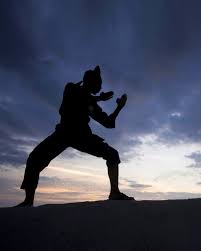
I Tried Pencak Silat in Indonesia – A Cultural Experience I’ll Never Forget
2/9/20266 min read
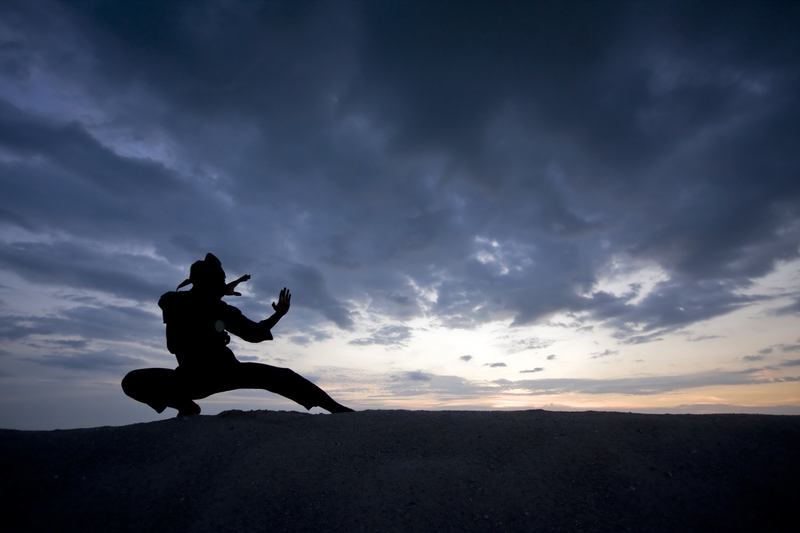
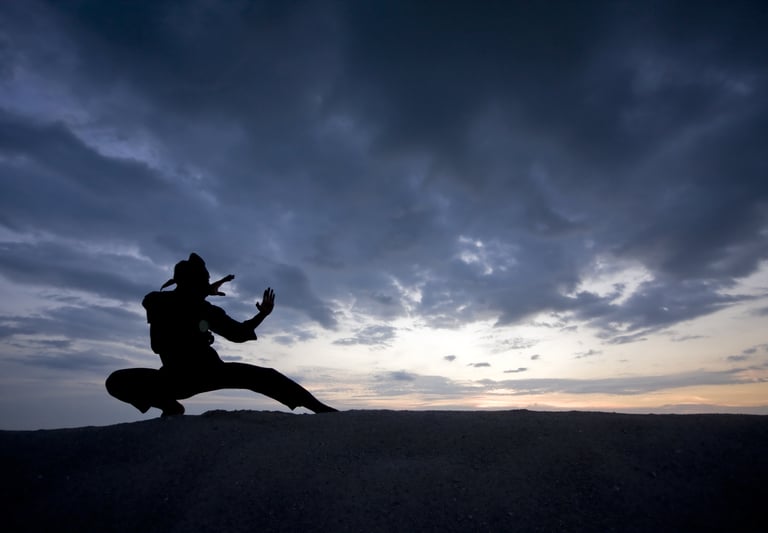
I didn’t expect to sweat this much over culture.
When I imagined learning something traditional in Indonesia, I pictured myself sitting cross-legged in the shade, listening politely, nodding at the right moments, maybe trying on a batik scarf and smiling for photos. I did not picture myself standing barefoot on a wooden floor in a small open-air pavilion, palms damp, heart thudding a little too loudly, while a man with calm eyes and a voice like still water asked me to mirror his stance.
This was my introduction to pencak silat.
Not in a museum. Not in a performance for tourists. But in a quiet village not far from where roosters still act like they run the place, where the air smells like clove cigarettes and damp earth, and where movement is learned the way it has been passed down for generations: by watching, trying, failing, laughing at yourself, and trying again.
Before this trip, I only vaguely knew that pencak silat was an Indonesian martial art. I imagined something dramatic and aggressive, all sharp kicks and fierce expressions. But standing there, awkwardly trying to keep my balance while my instructor moved with the ease of someone who had been born knowing where his body should be in space, I realized how wrong that picture was. Pencak silat is not just about fighting. It’s about awareness. Of your body. Of the space around you. Of the person in front of you. Of the ground beneath your feet.
The word “pencak silat” itself is a small history lesson. “Pencak” is commonly used in Java, Madura, and Bali, while “silat” (or “silek”) is more familiar in Sumatra. What we now call pencak silat is actually an umbrella term, created to unite hundreds of different styles and schools spread across Indonesia’s thousands of islands. The idea of using one official name was part of Indonesia’s effort to define itself after independence, to weave together its enormous diversity into something shared. The Indonesian Pencak Silat Association (IPSI) was founded in 1948, but it wasn’t until 1973 that different schools formally agreed to use “pencak silat” in official contexts. Even now, locals often still use their regional names. And somehow, that feels right. The art is unified, but its roots remain stubbornly local.
The place where I trained was simple. No mirrors. No air-conditioning. Just wooden beams, woven mats, and the open sides of the pavilion letting in the sounds of the village. Chickens argued outside. A motorbike coughed past occasionally. The rhythm of everyday life continued, completely uninterested in the fact that I was about to attempt something that had shaped warriors and kingdoms.
My instructor told me that pencak silat didn’t begin as a sport. It began as survival. Long before kingdoms and borders, people observed animals, the way they defended themselves, the way they moved when threatened. Those movements became techniques. Over time, as communities fought over land and resources, these techniques grew more refined. Power and status became tied to physical skill. Fighters were respected, sometimes feared. Eventually, these movements were systematized into what we now recognize as martial arts traditions.
As he spoke, I tried to imagine the long chain of people who had stood where I stood. Men. Women. Children. Warriors. Farmers. People who learned these movements not for fitness or curiosity, but because their lives might depend on it. The thought made my clumsy attempts at copying his footwork feel strangely significant.
When I finally tried my first sequence of movements, it felt less like learning to fight and more like learning a language my body had forgotten it once knew. The steps were low and grounded. The gestures were precise but fluid. Nothing was rushed. Every movement had intention. Even the pauses felt meaningful, like commas in a sentence. I wobbled. I laughed. My instructor smiled in that patient way people do when they’ve seen hundreds of beginners think they understand, only to realize how much there is to learn.
What surprised me most was how gentle the atmosphere was. There was no macho posturing. No shouting. No pressure to “be tough.” Pencak silat, at least the way I experienced it, wasn’t about proving strength. It was about control. About knowing when not to use force. The movements often mimic animals or elements of nature, and there’s a softness to that idea. Strength that comes from observation, not domination.