For a long time, I wore my lack of sleep like a badge of honor. Late nights, early mornings, half-closed eyes, coffee instead of rest. I told myself it was temporary, that this was just a phase of life, a season of hustle, ambition, and responsibility. I believed that sleep was something flexible, something I could sacrifice now and “catch up on later.” I didn’t see it as a foundation. I saw it as a luxury. I didn’t realize that by cutting my nights short, I was quietly shortening the quality of my days. I thought I was being strong. I thought I was being productive. What I was actually doing was slowly draining myself in ways I couldn’t see yet.
I learned to function on very little sleep. I could get up early, push through workouts, show up for work, and keep moving even when my body felt heavy and my mind felt foggy. I normalized feeling tired. I normalized relying on caffeine to feel awake. I normalized struggling to fall asleep and waking up in the middle of the night with my thoughts racing. I told myself that this was just how adulthood felt. What I didn’t realize was how much I was shortchanging myself in every area of my life. My productivity felt forced instead of fluid. My workouts felt harder than they needed to be. My cravings were louder. My patience was thinner. My mood was more fragile. My energy came in short bursts followed by deep crashes. I thought this was normal, but in reality, it was my body adapting to constant sleep debt.
When I finally started prioritizing my sleep, the changes surprised me. Not in a dramatic, overnight way, but in a quiet, steady way that slowly reshaped my days. I noticed that my focus at work improved. Tasks that used to feel overwhelming became more manageable. My workouts felt stronger and more coordinated, and my muscles recovered faster. I felt less driven by cravings and more connected to real hunger. My energy levels felt more stable instead of spiking and crashing. My mood softened. I was less reactive, less irritable, more emotionally grounded. It was the same life, the same responsibilities, but I was showing up with a nervous system that finally had enough rest to support me.
Sleep is not just rest. It’s a nightly repair process for both the body and the mind. While we sleep, our body moves through different stages that each serve a purpose. Deep sleep supports physical recovery by allowing muscles to repair, tissues to regenerate, and the immune system to strengthen its defenses. During these stages, growth hormone is released, which plays a role in muscle repair and overall physical restoration. At the same time, the brain is busy organizing information, strengthening memories, and clearing out metabolic waste products that accumulate during waking hours. This process, sometimes described as the brain’s “cleaning system,” helps maintain cognitive clarity and long-term brain health. When sleep is consistently cut short, these processes are interrupted, and over time, the effects become visible in both how we feel and how we function.
A well-rested mind is noticeably different from a sleep-deprived one. When I started sleeping better, my concentration improved in subtle but meaningful ways. I could follow conversations more easily. I made fewer careless mistakes. My decision-making felt clearer. I felt less emotionally reactive to small stressors. This isn’t just a personal impression; sleep plays a direct role in how the brain regulates emotions, processes information, and manages stress. When we don’t sleep enough, the areas of the brain responsible for emotional regulation become less effective, which is why small problems can suddenly feel overwhelming and why stress feels heavier than it needs to. Over time, chronic sleep deprivation is associated with increased risk of anxiety and low mood, not because sleep alone causes emotional struggles, but because a tired brain is less equipped to cope with life’s challenges.
Sleep also has a powerful relationship with physical health and the immune system. I used to get sick more often when I was constantly exhausted, and I brushed it off as bad luck. But the immune system depends on sleep to function properly. During sleep, the body produces and releases cytokines and other immune cells that help fight infection and inflammation. When sleep is consistently limited, the immune response becomes weaker, making the body more vulnerable to illness and slower to recover. This doesn’t mean that one short night will make you sick, but long-term sleep deprivation quietly increases the strain on the body’s natural defense systems.
One of the most noticeable changes for me was how sleep affected my relationship with food and my body. When I was tired, my cravings were louder and more urgent. I reached for quick energy, sugary snacks, and anything that promised an instant boost. This wasn’t a lack of discipline; it was hormonal. Sleep plays a role in regulating hormones like ghrelin and leptin, which influence hunger and fullness. When we don’t sleep enough, ghrelin levels tend to increase, making us feel hungrier, while leptin levels decrease, making it harder to feel satisfied. At the same time, sleep deprivation can affect insulin sensitivity, which influences how the body handles glucose and energy. Over time, this combination can make weight management feel harder than it needs to be. Improving my sleep didn’t magically solve everything, but it made my appetite feel more balanced and my relationship with food less chaotic.
Emotionally, sleep became a form of self-respect I hadn’t realized I was missing. When I was chronically tired, I felt more fragile. Small inconveniences felt bigger. My tolerance for stress was lower. I had less emotional space for the people I cared about. When I started sleeping better, I noticed I had more patience, more resilience, and more capacity to respond instead of react. Sleep doesn’t remove life’s challenges, but it changes how resourced you feel when facing them. A rested nervous system has more room to process emotions, recover from stress, and return to balance after difficult moments.
Creating better sleep didn’t happen through one perfect routine. It came from small, consistent changes that signaled safety and rhythm to my body. Going to bed and waking up at roughly the same time helped regulate my internal clock, which made falling asleep feel more natural over time. Creating a simple wind-down routine before bed helped my nervous system shift out of the constant stimulation of the day. Gentle stretching, dimmer lights, quieter moments, and fewer screens gave my brain the message that it was safe to rest. I paid attention to my sleep environment, noticing how light, noise, and temperature affected my ability to relax. These weren’t dramatic changes, but they slowly taught my body that night was a time for restoration, not just collapse from exhaustion.
One of the hardest shifts for me was letting go of the idea that sleep is something you earn after being productive enough. I had to unlearn the belief that rest is only allowed once everything is done. In reality, everything is never fully done. There will always be more to do, more to answer, more to prepare. When sleep is always the thing that gets pushed aside, the cost shows up in how we move through our days. Prioritizing sleep is not laziness. It’s a strategic decision to support every other area of life. When you sleep well, you think more clearly, move more efficiently, recover more effectively, regulate your emotions more easily, and make choices from a place of steadiness instead of depletion.
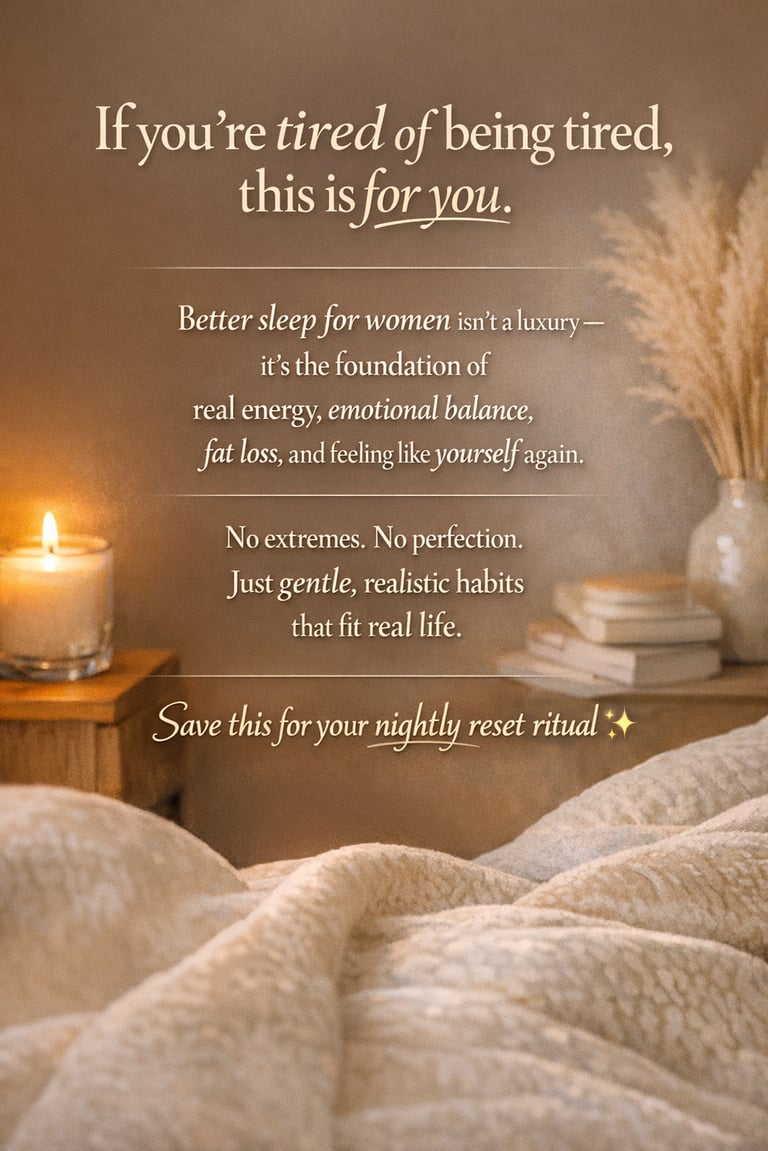
Busy schedules make it tempting to place sleep at the bottom of the priority list, but sleep is not a reward for a successful day. It is the foundation that makes a successful day possible. It supports productivity, physical health, emotional balance, and long-term well-being. When we treat sleep as optional, we quietly accept a lower quality of life as normal. When we treat sleep as essential, we create the conditions for our body and mind to work with us instead of constantly fighting to keep up.
I no longer see sleep as time I lose. I see it as time I invest. Every hour of quality sleep pays me back in clarity, energy, resilience, and presence. I still have busy days. I still have nights that aren’t perfect. But the intention has changed. I no longer believe that sacrificing sleep is the price of success. I believe that protecting my sleep is one of the most practical ways I can protect my health, my mood, and my ability to fully live my life.