
Finding Strength, Balance & Joy in Every Class
2/21/20268 min read
I still remember the first time I walked into a gym and felt that familiar mix of excitement and sheer terror. It was a crisp spring evening, the air just cool enough to make the thought of a long run appealing but not inviting, and I had my new leggings tucked into my gym bag, along with a water bottle I had filled with mint leaves and ice, just to feel fancy, just to feel ready. The parking lot was mostly empty, and I found myself lingering by the door, pretending to check my phone, watching other women walk in confidently, chatting, laughing, and somehow always looking like they belonged more than I did. I told myself I belonged too, that I was here to take care of myself, but inside, I felt like a stranger in someone else’s story.
Signing up for gym classes had seemed so simple the night before. I had scrolled through the schedule online, eyes catching words like Push It, Fight Fusion, Core & Restore, and I had imagined myself moving through the classes with grace, strength, and confidence. But standing there, alone in the quiet of the parking lot, I realized that imagining and doing were very different things. Choosing a class felt like choosing a version of myself — the stronger me, the fitter me, the calmer, more disciplined me — all versions I hadn’t quite met yet.
I finally walked in, and the first thing that hit me wasn’t the smell of rubber mats or the faint scent of disinfectant. It was the energy in the room: women of all ages warming up, stretching, chatting, tying up ponytails, adjusting sports bras, and moving with a sense of purpose that I hadn’t felt in months. No one looked perfect. No one looked intimidating. They looked real. Present. Focused. And in that moment, I realized that this was what I needed — not a space to impress, but a space to become.

I started with a strength training class called Just Peachy. I chose it mostly because the name felt playful and approachable, not because I knew anything about compound lifts or resistance training. The room smelled faintly of sweat and determination, and the instructor guided us gently through squats, lunges, and hip lifts that made muscles I had forgotten existed scream in protest. My legs shook halfway through a set, and I had to pause, my breath catching in my chest. But when I finally set the weights down, I felt something I hadn’t in a long time: capable.
Strength training had always sounded technical to me — words like resistance, progressive overload, and muscle contraction felt intimidating, almost like a foreign language. But in practice, it felt deeply grounding. My body responded honestly to the effort I gave it, and for the first time in months, I felt like my body and I were on the same team. There was no judgment, just movement, repetition, and the quiet thrill of feeling strong in my own skin. Over the next few weeks, I tried Push It, which focused on upper body strength, and Legs Legs Legs, which lived up to its name with explosive lower body workouts. Each class left me sore in the best way — the kind of soreness that reminds you you’re alive, that reminds you that effort has a tangible, physical imprint. I began to notice subtle changes in my posture, the steadiness of my knees, the ease of climbing stairs. Strength, I realized, wasn’t just about how I looked. It was about how I moved through the world.
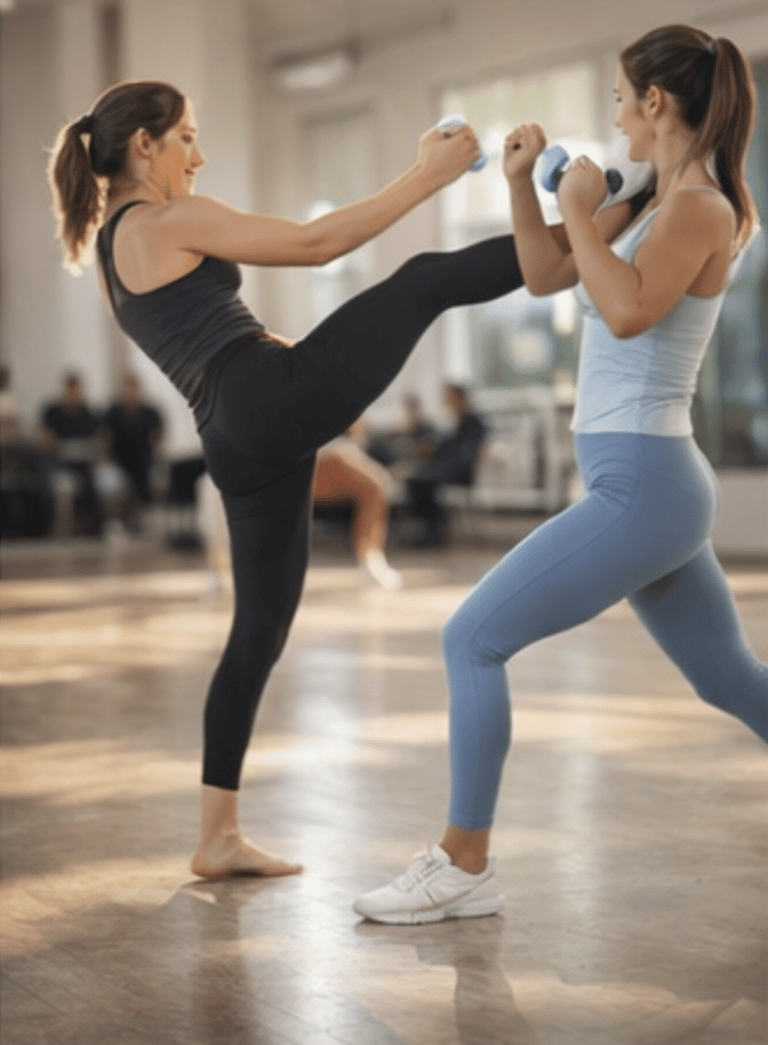
Still, not every day called for intensity. Some days, my mind carried more weight than my body — lingering stress, endless emails, the quiet hum of fatigue that no amount of coffee could erase. On those days, I gravitated toward cardio classes. Total Body Cardio became my first experiment in letting my body take over my mind. Shadow kickboxing, high-intensity intervals, and fast-paced transitions left my lungs burning and my heart racing. My body moved in ways that felt almost instinctual, even when I fumbled the steps. By the end of the class, my shoulders felt lighter, my chest expanded with deep breaths, and my thoughts, if only briefly, slowed. Cardiovascular exercise, I realized, wasn’t just about heart rate or calories. It was a reset, a way to wring out tension I didn’t even know I was holding.
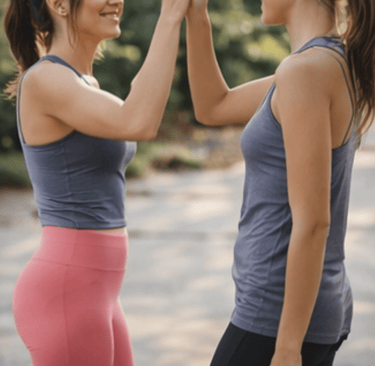
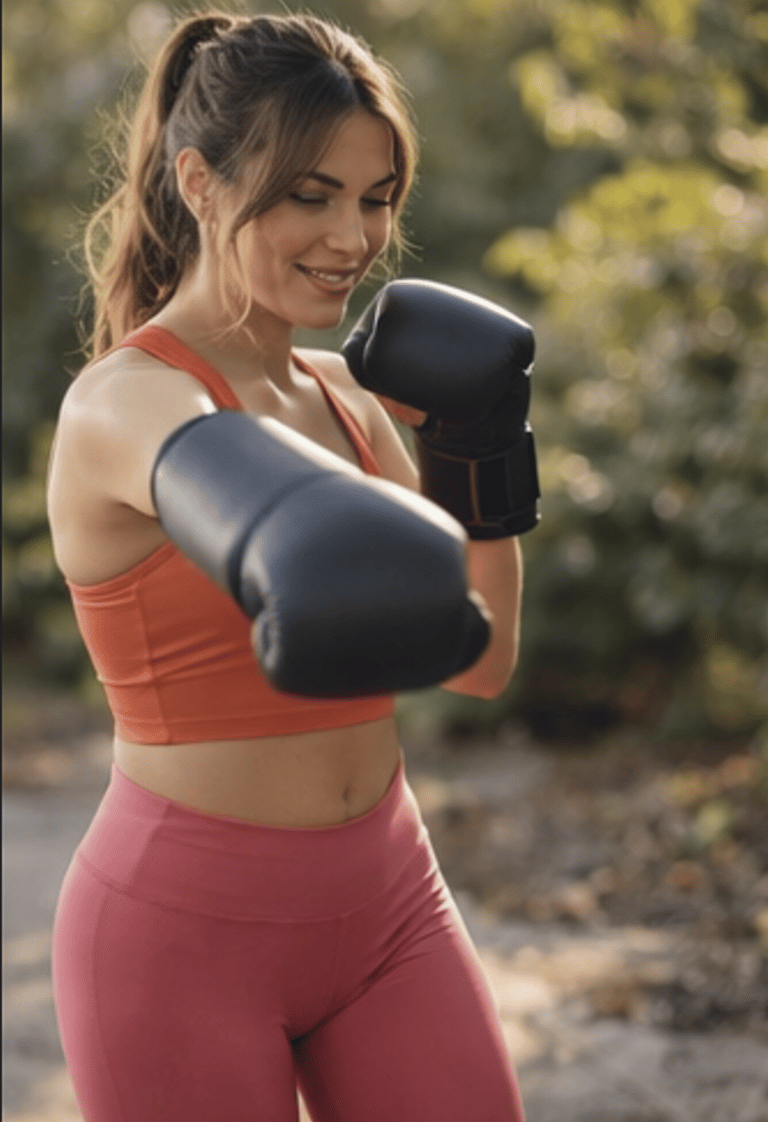
Fight Fusion became a favorite for days when I needed to release frustration. The combination of Muay Thai, Taekwondo, and kickboxing techniques allowed me to channel energy I didn’t know I had, and the repetition of punches and kicks felt almost meditative. I wasn’t fast or perfect at first, but there was something transformative in the act itself — the way effort became rhythm, rhythm became focus, and focus became quiet power. Kick Fit layered onto that confidence, teaching one or two new kicks each week, helping me refine balance and coordination in a way that surprised me. My body learned subtle cues I hadn’t been aware of, and in the process, my self-doubt softened.
Then there was Game On. The first time I tried it, I wondered why I had ever signed up for a class so demanding. High-intensity circuits, plyometrics, functional movement, heavy lifting — it was everything I wasn’t sure I could do. I gasped for breath, shook with exertion, and laughed at how out of shape I felt. And yet, when the final round ended, I felt an unfamiliar thrill. Endurance, I realized, doesn’t come from pushing perfectly. It comes from showing up and persisting, even in moments of discomfort. That class taught me resilience in a visceral, bodily way that no mental pep talk ever could.
Not every workout was about pushing hard. Core & Restore introduced me to a gentler rhythm. The dim lights, soft music, and slow movements welcomed me into a space where stretching, Pilates, and yoga blended seamlessly. I breathed into tight hamstrings, rolled through spinal stretches, and felt my nervous system finally relax. Meditation at the end of class often brought quiet tears — the kind that rise without drama, just a subtle release of tension I didn’t know I was holding. Fitness, I realized, is not always about burning or building. Sometimes it’s about noticing. Slowing down. Listening.
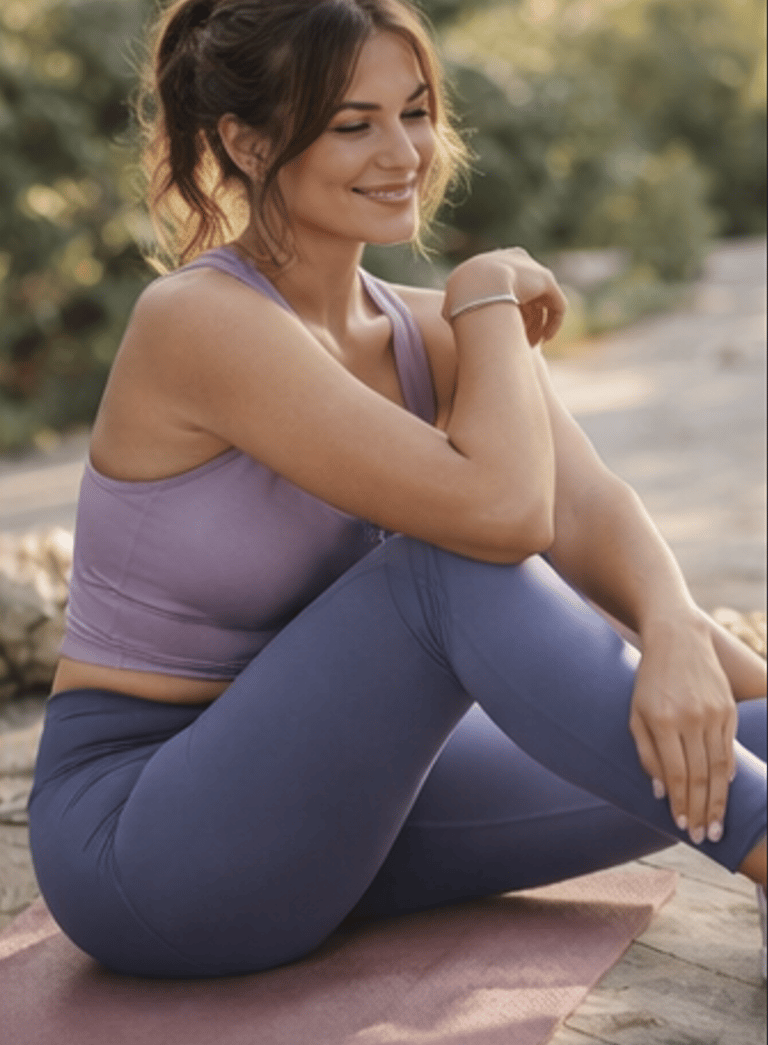
I also explored Taekwondo. Standing on the mat during sparring drills, I felt clumsy and out of my depth at first. But the structured progression from beginner to advanced levels reminded me that growth is not instantaneous. High, dynamic kicks require focus, precision, and patience — and I began to appreciate each small improvement. Every wobbling kick, every perfectly executed punch, every correction from an instructor was a tiny victory. Martial arts didn’t just improve my agility and strength; it reshaped my confidence in how I moved through the world.
Looking back, what struck me the most was how my understanding of goals evolved. At first, I was preoccupied with outcomes: losing weight, building muscle, increasing endurance. I planned schedules, calculated ideal combinations of classes, and stressed over whether I was “doing enough.” Over time, the question changed: How do I want to feel today? Some days, I wanted to feel powerful — strength training answered that. Some days, I wanted to feel light and expansive — cardio did that. Some days, I craved controlled intensity and skill — martial arts delivered. And some days, I just needed stillness — Core & Restore held that space beautifully.
The choice of a class became less about external metrics and more about tuning in to my own needs. The variety of options at Fitness By Maryam — strength, cardio, martial arts, and restorative movement — allowed me to honor the season of life I was in. There were weeks when I focused on muscle growth, weeks when stress release took precedence, weeks when endurance or athleticism mattered most, and weeks when I just needed to breathe. And that flexibility made fitness sustainable, joyful, and deeply personal.
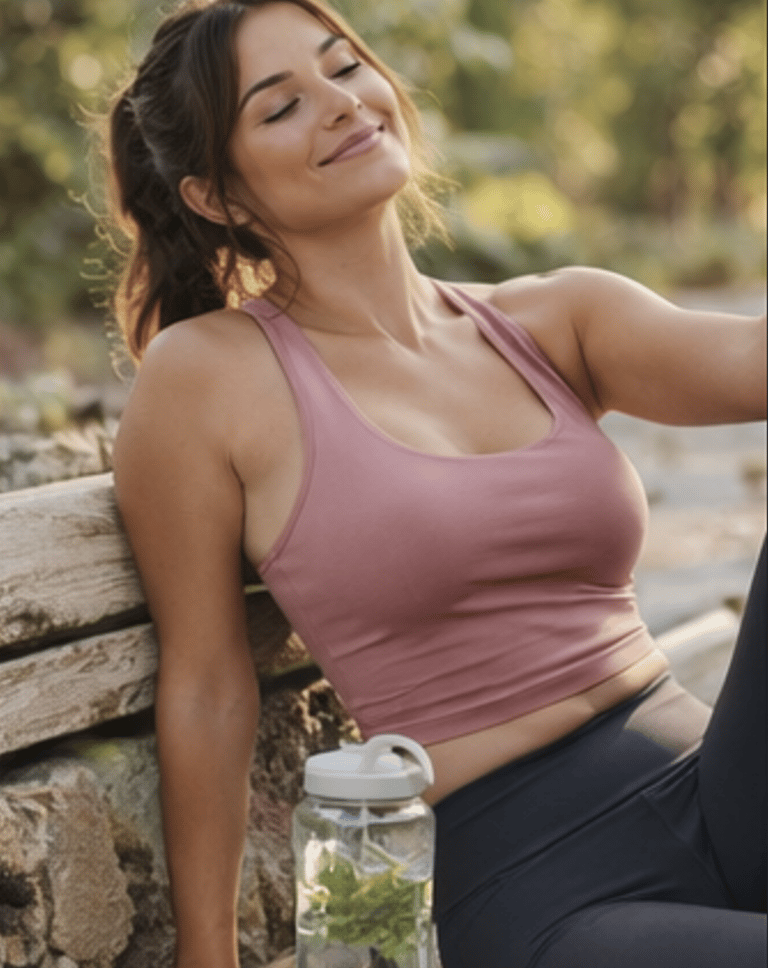
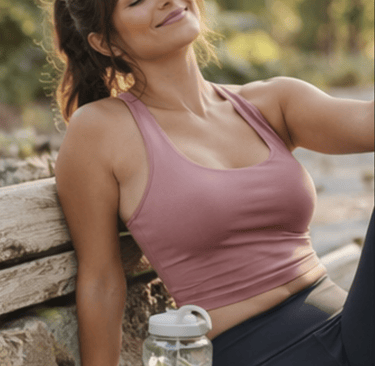
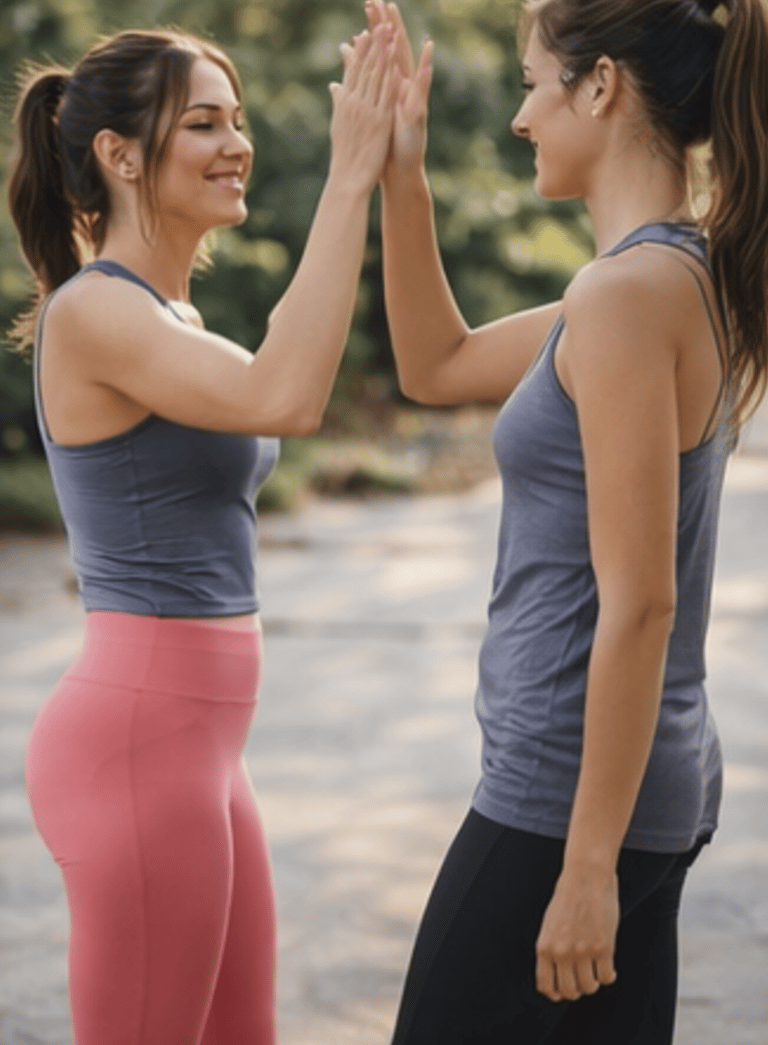
The community aspect of classes added another layer of richness. I watched women of all ages, abilities, and experiences supporting one another, laughing through exhaustion, exchanging tips and encouragement. There was no judgment, only shared effort. On a back-to-back class event, I remember leaving the studio flushed and laughing with strangers who felt like friends, having completed high-intensity circuits followed by strength and core work. That feeling — of doing something hard together — is something I carry with me even on days when I workout alone.
Over time, my relationship with my body shifted. I stopped thinking of fitness as punishment and started seeing it as conversation. Each class became a dialogue: what does my body need? How does my mind feel? What kind of movement will help me feel alive, capable, and present? I learned to read my own signals — when to push, when to rest, when to explore something new. The results weren’t always visible on the scale or in the mirror. They were quieter: confidence in posture, steadiness in movement, a sense of calm in chaos, a trust in my own resilience.
And if you’re wondering where to start, the best advice I can give is this: begin with curiosity, not perfection. Try a strength class one day, a cardio class the next. Step into martial arts, stretch with yoga and Pilates. Pay attention to what your body and heart are asking for today, not what you think you “should” be doing. Be gentle with yourself. Celebrate small wins. Show up even when you’re unsure. Over time, those first shaky steps become something solid, something you can rely on.