
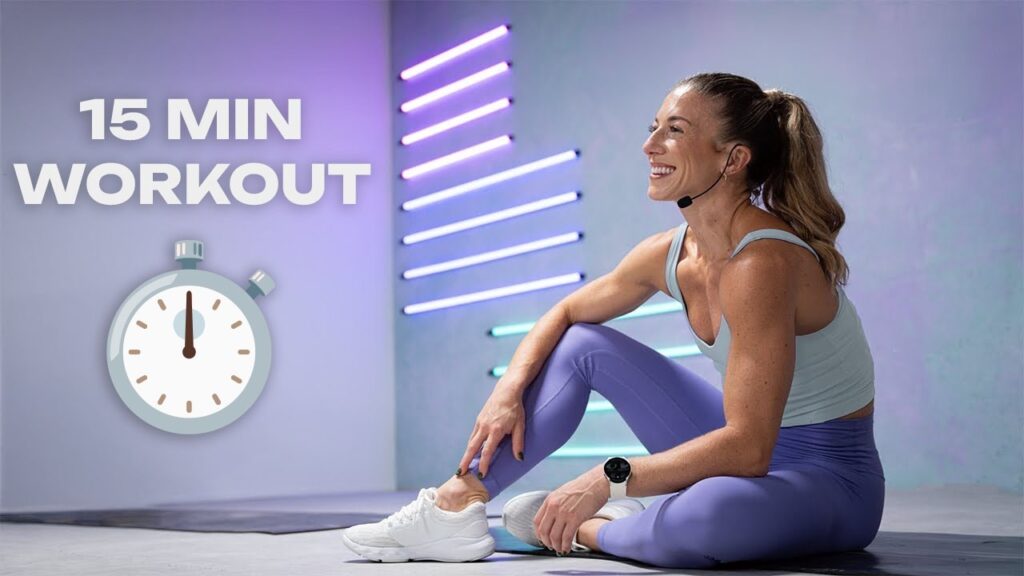
A real, warm, honest conversation about moving your body with grace, confidence, and joy through every week of pregnancy.
There is a particular kind of afternoon I remember vividly from my second month of pregnancy. It was one of those grey, quietly beautiful days when the light through the windows comes in at an angle and makes even ordinary rooms look like something out of a Nordic interiors magazine. I was sitting on the floor of my living room in my favourite oversized linen set — the kind of soft, effortlessly put-together look that 2026 has fully embraced as its signature off-duty aesthetic — and I was staring at my yoga mat like it was a stranger.
I had been a fairly active person before pregnancy. Not aggressively so — I wasn’t the woman tracking every macro and counting kilometres. But I moved. I walked a lot. I did yoga twice a week in a beautiful studio with exposed brick and plants everywhere. I occasionally dragged myself to a Pilates class and emerged feeling quietly smug and pleasantly sore. Movement was woven into my life in a way that felt natural and, honestly, a little sacred.
And then pregnancy arrived, and everything shifted. The nausea hit me fast and stayed. The fatigue was not regular tiredness — it was a heaviness that came from somewhere deep and cellular, the kind of exhaustion that no amount of sleep could fully touch. My body, which had always felt reasonably cooperative, suddenly felt like a foreign country with its own unpredictable weather systems.
I kept waiting to feel ready to exercise again. And in the waiting, weeks slipped by. Then a midwife appointment changed things for me. She asked, very gently and without judgement, whether I was moving my body regularly. I admitted I wasn’t. She leaned forward slightly and said something I have not forgotten: ‘Your body isn’t broken. It’s building. Help it do that.’
That reframe was everything. I went home, unrolled my mat, and started very, very small. What grew from those small beginnings — a fifteen-minute prenatal yoga video on a Tuesday evening, a slow morning walk on a Wednesday — became one of the most meaningful practices of my pregnancy. And it started not in a gym, not with expensive equipment, not with a personal trainer, but in my own home, in my own time, on my own terms.
This guide is what I wish I’d had at the very beginning. It’s for you, wherever you are in your pregnancy — whether you’re six weeks in and barely surviving the nausea, or twenty-six weeks in and finally feeling like yourself again, or thirty-six weeks in and wondering how your body contains this much life. It’s warm and honest and practical, and it is written with deep respect for the extraordinary thing you are doing right now.
~ ✦ ~
First, Let’s Redefine What ‘Workout’ Even Means Right Now
The word ‘workout’ carries a lot of cultural baggage. It tends to conjure images of intensity — sweat and effort and a certain kind of achievement that is measured in calories burned or kilometres run or weights lifted. And I want to gently but firmly set all of that aside for the purposes of this conversation.
During pregnancy, a workout is any intentional movement that supports your body’s wellbeing. That definition is deliberately, necessarily wide. It includes the thirty-minute prenatal yoga session and the ten-minute evening stretch. It includes the slow walk around the block and the gentle strength exercises with light dumbbells. It includes the time you spend sitting on a birthing ball doing hip circles while watching something beautiful on television. All of it counts. All of it is valuable.
This matters because one of the greatest barriers to movement during pregnancy is the all-or-nothing thinking that tells us if we can’t do a ‘real’ workout, we might as well not bother. That thinking is not your friend right now. When you’re growing a person inside your body — when you’re managing fatigue and nausea and back pain and emotional turbulence — the act of moving at all is an achievement. Please receive it as one.
The research on exercise during pregnancy is overwhelmingly positive. Women who maintain regular, moderate physical activity throughout pregnancy tend to experience lower rates of gestational diabetes, reduced incidence of excessive weight gain, better sleep quality, improved mood and reduced anxiety, shorter labour duration, and faster postpartum recovery. These are not minor footnotes. These are significant, meaningful outcomes that can shape your experience of pregnancy and early motherhood considerably.
But beyond the science — which matters, and which I’ll return to throughout this guide — there’s something more personal and harder to quantify. Moving your body during pregnancy keeps you connected to yourself. It’s a thread back to who you are beyond the bump, beyond the nausea, beyond the enormous identity shift of becoming a mother. That thread is precious. This guide is about helping you hold onto it.
~ ✦ ~
Building Your Home Workout Space: The Art of the Intentional Environment
Before we talk about specific exercises, I want to talk about space. Because where you exercise at home matters in ways that go far beyond practicality. The environment you create — or don’t create — has a direct effect on whether you actually show up for your practice consistently.
I am deeply influenced by the quiet luxury aesthetic that has become the defining visual language of 2026, and I think it applies beautifully to a home workout space. Quiet luxury, at its core, is about quality over excess, intention over accumulation, and an attention to detail that elevates the everyday. A home workout space built on these principles doesn’t need to be large or expensive — it needs to feel considered.
Start with a yoga mat. If you’ve been using an old foam mat that’s seen better days, now is a genuinely good time to invest in something better. A quality natural rubber mat in a muted, earthy tone — terracotta, sage, warm taupe — provides better cushioning for joints that are more sensitive during pregnancy, and it looks beautiful. It signals to your brain, every time you see it rolled out, that this space is for you.
Lighting is everything, and I cannot emphasise this enough. Harsh overhead lighting is the enemy of any kind of gentle, intentional movement. If you exercise in the morning, position yourself near a window and let natural light in. If evenings are your time, swap overhead lights for a floor lamp or a set of warm-toned fairy lights that cast that soft, golden glow that photographs beautifully and, more importantly, feels genuinely calming to exercise in.
Scent is the most underrated element of a home workout environment. A diffuser running lavender or eucalyptus, or a candle in a clean, herbal fragrance, does something to the nervous system that is almost immediate. It signals relaxation, intention, care. Several of the boutique wellness brands that have emerged in the 2026 market are making incredibly sophisticated blends specifically designed for movement and mindfulness — look for anything with notes of cedarwood, bergamot, or white tea.
Your clothes matter too. I’m not suggesting you need a wardrobe of designer activewear (though if that brings you joy, absolutely pursue it). What I am saying is that choosing an outfit you actually love to wear for your workout — rather than grabbing whatever is nearest and least uncomfortable — is an act of self-care that has real psychological impact. The maternity activewear landscape in 2026 is genuinely impressive: soft, stretchy, supportive fabrics in the neutral palette that defines the clean girl aesthetic, with thoughtful design features like over-the-bump waistbands and adjustable bra fastenings that accommodate a changing body with grace.
And please: a good playlist. Or a podcast you’ve been saving. Or silence and birdsong through an open window, if that’s your preference. The auditory environment of your practice matters. Create something you actually want to return to.
~ ✦ ~
The First Trimester: When ‘Gentle’ Is the Most Radical Thing You Can Do
The first trimester is, for many women, the hardest period of pregnancy to move through — and yet it’s often the one where the pressure to ‘stay fit’ and ‘keep up your routine’ feels most intense. Social media has a way of making pregnancy look seamless and luminous from the very beginning, all glowing skin and tasteful bumps, when the reality for a huge number of women is nausea, fatigue, anxiety, and a complete disconnect from their usual selves.
If you are in your first trimester and the most movement you have managed today is walking to the kitchen and back, I want you to hear this: that is enough. Your body is working at a cellular level to build the foundations of a new human life. The fatigue you feel is not weakness. It is the cost of an extraordinary biological process. Please be gentle with yourself.
That said — and this is important — if you can move, moving will help. Even when it doesn’t feel like it will. Even when the thought of unrolling your mat makes you want to lie down immediately. Gentle movement in the first trimester has been shown to ease nausea (the link between moderate exercise and reduced morning sickness is well-documented), improve energy levels over time, and support the emotional regulation that is particularly challenging in these hormonally turbulent early weeks.
The Morning Walk: Simple, Sacred, Underestimated
If there is one thing I would advocate for above all else in the first trimester, it is the daily walk. Not a power walk. Not a brisk cardio session. A gentle, unhurried, preferably outdoor walk that lasts somewhere between fifteen and thirty minutes. That’s it. That is a complete workout for many days in the first trimester, and it is enough.
Walking in the fresh air has a particular kind of magic during early pregnancy. The movement eases nausea in a way that indoor stillness often doesn’t — something about the change of scene and the rhythm of walking settles the stomach. The natural light regulates the circadian rhythm, which supports better sleep. The gentle cardiovascular engagement lifts energy. And the simple act of being outside, moving through the world, looking at things that are not the ceiling of your bedroom — it is quietly, profoundly restorative.
Don’t time yourself. Don’t track your steps obsessively. Put on something comfortable — I was living in soft wide-leg joggers and a good quality zip-up hoodie throughout my first trimester, a look that felt elevated enough to be my version of the effortless ‘model off-duty’ aesthetic without requiring any actual effort — and just walk. Let yourself think, or not think. Let the movement be its own reward.
First Trimester Yoga: Breathing Into the Uncertainty
Prenatal yoga in the first trimester looks different from what many people expect. It is slow. It is quiet. It prioritises breathing and body awareness over physical challenge. And that is precisely why it is so valuable in a trimester characterised by upheaval and uncertainty.
The breathing techniques at the heart of prenatal yoga — slow diaphragmatic breathing, extended exhales, ujjayi breath — activate the parasympathetic nervous system in a way that counters the anxiety and overwhelm that are common in early pregnancy. When you breathe deeply and fully, your body receives a physiological signal that it is safe. That signal matters enormously when everything else feels uncertain.
Physically, the poses that serve the first trimester best are the ones that ease tension rather than build it. A wide-legged Child’s Pose with the belly resting between the knees. A slow Cat-Cow sequence that mobilises the spine and begins teaching the body to move with rather than against the changes happening within it. Supported Bridge Pose, using a block beneath the sacrum, which decompress the lower back gently. Legs-up-the-Wall, which eases lower body fluid retention and is deeply calming to the nervous system.
There are some truly beautiful prenatal yoga resources available online — a proliferation of thoughtful, well-designed platforms and creators who specialise specifically in pregnancy movement. Look for instructors with recognised prenatal yoga qualifications, not just general yoga teachers who’ve added a pregnancy disclaimer. The difference in approach and knowledge is significant, and your body deserves specificity right now.
Pelvic Floor Foundations: Begin Now, Thank Yourself Later
I know pelvic floor work is not glamorous. I know it doesn’t have the appeal of a sweaty, satisfying Pilates session or the meditative beauty of a yoga flow. But I want to make a case for it as one of the most important investments you can make in your physical health during pregnancy, and I want to make that case as warmly and compellingly as I can.
The pelvic floor is a group of muscles that forms the base of your pelvis, supporting your bladder, uterus, and bowel. As your pregnancy progresses and your baby grows, the pressure on these muscles increases dramatically. A well-conditioned pelvic floor supports bladder control, reduces the risk of prolapse, contributes to a more comfortable pregnancy in the later stages, and may genuinely support a smoother birth. Post-birth, a pelvic floor you’ve been tending to throughout pregnancy will rehabilitate more effectively.
In the first trimester, pelvic floor work is simple: it’s Kegel exercises, done regularly and correctly. Sit comfortably, or lie on your side. Identify the muscles you’d use to stop the flow of urine (though don’t actually do this while urinating — that’s not good practice). Gently contract those muscles, hold for five seconds, and release fully. Repeat ten times, three times daily.
The word ‘fully’ in that last sentence is crucial. Many women over-contract their pelvic floor without realising it — holding chronic tension in those muscles in response to stress, anxiety, or simply the habit of a fast-paced life. Learning to release the pelvic floor completely is just as important as strengthening it. Think of each release as a softening, a letting go. In a trimester that asks a lot of you emotionally, there is something quietly meaningful about a practice that asks you to consciously release tension.
~ ✦ ~
The Second Trimester: Finding Your Rhythm in the Golden Window
The second trimester has a reputation — deservedly so — as the most manageable stretch of pregnancy. For many women, the first-trimester nausea subsides, the energy returns, the bump is visible but not yet unwieldy, and there’s a sense of having survived the hardest part while also feeling more connected to the baby who is now reliably, regularly moving.
This is the golden window for building a genuine home workout routine. Not because exercise in other trimesters doesn’t matter, but because in the second trimester you’re most likely to have the energy, the physical comfort, and the emotional bandwidth to build habits that will carry you through. The second trimester, roughly spanning weeks thirteen to twenty-six, offers a real opportunity to develop a sustainable, joyful movement practice.
The key word there is sustainable. I am not suggesting you use this window to train intensively or to compensate for the weeks of limited movement in the first trimester. I am suggesting that this is an excellent time to find a rhythm — a weekly cadence of movement that feels natural and nourishing rather than forced and punishing — because that rhythm is what will serve you in the more physically demanding weeks ahead.
Prenatal Pilates at Home: Core Work, Reimagined
Pilates during pregnancy is one of those topics that is worth knowing in some depth, because there’s a fair amount of misinformation around it. The common question is: isn’t Pilates all core work, and isn’t core work dangerous during pregnancy? The answer is nuanced and worth unpacking.
Traditional Pilates core work — the kind that involves crunches, sit-ups, and exercises that require you to bear down or create significant intra-abdominal pressure — is not appropriate during pregnancy. These movements can contribute to diastasis recti, the separation of the abdominal muscles that is both common and often avoidable with mindful exercise choices.
Prenatal Pilates, however, takes a different approach. It focuses on the deep core — particularly the transverse abdominis, which is the deepest abdominal muscle and functions like a natural corset around the trunk. It works the pelvic floor in integration with the rest of the core. It emphasises postural alignment, hip stability, and the kind of controlled, breath-connected movement that supports the body through the physical demands of a growing pregnancy.
At home, without equipment, there is a genuinely excellent range of prenatal Pilates exercises available to you. Some of my favourites from the second trimester: Side-lying leg lifts and circles, which strengthen the outer hips and glutes without any spinal compression. Modified Bird-Dog on hands and knees, which teaches deep core engagement and spinal stability simultaneously. Standing Clamshells with a resistance band above the knees, which target the hip abductors that come under increasing strain as the pelvis widens. Wall push-ups, which maintain upper body strength without any pressure on the bump. And the gentle, modified Roll-Down, which maintains spinal mobility and body awareness throughout the changing centre of gravity.
A good prenatal Pilates session at home lasts twenty to forty-five minutes and leaves you feeling worked but not depleted. If you finish a session and feel exhausted or uncomfortable, you’ve done too much. If you finish feeling strong, centred, and pleasantly fatigued in the right muscle groups, you’ve found your level.
Resistance Training for the Expecting Woman: Gentle Strength, Real Results
There is still a cultural nervousness around the idea of pregnant women lifting weights. It’s the kind of nervousness that evaporates quickly when you look at the actual evidence, which consistently shows that light to moderate resistance training during pregnancy is not only safe but beneficial — for circulation, for joint stability, for metabolism, for mood, and for the kind of functional strength that makes labour and early motherhood more manageable.
What we’re talking about is not bodybuilding. It’s not heavy barbell work. It’s a thoughtful, considered approach to resistance training that keeps the mother comfortable, avoids unsafe movements, and builds the kind of strength that serves real life. Light dumbbells (two to five kilograms is ample for most exercises in pregnancy), resistance bands, and bodyweight are your primary tools. That’s all you need.
Some of the most effective and enjoyable resistance exercises for the second trimester: Squats, which are genuinely excellent during pregnancy — they strengthen the glutes, quads, and core while keeping the pelvis mobile and preparing the body for the demands of labour. Standing Rows with a resistance band, which counteract the forward-rounding posture that develops as the bump grows and the weight of the baby pulls the shoulders forward. Bicep Curls with light dumbbells — simple, effective, and oddly satisfying. Lateral Band Walks, which strengthen the hip abductors and improve pelvic stability. And Romanian Deadlifts with very light weight, which strengthen the posterior chain without loading the spine inappropriately.
The rule that governs all of this: you should always be able to speak in full sentences during resistance training. If you’re holding your breath or gasping for air, the load is too heavy. The talk test is the simplest, most reliable guide to appropriate exercise intensity during pregnancy, and it has the advantage of requiring no equipment or technology whatsoever.
The Pregnancy Glow Workout: Movement That Shows on Your Skin
One of the things nobody tells you about regular moderate exercise during pregnancy is what it does for your skin. The increased circulation that comes with consistent movement delivers more oxygen and nutrients to the skin cells, which contributes to that luminous, even complexion that is so coveted in the current clean girl beauty aesthetic. The reduced cortisol that comes with regular exercise also counteracts the stress-related breakouts that many pregnant women experience.
I’m not suggesting you start working out for beauty reasons — that’s not the point, and it’s not the priority. But it’s worth knowing that the glow you’re working toward with your carefully curated skincare routine (the niacinamide serum, the hydrating toner, the SPF that’s become the non-negotiable foundation of the 2026 beauty canon) is significantly supported by what’s happening inside your body. Movement is one of the most potent, evidence-backed beauty practices available to you, and it costs nothing.
A particularly good movement combination for skin health: cardiovascular exercise (even gentle walking) plus yoga or stretching. The cardio improves circulation systemically. The yoga, through its emphasis on inversions (even gentle ones, like Downward Dog, which is safe until it becomes uncomfortable) and deep breathing, supports lymphatic drainage and reduces puffiness. Together, they create conditions for genuinely vibrant skin — from the inside out.
~ ✦ ~
The Third Trimester: Slowing Down Is Not Giving Up
The third trimester arrives with its own particular beauty and its own particular challenges. Your baby is now a substantial presence — not just in your belly but in your whole body. Your centre of gravity has shifted dramatically. Sleep is frequently interrupted. The physical discomforts — lower back pain, pelvic girdle pain, Braxton Hicks contractions, the breathlessness that comes from the baby pressing against your diaphragm — are real and valid and deserve acknowledgement.
This is not the time to push yourself. I want to be very clear about that, because there’s a version of pregnancy wellness culture that romanticises the idea of maintaining intense exercise right up until birth, and while that is genuinely possible for some women, it is not the norm and it is absolutely not the expectation. The third trimester is about maintenance, comfort, preparation, and, when necessary, rest.
Rest, in the third trimester, is not laziness. It is active participation in your baby’s development. Your body is directing enormous resources toward organ maturation, brain development, immune system preparation, and the complex physiological processes of labour preparation. When you rest, you are supporting all of that. Please stop apologising for it.
That said — movement still matters in the third trimester, and it still helps. It helps with the lower back pain. It helps with the pelvic discomfort. It helps with the anxiety that builds as the due date approaches. It helps with sleep. And it helps with something less tangible but very real, which is the sense of being present in and connected to your body as you approach one of the most significant physical events of your life.
The Birthing Ball: Your Third Trimester Essential
If you have not yet acquired a birthing ball, now is the time. It’s one of the most cost-effective, multi-functional pieces of pregnancy equipment available, and in the third trimester it becomes genuinely indispensable. A birthing ball — essentially a large, inflated exercise ball — can be used as a seat replacement throughout the day, as a prop for gentle exercises, and as a labour support tool.
When you sit on a birthing ball instead of a sofa or chair, a few things happen: your pelvis naturally tilts into a more optimal position, which encourages the baby to move into the best position for birth. Your lower back is decompressed. Your pelvic floor is gently engaged and supported rather than compressed. The gentle, natural micro-movements of sitting on an unstable surface keep the core quietly active throughout the day. All of this, without any deliberate effort.
The deliberate exercises are valuable too. Gentle hip circles — sitting on the ball and making slow, wide circles with the hips — ease pelvic discomfort and encourage the baby’s positioning. Figure-eights are a variation that many women find deeply satisfying, almost meditative. Gentle forward leans, draping over the ball from a kneeling position, take the weight of the bump entirely off the spine and can provide profound relief from lower back pain. Slow, gentle bouncing — rhythmic and soft, not vigorous — is soothing for both mother and baby, and many women find that their babies calm noticeably with this motion.
Restorative Yoga and the Art of Active Rest
Restorative yoga is, in my opinion, one of the most underappreciated wellness practices of our time. It is particularly exquisite in the third trimester. Unlike active yoga, restorative yoga uses props — bolsters, blankets, pillows, blocks — to support the body completely in poses that are held for extended periods, usually three to ten minutes. The experience is closer to deeply supported relaxation than traditional exercise. And yet the physiological benefits are significant.
In restorative yoga, the body’s physiological stress response — the sympathetic nervous system — is actively downregulated. Cortisol drops. Blood pressure decreases. The breath deepens and slows. Muscles release held tension that they’ve often been carrying for days or weeks. For a woman in her third trimester, navigating physical discomfort and growing emotional intensity around the approaching birth, this kind of physiological reset is not a luxury. It’s medicine.
The poses that are particularly wonderful in the third trimester: Supported Butterfly, where you recline back on a bolster with the soles of your feet together and the knees falling wide, supported by rolled blankets — this opens the hips profoundly and is deeply comfortable. Wide-Legged Child’s Pose with a bolster under the chest, which allows the belly to hang freely (taking the weight entirely off the spine) while the hips open gently. Supported Side-Lying Savasana, where you lie on your left side with a pillow between the knees and a bolster supporting the belly — this is the ultimate rest position for late pregnancy. And a gentle Seated Forward Fold with legs wide, where you simply reach forward as far as comfortable and breathe into the inner thigh and hip stretch.
I used to do twenty to thirty minutes of restorative yoga in the evenings in my third trimester, usually accompanied by a candle and whatever calming playlist was resonating with me that week. It became the ritual I looked most forward to in my whole day. There was something about deliberately creating space to be still, to breathe, to feel my body in its fullness — it felt like a conversation with my daughter before she arrived.
Walking Into Labour: The Power of Daily Movement
In the third trimester, daily walking becomes, if anything, more valuable than it was before — even as it becomes slower, shorter, and considerably more waddly. The reasons are both physiological and something more intuitive.
Physiologically: walking keeps the pelvis mobile, which supports optimal foetal positioning. It maintains circulation in a trimester when fluid retention in the legs and ankles is particularly common. It continues to provide the gentle cardiovascular engagement that supports sleep and mood. And as the due date approaches, the rhythmic, repetitive motion of walking stimulates the release of oxytocin — the hormone that initiates and sustains labour contractions. Many midwives actively encourage daily walking in the final weeks of pregnancy for precisely this reason.
Beyond the physiology: there is something deeply meaningful about walking your changing body through the world in these final weeks. Something about the slow pace — which was once frustrating but has become strangely meditative — and the heightened sensory awareness of late pregnancy. Colours seem more vivid. The feel of sunlight on skin is more present. The sounds of an ordinary neighbourhood feel somehow significant. I don’t know exactly how to explain this, but I remember it clearly, and I have heard versions of it from almost every woman I know who has been pregnant.
These final walks are not fitness. They are something more.
~ ✦ ~
Nutrition and Hydration: The Foundation Everything Else Rests On
No conversation about healthy movement during pregnancy is complete without touching on nutrition and hydration, because no workout — however gentle, however well-designed — will do what it’s supposed to do if the body underneath it is not being nourished well.
I want to be clear that I’m not a nutritionist and this is not nutrition advice in the clinical sense. What I want to share is more observational and personal — the things that made a genuine difference to my energy, my recovery, and my overall sense of wellbeing during a period of significant physical demand.
Protein matters more during pregnancy than many women realise. The recommendations increase during pregnancy because the body is building new tissue constantly — not just the baby’s, but the placenta, increased blood volume, expanded uterine muscle, breast tissue. Getting adequate protein (the general recommendation is around seventy to one hundred grams per day, though this varies) supports muscle maintenance, energy regulation, and the recovery from physical activity. Practically, this means including a quality protein source at every meal: eggs, legumes, good quality meat or fish, Greek yoghurt, nuts and seeds, tofu.
Hydration is non-negotiable during pregnancy, and even more so during exercise. Dehydration can trigger Braxton Hicks contractions, increase the risk of urinary tract infections (already more common in pregnancy), reduce blood volume at exactly the time when it needs to be higher, and cause the dizziness and fatigue that make exercise feel harder than it should. Aim for at least two to two-and-a-half litres of water daily, more on days when you exercise or when the weather is warm.
And then there is the question of eating around exercise. In pregnancy, the recommendation is generally to eat a small snack about an hour before movement — something that provides stable energy without spiking blood sugar dramatically. A banana with almond butter. A small bowl of oats. A handful of dates and a few walnuts. Simple, whole foods that the body can use efficiently. After exercise, refuelling within thirty minutes supports recovery and keeps blood sugar stable, which matters particularly in pregnancy because blood sugar swings can exacerbate nausea and fatigue.
~ ✦ ~
Safety Above Everything: The Rules That Are Non-Negotiable
I want to spend real time here, because I think it matters. Pregnancy is not the context for pushing through discomfort, ignoring signals, or prioritising performance over wellbeing. The safety guidelines for exercise in pregnancy are not overly cautious bureaucratic rules — they exist because certain things that are fine in a non-pregnant body are genuinely risky when you’re pregnant.
Stop exercising immediately and seek medical attention if you experience any of the following: vaginal bleeding or fluid leaking, sudden or severe abdominal pain, significant chest pain or difficulty breathing beyond what exercise normally causes, heart palpitations or a racing heart that doesn’t settle, severe dizziness or feeling faint, decreased foetal movement after twenty weeks, or signs of pre-eclampsia such as sudden severe headache or significant swelling in the face and hands.
Beyond the clear stop signs, there are movements and activities that are contraindicated throughout pregnancy. Any exercise that involves lying flat on your back for an extended period after approximately sixteen weeks (due to the risk of compressing the vena cava). Hot yoga and exercise in hot, humid environments (overheating is dangerous, particularly in the first trimester when the neural tube is forming). Contact sports and activities with a high fall risk. Any exercise that involves breath-holding under load, such as heavy weightlifting using the Valsalva manoeuvre. And high-impact jumping and running if you develop pelvic girdle pain — in which case, please see a women’s health physiotherapist.
The talk test, which I’ve mentioned before, deserves repetition because it is genuinely the most practical safety guide available. You should be able to speak in short sentences during any cardiovascular exercise during pregnancy. Not full speeches — short sentences. If you cannot, you are working too hard. Dial it back.
And finally, and perhaps most importantly: communicate with your healthcare provider throughout. Every pregnancy is individual. Some women have specific conditions — placenta praevia, cervical insufficiency, certain heart conditions — that may mean exercise recommendations differ from the general guidance. Your midwife or obstetrician knows your specific situation. Use them. Ask questions. Go into your movement practice informed.
~ ✦ ~
A Week in the Life: Sample Routines That Actually Work
One of the most useful things I can offer you is a sense of what a realistic, sustainable weekly movement routine looks like across the different trimesters. Not an aspirational schedule that exists only in wellness magazines, but something that accounts for the real texture of pregnant life — the variable energy, the unexpected bad days, the beautiful good ones.
A Sample First Trimester Week
Monday: A twenty-minute walk in the morning, slow and easy, with whatever is making you feel most centred playing in your headphones. Ten minutes of pelvic floor work and diaphragmatic breathing in the evening, done lying on your side with a pillow between your knees.
Tuesday: A thirty-minute prenatal yoga session. Focus on breath work, gentle spinal mobility, and hip opening. A trusted online resource, done in the soft light of the morning or the quieter part of the afternoon, whenever your nausea is least intense.
Wednesday: Rest. Complete, guilt-free rest. You’ve moved twice this week already. Your body is building a nervous system today. Let it.
Thursday: Another gentle walk, perhaps a little longer if energy allows — twenty-five to thirty minutes. Notice the light, the air, the way the world looks when you’re moving through it slowly.
Friday: Another prenatal yoga session, or simply thirty minutes of stretching and breathing on your mat. Follow your energy, not a script.
Saturday: Rest, or a gentle activity that feels nourishing — perhaps a slow walk with someone you love, or a swim if you have access to a pool.
Sunday: Rest. This is sacred. Let it be.
A Sample Second Trimester Week
Monday: Thirty-minute walk, then twenty minutes of light resistance training — squats, rows, bicep curls, lateral band walks.
Tuesday: Forty-five-minute prenatal Pilates session, focused on deep core, hip stability, and posture.
Wednesday: A gentle swim or aqua walking session if accessible. Otherwise, a walk plus fifteen minutes of stretching.
Thursday: Prenatal yoga, forty to forty-five minutes, with emphasis on hip opening, spinal mobility, and breath work.
Friday: A walk plus twenty minutes of resistance work. Keep it light, keep it joyful.
Saturday: Something that feels like fun — a longer walk somewhere beautiful, a prenatal dance class, a swimming session. Move in a way that reminds you that exercise can feel good.
Sunday: Rest. One complete rest day per week is not negotiable, and Sunday is a beautiful day to honour it.
A Sample Third Trimester Week
Monday: A twenty-minute walk, however slow. Birthing ball exercises for fifteen minutes — hip circles, figure-eights, gentle bouncing.
Tuesday: Thirty minutes of restorative yoga. Create the space, light the candle, put on the playlist, and let your body be held.
Wednesday: A gentle walk. Even fifteen minutes counts. Even ten. Move at the pace your body sets today.
Thursday: Prenatal yoga, focused on labour preparation — hip opening, breathing practice, positions for birth. This is important work.
Friday: Birthing ball practice, gentle stretching, pelvic floor work.
Saturday: Rest, or a short leisurely outing that involves gentle walking.
Sunday: Rest. Always. Now more than ever.
~ ✦ ~
The Mental and Emotional Side: What Nobody Tells You About Moving Through Pregnancy
I want to talk about the parts of pregnancy exercise that don’t make it into the clean, well-lit wellness content online. The parts that are harder and stranger and more human than any guide quite captures.
There will be days when you are supposed to go for a walk and instead you lie on the sofa and cry for reasons you cannot entirely articulate. There will be days when you roll out your yoga mat and then just sit next to it, staring into the middle distance, because the gap between your intentions and your energy is too wide to bridge today. There will be days when you catch a glimpse of yourself in the mirror mid-workout and feel a flash of grief for the body you had before, or confusion about this new shape, or a disconnect so complete that you have to stop what you’re doing and just breathe.
All of this is allowed. All of this is normal. Pregnancy is an enormous identity shift, happening simultaneously in your body, your brain, your relationships, and your sense of self. Of course it’s complicated. Of course movement sometimes gets tangled up in all of that complication.
What I found helped most was removing the pressure of performance entirely. On the days when I could not manage a proper workout, I counted a slow walk as my movement. On the days when I couldn’t manage that, I counted ten minutes of stretching on the sofa. On the days when I genuinely could not move at all, I counted my pelvic floor exercises, done lying in bed, as my contribution to the day’s physical care. And I refused — with great deliberateness — to frame any of it as failure.
Pregnancy is not a performance. It is not a fitness challenge. It is not a content opportunity or a before-and-after narrative. It is a deeply personal, deeply physical, deeply emotional experience that belongs to you — and only you get to decide what it looks like from the inside.
~ ✦ ~
Postpartum: The Conversation You Should Have Now
This guide is about pregnancy, and I don’t want to stray too far from its focus. But I would be doing you a genuine disservice if I didn’t briefly, clearly, say something about what comes after — because the habits and knowledge you build during pregnancy have a direct and significant impact on your postpartum recovery.
The first six to eight weeks after birth are universally a time for rest and recovery, regardless of how fit you are, how easy your labour was, or what you see other women doing on social media. Your body has been through something seismic. The uterus is contracting back to its pre-pregnancy size. The perineum (if you had a vaginal birth) or the abdominal wall (if you had a caesarean) is healing. Hormones are shifting dramatically, affecting everything from mood to joint laxity to milk production. Rest is not optional. Rest is the work.
After six to eight weeks — and after clearance from your healthcare provider — a very gentle return to movement begins. Walking is always first. Then, crucially, pelvic floor rehabilitation. This is not optional and should not be rushed past in the eagerness to ‘get back’ to exercise. A women’s health physiotherapist assessment at around eight to twelve weeks postpartum is one of the most valuable things you can do for your long-term physical health — they can assess pelvic floor function, check for diastasis recti, and give you a personalised roadmap for returning to movement safely.
The cultural pressure on new mothers to ‘bounce back’ — to reclaim a pre-pregnancy body with urgency and visible effort — is one of the more damaging narratives in the wellness and beauty space. It collides particularly painfully with the very real physical and emotional demands of new motherhood, creating a sense of failure in women who are actually doing something extraordinary every single day.
Your body did not go anywhere. It transformed. It made a whole person. It is now sustaining that person with its milk, its warmth, its presence. It deserves patience, gratitude, and a return to movement that is shaped by love rather than urgency.
~ ✦ ~
The Style of Pregnancy: Moving Through the World With Grace
I want to end with something that might seem peripheral but which I believe is genuinely part of the pregnancy wellness conversation: the way you present yourself to the world while your body is changing, and the way that presentation affects how you feel about moving within that changing body.
2026 has been a particularly rich year in maternity fashion, shaped by the broader quiet luxury and clean girl aesthetics that have come to define the visual culture of this era. The days of pregnancy being an aesthetic interruption — a season to be endured in shapeless, colourless clothes until the body ‘returns to normal’ — are, thankfully, largely behind us. The modern expectant woman is visible, stylish, and entirely unapologetic about taking up space.
For everyday movement and workout wear, the principles are the same as for any capsule wardrobe: quality over quantity, neutral palette that mixes easily, fabrics that perform their function beautifully. For pregnancy specifically: soft, stretchy leggings with an over-bump panel that grows with you, supportive sports bras with easy adjustability (your size will change across the trimesters, often more than once), oversized cotton-blend tanks in the warm neutrals that feel simultaneously cosy and intentional. Linen in the warmer months — wide-leg trousers and simple button-through shirts — for walks and gentle outdoor movement.
For yoga and restorative practices at home: anything that doesn’t restrict movement or create pressure anywhere on the body. A soft, oversized knit worn over a fitted cami. Loose linen trousers. The kind of dressing that exists in the beautiful space between activewear and loungewear — a space that 2026 has made entirely its own.
Dress for the workout you want to have, not the workout you feel like you can manage right now. There is something quietly transformative about putting on beautiful, intentional clothes — even just to walk around your neighbourhood, even just to stretch on your living room floor — that makes you more likely to actually do the thing. It’s the same psychology that makes people tidier in clean environments and more creative in beautiful spaces. Your clothes are part of your environment, and your environment shapes your behaviour.
Move well. Dress beautifully. Rest deeply. And in all of it, remember that what your body is doing right now is the most remarkable thing it will ever do.
~ ✦ ~
A Final Word: You Are Already Doing Enough
I want to close this guide the way I opened it — honestly, and with warmth.
If you are pregnant and you read this entire guide and felt inspired and motivated and ready to build a beautiful home workout routine: wonderful. I hope these pages give you the tools and the confidence to do exactly that.
And if you are pregnant and you read this entire guide and felt tired just thinking about it, if the nausea is relentless and the fatigue is crushing and the idea of a prenatal yoga flow feels laughably out of reach today: that is also completely fine. You are growing a person. On the hardest days, that is enough. That is more than enough. That is everything.
Return to this guide when you’re ready. Start with one walk. One stretch. One quiet ten minutes on your mat. And let that be sufficient, because it is.
Pregnancy is not a fitness achievement. It is a human experience of extraordinary depth and complexity, and you are navigating it with the resources you have available to you, which change from day to day and week to week and trimester to trimester. Be patient with yourself. Be curious about what your body needs, and respond to that with kindness. And know that movement — in whatever form it takes, at whatever pace — is a gift you are giving yourself and your growing child.
You are doing beautifully. Even on the days that don’t feel that way. Especially then.
~ ✦ ~
This article is written for informational and lifestyle purposes only. It does not constitute medical advice. Please consult your midwife, obstetrician, or healthcare provider before beginning, continuing, or modifying any exercise programme during pregnancy. Always seek immediate medical attention if you experience any concerning symptoms during or after exercise.