Festivals, Island Life, Wellness, and the Unexpected Journey I Didn’t Plan
2/11/20265 min read
When I first booked my flight to the Philippines, I honestly didn’t think too much about it. It wasn’t one of those perfectly planned, long-awaited journeys where you have every detail mapped out in advance. It was much more spontaneous than that, almost like my heart made the decision before my mind could catch up. I just knew I needed something different. I was tired in a way that’s hard to explain unless you’ve felt it yourself — not tired from one specific thing, but from the constant rhythm of everyday life, the endless rushing, the noise of responsibilities, the feeling that time keeps moving whether you are ready or not. I wanted warmth, I wanted distance, I wanted space to breathe again. So I chose the Philippines, mostly because it sounded beautiful and far away, and because everyone I spoke to described it as a place full of life.
The moment I arrived, it felt like stepping into another world. Manila was overwhelming at first, not in a negative way, but in the way a city can feel when it is completely alive. The air was thick and humid, wrapping around me like a blanket, and everywhere I looked there was movement — jeepneys painted in bright colors weaving through traffic, street vendors calling out with smiles, families walking together even late in the evening, music floating through the streets. I remember standing there with my suitcase, feeling both excited and slightly unsure, thinking that maybe I had been a little reckless to come alone. But at the same time, there was something comforting about the chaos. It didn’t feel cold or indifferent. It felt welcoming, like the country was saying, come in, don’t be afraid, you belong here too.
In the days that followed, I started to understand why so many foreigners are drawn to the Philippines. Of course, the islands are stunning — the kind of beauty that doesn’t look real until you see it with your own eyes. But it’s more than that. It’s the warmth of the people, the ease of connection, the way strangers speak to you like you’re not really a stranger for long. As a woman traveling solo, that kindness mattered deeply. There is a quiet strength in knowing you can explore a place on your own and still feel safe, still feel held by the friendliness around you. And slowly, almost without realizing it, my short vacation mindset began to shift. I stopped counting the days. I started imagining what it would feel like to stay longer, not necessarily forever, but long enough to let the place become familiar.
I met other travelers who had arrived with the same intention of staying “just a few weeks” and somehow ended up spending months or even years. Some worked remotely, building businesses online from cafés in Cebu or beachfront spots in Siargao. Others had fallen in love with the lifestyle, the slower pace, the affordability, the sense of possibility. And some were even exploring investments, curious about buying condominiums or settling into long-term rentals. Real estate isn’t something I ever expected to think about while traveling, but in the Philippines it comes up often, because so many people see the country not only as a destination but as a place where life can expand. Foreigners can’t own land directly, but condos and certain types of property are an option, and hearing those conversations made me realize something: people weren’t only visiting the Philippines, they were choosing it.
Then festival season arrived, and everything around me seemed to grow louder, brighter, more intense. I had heard that Filipinos know how to celebrate, but nothing could have prepared me for experiencing it firsthand. Sinulog Festival in Cebu was approaching, and the entire city felt like it was pulsing with anticipation. Streets filled with music, dancers practiced routines, vendors prepared for crowds, and there was an energy in the air that felt almost electric. I was thrilled, eager to be part of something so alive, so culturally rich. But excitement quickly collided with reality in the most classic travel mistake possible: I hadn’t booked my hotel early enough. During major festivals, accommodation disappears fast, prices rise dramatically, and suddenly the city becomes a maze of fully booked signs and stressful last-minute searching. I remember sitting late at night refreshing booking pages, feeling my excitement turning into anxiety, wondering if I had made things harder for myself than they needed to be.
Eventually, I found a small guesthouse tucked away on a quieter street. It wasn’t luxurious, but it was clean, safe, and run by an older woman who greeted me with such warmth that I immediately felt calmer. She spoke to me the way an aunt would, calling me “dear,” asking if I had eaten, making sure I knew how to get back safely at night. That softness is something I will always associate with the Philippines — even when things feel chaotic, someone always seems ready to offer kindness.
The festival itself was unforgettable. The drums echoed through the streets, the costumes shimmered under the sun, and people danced with a joy that felt contagious. It wasn’t something you simply watched, it was something you felt in your body, in your chest, in the air around you. For days I was swept up in the color and movement, taking photos, smiling at strangers, letting myself be carried by the celebration. But after the excitement came exhaustion. The crowds were intense, the heat relentless, and I realized I had been pushing myself too hard, trying to experience everything at full speed as if the Philippines could be consumed all at once. My feet ached, my mind felt overstimulated, and one evening, sitting quietly in my room, I admitted to myself that I needed rest.
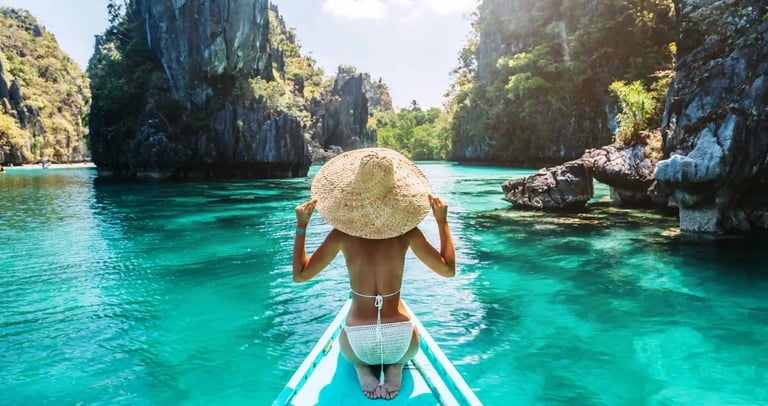
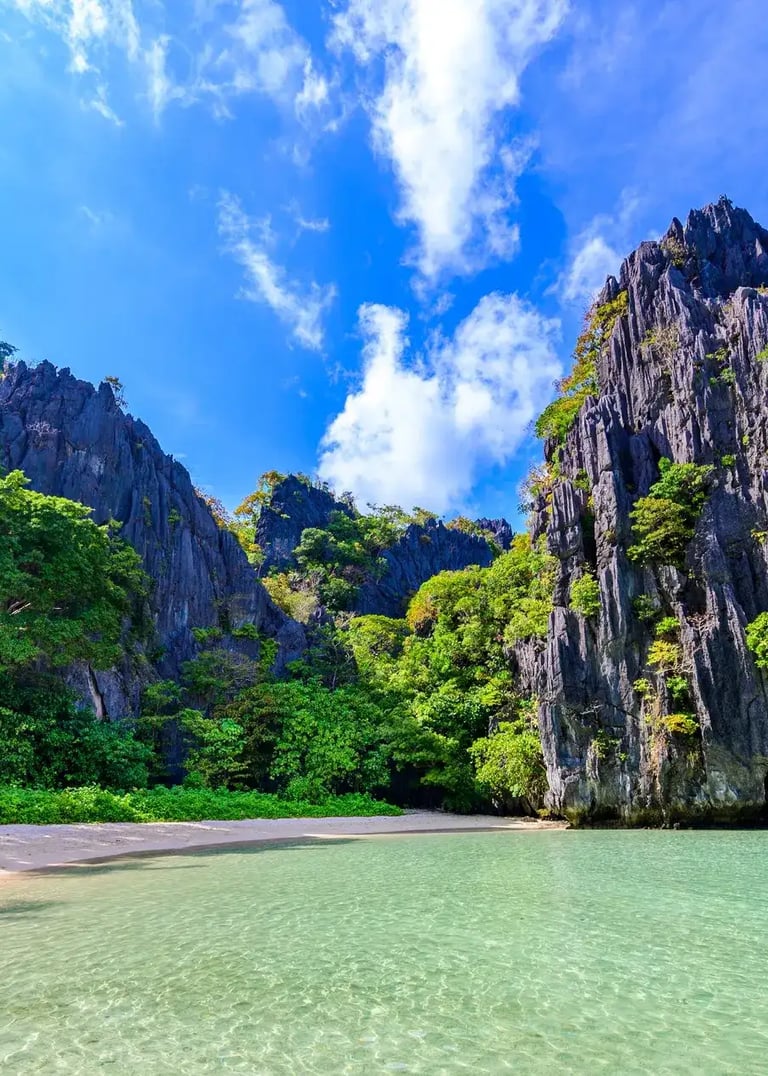
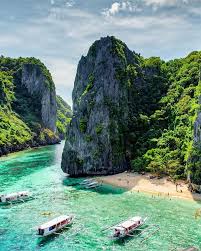
That was the moment wellness travel stopped being an abstract trend and became something deeply personal. I had read that more and more people are traveling for wellness now, not only for adventure but for healing, balance, and self-care. And suddenly it made perfect sense. Travel can be beautiful, but it can also drain you if you never pause. So I left the city behind and went to Palawan, and it felt like stepping into another dimension of the Philippines. Where Cebu had been vibrant and loud, Palawan was silence and softness. The air smelled cleaner, the nights were quieter, and the ocean stretched endlessly like a living painting.
I booked a small wellness retreat, nothing overly fancy, just a peaceful place where mornings began slowly. Yoga by the beach, fresh fruit breakfasts, massages that released tension I didn’t even realize I was carrying. And most importantly, time. Time to do nothing. Time to sit by the water and watch the waves arrive and disappear. Time to breathe. In that stillness, I felt my body unclench, my mind quiet down, and I realized how much I had needed this balance. The Philippines wasn’t only giving me adventure, it was teaching me contrast. It held both celebration and calm, opportunity and escape, movement and rest.
Somewhere between the festival drums and the Palawan sunsets, my trip became something else entirely. It became a reset. A reminder that travel isn’t only about seeing places, it’s about feeling alive inside yourself again. I don’t know exactly what my future relationship with the Philippines will be. Maybe I’ll return for longer, maybe I’ll explore living here one day, maybe it will simply remain one of the most meaningful chapters of my life. But I do know this: the Philippines has a way of staying with you. It starts as a destination, but it becomes a feeling. A story. A place that quietly changes you, even when you didn’t come looking for change at all.