I used to believe that the safest way to train was to move slowly. Every rep had to be controlled, careful, almost cautious — like if I moved too fast, something would immediately go wrong. And for a long time, that approach worked for me. Slow workouts helped me connect with my body, build consistency, and gain confidence in the gym. But at some point in my fitness journey, I started to feel stuck. My strength improved, yes, but something was missing. I felt strong, but not powerful. Stable, but not dynamic.
That’s when I discovered explosive training — and more specifically, the kettlebell goblet clean. What started as curiosity turned into one of the most empowering changes in my routine. And honestly, it reshaped how I think about strength, movement, and what my body is capable of.
When most of us hear the word “explosive” in a fitness context, it can sound intimidating. It brings up images of elite athletes, heavy barbells flying through the air, and highly technical lifts that seem risky or complicated. For a long time, I assumed explosive training wasn’t meant for someone like me — someone who wanted to train hard but also stay safe, avoid injuries, and feel confident in every movement.
But here’s what I learned: moving fast and training safely are not opposites. When done correctly, explosive training can actually help your body become more resilient, more coordinated, and stronger in ways slow training alone cannot achieve.
The real difference comes down to how you approach it — and which exercises you choose.
I still remember my first exposure to traditional power movements. I watched people performing barbell cleans at the gym, lifting heavy weights from the floor and catching them at shoulder height in one smooth motion. It looked impressive, but also incredibly complicated. The speed, the timing, the mobility required — everything about it made me feel hesitant. I worried about my wrists, my back, and whether I would even understand the technique without a coach guiding me every step of the way.
That fear stopped me from exploring power training for a long time.
Eventually, though, curiosity won. I started researching ways to build strength and muscle more effectively, and one concept kept appearing: fast-twitch muscle fibers. These fibers are responsible for speed, power, and explosive force. They help you jump, sprint, react quickly, and generate strong bursts of energy. And interestingly, they become even more important as we age.
That idea really stayed with me. I wasn’t just training for how my body looked today — I wanted to build strength that would support me years from now. I wanted to feel powerful climbing stairs, lifting heavy groceries, and moving through everyday life with confidence. That’s when I began experimenting with more dynamic exercises.
My first step wasn’t jumping straight into complex lifts. Instead, I started with simple explosive bodyweight movements — faster squats, small jumps, and pushups where I focused on pushing the floor away with intention. These small changes made a surprising difference. I could feel my muscles working differently. My heart rate increased faster, my coordination improved, and my workouts suddenly felt more alive.
But the real breakthrough came when I discovered kettlebell training.
I’ll admit, kettlebells confused me at first. That handle, the shape, the unusual way of holding the weight — it all seemed unfamiliar compared to dumbbells or machines. But once I began using them, I realized they offered something unique. They allowed fluid, natural movement patterns that felt closer to real-life motion.
And that’s where the kettlebell goblet clean entered my life.
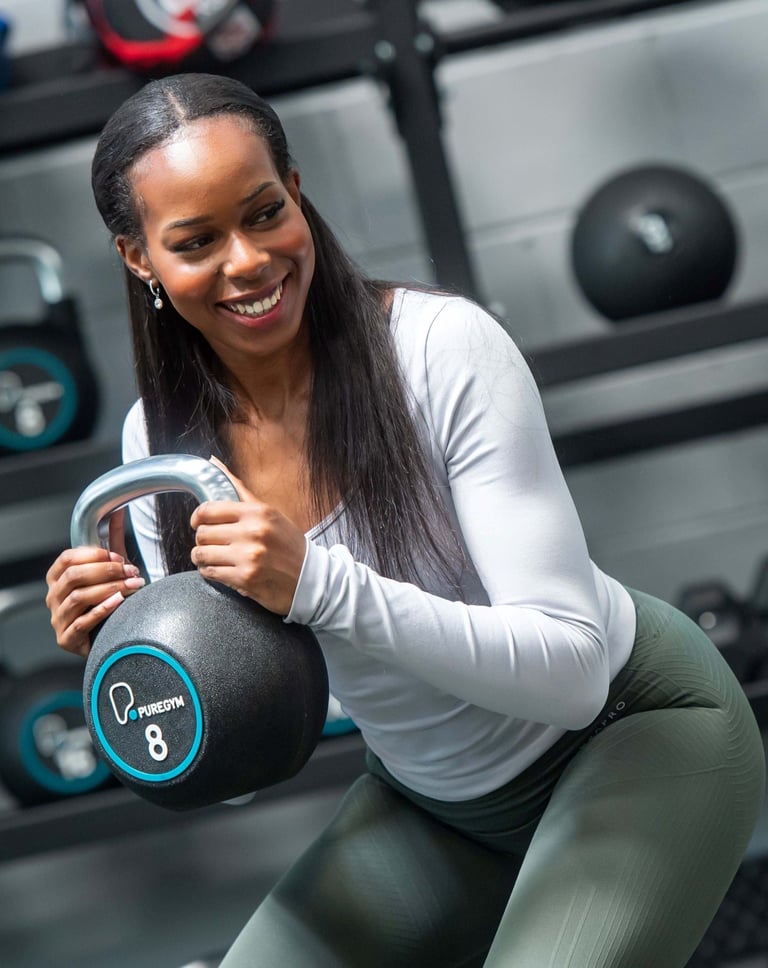
The first time I tried it, I was surprised by how intuitive it felt. Unlike traditional clean movements, there was no complicated “catch” position at the shoulders, no painful impact on the wrists, and no overwhelming technical demands. Instead, the movement was simple: lift the kettlebell from the floor and guide it into a goblet position at the chest using powerful leg drive.
The word “goblet” refers to how you hold the kettlebell — with both hands close to your chest, almost like holding a cup. This position immediately felt secure and balanced, which made the movement much less intimidating.
What fascinated me most was how little upper-body strain was involved. The power came from the legs and hips, not from pulling with the arms. The key was simply relaxing the grip and letting the kettlebell travel upward naturally as the lower body generated force. That small detail changed everything. Instead of forcing the weight into position, I learned to move with it.
For someone like me, who had always worried about hurting my wrists or lower back, this was incredibly reassuring.
Over time, the kettlebell goblet clean became more than just an exercise. It became a lesson in trusting my body. Each repetition required coordination, timing, and intention. I had to stay present, focused, and aware of how my body moved as a whole. It wasn’t just about lifting a weight — it was about creating momentum, channeling energy, and controlling power.
And the results were noticeable.
My glutes and hamstrings became stronger. My posture improved. My movements outside the gym felt easier and more controlled. Even my traditional lifts — squats, deadlifts, and presses — started to feel smoother and more stable. Generating force quickly seemed to “wake up” muscles that slow training alone hadn’t fully activated.
There was also a mental shift that surprised me. Explosive training changed how I perceived strength. Instead of thinking of strength as something slow and rigid, I began to see it as dynamic and adaptable. Strength wasn’t just about resisting movement — it was about creating movement.
As a woman in the fitness space, this shift felt especially empowering. For so long, many of us have been encouraged to train in limited ways — lighter weights, controlled movements, and routines focused mostly on appearance. But training explosively showed me that my body was capable of much more. I could be powerful, fast, and strong without sacrificing safety or femininity.
Another thing I appreciated about the kettlebell goblet clean was how beginner-friendly it felt. Unlike highly technical lifts that require weeks of practice, this movement offered quick wins. I felt successful from the very first session, which boosted my confidence and motivated me to continue.
That early sense of progress matters more than we often realize. When an exercise feels achievable, we’re more likely to stick with it. And consistency, more than anything else, shapes long-term results.
The goblet clean also served a very practical purpose in my workouts. It helped me safely lift heavier kettlebells into position for goblet squats without straining my lower back. Instead of awkwardly lifting the weight with poor posture, I could use proper mechanics and powerful leg drive. That alone made my workouts safer and more efficient.
As weeks turned into months, I started exploring variations. I experimented with heavier weights, refined my timing, and even tried progressing toward single-kettlebell clean variations. But interestingly, I never felt pressured to move on from the goblet clean. The exercise itself remained challenging and effective simply by increasing the load or improving technique.
That flexibility is part of what makes kettlebell training so appealing. It grows with you.
Explosive movements also changed how my body felt in everyday life. I noticed greater stability when walking on uneven ground, quicker reactions when catching something that fell, and more energy during daily tasks. These small improvements reminded me that fitness isn’t just about the gym — it’s about how we move through the world.
Another unexpected benefit was how engaging explosive training felt emotionally. Slow training has its place, and I still value controlled movements deeply. But adding speed introduced an element of excitement. There was a rhythm to the movement, a sense of flow, almost like dancing with the weight rather than fighting it.
That sense of enjoyment made my workouts something I genuinely looked forward to.
Of course, safety remained my priority throughout this journey. I learned that explosive training doesn’t mean reckless training. It requires proper warm-ups, attention to form, and gradual progression. I spent time learning how to hinge properly at the hips, engage my core, and control the kettlebell’s path.
Listening to my body became essential. Some days called for power and intensity; others called for slower, restorative movement. Balance was key.
What I love most about the kettlebell goblet clean is how accessible it makes power training. You don’t need advanced mobility, years of experience, or a personal coach standing beside you. You just need a willingness to learn and respect for the movement.
For women who may feel intimidated by traditional powerlifting environments, this accessibility can be transformative. It creates a space where strength feels welcoming rather than overwhelming.
Looking back, I realize that my initial fear of explosive training came from misunderstanding. I thought speed meant danger, complexity, and risk. But in reality, the right explosive movements teach control, coordination, and confidence.
They remind us that our bodies are designed not just to endure force, but to create it.
Today, my training includes both slow and explosive work. Controlled reps build tension and precision, while explosive movements build power and responsiveness. Together, they create a balanced approach that supports strength, mobility, and long-term health.
If there’s one lesson this journey has taught me, it’s that strength is not one-dimensional. It has many expressions — stability, endurance, control, and power. And exploring all of them allows us to discover new possibilities within ourselves.
The kettlebell goblet clean may seem like a simple movement, but for me, it represents something much deeper. It represents growth, confidence, and the willingness to step outside comfort zones. It taught me that I don’t have to choose between safety and intensity — I can have both.
And perhaps most importantly, it reminded me that fitness is a personal journey. It’s shaped by experience, curiosity, and the courage to try something new.
If you’ve ever felt hesitant about explosive training, I understand completely. I was there too. But sometimes, the movements that seem intimidating at first become the ones that transform us the most.
All it takes is one small step — or in my case, one powerful lift.