What I Learned About Sugar, Labels, and Finding a Healthier Balance
2/16/20267 min read
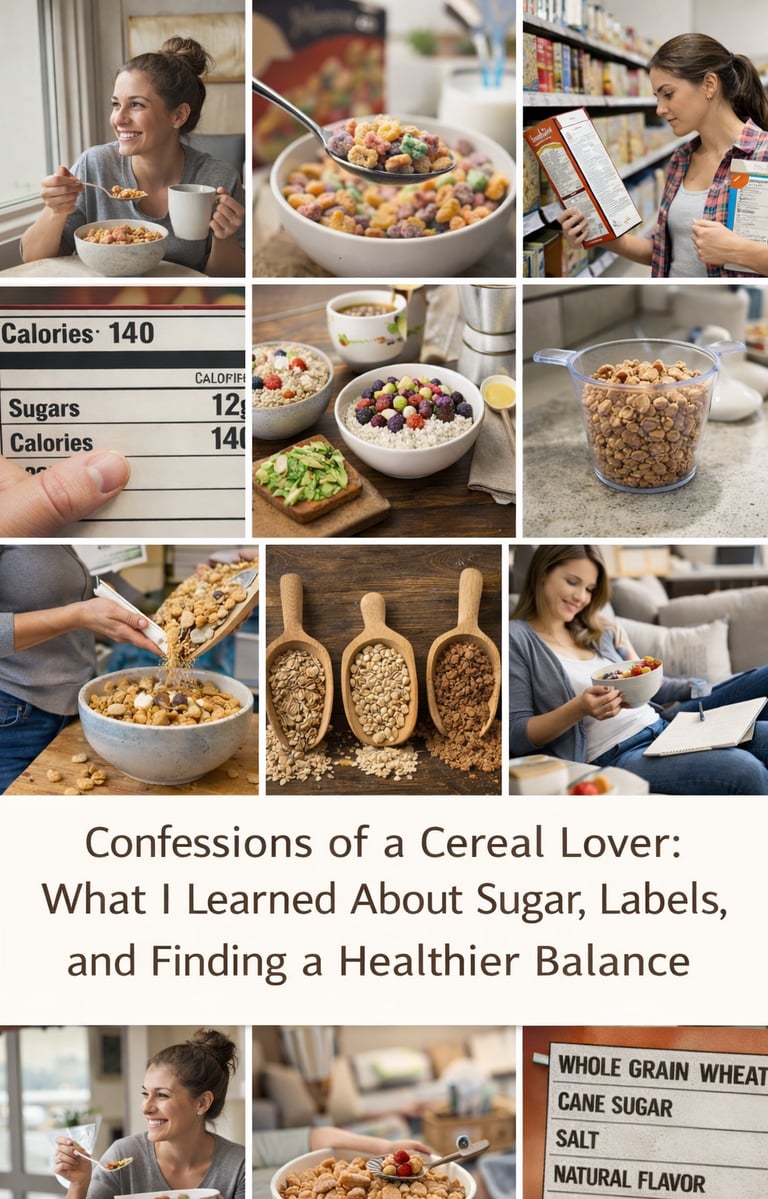
I have a confession to make, and maybe if you’re reading this with a warm mug in your hand and a half-empty cereal bowl beside you, you’ll understand immediately: I love cereal. Not in a casual, “once in a while” way. I mean the kind of love that starts in childhood and quietly follows you into adulthood, resurfacing on busy mornings, emotional evenings, and those in-between moments when you just want something familiar and comforting.
When I was little, cereal wasn’t just breakfast. It was routine. It was reward. It was dessert. Mornings meant the sound of flakes hitting a bowl, the soft rush of milk, and that first sweet, crunchy bite before school. Evenings sometimes meant a second round, especially if there was milk left at the bottom. I’d do what so many of us secretly still do: pour in more cereal so that the milk and cereal would disappear together, perfectly balanced, like they were meant to end at the same time. Raisin Bran, Corn Flakes, Rice Krispies — they weren’t just products. They were characters in my childhood.
And honestly? Not much has changed.
Now, as a woman juggling responsibilities, deadlines, relationships, and my own shifting priorities, cereal still calls to me. It’s easy. It’s quick. It feels harmless. It feels nostalgic. And for years, I told myself it was healthy. After all, isn’t cereal supposed to be part of a balanced breakfast? Don’t the boxes say things like “heart healthy,” “whole grain,” “high in vitamins”? Didn’t athletes and celebrities smile at me from the front panels, promising energy and strength?
But somewhere between motherhood conversations, wellness podcasts, and my own growing awareness about what I was putting into my body, I started to look closer. Not in a dramatic, food-police kind of way. Just…curious. I wanted to understand whether the cereal I loved loved me back.
In the United States, cereal is practically a cultural icon. More than a quarter of children and adolescents eat ready-to-eat cereal most days of the week. About half of adults reach for it at least once or twice weekly. It’s fast, shelf-stable, affordable, and aggressively marketed as healthy. For busy women especially, it feels like a solution. We are constantly trying to do more with less time. If breakfast can be solved in under two minutes, that feels like a win.
But here’s where things started to feel less comforting and more complicated.
A large study published in 2025 examined more than 600 breakfast cereals and found that many of the most recognizable brands were far from the wholesome foods their packaging suggested. And when researchers analyzed 1,200 ready-to-eat cereals marketed to children between 2010 and 2023, the trend was even more concerning: increasing amounts of sugar, fat, and sodium, alongside decreasing amounts of protein and fiber. In other words, more empty calories and fewer of the nutrients that actually keep us full and energized.
As a woman who has spent years trying to understand her body — from hormonal fluctuations to energy crashes to the subtle ways food affects mood — this hit differently. Cereal isn’t just a nostalgic comfort anymore. It’s part of how I fuel myself. And when I actually started reading labels instead of trusting front-of-box claims, I realized something uncomfortable: many cereals are essentially dessert wearing a health halo.
Let’s talk about sugar, because that’s the part that surprised me most.
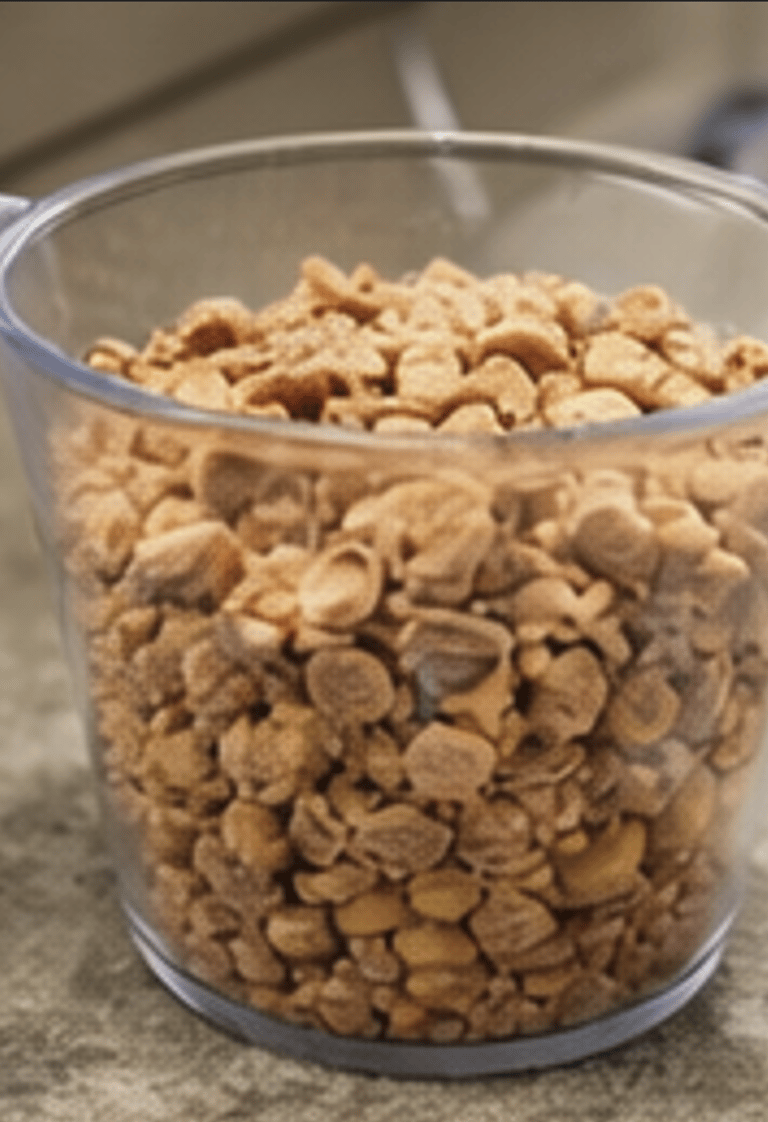
Some popular cereals contain 10, 12, even 15 grams of added sugar per serving. And what’s a serving? Often just three-quarters to one cup — far less than what most of us pour into a bowl. When I measured my usual portion for the first time, I laughed out loud. It was easily double. Which means if the box says 140 calories and 12 grams of sugar per serving, my actual bowl might be closer to 300 calories and 24 grams of sugar — before adding milk.
That’s not a light breakfast. That’s a blood sugar rollercoaster waiting to happen.
And as women, blood sugar stability matters more than we’re often told. Fluctuations can influence mood, energy, focus, cravings, and even hormonal balance. A breakfast high in refined carbohydrates and sugar but low in protein and fiber can leave us hungry again within an hour. That mid-morning slump? Sometimes it starts with what was supposed to be a “healthy” bowl of cereal.
Then there’s the protein issue. Many cereals contain only 2–3 grams of protein per serving. Even with milk, you might reach 8–10 grams total. For sustained energy, especially for active women or mothers constantly on the move, that’s often not enough. Compare that to eggs, Greek yogurt, or even oatmeal topped with nuts — options that provide significantly more protein and satiety.
Fiber is another area where marketing and reality often diverge. Fiber is critical for digestive health, blood sugar regulation, and long-term cardiovascular wellness. Yet some cereals marketed as wholesome contain only 1–2 grams per serving. Others do better, but you have to look closely. Playing up “whole grain” on the front doesn’t always mean the product is rich in fiber. Sometimes it simply means there’s some whole grain present — not necessarily in meaningful amounts.
And then there are the additives. Artificial colors. Preservatives like butylated hydroxytoluene. Flavor enhancers. Sodium levels that creep up quietly. While removing artificial dyes is a positive step, it doesn’t automatically transform a high-sugar cereal into a nutrient-dense food.
What struck me most was this: many cereals derive the majority of their nutritional value from fortification — vitamins and minerals added back into a highly processed base. And even then, the real protein and calcium often come from the milk poured on top, not the cereal itself.
This doesn’t mean cereal is evil. I’m not here to demonize something that genuinely brings comfort and convenience. But I am here to say that as women, we deserve transparency. We deserve to know what we’re eating. We deserve to make informed choices, not choices guided by clever packaging.
Interestingly, there are efforts underway to improve things. Updated USDA guidelines for school breakfast programs aim to gradually reduce sugar and sodium while increasing whole grain requirements. That’s a step in the right direction for children. But in our own kitchens, we still have to navigate shelves lined with bright promises.


So what can we do if we’re not ready to break up with cereal entirely?
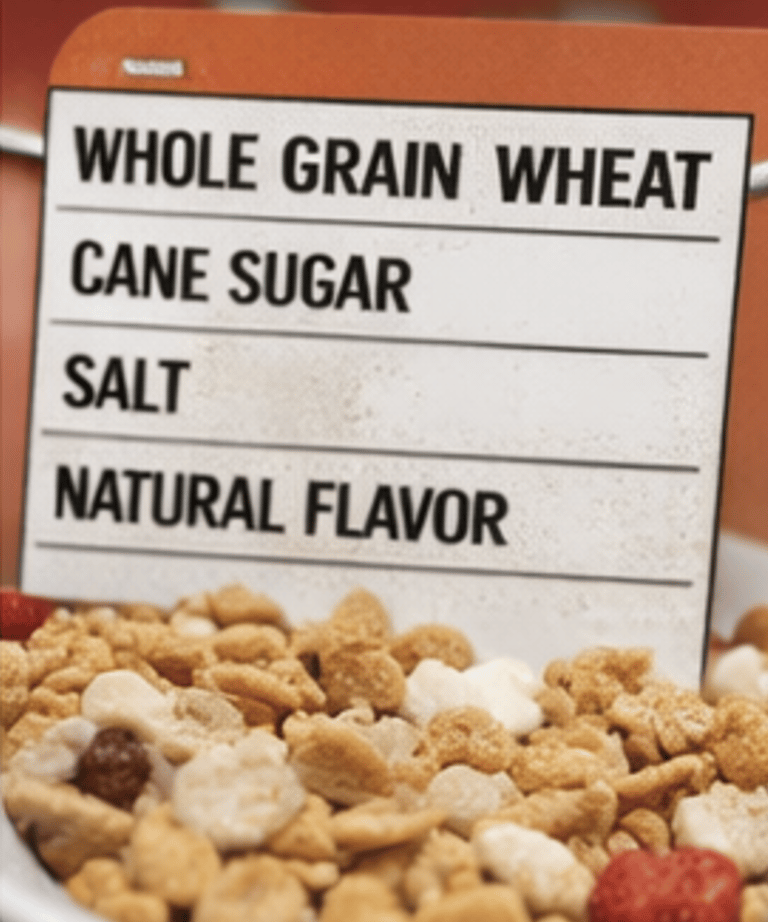
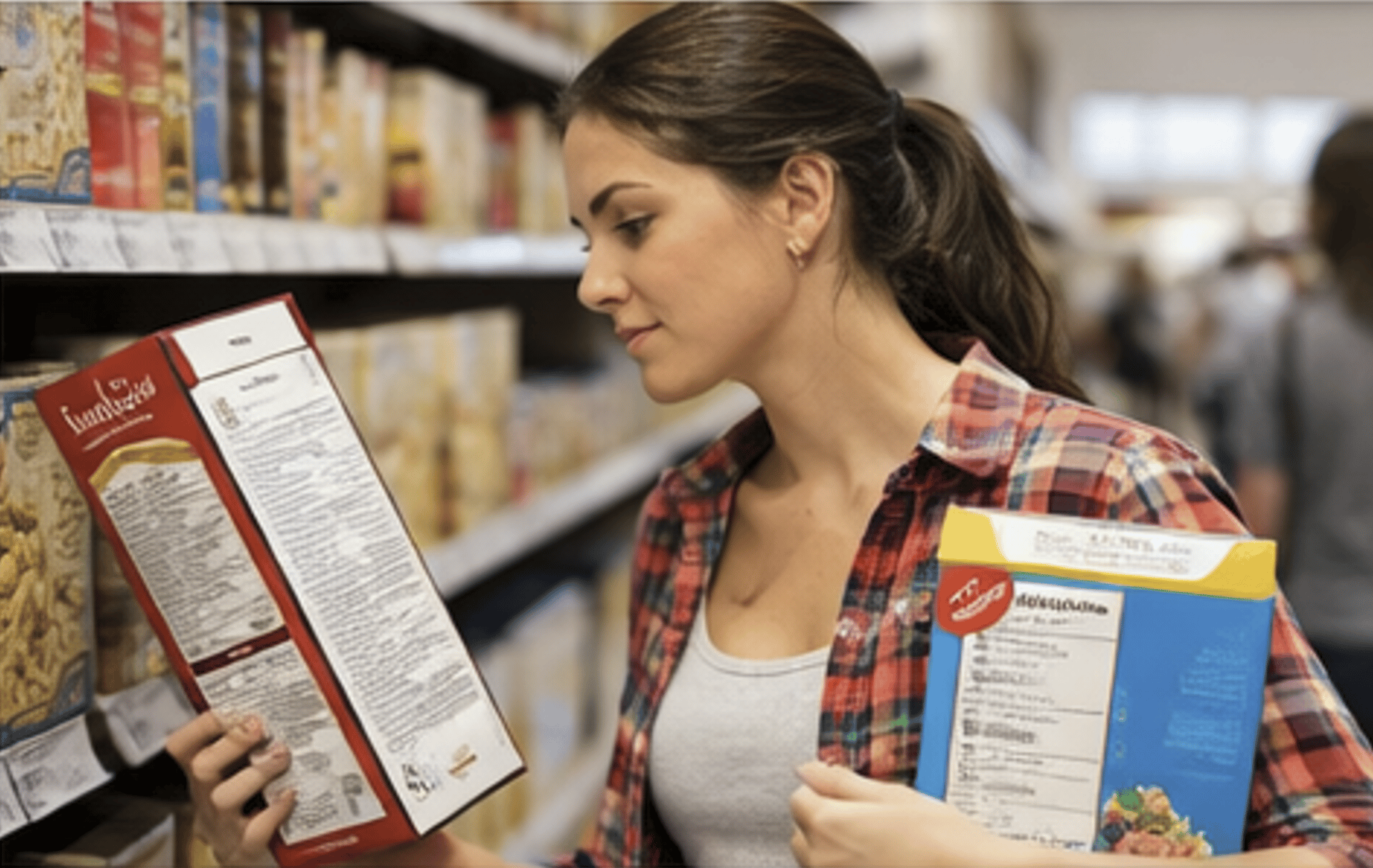
For me, it started with reading labels more intentionally. I look for whole grain as the first ingredient. Not just “made with whole grain,” but actually listed first. I aim for at least 2.5 grams of fiber per serving, though 5 grams or more is even better. I choose cereals with minimal or no added sugar — ideally under 5 grams per serving. I pay attention to sodium. I stick to 150 calories or less per serving and, yes, I measure. Not because I want to restrict myself, but because I want to understand reality.
I also look at ingredient lists. If I can’t pronounce half of the items, I pause. The shorter and more recognizable the list, the better.
There are options that meet most of these criteria. Simple shredded wheat. High-fiber bran cereals. Certain whole grain oat-based cereals. They may not be as sweet or flashy, but they nourish differently. And when I want sweetness, I add it myself — fresh berries, sliced banana, a sprinkle of cinnamon, a handful of nuts. That way, the sugar comes with fiber and antioxidants, not just empty calories.
Over time, I also began rotating my breakfasts more intentionally. Oatmeal with fruit and almond butter. Greek yogurt with seeds and honey. Eggs on whole grain toast with avocado. These meals keep me fuller longer. My energy feels steadier. My cravings decrease. And yet, every now and then, I still pour a bowl of cereal. Because balance, to me, isn’t about perfection. It’s about awareness.
There’s something deeply feminine about this journey with food. We are constantly negotiating between nourishment and comfort, between culture and biology, between what we were told and what we’re learning. Many of us grew up in the era of low-fat marketing, colorful cereal commercials, and quick convenience foods. Now we’re navigating a more nuanced conversation about processed foods, blood sugar, and long-term health.
I don’t regret loving cereal. It’s part of my story. But I no longer assume that a smiling athlete on a box equals optimal nutrition. I no longer ignore portion sizes. I no longer let front-of-package health claims override the numbers on the back.
If you’re reading this and recognizing yourself — the woman who eats cereal for breakfast and sometimes for dinner because you’re exhausted — I see you. There is no shame here. Only curiosity. Only small shifts that add up.
Start by turning the box around. Read the label. Measure once, just to know. Notice how you feel an hour later. Experiment with adding protein — nuts, seeds, Greek yogurt on the side. Try alternating with other breakfasts a few days a week. Pay attention to your energy, your focus, your hunger cues.
Food is not just fuel. It’s memory. It’s emotion. It’s identity. But it’s also biology. And we are allowed to hold both truths at the same time.
Cereal can still have a place in our lives. It just doesn’t have to wear a false halo anymore.