I Stopped Trying to Be Smaller and Started Learning My Body
2/14/20265 min read
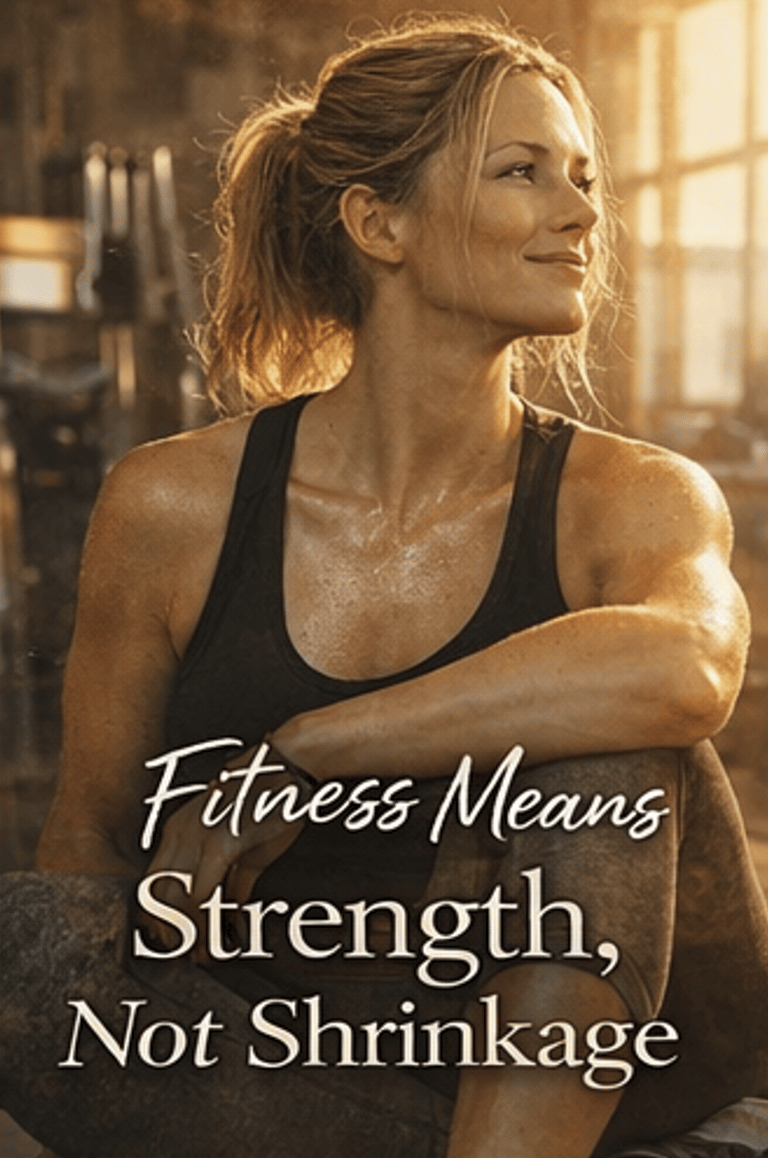
If I’m being completely honest, I didn’t start working out because I loved myself. I started because I was uncomfortable in my own skin.
I remember standing in front of the mirror one random Tuesday morning, turning sideways, pulling my stomach in, adjusting the light as if different lighting would somehow soften the parts I didn’t like. I wasn’t overweight. I wasn’t unhealthy. But I didn’t feel good. And that feeling was enough to push me into what I thought would be a “new disciplined life.”
I downloaded meal plans. I saved workout videos. I promised myself this time would be different.
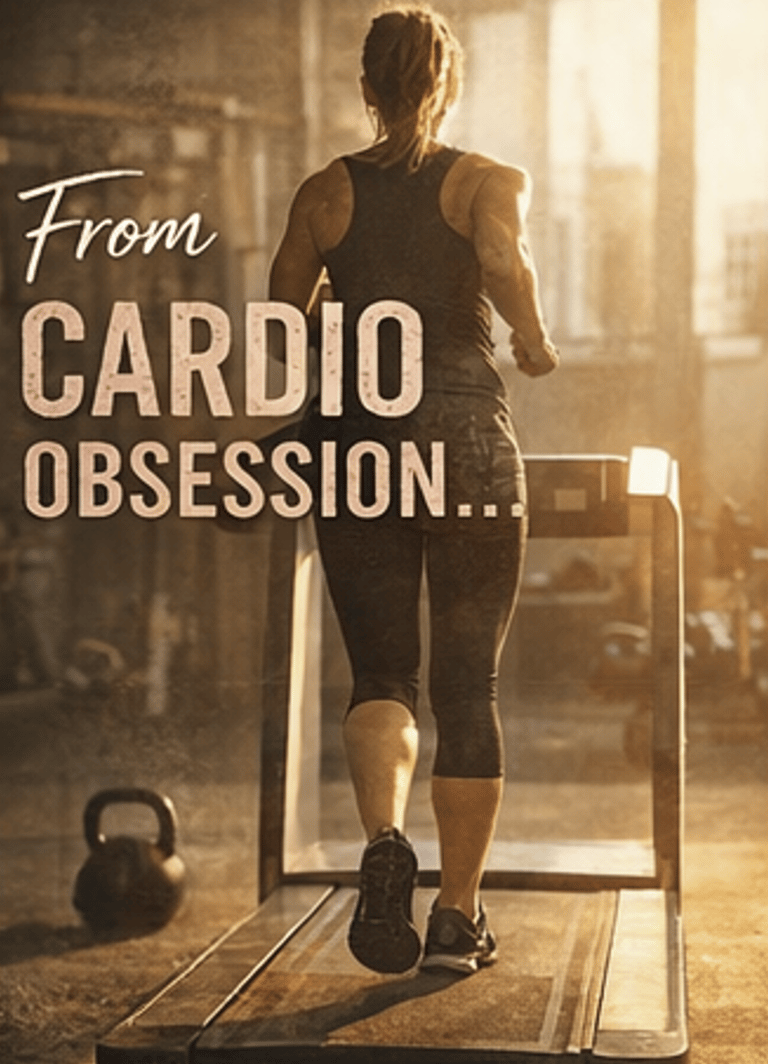
At the beginning, everything felt exciting. New leggings. New routine. That motivating first week where soreness feels like proof of progress. I went to the gym almost every day, mostly living on the treadmill because that’s what I thought women were supposed to do. Run. Sweat. Burn. Shrink.
The number on the machine became my quiet obsession. Calories burned. Minutes completed. Heart rate. Everything measurable felt safe because it meant I was “doing something.”
What I didn’t notice at first was how tired I was becoming. Not the satisfying tired after a good session, but the deep, heavy kind that sits behind your eyes. I would wake up exhausted even after sleeping. I craved sugar constantly. Some weeks I felt powerful and unstoppable, and other weeks I could barely finish a normal workout without feeling like I was dragging myself through it.
I blamed my discipline. I thought I wasn’t strong enough mentally.It took me years to understand that my body wasn’t inconsistent. My hormones were simply doing their job.No one had ever explained to me how much a woman’s cycle influences her energy, mood, and performance. In the first half of the cycle, when estrogen rises, many of us naturally feel stronger and more resilient. Workouts feel lighter. Motivation comes easier. Then in the days before menstruation, progesterone increases, body temperature rises slightly, recovery slows, appetite grows, and everything feels heavier. Not dramatically. Just enough to make you question yourself.
For so long, I fought those shifts. I would force high-intensity workouts even when my body felt like it wanted slower movement. I would ignore hunger signals because I was afraid of “losing progress.” I treated my body like it needed discipline instead of support.
The turning point wasn’t dramatic. It was quiet. I skipped a workout one evening because I genuinely felt drained, and instead of panicking, I went for a long walk. I remember noticing how calm I felt. My mind slowed down. My breathing softened. It didn’t feel like punishment. It felt like care.
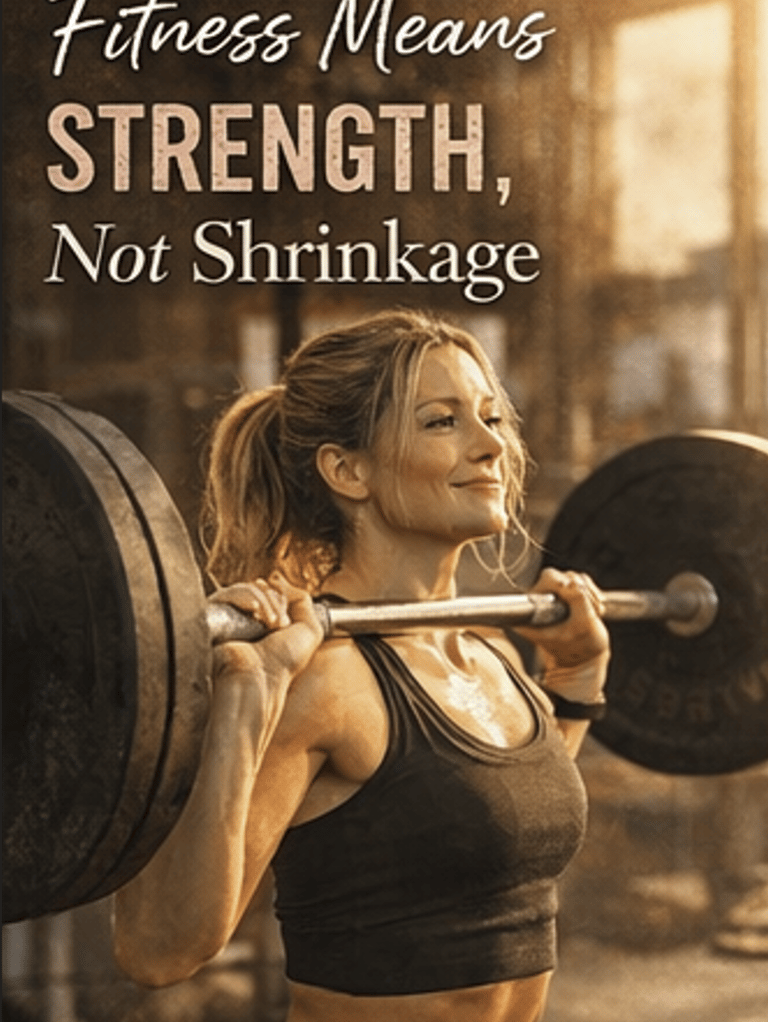
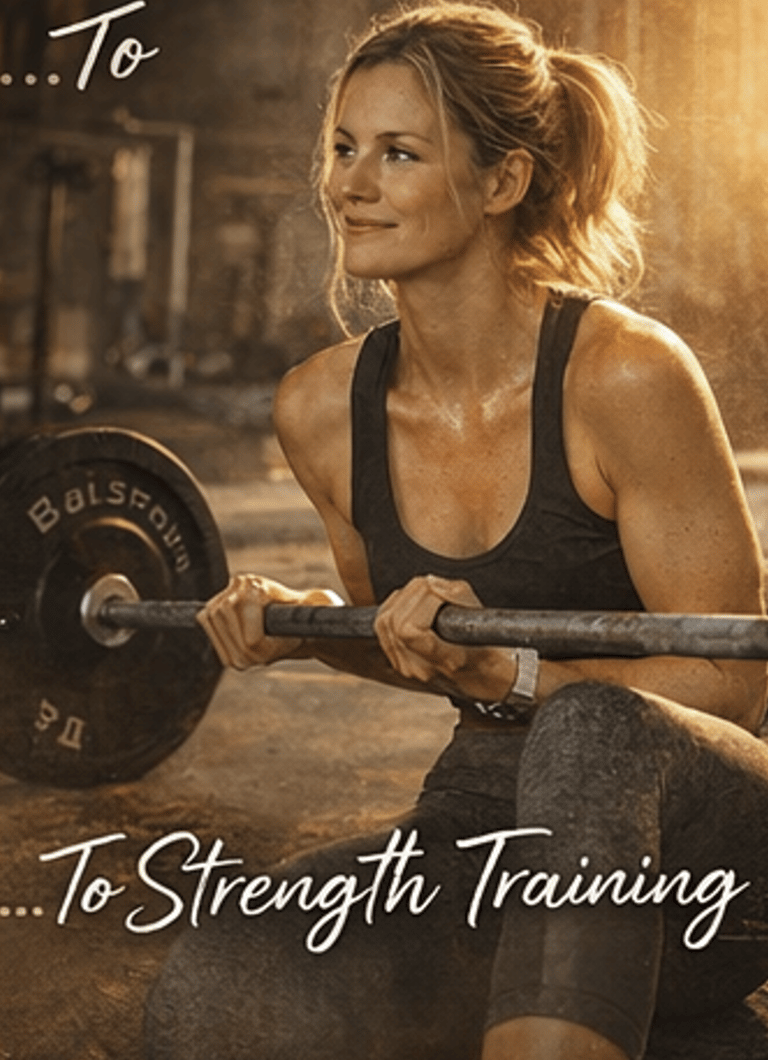
That’s when something shifted inside me.I started paying attention instead of forcing outcomes.I reduced my cardio and slowly introduced strength training, even though the weight section intimidated me. I used to believe lifting weights would make me bulky. Now I understand how unrealistic that fear was. Significant muscle growth for women requires intentional programming, progressive overload, sufficient protein, and often years of consistent effort. It doesn’t just “happen.” What does happen is increased bone density, improved insulin sensitivity, better posture, and a metabolism that feels more stable.The first time I managed to lift heavier than I thought I could, something unexpected happened. I didn’t feel smaller. I felt powerful. There was a different kind of confidence in knowing my body could produce force, not just burn calories.And slowly, the focus began to change.
Instead of asking, “How many calories did I burn?” I started asking, “How strong am I becoming?”Food was another complicated relationship I had to untangle. I had spent years labeling things as good or bad. Bread felt dangerous. Fats felt risky. Low numbers felt safe. But my body told a different story. When I consistently under-ate, my energy dropped, my sleep worsened, and my cravings intensified. Chronic calorie restriction increases stress hormones like cortisol, and elevated cortisol over time doesn’t help with fat loss the way many people assume. It can actually make the body hold onto energy more tightly because it perceives stress.
When I began eating enough protein to support my training, my recovery improved. Around 1.6 to 2 grams of protein per kilogram of body weight made a noticeable difference in how quickly my muscles repaired and how satisfied I felt after meals. I stopped fearing carbohydrates once I understood they replenish glycogen stores and fuel performance. Healthy fats became non-negotiable because hormonal health depends on them.
What surprised me most was that my body composition improved when I stopped obsessing. Not dramatically overnight, but steadily. My waist felt firmer. My posture improved. My mood stabilized. I wasn’t constantly thinking about food anymore.
There were still hard days. Days when bloating made me uncomfortable. Days when I compared myself to women on social media who seemed effortlessly lean year-round. Comparison used to pull me into spirals. Now I recognize it as distortion. Social media rarely shows hormonal fluctuations, stress, lighting differences, or real-life angles.
As I moved into my thirties, I noticed subtle changes. Recovery required more intention. Stress affected me more quickly. Estrogen naturally declines gradually with age, and that can influence fat distribution and muscle retention. That reality used to scare me. Now it motivates me to train smarter. Strength training isn’t about aesthetics anymore. It’s about preserving muscle mass, protecting bone density, and supporting metabolic health long term.
Sleep became something I actively protect. Less than seven hours consistently affects hunger hormones, increases cravings, and reduces performance. I used to wake up early for extra cardio. Now I’d rather sleep and train better later.