
What I Learned About Fat Loss, Fitness, and Life
3/7/20268 min read
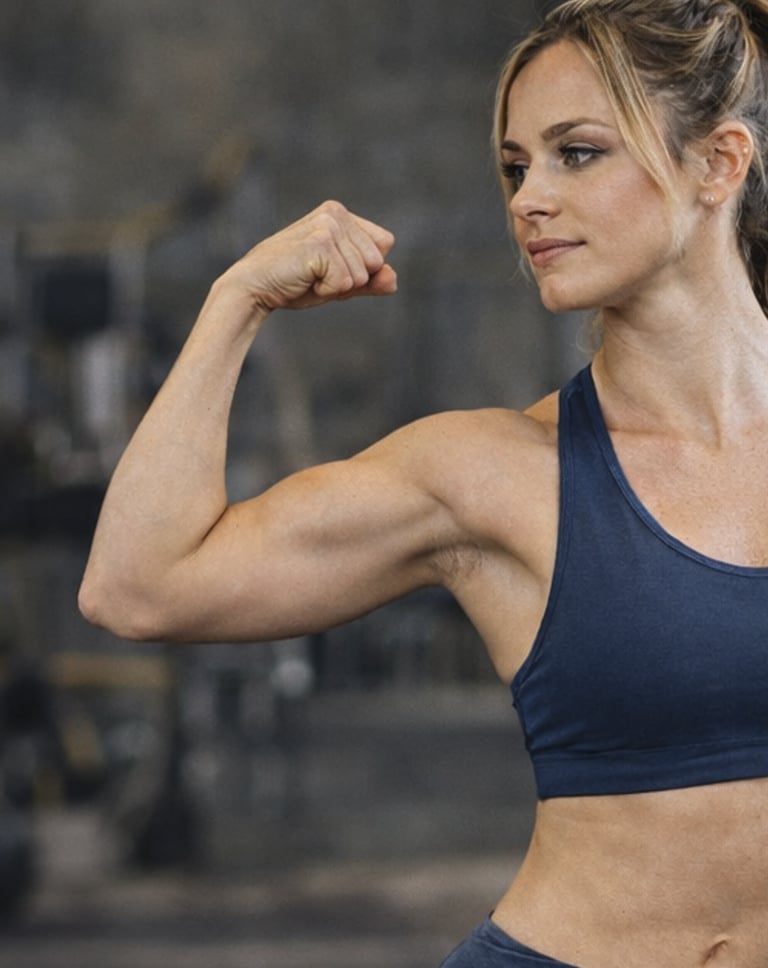
Six-pack abs. Toned legs. Tight glutes. Lean, vibrant, glowing health. These are the images the fitness world sells to us everywhere—Instagram, magazines, YouTube. And for years, I bought into it. I thought I wanted it all: the perfect body, the perfect routine, the perfect balance of strength, shape, and control.
I worked out obsessively. I tracked every calorie. I counted macros, steps, and hours of sleep like they were the only measures of a successful day. And at first, it worked. I lost weight, my muscles became more defined, and I could see changes in my body I had never imagined. I felt proud, strong, and capable.
But here’s the thing nobody told me at the time: getting lean isn’t just about exercising more and eating “cleaner.” There’s a cost. There’s a trade-off. And that trade-off isn’t always obvious until it starts affecting your health, your energy, your mood, and yes…sometimes even your relationships.
My First Wake-Up Call
I remember the moment clearly. It was a Friday evening, and I had just finished a long week of morning bootcamps, evening spin classes, and an intense leg day that left me wobbling as I walked down the street. I collapsed onto my bed, exhausted but proud. I had been pushing for lower body fat—just a little more definition in my abs. That was my goal.
And yet, as I lay there, I felt…off. I was more tired than usual, my hair felt thinner, and my skin was drier. I had a dull, lingering ache in my knees, something I’d never felt before. I brushed it off, thinking it was normal. I was training hard, after all, and sore muscles were part of the journey, right?
It wasn’t until a few months later that I noticed my period hadn’t come. Not once. I had simply assumed it was delayed from stress or the new training routine. But as weeks turned into months, the reality hit me: my body wasn’t functioning the way it should. Something was wrong.
That moment was my wake-up call. I realized that chasing the “perfect” body had consequences I hadn’t considered. My hormones were out of balance, my energy was drained, and my body was signaling that enough was enough. I had to pause, reflect, and rethink what “health” really meant.
The Myth of the “Perfect Body”
It’s everywhere. The ads, the influencers, the friends who post their morning smoothies and 100-rep ab workouts online. We’re led to believe that a lean body is synonymous with good health, confidence, and happiness. That if we just do enough cardio, lift enough weights, and eat perfectly, we’ll arrive at that ideal version of ourselves.
But here’s the truth: that image—the six-pack, the glutes, the flawless skin—is often not sustainable, natural, or even healthy. Bodybuilders, fitness models, and magazine covers? Their looks are temporary, staged, or heavily edited. Many athletes achieve that physique by eating extremely restricted diets, training multiple times a day, sacrificing social life, and yes…sometimes using performance-enhancing substances.
For most of us, trying to replicate that exact look can be dangerous. It can lead to fatigue, hormone disruption, menstrual issues, low libido, weak bones, and mental burnout. It can make us obsess over numbers, measurements, and progress, instead of how we feel or what our bodies are actually capable of.
And yet, I think many of us still chase it, because the promise is seductive: control, confidence, admiration. We want to look strong, and feel strong, but we don’t always understand what it takes—or what it costs.
Two Stories, Two Perspectives
I remember two clients who helped me understand this more clearly.
Bill was in his early thirties. He had lost thirty pounds over six months and had gone from 22% body fat to 15%. He could run up stairs without getting winded, carry heavy groceries, and finally enjoy weekend bike rides with friends. His confidence had soared, and he was proud of the progress he’d made.
But there was a catch. Bill wanted a six-pack. He was so close, he could almost see it in the mirror, and he believed that a little more effort would push him over the edge to the “perfect” body. He was ready to do whatever it took, convinced that discipline would get him there.
Then there was Anika. She wanted to feel healthier, fit into clothes she liked, and have more energy during the day. But she dreaded the idea that getting healthy meant becoming a “health nut.” She imagined mornings starting at 6 a.m. with bootcamps, kale smoothies, endless lemon juice cleanses, and thousands of crunches a day. The thought of that made her freeze.
Both of them had the same misconception: either it’s easy to look perfect with minor tweaks, or it’s impossible without extreme sacrifice. In reality, neither is true.
The Realities of Fat Loss
The truth is nuanced, and it took me years to understand it fully. Losing weight and getting fit is not linear. The first ten pounds are often easier than the last ten. Going from “average” to “healthy” might be simple with small, consistent changes. But moving from “healthy” to “lean and defined” requires more effort, planning, and sometimes, trade-offs you might not expect.
For women especially, it’s important to recognize that our bodies are highly sensitive to energy balance, nutrient intake, and stress. Losing too much fat too quickly—or exercising excessively without proper fueling—can shut down our reproductive hormones, affect bone health, and lead to long-term consequences. I learned this the hard way when my own cycle disappeared for several months.
For men, the principles are similar. Hormones can be disrupted by energy deficits, poor sleep, and chronic stress. But women have an obvious signal—a missed period—while men may only notice fatigue, low mood, or low libido.
Small Changes Can Make a Big Difference
One of the most powerful things I discovered is that small, consistent changes often make the most difference for long-term health. For example, when I shifted my focus from perfection to sustainability:
I started including slow-digesting carbohydrates at every meal to fuel my workouts and hormonal health.
I adjusted my training intensity, mixing heavy lifts with lighter recovery sessions.
I prioritized sleep, aiming for 7–8 hours each night.
I added micronutrient-rich foods, like leafy greens, eggs, nuts, and seeds.
I learned to listen to hunger cues and eat when my body actually needed fuel.
It wasn’t about “clean eating” or cutting out all the fun. It was about balance, consistency, and paying attention to signals my body was sending. Over time, I gained energy, my period returned, and my muscles remained strong—but I felt healthier and more confident than ever.
Understanding Body Fat
One of the biggest misconceptions is about what constitutes a “healthy” level of body fat. In general, women are healthiest somewhere between 22%–33% body fat, while men are healthiest around 11%–22%. Yet, in the U.S., the average woman has around 40% body fat, and the average man has 28%. That’s a lot of excess fat for most people—and it’s associated with increased risk of disease, lower energy, and decreased mobility.
The good news? It’s usually not hard to move from an unhealthy range to a healthy one. Even small lifestyle changes—like drinking less soda, walking daily, eating more vegetables, or limiting processed foods—can result in noticeable improvements over several months. And those improvements don’t just affect your appearance—they influence your mood, energy, sleep, and long-term health.
Lean vs. “Super Lean”
Here’s where it gets tricky. There’s a big difference between being lean and being super lean. Let me explain from my own experience.
When I first got serious about fat loss, my goal was moderate: feel strong, look toned, and have more energy. The changes were manageable—slightly smaller portions, extra movement, more vegetables and protein. I could still enjoy social events, meals out, and spontaneous weekends.
But when I started chasing “abs that pop” or the ultra-lean physique, everything changed. Suddenly, I was planning meals down to the gram, eating plain food at specific times, skipping social events, and training to exhaustion. I felt constantly hungry, stressed, and isolated. My mood suffered, and my body was screaming for balance.
This is the reality for anyone chasing extreme leanness. Male athletes getting to under 6% body fat or female athletes under 16% for competitions face a regimen that is intense, demanding, and often unsustainable. It’s not just exercise and diet—it’s a full-time commitment, and it comes at a cost: disrupted hormones, weak bones, social isolation, and stress. Many even rely on stimulants, drugs, or other interventions to maintain energy.
I realized that I didn’t want that. I wanted health, energy, and confidence—not to live as a human measuring cup. And that decision allowed me to reconnect with my body, my friends, and my life.
What Really Matters
So what’s the takeaway? It’s not about achieving a number on the scale, a percentage of body fat, or a six-pack. It’s about understanding what your body needs, what you’re willing to invest in terms of effort and energy, and what trade-offs you’re prepared to make.
For me, it meant redefining what “success” looks like. Success isn’t extreme leanness. It’s feeling strong in my body, sleeping well, having energy for my work and hobbies, and knowing I’m treating myself with respect. It’s enjoying food without guilt and exercise without obsession.
And yes, my body still looks toned. My abs are visible, my muscles are strong, and I feel confident in my skin. But it’s sustainable. It’s healthy. And it’s mine.
Small, Consistent Wins
If you’re reading this and feeling overwhelmed by all the conflicting messages about fitness and fat loss, take a breath. Start small. Choose one or two habits that improve your health and energy:
Walk more, move more, stretch more.
Include colorful vegetables at meals.
Drink water, limit soda and alcohol.
Prioritize sleep.
Train smart, not just hard.