A Woman’s Honest Journey to Building a Healthy Lifestyle That Lasts
Blog post description.
2/18/20268 min read

I used to believe that a healthy lifestyle meant finding the perfect plan and finally having enough willpower to follow it flawlessly. I remember sitting at my kitchen table late at night, scrolling through articles about Whole30, The 21 Day Fix, Paleo, intermittent fasting—every “life-changing” method that promised clarity, confidence, and a leaner body in just a few weeks. Each one sounded convincing. Each one felt like hope. And every time I started one, I told myself, this is it. This is the version of me who finally gets it right.
But what I didn’t understand back then is that health is not a 30-day reset. It’s not a printable PDF. It’s not a dramatic Monday morning declaration. It’s something much quieter, much more ordinary—and much more powerful.
Over time, I began to notice a pattern. When I followed strict rules, I lost weight quickly. But I also lost something else: my energy, my joy around food, sometimes even my cycle regularity. I was lighter, yes—but also colder, more irritable, and strangely disconnected from my own body. And when the plan ended, or when life got busy or emotional, the weight would return. Sometimes even more than before. I later learned that rapid weight loss often includes water and lean muscle mass, not just body fat, and that extreme restriction can slow metabolism and increase cravings. But I didn’t need a medical journal to tell me something was off. My body had been whispering it all along.
The shift didn’t happen overnight. It happened slowly, through frustration, through trial and error, through becoming a mother and realizing I didn’t want my daughter to watch me constantly criticize my body or fear bread. I wanted her to see strength. I wanted her to see balance. I wanted her to grow up believing that health is something you build, not something you punish yourself into.
So I stopped chasing diets. And I started building a lifestyle.
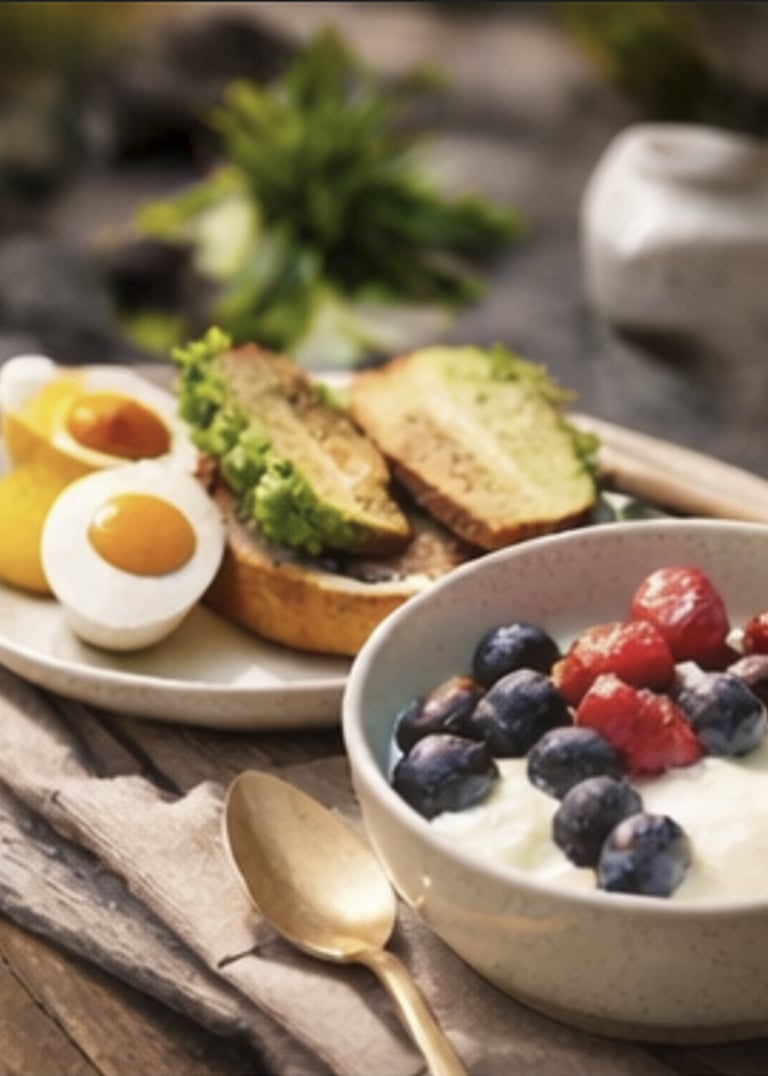
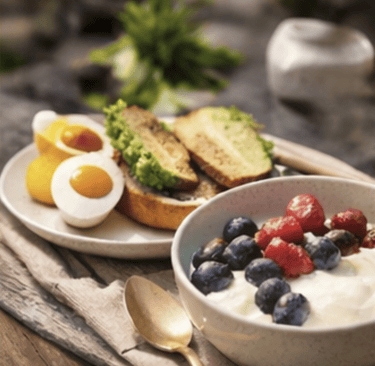
The first thing I changed was how I approached mornings. For years, I either skipped breakfast to “save calories” or grabbed something sweet and convenient while rushing out the door. I told myself I wasn’t hungry. But by mid-morning, I was shaky, unfocused, and thinking about food constantly. When I began eating a balanced breakfast—something with protein and carbohydrates—I felt a difference almost immediately. Eggs with sourdough and avocado. Greek yogurt with berries and nuts. Oatmeal with protein powder and almond butter. Nothing fancy. Just real food.
There’s something grounding about feeding yourself properly at the start of the day. It sends a message to your body: you are safe, you are cared for. As women, our hormones are incredibly sensitive to stress, under-eating, and erratic patterns. Stabilizing blood sugar in the morning doesn’t just support energy; it supports mood, cravings, and long-term metabolic health. I noticed fewer afternoon crashes. I noticed I wasn’t obsessing over snacks. I felt steady.
And that steadiness changed everything.
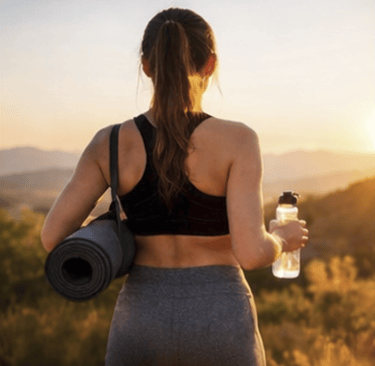
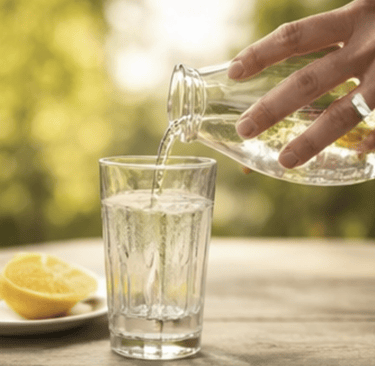
Water was another simple habit that made a bigger impact than I expected. I used to think hydration advice was boring and obvious. Of course I drink water, I would say defensively, while sipping my third coffee. But once I intentionally increased my water intake—starting the day with a full glass before caffeine, carrying a bottle with me, drinking consistently instead of chugging at night—I felt different. My workouts felt stronger. My skin looked brighter. My headaches became less frequent.
Hydration affects everything from muscle contraction to digestion to cognitive function. Even mild dehydration can increase fatigue and perceived effort during exercise. I used to interpret that fatigue as laziness or lack of discipline. In reality, sometimes I was just under-fueled and under-hydrated. There’s a humbling lesson in that. Not every struggle requires more force. Sometimes it requires more care.
Food, of course, remained a central piece of the puzzle. For a long time, vegetables felt like an obligation—something to tolerate in order to “earn” the rest of the meal. That mindset shifted when I stopped seeing vegetables as diet food and started seeing them as nourishment. Colorful roasted peppers, zucchini sautéed in olive oil with garlic, spinach folded into omelets, carrots dipped in hummus, roasted broccoli with lemon and parmesan. The more I experimented, the more I realized that vegetables aren’t punishment. They’re possibility.
Increasing vegetable intake naturally supports fiber consumption, which benefits digestion, blood sugar regulation, and satiety. They’re rich in micronutrients that support immune function, bone health, and cellular repair. But beyond the science, there’s something empowering about filling your plate with color. It feels abundant, not restrictive. And abundance is a much healthier emotional state than deprivation.
One of the most transformative habits I developed, though, had nothing to do with what I ate—it was how I listened. For years, I ignored hunger cues because I didn’t trust them. I believed hunger meant weakness. I believed fullness meant failure. Relearning those signals was uncomfortable at first. I started using a simple mental scale from one to ten. One meant completely empty; ten meant painfully stuffed. I aimed to begin eating around a three or four and stop around a six or seven.
It sounds simple, but it requires presence. It requires slowing down. It requires asking yourself, what do I actually need right now? Not what does the plan say. Not what did I eat yesterday. But what does my body need in this moment?

As women, we are often socialized to override our needs. We push through fatigue. We delay meals. We prioritize everyone else. Reconnecting with hunger and fullness cues is not just a nutrition strategy; it’s a reclamation of self-trust. And self-trust spills into everything else—career decisions, relationships, boundaries.
Movement also changed when I stopped treating it as a transaction. I used to exercise primarily to burn calories. If I ate more, I worked out longer. If I missed a session, I felt guilt creeping in. Over time, that approach drained the joy from something that once made me feel alive.
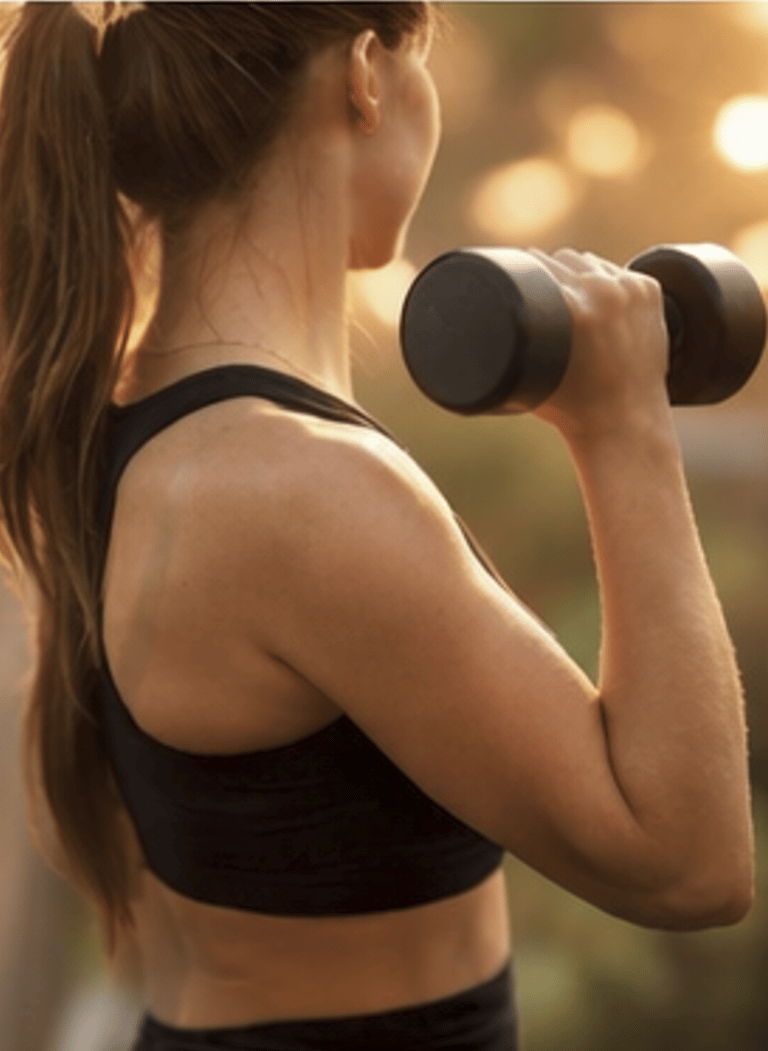
Now, I move because it makes me feel strong. Because lifting weights reminds me that my body is capable. Because walking outside clears my head in ways scrolling never could. Because dancing in the living room with my daughter feels like freedom.
Current public health guidelines recommend at least 150 minutes of moderate aerobic activity per week, along with strength training for major muscle groups twice weekly. But those numbers are not a moral scorecard. They’re a framework for health. Strength training, especially for women, is profoundly important—not just for aesthetics, but for bone density, metabolic rate, and long-term independence. Muscle is protective. It supports hormonal health and helps regulate blood sugar. It makes everyday life easier, from carrying groceries to playing with children.
I remember the first time I noticed my arms becoming defined. Not thin—defined. It felt different from the satisfaction of the scale dropping. It felt earned. It felt stable. Muscle doesn’t disappear after one indulgent weekend. It’s built through consistency. And consistency is far more forgiving than perfection.
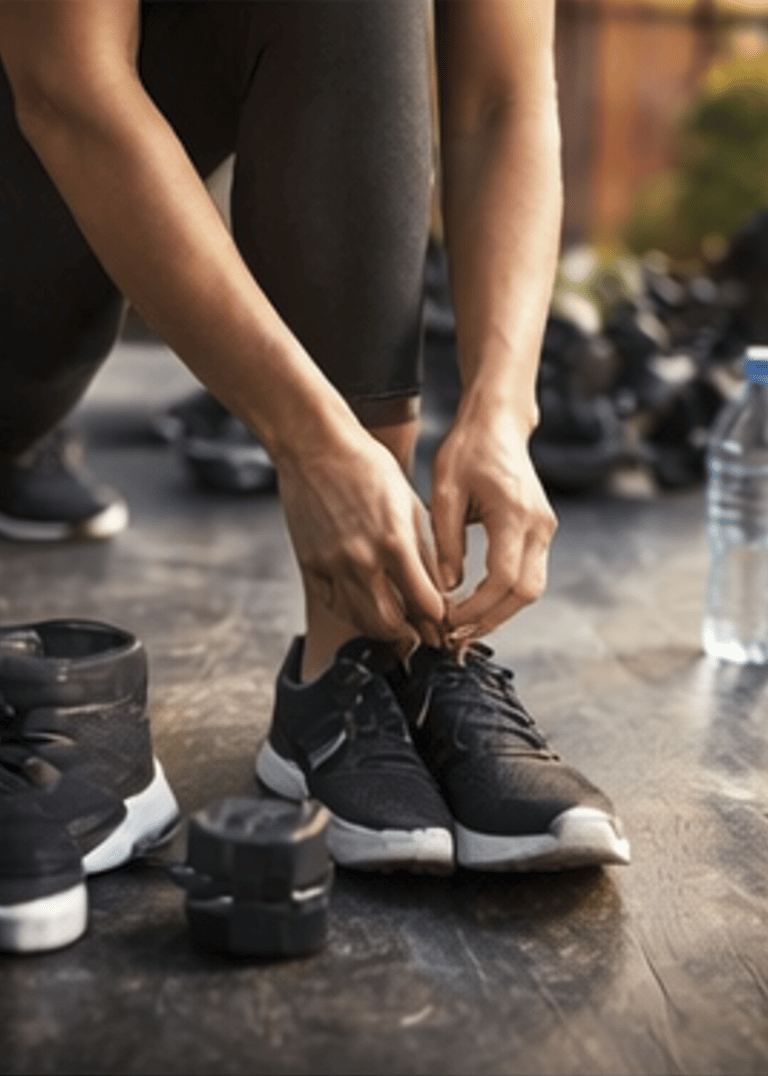
There were seasons when daily gym sessions weren’t realistic. Work deadlines, motherhood, travel—life doesn’t pause for fitness. In those moments, I learned to adapt instead of quit. Short home workouts. Ten-minute mobility flows. Long walks with a podcast. Fitness doesn’t require extremes. It requires commitment to showing up in some way, even if that way looks different than planned.
The emotional side of health might be the most underestimated. I used to roll my eyes at advice about gratitude and positive thinking. It sounded soft compared to macros and training splits. But mindset shapes behavior more than we realize. When I constantly criticized my body, I was more likely to punish it. When I practiced gratitude—writing down a few things each morning, acknowledging small wins—I felt more inclined to care for myself.
There’s research suggesting that gratitude practices are associated with improved well-being, better sleep, and even reduced perception of pain. But again, beyond the data, there’s lived experience. When I shifted from “I hate my thighs” to “I’m grateful my legs carry me,” my relationship with movement softened. When I shifted from “I failed this week” to “I showed up three times despite being exhausted,” consistency became easier.
Positive attitude doesn’t mean ignoring struggles. It means choosing a constructive lens. It means understanding that one meal doesn’t define you. One missed workout doesn’t erase progress. One difficult week doesn’t cancel years of growth.
Perhaps the most important realization in my journey is this: small changes compound. Waking up ten minutes earlier to prepare breakfast. Drinking one extra glass of water. Adding vegetables to one meal. Going for a walk instead of scrolling. Writing three lines in a gratitude journal. None of these actions feel dramatic. None of them will trend on social media. But over months and years, they reshape your identity.
You stop being someone who is “trying to get healthy” and become someone who lives in a healthy way.
And that identity shift is powerful.
I no longer chase rapid transformations. I chase sustainability. I ask myself: can I do this on a busy Tuesday in November? Can I maintain this during stressful seasons? If the answer is no, it’s not a lifestyle—it’s a phase.
There’s also a deeper layer to this, especially from a woman’s perspective. Our bodies change across menstrual cycles, pregnancies, postpartum seasons, perimenopause. Energy fluctuates. Appetite shifts. Strength ebbs and flows. A rigid plan doesn’t honor that reality. A lifestyle does.
There are weeks when I feel unstoppable in the gym, adding weight to the bar, craving intensity. There are weeks when a gentle walk and stretching feel more aligned. Listening to those rhythms has improved not only my physical results but my mental peace. Health is dynamic. It breathes.
I want my daughter to see that health is not about shrinking. It’s about expanding—expanding strength, confidence, resilience. It’s about nourishing yourself so you can show up fully in your life. It’s about modeling balance instead of obsession.

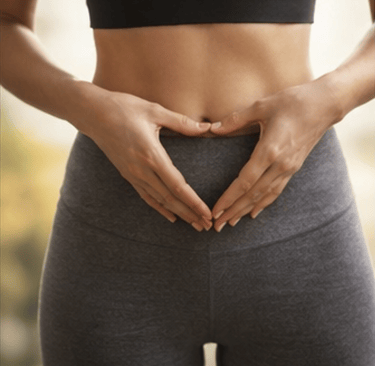
If I could speak to the younger version of myself, the one desperately searching for the next “amazing” diet, I would tell her this: there is no quick fix because you are not broken. Your body is not a problem to solve. It’s a partner to understand.
Start small. Eat breakfast. Drink water. Add vegetables. Lift something heavy. Walk outside. Go to bed earlier. Write down what you’re grateful for. Repeat. Not perfectly. Just consistently.
The journey doesn’t end. There is no final destination where you arrive and never think about health again. But there is a point where it becomes integrated, where the habits feel natural, where you trust yourself. And that trust—that quiet confidence—is worth far more than any number on a scale.
Looking back, I realize that achieving an overall healthy lifestyle was never about finding the perfect plan. It was about becoming the kind of woman who takes care of herself, not because she hates her body, but because she respects it. It was about trading extremes for steadiness, punishment for nourishment, urgency for patience.
And in that shift, I didn’t just change my habits.