
Matcha 101 – What It Is and How to Use It
1/15/20267 min read
Matcha 101 – What It Is and How to Use It
I love starting my day with a steaming cup of matcha green tea. Read on to learn how to make this energizing, antioxidant-packed drink at home!
Matcha 101 – What It Is and How to Use It: A Wellness Lover’s Honest Guide
If you’ve spent any time in the wellness world lately, you’ve probably noticed matcha everywhere — in lattes, smoothies, skincare routines, and morning rituals shared on social media. But if you’re new to it, matcha can feel a little mysterious. Is it just green tea? Does it really help with energy and weight management? And how do you actually use it without making it taste bitter?
That’s exactly why Matcha 101 – What It Is and How to Use It exists. This guide is designed to break matcha down in a simple, approachable way — no complicated tea ceremonies or confusing terminology required. As someone who genuinely enjoys natural wellness products and has incorporated matcha into daily life, I want to walk you through what matcha really is, how it tastes, how good the quality is, and how you can use it in ways that actually fit real life.
Let’s start at the beginning.
What Is Matcha, Really? (And Why People Love It)
Matcha is a finely ground powder made from specially grown green tea leaves. Unlike regular green tea — where you steep the leaves and throw them away — with matcha, you consume the entire leaf. That’s why it’s so rich in antioxidants, nutrients, and plant compounds.
One of the biggest reasons people are switching from coffee to matcha is the type of energy it provides. Matcha contains caffeine, but it’s balanced with L-theanine, an amino acid that promotes calm focus. Instead of a sharp spike and crash, matcha offers steady, clean energy that feels supportive rather than jittery.
Beyond energy, matcha is loved for:
Supporting metabolism and fat oxidation
Helping with mental clarity and focus
Being gentle on digestion
Supporting skin health from the inside out
Matcha 101 – What It Is and How to Use It does a great job explaining these benefits without overhyping or overwhelming the reader.
A Detailed Review of Matcha 101 – What It Is and How to Use It
Taste Experience
One of the biggest fears people have with matcha is the taste — and honestly, that fear is understandable. Low-quality matcha can be bitter, grassy, and unpleasant.
What I appreciate about the matcha featured in Matcha 101 is that it’s smooth, mildly earthy, and naturally creamy when prepared correctly. There’s a subtle sweetness that pairs beautifully with milk (especially almond, oat, or coconut milk) and even fruits like banana or strawberry.
It doesn’t taste like “health food punishment.” Instead, it feels comforting and grounding — something you actually look forward to drinking.
Quality and Texture
Quality matters a lot with matcha, and Matcha 101 explains this clearly. The powder is:
Finely milled (no gritty texture)
Vibrant green (a sign of freshness)
Easy to whisk or blend
When mixed with hot water, it dissolves smoothly. In smoothies, it blends evenly without clumps — which is important if you’re using it daily.
From a wellness perspective, this level of quality makes it easier to stay consistent. You don’t have to fight the product to enjoy it.
Packaging and Presentation
The packaging is clean, calming, and practical. It protects the matcha from light and air, which helps preserve freshness. I also appreciate that it feels intentional — not overly flashy, but still aesthetically pleasing if you enjoy beautiful wellness products in your kitchen.
Good packaging might seem minor, but when something looks inviting, you’re more likely to actually use it.
Pros and Cons (Honest Thoughts)
Pros
Smooth, pleasant taste when prepared correctly
Clean energy without coffee crashes
Easy to use for beginners
Versatile (drinks, smoothies, recipes)
Feels aligned with a mindful wellness lifestyle
Cons
Takes a little practice to prepare perfectly
Higher quality matcha costs more than regular tea
Not ideal if you dislike earthy flavors entirely
None of these are deal-breakers, but they’re worth knowing upfront. Matcha isn’t meant to replace everything — it’s meant to complement a balanced routine.
How to Use Matcha 101 in Everyday Life
This is where Matcha 101 really shines — it makes matcha feel doable, not intimidating.
1. Morning Matcha Latte (Coffee Alternative)
Instead of starting the day overstimulated, matcha offers a calmer start.
Simple latte idea:
1 teaspoon matcha
Hot water (not boiling)
Warm milk of choice
Optional honey or maple syrup
This is my favorite way to ease into the day — especially on workdays when focus matters.
2. Matcha Banana Smoothie (Skin + Energy Boost)
Matcha pairs beautifully with bananas, which add natural sweetness and creaminess.
Easy smoothie combo:
1 frozen banana
½ teaspoon matcha
Almond or oat milk
Optional spinach or collagen powder
This is perfect post-workout or mid-morning when you need energy without heaviness.
3. Afternoon Focus Reset
Instead of reaching for a second coffee, a small matcha drink helps avoid afternoon crashes. The mental clarity feels gentle but effective — especially for creative or focused tasks.
4. Matcha in Recipes
Matcha isn’t only for drinks. You can mix it into:
Oatmeal
Yogurt
Protein balls
Pancake batter
This makes it easy to enjoy the benefits even if you’re not in the mood for a drink.
Who Is Matcha 101 Best For?
Matcha 101 is especially helpful if you:
Are curious about matcha but don’t know where to start
Want natural energy instead of coffee crashes
Care about skin health and internal wellness
Enjoy slow, intentional daily rituals
Prefer simple explanations over complicated wellness jargon
It’s beginner-friendly, but still valuable if you already enjoy matcha and want to deepen your understanding.
Final Thoughts: Is Matcha 101 Worth It?
As someone who values wellness that feels realistic, enjoyable, and sustainable, I genuinely appreciate how Matcha 101 – What It Is and How to Use It is presented. It doesn’t promise miracles. Instead, it offers education, guidance, and inspiration — which is exactly what most people need when trying something new.
If you’re looking for a way to support energy, focus, metabolism, and overall well-being without extremes, matcha is absolutely worth exploring. And Matcha 101 is a thoughtful, approachable place to begin.
I would confidently recommend it to anyone who wants to feel better, not just “do better” — because wellness should feel good, not complicated.
Matcha 101: What Matcha Is, Why People Love It, and How to Use It Every Day
A few years ago, I kept seeing matcha everywhere — on café menus, in smoothies, skincare products, and Pinterest recipes. At first, I thought it was just another wellness trend. But once I actually started drinking matcha regularly, I understood why so many people quietly switch to it and never look back.
Matcha isn’t about extreme detoxes or quick fixes. It’s gentle. It fits into real life. And once you learn how to use it, it becomes one of those small daily habits that makes you feel better without trying too hard.
If you’ve ever wondered what matcha really is, how it’s different from green tea, or how to use matcha at home without making it complicated, this guide is for you.
What Is Matcha, Really?
Matcha is a finely ground green tea powder made from specially grown tea leaves in Japan. Unlike regular green tea, where you steep the leaves and throw them away, matcha lets you drink the entire leaf. That’s what makes it different — and more powerful.
Because you consume the whole leaf, matcha contains higher levels of antioxidants, chlorophyll, and natural plant compounds that support overall wellness.
It has a rich green color and a taste that’s slightly earthy and grassy. Some people describe it as “green” or “fresh.” If you’re used to sweet drinks, it may take a few cups to fall in love — but once you do, it’s hard to stop.
Keyword naturally used: what is matcha, matcha green tea powder, matcha benefits
Why Matcha Feels Different Than Coffee
Yes, matcha contains caffeine — but it doesn’t feel like coffee.
Coffee often hits fast and hard, followed by jitters, anxiety, or an energy crash. Matcha, on the other hand, contains L-theanine, a natural amino acid that helps the body absorb caffeine more slowly.
The result?
Calm, steady energy
Better focus
No crash
No shaky feeling
Many people drink matcha for energy, weight loss support, and mental clarity — especially women who feel sensitive to coffee.
Keyword naturally used: matcha vs coffee, matcha for energy, matcha for weight loss
Health & Wellness Benefits of Matcha
Matcha isn’t magic — but it does support the body in gentle, consistent ways.
1. Rich in Antioxidants
Matcha is packed with antioxidants that help protect cells from damage and support overall health.
2. Supports Metabolism
Matcha may help support fat metabolism when combined with a balanced diet and movement.
3. Better Focus & Mood
Thanks to L-theanine, matcha supports mental clarity while helping reduce stress.
4. Skin & Glow Support
Antioxidants in matcha support skin health from the inside out, which is why it’s often linked to a natural glow.
Keyword naturally used: matcha antioxidants, matcha for glowing skin, matcha wellness
How to Choose Good Matcha (Without Overthinking It)
Not all matcha is the same, and poor-quality matcha can taste bitter and dull.
Here’s how to choose better matcha:
Look for ceremonial grade for drinking
Color should be bright green, not yellow or brown
Ingredients list should say 100% matcha
Avoid very cheap powders — quality matters
You don’t need the most expensive option, just a clean, fresh one.
How to Use Matcha in Daily Life (Simple Ways)
You don’t need a Japanese tea ceremony to enjoy matcha. Here are easy, realistic ways to use it:
Morning Matcha Tea
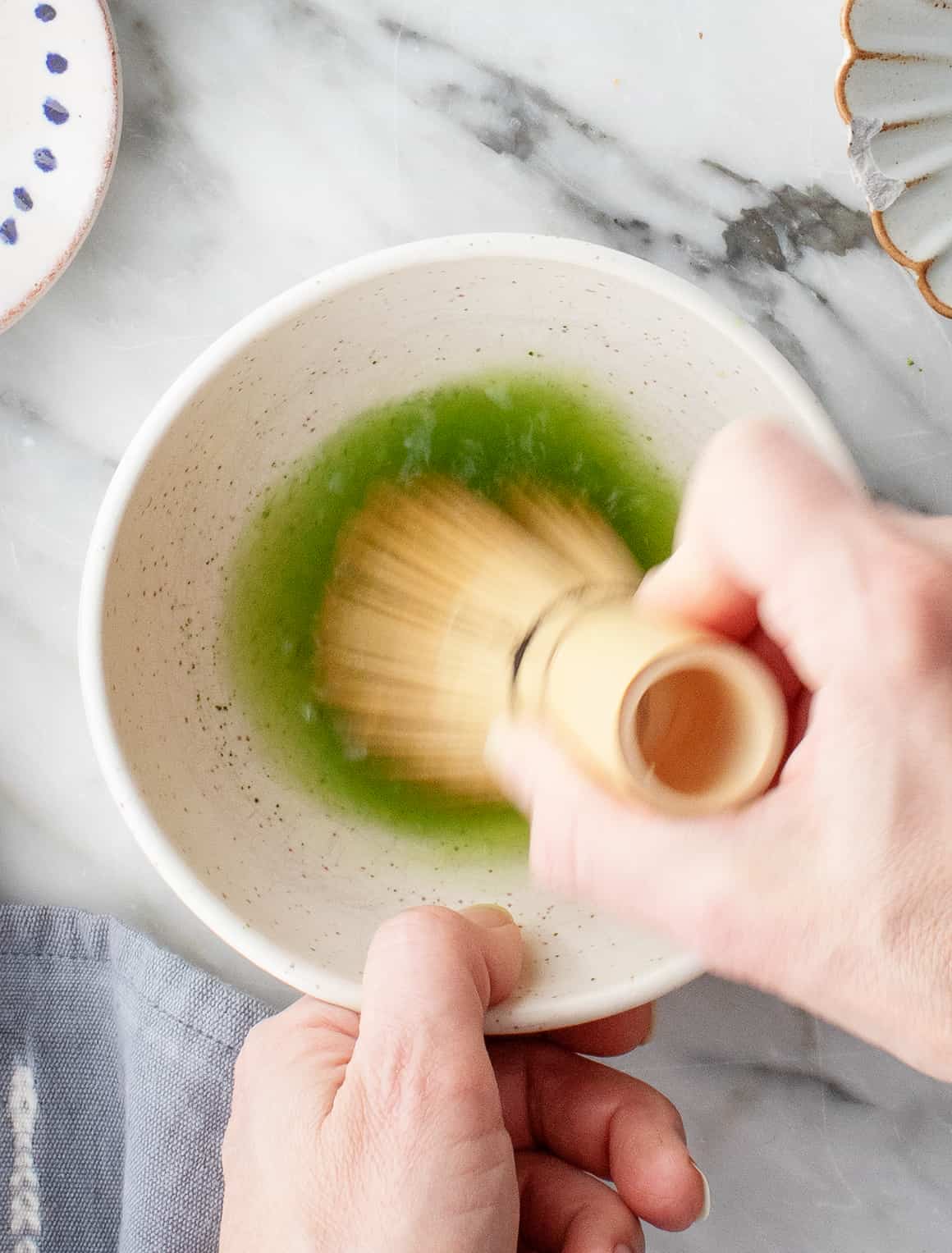
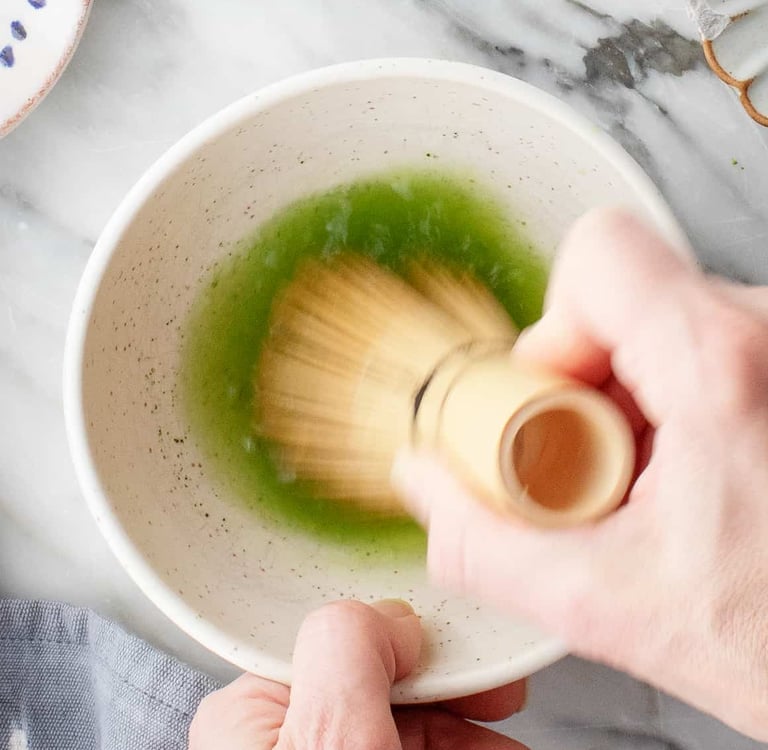
Whisk matcha with warm water and enjoy it slowly instead of coffee.
Matcha Latte
Mix matcha with almond milk, oat milk, or coconut milk for a creamy drink.
Matcha Smoothies
Add ½ teaspoon of matcha to banana or berry smoothies for extra energy.
Iced Matcha
Perfect for warm days — refreshing and light.
Keyword naturally used: how to use matcha, matcha daily routine, matcha recipes
How to Make Matcha at Home (Beginner Friendly)
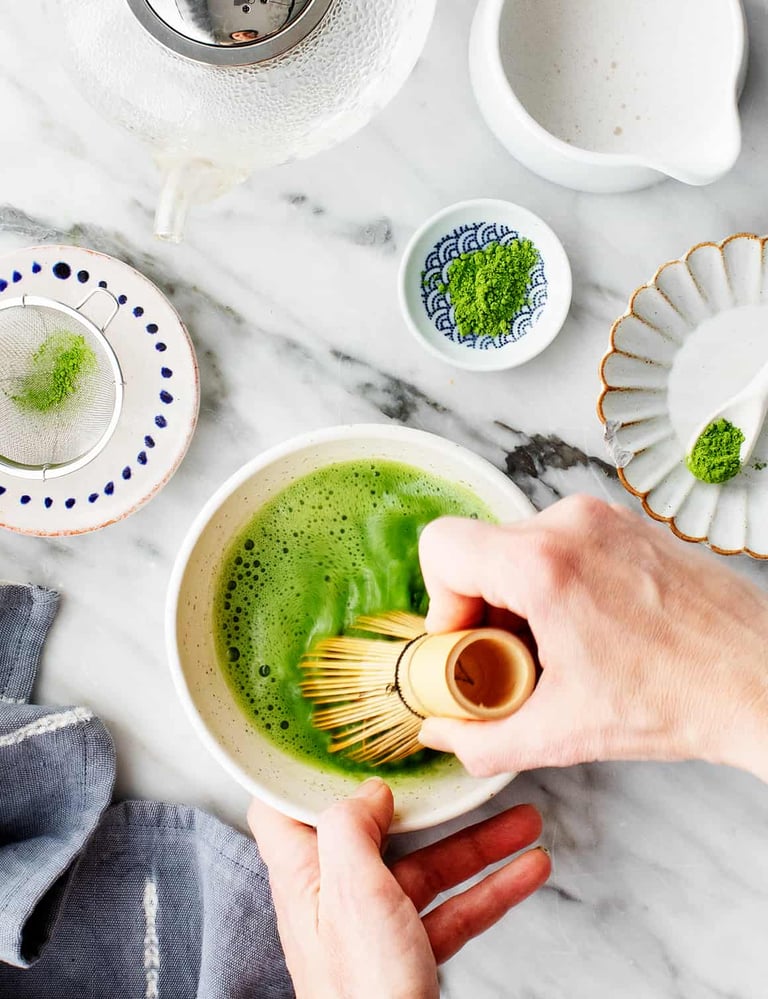
You’ll need:
¼ teaspoon matcha powder
Warm water (not boiling)
Whisk or milk frother
Steps:
Add matcha to a cup
Pour in a little warm water
Whisk side-to-side until smooth and foamy
Add more water or milk
Sweeten lightly if needed
That’s it. No stress.
Pros and Cons of Matcha (Honest Take)
Pros
✔ Calm energy
✔ No crash
✔ Supports wellness
✔ Easy daily habit
✔ Beautiful ritual
Cons
✖ Good matcha can be pricey
✖ Taste takes time to love
✖ Needs proper storage
Final Thoughts: Is Matcha Worth Trying?
If you’re looking for something that supports energy, wellness, and balance — without pushing your body — matcha is absolutely worth trying.
It’s not about perfection or trends. It’s about choosing something that feels good long-term. One cup at a time.