
Matcha vs Coffee for Weight Loss
1/14/20267 min read
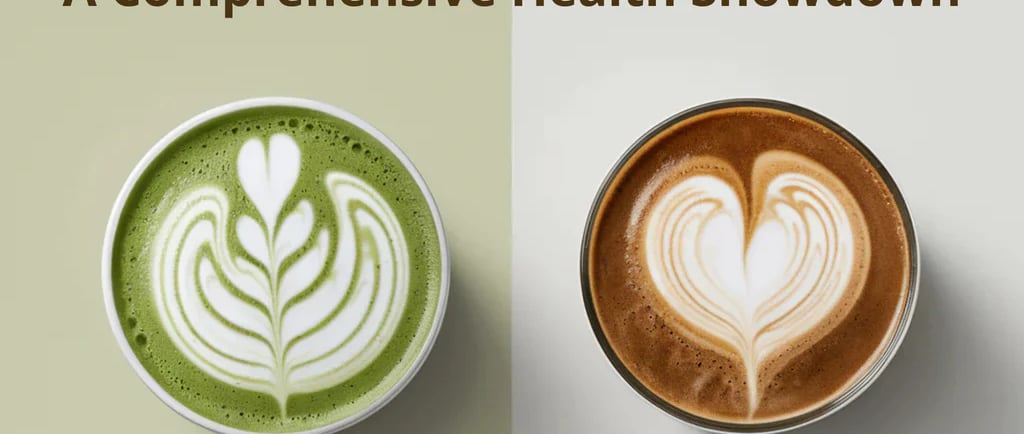
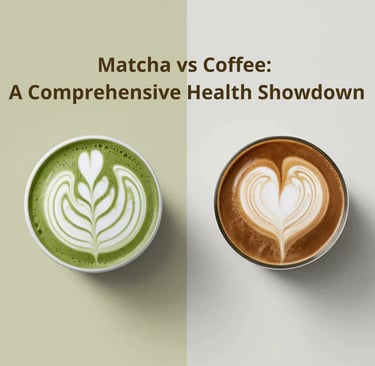
Matcha vs Coffee for Weight Loss: Beauty, Energy, and Wellness Benefits Explained
When it comes to weight loss, beauty, and everyday energy, two drinks dominate the conversation: matcha and coffee. Both are beloved rituals, both contain caffeine, and both promise metabolism-boosting benefits. But when your goals go beyond the scale—toward glowing skin, balanced hormones, steady energy, and sustainable wellness—the comparison becomes much more interesting.
In this guide, we’ll explore matcha vs coffee for weight loss, while also highlighting how banana smoothies can elevate both drinks into beauty-boosting, nourishing rituals that support your body from the inside out. Whether you’re trying to slim down, improve your skin, or simply feel better in your daily routine, this comparison will help you make empowered choices.
Understanding Weight Loss Beyond Calories
Weight loss isn’t just about burning calories—it’s about:
Hormonal balance
Stable energy levels
Blood sugar regulation
Stress management
Nutrient density
This is where your daily beverages matter more than you think. Coffee and matcha affect your metabolism, appetite, cortisol levels, digestion, and skin health in very different ways.
Matcha vs Coffee: A Quick Overview
Coffee
High caffeine content
Fast energy boost
Strong appetite suppression (short-term)
Can increase cortisol and stress hormones
Matcha
Moderate caffeine + L-theanine
Calm, focused energy
Supports fat oxidation
Rich in antioxidants that benefit skin and hormones
Both can support weight loss—but not in the same way.
Key Nutrients That Support Weight Loss & Beauty
Matcha: A Nutrient Powerhouse
Matcha is made from whole green tea leaves, meaning you consume the entire leaf—not just an infusion. This makes it exceptionally nutrient-dense.
Key compounds in matcha:
EGCG (catechins): Boost fat oxidation and target belly fat
Chlorophyll: Supports detoxification and clear skin
L-theanine: Reduces stress and balances caffeine
Antioxidants: Help fight premature aging and inflammation
These nutrients don’t just help with weight loss—they support glowing skin, reduced puffiness, and improved digestion, making matcha a favorite in beauty and wellness routines.
Coffee: Powerful but Intense
Coffee’s main active compound is caffeine, which:
Increases thermogenesis (calorie burn)
Enhances physical performance
Suppresses appetite temporarily
However, coffee lacks the antioxidant balance of matcha and can:
Spike cortisol (stress hormone)
Trigger sugar cravings
Disrupt digestion if consumed on an empty stomach
For some people, this stress response can make belly fat loss more difficult over time.
How Matcha and Coffee Affect Energy Levels
Energy quality matters just as much as energy quantity.
Coffee energy:
Fast, intense boost
Peaks quickly
Often followed by a crash
Matcha energy:
Slow, steady release
Calm focus without jitters
Longer-lasting mental clarity
For women especially, stable energy supports hormonal balance, mood, and skin health, all of which play a role in sustainable weight loss.
The Beauty Benefits: Skin, Glow, and Aging
Matcha for Skin Health
Matcha’s antioxidants help:
Reduce inflammation linked to acne
Protect skin from environmental damage
Improve elasticity and hydration
EGCG has been shown to support collagen health and reduce redness, making matcha a favorite in both skincare and wellness communities.
Coffee and Skin
Coffee does contain antioxidants, but:
Excess caffeine may dehydrate the skin
Cortisol spikes can worsen breakouts
Poor sleep from late coffee consumption impacts skin repair
When consumed mindfully, coffee can be part of a beauty routine—but it’s less forgiving than matcha.
Where Banana Smoothies Fit Into the Picture
Banana smoothies are an often-overlooked tool for weight loss, energy, and beauty—especially when paired with matcha or coffee.
Why Bananas Are a Wellness Staple
Bananas provide:
Potassium: Reduces bloating and supports muscle recovery
Vitamin B6: Supports energy metabolism and hormone balance
Natural carbs: Gentle, sustained energy
Fiber: Supports digestion and appetite control
When blended into smoothies, bananas help stabilize blood sugar, preventing crashes from caffeine and improving nutrient absorption.
Matcha Banana Smoothie for Weight Loss & Glow
This combination is ideal for:
Hormone-friendly fat loss
Clear, radiant skin
Calm, focused energy
Easy Matcha Banana Smoothie Recipe
Ingredients:
1 ripe banana
1 tsp ceremonial or culinary matcha
1 cup unsweetened almond milk
1 scoop protein powder (optional)
Ice or water as needed
Benefits:
Steady energy without jitters
Antioxidant-rich glow support
Appetite control and digestion support
Perfect for mornings, post-walk fuel, or an afternoon pick-me-up.
Coffee Banana Smoothie for Performance Energy
Coffee can still be part of a balanced routine—especially when softened with nourishing ingredients.
Coffee Banana Smoothie Recipe
Ingredients:
1 small banana
½ cup cold brew coffee
½ cup milk or plant milk
1 tsp cinnamon
Optional protein powder
Benefits:
Faster energy for workouts
Reduced stomach irritation
More stable blood sugar than black coffee alone
This is best used before workouts or busy mornings, rather than as an all-day habit.
Appetite Control & Cravings
One of the biggest challenges in weight loss is managing hunger and cravings.
Coffee:
Suppresses appetite temporarily
Can increase cravings later due to cortisol drops
Matcha:
Helps regulate blood sugar
Reduces emotional eating
Supports mindful eating habits
Pairing either drink with a banana smoothie makes appetite control more sustainable and nourishing.
Hormones, Stress, and Belly Fat
Chronic stress is one of the biggest barriers to weight loss—especially belly fat loss.
Coffee can elevate cortisol when overused
Matcha supports a calmer nervous system
If weight loss has felt difficult despite eating well, switching one daily coffee to matcha can make a noticeable difference in stress levels, digestion, and sleep quality.
How to Incorporate Matcha, Coffee & Banana Smoothies Daily
A Balanced Daily Routine
Morning
Coffee banana smoothie before workouts or
Matcha banana smoothie for calm energy
Midday
Matcha latte or iced matcha for focus
Afternoon
Banana smoothie without caffeine to prevent crashes
Evening
Avoid caffeine to support skin repair and fat-burning sleep cycles
Consistency matters more than perfection.
Matcha vs Coffee: Which Is Better for Weight Loss?
The answer depends on your goals.
Choose coffee if you want:
Short-term fat burning
Workout performance
Intense energy bursts
Choose matcha if you want:
Sustainable weight loss
Hormonal balance
Clear skin and steady energy
For most people, the best approach is using both intentionally, supported by nourishing banana smoothies that protect your metabolism and beauty from the inside out.
Final Thoughts: Weight Loss That Supports Beauty & Wellness
True weight loss isn’t about restriction—it’s about supporting your body. Matcha, coffee, and banana smoothies can all play a role when used mindfully.
By choosing nutrient-rich combinations, calming your nervous system, and fueling your body consistently, you don’t just lose weight—you gain:
Better energy
Clearer skin
Improved digestion
A healthier relationship with food
And that’s the kind of glow-up that lasts.
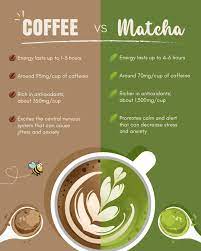
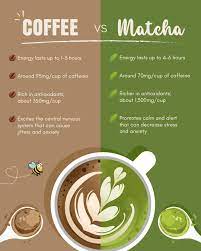
Why I Chose Matcha Over Coffee (And Why You Might Too)
If you’re like most people, coffee has probably been part of your life for years. Morning coffee. Afternoon coffee. Coffee when you’re tired, stressed, or just trying to get through the day.
That was me too.
But at some point, I started noticing something. Coffee gave me energy… and then it took it away. I felt jittery, anxious, hungry an hour later, and completely drained by mid-afternoon. That’s when I decided to try matcha.
I didn’t expect much. But the difference was real.
This isn’t a scientific debate or a “coffee is bad” post. It’s a simple, honest comparison of how matcha and coffee actually feel in real life, and why matcha slowly became my go-to.
First Things First: What Is Matcha?
Matcha is a type of green tea from Japan, but it’s not like the tea bags most of us grew up with.
Instead of steeping leaves and throwing them away, matcha is ground into a fine green powder and whisked into water. That means you drink the whole leaf.
Because of that, matcha is:
Stronger than regular green tea
More nourishing
More balanced in how it affects your body
The taste is earthy and smooth, not bitter. Good matcha has a gentle sweetness and feels comforting — especially in the morning.
Coffee Energy vs Matcha Energy (Big Difference)
Let’s talk about what most people actually care about: energy.
Coffee Energy
Coffee hits fast.
You feel awake almost immediately.
But for many people, it also brings:
Shaky hands
A racing heart
Anxiety
A sudden crash later
That crash often leads to:
More coffee
Sugar cravings
Feeling exhausted by afternoon
Matcha Energy
Matcha feels different.
It wakes you up, but slowly and smoothly. You feel alert, focused, and calm at the same time. No shaking. No heart racing. No sudden crash.
You don’t feel “wired.”
You feel clear.
That’s why people often say matcha gives “clean energy.”
Why Matcha Feels Calmer Than Coffee
The reason is simple.
Matcha contains L-theanine, a natural compound that helps your body relax. When combined with caffeine, it changes how that caffeine works.
Instead of:
Nervous energy
Stress
A sharp spike
You get:
Steady focus
Calm alertness
Longer-lasting energy
This is why people often drink matcha:
While working
While studying
During creative tasks
In the afternoon without ruining sleep
Coffee wakes you up.
Matcha keeps you balanced.
How Matcha and Coffee Affect Your Body
Coffee
Coffee isn’t evil — but it can be harsh on the body if you drink it often.
Common issues:
Stomach irritation
Anxiety or tension
Headaches when you skip it
Feeling dependent on it
For some people, coffee also increases stress hormones, which can make weight loss and skin issues harder.
Matcha
Matcha is gentler.
People often notice:
Better digestion
Less bloating
Fewer cravings
More stable moods
Because matcha contains antioxidants and plant compounds, it supports your body instead of just pushing it for energy.
Skin & Beauty: Where Matcha Really Shines
This is one of the biggest reasons people switch to matcha.
Matcha supports:
Clearer skin
Less inflammation
A healthier glow
Why?
Because it’s rich in antioxidants that help calm inflammation inside the body — and inflammation often shows up as:
Acne
Redness
Dull skin
Coffee, especially in large amounts, can dehydrate you and worsen breakouts for some people.
Matcha for Weight Loss (Without Stress)
Weight loss isn’t just about burning calories. It’s about:
Hormones
Stress
Blood sugar
Energy balance
Matcha helps because:
It gently boosts metabolism
It reduces stress eating
It helps control cravings
Coffee may burn fat faster short-term, but matcha supports long-term balance, which matters more.
The Easiest Way to Enjoy Matcha (No Fancy Tools)
You don’t need a traditional whisk or ceremony.
Simple matcha:
Add ½–1 teaspoon matcha to a cup
Add warm (not boiling) water
Stir or shake well
Add milk if you like
That’s it.
Matcha + Banana Smoothie (So Good, So Easy)
If you want energy, glowing skin, and fewer cravings, this is a great option.
Simple Matcha Banana Smoothie
1 banana
1 tsp matcha
1 cup milk or plant milk
Ice (optional)
This combo:
Keeps you full
Balances blood sugar
Feels nourishing, not heavy
It’s perfect for mornings or afternoons.
Do You Have to Quit Coffee?
No.
This isn’t about choosing sides.
Many people:
Keep coffee for busy mornings or workouts
Use matcha for daily energy and focus
The goal isn’t perfection — it’s how you feel.
Final Thoughts
If coffee works for you and you love it, that’s okay.
But if you:
Feel anxious after coffee
Crash in the afternoon
Struggle with cravings
Want better skin and steadier energy
Matcha is worth trying.
It doesn’t force your body.
It supports it.
And once you feel the difference, it’s hard to go back.
