Maui & Oahu: Between Waterfalls and Waves
What happens when Maui’s lush serenity meets Oahu’s vibrant energy? In this deeply personal travel story, I share my journey through two of Hawaii’s most captivating islands — from driving the breathtaking Road to Hana and watching sunrise above the clouds at Haleakalā, to surfing the waves of Waikiki Beach and hiking Diamond Head at golden hour.
2/12/20267 min read
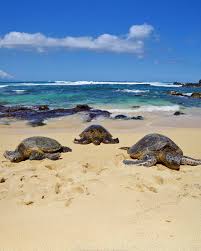
There are places in the world that feel like postcards. And then there is Hawaii — which feels like stepping inside a living, breathing dream.
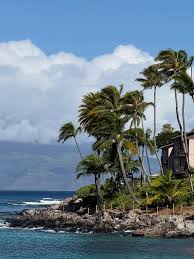
I still remember the first morning in Maui. I woke up before my alarm, not because of jet lag, but because something felt different. The air drifting in through the balcony door was soft and floral, and when I stepped outside, the sky was just beginning to lighten. The first rays of the sun slowly wrapped Maui’s emerald mountains in gold, and the Pacific stretched endlessly in front of me, calm and impossibly blue. In that quiet moment, barefoot and still half-asleep, I felt it — that deep, grounding feeling that this journey was going to stay with me.
Hawaii had always been one of those destinations that felt both familiar and mythical. We grow up seeing it in movies: surfers, volcanoes, palm trees, hula dancers. But what struck me almost immediately was how layered it is. Each island has its own personality, its own rhythm. And if you truly want to understand Hawaii, you don’t just visit one island — you let yourself experience at least two. For me, that meant combining Maui’s softness and natural drama with Oahu’s vibrant energy and cultural depth.
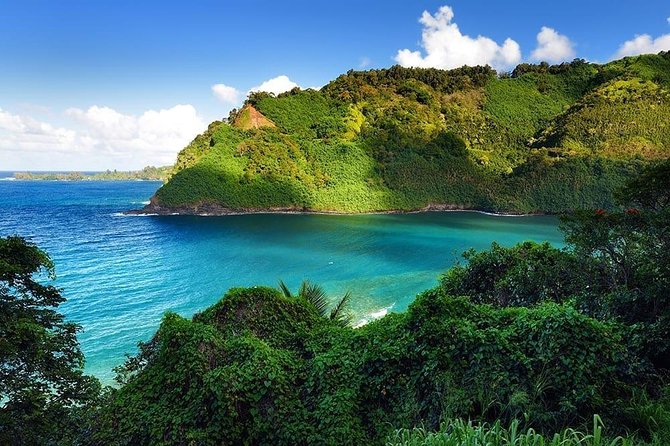
Maui is often called “The Valley Isle,” and once you see its lush green peaks rising dramatically from the coastline, you understand why. But the real magic begins when you get into a car and start driving the legendary Road to Hana. I had read about it, of course — 600+ curves, nearly 60 bridges, waterfalls at every turn — but nothing prepares you for the sensory overload of that day.
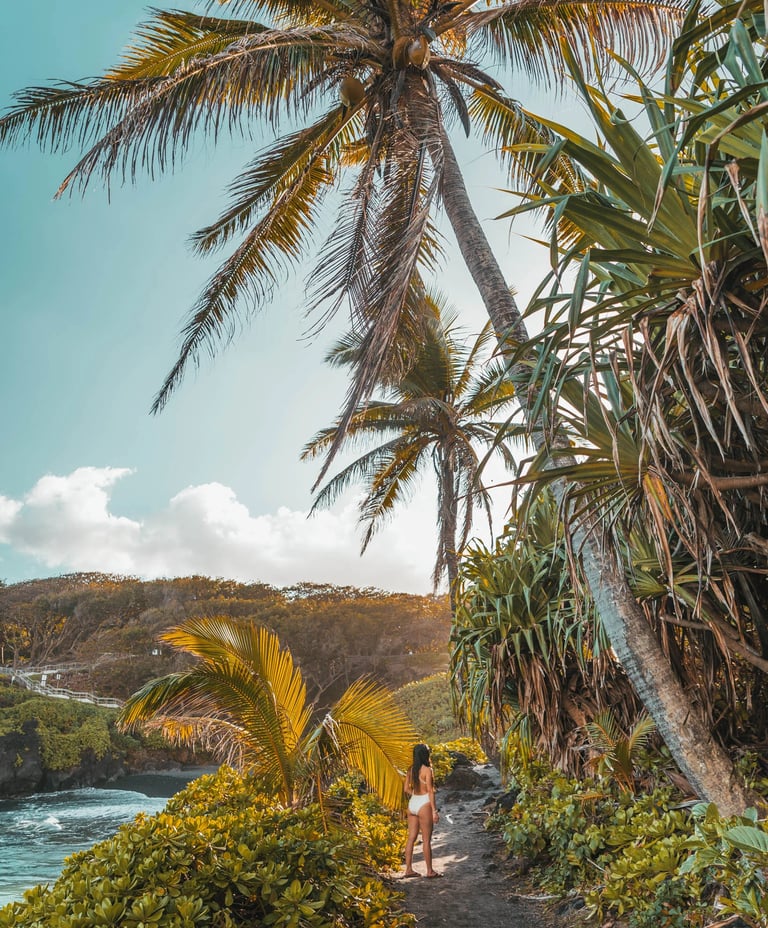
The road is narrow and winding, and you quickly learn that this is not a journey you rush. It’s about the stops. Every few miles, there’s something that makes you pull over — a waterfall cascading down moss-covered rocks, a hidden black sand beach, a bamboo forest that whispers when the wind moves through it. At one stop, I stood beneath a waterfall, the water cool against my sun-warmed skin, laughing like a child. At another, I walked through a dense bamboo grove where the light filtered through in thin golden lines, creating an almost sacred atmosphere.
The scent along the Road to Hana is something I wish I could bottle. Wet earth. Tropical flowers. Sea salt. Fresh rain. Hawaii doesn’t just look beautiful — it smells alive.
If you go, start early. Download an offline map because cell service disappears quickly. Bring water, snacks, and patience. The journey can easily take 10–12 hours if you truly stop and explore. And please, drive respectfully — locals use this road daily. Pull over to let faster cars pass. Hawaii teaches you quickly that slowing down is not optional; it’s part of the experience.
Back on the west side of Maui, evenings felt completely different. Lahaina, with its historic charm and oceanfront setting, comes alive at sunset. There’s something undeniably romantic about walking along Front Street as the sky turns shades of peach and coral. Street musicians play softly, restaurants fill with laughter, and the silhouette of neighboring islands appears on the horizon. I found myself lingering over dinner — fresh mahi-mahi, grilled pineapple, a chilled glass of wine — while the sky performed its nightly masterpiece.
Maui is also home to Haleakalā, a dormant volcano that rises over 3,000 meters above sea level. Watching the sunrise from the summit is often described as spiritual, and I understand why. You wake in darkness, drive up through shifting climate zones, and suddenly you’re above the clouds. When the sun rises, it doesn’t just brighten the sky — it paints the crater in deep reds, oranges, and purples. It feels lunar, otherworldly. Bring layers; it’s cold up there, often under 10°C before sunrise. But standing there, wrapped in a jacket, watching the light slowly reveal the vast crater below, I felt incredibly small — in the best possible way.
After several days immersed in Maui’s softness, it was time for Oahu. The flight between islands is short — about 30–40 minutes — and surprisingly affordable if booked in advance. As the plane descended toward Honolulu, I could already sense the shift in energy. High-rises, highways, movement. Oahu is where modern city life meets raw natural beauty.
Waikiki Beach is iconic for a reason. Yes, it’s lively. Yes, it’s popular. But there’s something special about standing on that stretch of sand with Diamond Head crater rising in the background. I decided, somewhat impulsively, that if I was in Hawaii, I had to try surfing. And let me tell you — surfing looks much easier from the shore. After several failed attempts and a lot of saltwater in my nose, I finally stood up on the board for a few glorious seconds. The feeling of catching a wave, even briefly, is pure joy. There’s a reason surfing is more than a sport here — it’s part of the culture, deeply rooted in Hawaiian history.
Oahu also carries a profound historical weight. Visiting Pearl Harbor was one of the most emotional parts of the trip. Standing above the USS Arizona Memorial, looking down into the water where the ship still rests, is sobering. It’s quiet there. Respectful. You feel the gravity of history. It’s important to book tickets in advance, especially during peak seasons, and to approach the experience with awareness and respect.
For a different kind of perspective, I hiked up Diamond Head one early morning. The trail isn’t extremely long — about 2.6 km round trip — but it’s steep in sections, with stairs and tunnels carved into the crater. When you reach the top, the view is breathtaking. Waikiki’s skyline curves along the turquoise coastline, the Pacific stretches endlessly, and the wind carries the scent of salt and sunshine. It’s one of those views that makes you pause, even if you’re slightly out of breath.
What I loved most about combining Maui and Oahu was the contrast. Maui felt intimate, grounded, deeply connected to nature. Oahu felt dynamic, alive, culturally layered. In Honolulu, I could enjoy rooftop dinners, browse local boutiques, and then within an hour be hiking through rainforest or snorkeling in Hanauma Bay’s protected marine sanctuary. (If you plan to visit Hanauma Bay, reservations are required and numbers are limited to protect the ecosystem — something I deeply respect about Hawaii’s approach to conservation.)
Evenings in Oahu had their own magic. One night, I attended a traditional luau. It could easily feel touristy, but when done thoughtfully, it becomes a celebration of Hawaiian and Polynesian heritage. The rhythmic drumming, the storytelling through hula, the fire dancers spinning flames against the night sky — it was mesmerizing. The scent of roasted pork cooked in an underground imu oven mixed with sweet pineapple and ocean air. Sitting there, toes in the sand, listening to the music under a sky full of stars, I felt completely present.
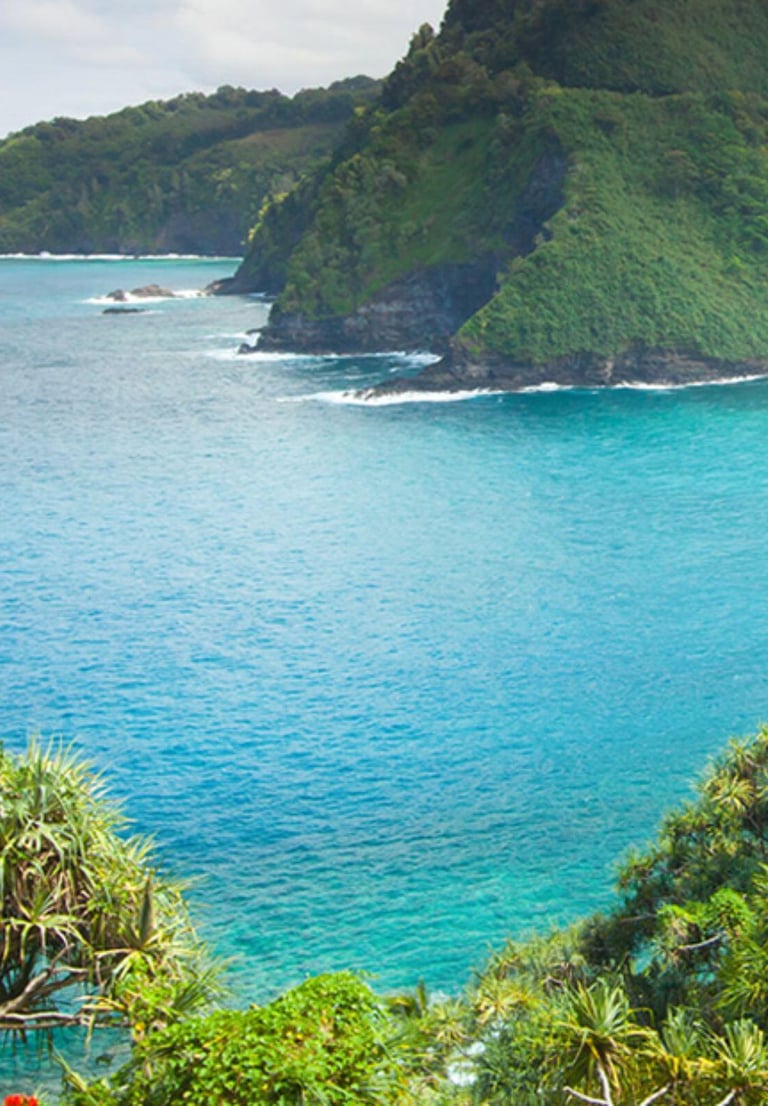
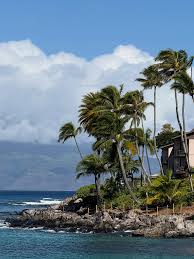
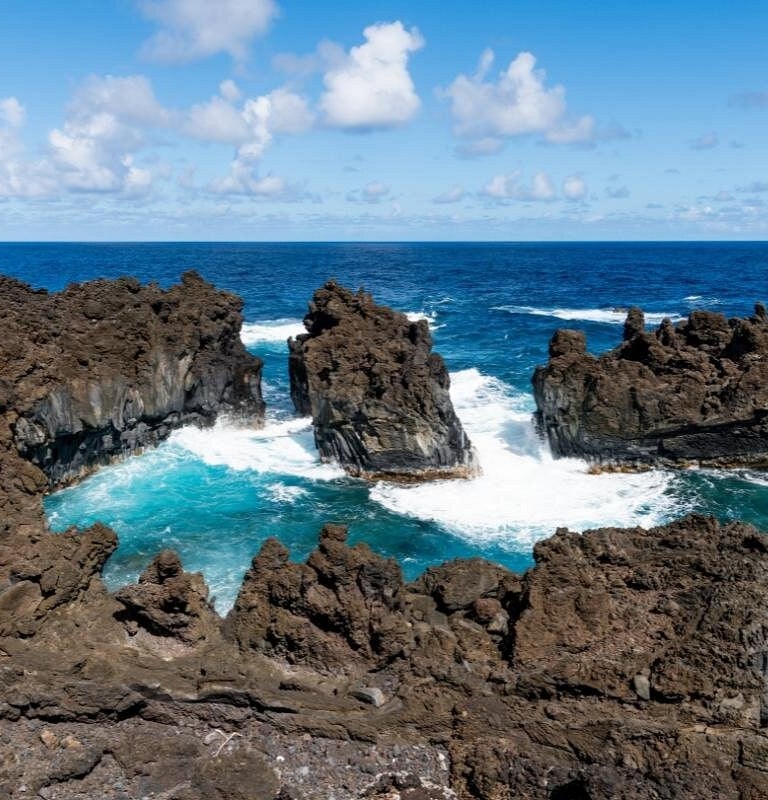
Hawaii is not just about beaches, although they are spectacular. It’s about contrasts. Black sand beaches formed by volcanic activity. Dramatic cliffs where waves crash powerfully below. Botanical gardens bursting with hibiscus, plumeria, and orchids. It’s about understanding that this is not just a vacation playground — it’s someone’s home, with a rich Polynesian culture and deep respect for land and ocean.
From a practical standpoint, Hawaii is part of the United States, so for many travelers there are no visa complications. The currency is the US dollar. The best time to visit is generally from April to June and September to October, when the weather is warm but crowds are lighter. Temperatures remain pleasant year-round, typically between 24–30°C along the coast. Renting a car, especially on Maui, is essential if you want to explore beyond your hotel.
Traveling as a woman, I felt safe throughout both islands. Of course, common sense always applies — especially in city areas at night — but overall Hawaii felt welcoming and relaxed. There’s an underlying spirit here called “aloha.” It’s more than a greeting. It’s a philosophy of kindness, respect, and harmony.