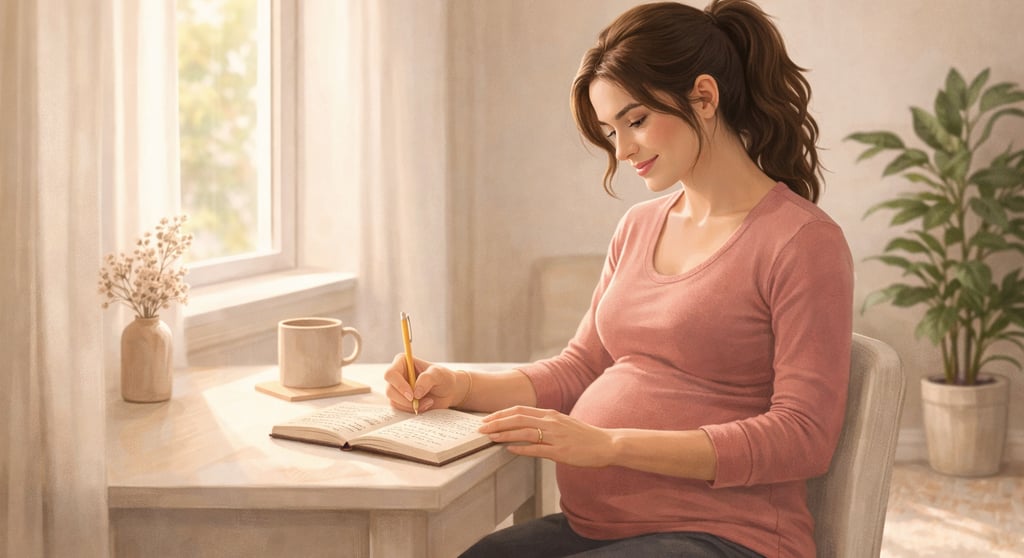
When I became pregnant, I didn’t suddenly turn into a different person. I didn’t wake up glowing, instinctively knowing what my body needed, or magically at peace with every change. I was still me — just inside a body that was rewriting its own rules.
I thought pregnancy would be mostly about the belly. Watching it grow. Feeling the baby move. Adjusting to the physical changes. What I didn’t expect was how deeply it would change my relationship with food, energy, and self-trust.
Before pregnancy, eating felt predictable. I had preferences. I had routines. I had a sense of control. I knew what foods made me feel good and which ones didn’t. I could plan meals, push through hunger, delay eating if it wasn’t convenient. My body usually followed my lead.
Pregnancy reversed that dynamic almost overnight.
Suddenly, eating wasn’t about willpower or planning. It was about tolerance. Some mornings I woke up hungry and hopeful, thinking maybe today would feel normal. Other mornings, the idea of food made my stomach tighten before I even sat up. Hunger and nausea coexisted in a way that made no logical sense. Smells became overwhelming. Textures mattered more than taste. Timing mattered more than intention.
And layered on top of all of that was a quiet pressure I carried with me every day.
You should eat well now.
You should be more careful.
You’re pregnant. This matters more.
That pressure didn’t help me eat better. It made me anxious. I imagined what “good pregnancy eating” was supposed to look like: balanced plates, enough protein, colorful vegetables, calm mornings with nourishing breakfasts. I pictured myself doing it right, being responsible, being disciplined in the right way.
Reality looked nothing like that.
Some mornings, the only thing I could tolerate was plain toast or bread with butter. Not because I wanted it, but because anything else made me feel sick. Some days fruit felt refreshing and grounding. Other days, even the smell of fruit made my nausea worse. There were days when I managed three proper meals and felt almost proud of myself for functioning like a normal human being. And there were days when I snacked my way through the entire day because sitting down for a full meal felt impossible.
At first, I judged myself harshly. I felt like I was failing at something I was supposed to do instinctively. It took time to accept something that sounds simple but feels radical when you live it: pregnancy is not the time for perfection. It’s the time for listening.
My body is changing constantly. Hormones fluctuate daily. Digestion slows and speeds up unpredictably. Blood volume increases. Energy demands rise. Appetite changes in response to all of this. Some days I feel surprisingly capable. Other days I feel like I’m moving through water. Once I stopped fighting that reality, food became less stressful.
Before pregnancy, I believed eating well meant following rules. Structure. Discipline. Knowing exactly what was good and bad. Pregnancy dismantled that belief piece by piece. Now, eating well means checking in with myself instead of judging myself.
What feels okay to eat today?
What gives me energy without making me feel heavy or uncomfortable?
Have I had enough water, or am I already running on empty?
Some days, eating well means a warm, nourishing meal that feels grounding. Some days, it means yogurt, a banana, and a handful of nuts because that’s what my body accepts. And some days, it means comfort food — not as a failure, but as a form of care.
I’ve learned that pregnancy eating isn’t about control. It’s about responsiveness. Being gentle without being careless. Flexible without being neglectful. Supporting my body instead of trying to dominate it.
There is so much noise around pregnancy nutrition. Advice comes from doctors, books, family members, and strangers online. Eat more. Eat less. Avoid this. Crave that. Do everything right or you’ll regret it. What no one really prepares you for is how individual pregnancy truly is. Two women can be pregnant at the same time and experience completely different appetites, aversions, energy levels, and needs.
What works for me one week might not work the next. That inconsistency used to scare me. Now I understand it as information.
Over time, I developed small habits that made daily life easier. I don’t follow a strict meal plan, but I try to keep simple snacks nearby so I don’t get overly hungry. Hunger hits differently now. If I wait too long, nausea worsens and energy drops fast. I remind myself to drink water regularly, even when I forget, because dehydration sneaks up quickly during pregnancy. I eat smaller portions more often instead of forcing large meals. I listen to cravings without judgment. And when my body signals “enough,” I stop.
None of this is perfect. It’s simply real life with a baby growing inside me.
Pregnancy has also changed the way I relate to my body. Before, I evaluated it constantly. How it looked. How it performed. How it compared. Now, even on days when I feel bloated, swollen, slow, or uncomfortable, I try to remember what my body is actually doing.
It’s creating organs.
It’s regulating hormones.
It’s adapting structurally and metabolically every single day.
Some days I feel strong and grounded. Other days I feel heavy and unfamiliar to myself. Both versions are real. Both deserve care.
Instead of trying to control everything, I’m learning to trust my body more. That trust didn’t appear overnight. It grew slowly, through discomfort, frustration, and letting go of expectations I didn’t realize I was carrying.
People often say you’re “eating for two” when you’re pregnant, but I’ve learned it’s not about doubling portions. It’s about learning how to eat for myself in a new way. My needs matter. My comfort matters. My energy matters. Supporting myself is part of supporting this pregnancy.
A normal day of eating for me isn’t impressive. It might start with toast and butter or oatmeal. Later, fruit or yogurt if it feels good. Lunch is something warm and simple. An afternoon snack to keep my energy steady. Dinner is whatever feels comforting and filling enough to end the day without discomfort.
There’s no perfect balance. No rigid structure. Just food that allows me to function, rest, and recover.
Pregnancy is teaching me patience in a way nothing else ever has. Patience with my body. Patience with fluctuating energy. Patience with the reality that my best today may look very different from my best before pregnancy.
Some days, doing well simply means I ate something, drank water, and rested when I needed to. And that is enough.
I don’t need to be a perfect pregnant woman. I don’t need to glow. I don’t need to eat flawlessly. I don’t need endless energy. I just need to be real. And today, being real looks like listening to my body, accepting imperfect days, and reminding myself that I’m already doing something extraordinary — even when all I did was survive, breathe, and eat toast.
Pregnancy stripped away many illusions I had about control, discipline, and worth. It showed me how deeply we’re taught to measure ourselves by productivity, even during seasons when productivity isn’t the point. Learning how to eat during pregnancy forced me to question that.
Food is not a test.
My body is not a problem.
Nourishment is not about perfection.
It’s about presence. Adaptation. Trust.
And I know this lesson will stay with me long after pregnancy ends. Learning to eat for myself — not against myself — is something I will carry into motherhood and beyond.
Because in the end, this isn’t just a story about food. It’s a story about learning to care for myself with patience, compassion, and respect — something my body taught me the moment it asked me to slow down and listen.