
A Personal Guide for Women
2/14/20267 min read
I’ll never forget the first time I truly felt frustrated with my fitness journey. I had tried everything from trendy online workouts to strict meal plans, yet no matter how hard I pushed, I didn’t feel the results I hoped for. Some days, I felt so exhausted from just thinking about moving my body that I’d skip workouts entirely, guilt weighing on me like a heavy coat. But slowly, over months of trial, error, and reflection, I started realizing something that changed everything: fitness isn’t about perfection, punishment, or chasing someone else’s idea of a fit body. It’s about understanding your own body, respecting it, and moving in ways that make you feel strong, confident, and energized. That realization shifted my approach entirely, and for the first time, fitness felt joyful rather than daunting.
At first, I didn’t even know where to begin. I was intimidated by the gym, the exercise classes, and even my own lack of knowledge about how to train effectively. I tried to follow random routines I found online, bouncing from one plan to another, thinking that sheer effort would somehow be enough. But what I quickly learned is that consistency matters far more than intensity or fancy routines. What matters is finding what works for your body, your schedule, and, most importantly, your mind. One day, after skipping a workout yet again, I sat down and asked myself why I really wanted to commit to fitness. It wasn’t about looking like someone on Instagram, it wasn’t about hitting a certain weight, and it wasn’t about impressing anyone. For me, it was about strength, energy, and confidence. I wanted to wake up without fatigue, to feel capable in my own body, to move without tension, and to enjoy the process rather than fear it. That simple question—“why do I want this?”—became the foundation for everything that followed.
With that clarity, I began setting small, achievable goals. I realized that aiming to work out every day or follow a perfect meal plan was setting myself up for disappointment. Instead, I focused on tiny, manageable milestones, like moving my body three times a week, trying a new class once a month, or simply increasing my daily steps gradually. It might seem minor, but those small wins add up, and celebrating them became a crucial motivator. There’s something empowering about acknowledging progress, even if it feels invisible to anyone else. I started noticing that my energy improved, my mood lifted, and my sense of accomplishment grew—long before any visible changes in my body did.
I also learned that the kind of movement you choose matters more than how long or hard you push yourself. Early on, I forced myself to run because “that’s what people do,” but I hated it. Every step felt like a chore, and I dreaded it so much that I avoided it. When I finally allowed myself to explore different forms of movement, everything changed. Yoga became my sanctuary, a space to stretch, strengthen, and breathe in a way that soothed my mind while challenging my body. Dance workouts brought laughter, joy, and a sense of freedom I hadn’t felt in years, and HIIT sessions gave me short bursts of power that left me feeling unstoppable. Strength training, which had once intimidated me, became a source of pride, as I noticed my posture improving and my muscles growing stronger. Even long walks or hikes outdoors offered a meditative escape from daily stress. I discovered that fitness is sustainable when it feels good, when it’s something you want to do rather than something you feel obligated to do.
Technology has also played a surprisingly helpful role in my journey. Fitness apps like Nike Training Club gave me structure without intimidation, offering guided workouts that adjusted to my schedule and skill level. MyFitnessPal helped me track my meals and understand how I fuel my body, though I always focus on patterns rather than obsessing over calories. And meditation apps like Headspace or Calm reminded me that fitness isn’t just physical—it’s mental too. Ten minutes of mindfulness before or after a workout resets my mind, eases stress, and helps me sleep better. These small technological supports keep me accountable without adding pressure, turning fitness into a consistent and manageable part of my life.
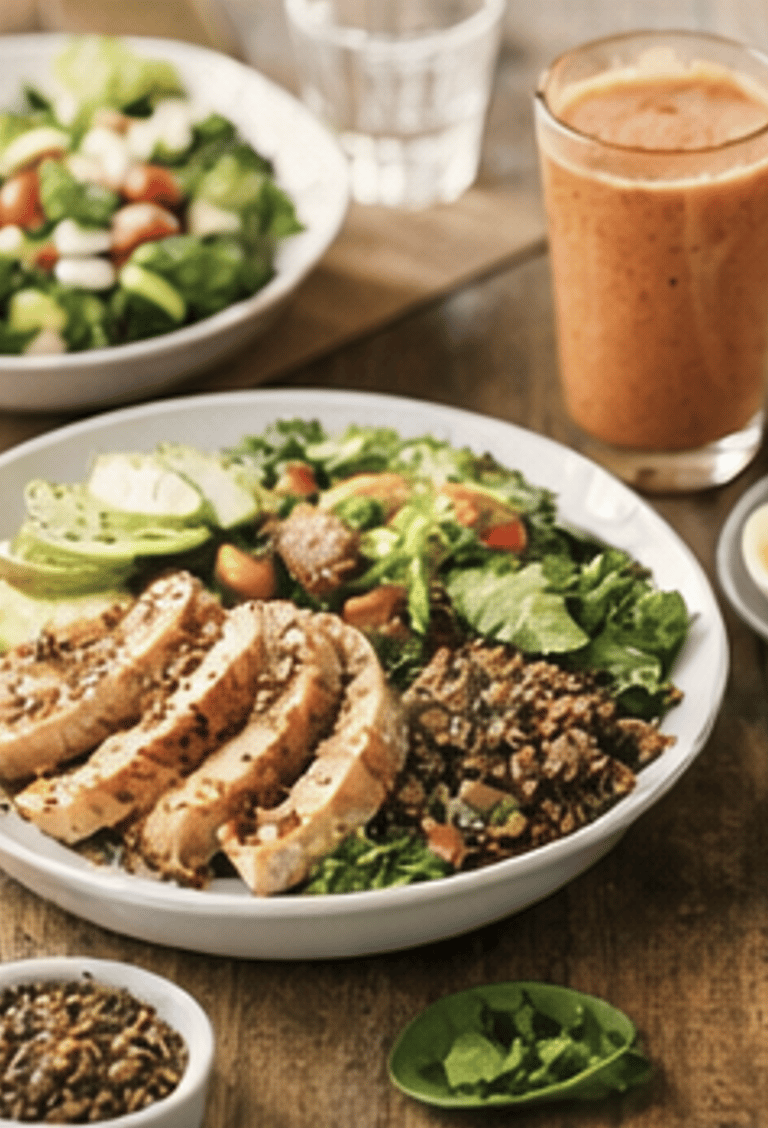
Nutrition has been another game-changer, though it took time to find balance. I used to believe that dieting meant restriction and deprivation, which left me exhausted and frustrated. Over time, I realized that nutrition is about fuel, not punishment. Lean proteins help my muscles recover, complex carbohydrates give me sustained energy, healthy fats support hormone balance, and colorful fruits and vegetables pack in essential vitamins and minerals. I also give myself permission to enjoy treats without guilt, because sustainability isn’t about perfection—it’s about consistency and balance. Learning to feed my body well transformed not just my energy, but my relationship with food entirely.


Supplements have occasionally supported my journey, though I always consult a professional first. Protein powder helps with recovery after strength workouts, creatine has improved my lifting performance, and omega-3 fatty acids support overall health and reduce inflammation. But I always remind myself that these are aids, not solutions; the foundation of progress is always movement, nutrition, sleep, and mental wellness.
I cannot overlook the surprisingly impactful role of activewear in my motivation. Wearing clothing that moves with me, feels supportive, and even a little luxurious makes workouts feel more inviting. When I slip into well-fitting, moisture-wicking leggings and a top that feels comfortable and empowering, I feel ready to move. It’s a small factor, but one that has consistently made me more willing to show up for myself.
Rest and recovery, which I initially neglected, are now central to my approach. In the past, I would push myself until exhaustion, thinking that more effort meant better results. But this approach only led to fatigue, frustration, and even injury. Now, I prioritize sleep, allow rest days, and incorporate gentle active recovery like stretching or light walking. Learning to listen to my body—recognizing when I need to push and when I need to pause—has been one of the most transformative aspects of my journey. I’ve realized that overexertion doesn’t make me stronger; consistency and mindful movement do.
Perhaps the biggest change I’ve experienced, though, isn’t physical—it’s mental. Fitness is as much about mindset as it is about movement. There are days when I want to skip a workout, overindulge in food, or simply give up. Those days are normal, and I’ve learned not to let them derail my journey. Instead, I focus on long-term patterns rather than daily perfection. I celebrate every victory, whether it’s completing a class, choosing a nourishing meal, or simply moving despite feeling tired. This mindset transforms fitness from a source of stress into a source of empowerment, confidence, and joy.



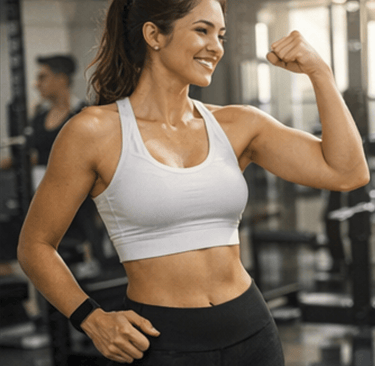
A typical week in my life now blends movement with life’s responsibilities seamlessly. Monday mornings might start with yoga and meditation, Tuesdays with strength training, Wednesdays with a restorative walk, Thursdays with a HIIT session, Fridays with dance classes, Saturdays with a hike, and Sundays reserved for rest and meal prep. Flexibility is key. Life happens, plans change, and sometimes workouts are skipped. The difference now is that missing a session doesn’t feel like failure—it’s part of a sustainable lifestyle.
Over the course of this journey, I’ve learned countless lessons that have reshaped my approach to fitness. Patience is essential. Results are gradual, and the most meaningful changes are often internal before they appear externally. Enjoyment matters. Movement should feel joyful and empowering rather than like a chore. Holistic care is critical. Sleep, nutrition, mental wellness, and movement all work together to create a healthier, stronger body. And self-love is the foundation. Your body deserves respect, care, and celebration—not punishment.
Looking back, my fitness journey is far from perfect. I’ve had setbacks, skipped workouts, and indulged in treats without guilt. But every small, consistent step has built strength, energy, and confidence I never had before. Fitness is no longer about punishment or obsession—it’s about self-discovery, empowerment, and sustainable growth. I now view it as a lifestyle, a sanctuary, and a celebration of what my body can do.
For any woman reading this, here’s what I want you to take away: your fitness journey is uniquely yours. Embrace it. Explore what movement brings you joy. Celebrate progress, no matter how small. Listen to your body and adjust as needed. Treat your meals as fuel, not restriction. Allow yourself to rest. Wear clothes that make you feel confident. And most importantly, approach it with patience, kindness, and curiosity. Over time, you’ll see that fitness is not just about looking stronger—it’s about feeling stronger, more energized, and fully alive in your body.
Your journey starts now. Lace up, move with intention, nourish your body, and show up for yourself every day in a way that feels right for you. Because the most beautiful transformation isn’t just physical—it’s the confidence, resilience, and joy that come from committing to your own well-being. Fitness is no longer a task for me; it’s a gift, a celebration, and a declaration that I am capable, strong, and worthy of care. And that, I’ve realized, is the true essence of leveling up my fitness journey.