
My Journey to a Healthier, Sculpted Glow
2/14/20267 min read


There was a moment last year when I caught my reflection in the elevator mirror after a long workday and barely recognized the expression staring back at me. It wasn’t that I looked older overnight. It wasn’t dramatic. But my face looked tight. My jaw was clenched. My mouth slightly downturned. The space between my brows held that faint vertical line that appears when I’ve been concentrating too hard for too long.
The strange thing? I didn’t feel particularly stressed. I had slept well. I was hydrated. I was taking care of my skin. Yet my face told a different story.
That was the beginning of my curiosity about face yoga. Not because I wanted to erase every line or chase some unrealistic idea of perfection, but because I realized something important: we carry our lives in our faces. And if I could train my body at the gym, improve my posture, and stretch tight hips, why was I ignoring the muscles I use every single day to express, react, and hold tension?
This is not a dramatic transformation story. It’s not about waking up with a completely different face after a week. It’s about small shifts, subtle awareness, and how consistency reshaped not just my features, but the way I relate to my reflection.
When I first heard the term “face yoga,” I honestly rolled my eyes a little. It sounded trendy. Instagrammable. Slightly gimmicky. I imagined exaggerated facial poses and unrealistic promises of instant lifting. But once I began reading and learning more deeply, I realized face yoga is simply a structured series of exercises designed to strengthen, stretch, and relax the muscles of the face and neck.
And when you think about it logically, it makes perfect sense.
We have over 40 muscles in the face. They are constantly in motion. We raise our brows when surprised. We furrow them when focused. We clench our jaws when anxious. We purse our lips when thinking. Many of these micro-movements happen without awareness. Over time, repetition becomes pattern. Pattern becomes habit. Habit becomes expression.

That “resting face” we talk about? It’s often just accumulated muscle memory.
What fascinated me most when I began practicing was how little control I actually had over certain muscles. I would try to lift one cheek independently and notice the other side compensating. I would attempt to relax my forehead and realize I didn’t even know what a fully relaxed forehead felt like. My jaw, especially, was almost always slightly engaged.
The first few sessions felt awkward. I had to slow down. Really slow down. Face yoga is not about rushing through repetitions. It’s about precision. Gentle resistance. Conscious engagement. And above all, breathing.
One of the foundational exercises I started with focused on the cheeks. Placing fingers lightly over the cheekbones while gently lifting the muscles upward, holding for a few seconds, then slowly releasing. It seems simple. But when done with intention, you can feel the muscle activate deeply. After a few weeks, I noticed my cheeks looked subtly fuller—not puffier, just more supported.
Another area that changed significantly for me was my jawline. I’ve always held stress there. I didn’t realize how much until I started massaging along the jaw after exercises. There were tender spots I hadn’t paid attention to before. By incorporating slow jaw release movements and gentle resistance exercises, I began to feel actual physical relief. The tightness softened. My face felt lighter.
And that word—lighter—kept coming back to me.
Face yoga isn’t just about tightening muscles. In fact, one of the biggest misconceptions is that it’s only about sculpting. Relaxation is equally important. Some muscles are overworked and need strengthening. Others are chronically tense and need release. Balance is the goal.
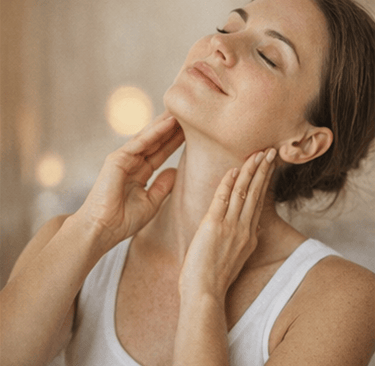
I also noticed changes in my neck. We spend so much time looking down at phones and laptops. That forward head posture shortens the front of the neck and weakens the back. By doing neck elongation exercises—slow upward lifts with resistance, gentle side stretches—I not only improved the appearance of my lower face, but I also felt my posture shift. My shoulders naturally rolled back. My chin lifted slightly. The entire lower half of my face looked more defined simply because my alignment improved.
The science behind face yoga is rooted in muscle physiology. Muscles respond to stimulation. When you engage them properly, you increase blood circulation. Increased circulation brings oxygen and nutrients to the skin. Lymphatic movement improves fluid drainage, reducing puffiness. Over time, stronger, balanced muscles provide better support for the skin resting above them.
But I want to be honest. The results are subtle. And they are slow.
This is not a quick-fix practice. It’s more like building a long-term relationship with your face.
In the beginning, I practiced about four times a week for 15 minutes. Some days it felt meditative. Other days it felt like just another thing on my to-do list. But around the eight-week mark, I began noticing small shifts. My under-eye puffiness in the mornings reduced. My jawline looked cleaner in photos. The lines on my forehead softened—not because they disappeared, but because I wasn’t reinforcing them all day with unconscious tension.
Perhaps the most profound change wasn’t visual at all.
It was awareness.
I started catching myself clenching my teeth while working. I noticed when my brows tightened while reading emails. I became conscious of how often my tongue pressed against the roof of my mouth in stress. And once you notice something, you can change it.
Face yoga taught me to pause.


In a world where so much beauty advice revolves around products, injectables, and procedures, this practice felt different. It felt empowering. It wasn’t about fighting age or freezing expression. It was about engaging with my face in a way that felt nurturing instead of corrective.
There’s something deeply intimate about touching your own face with intention. Not hurriedly applying makeup. Not quickly cleansing before bed. But truly feeling the structure of your cheekbones, the curve of your jaw, the tension around your temples.
I also learned that less is more. In the beginning, I was tempted to overdo it. Longer sessions. Stronger resistance. More repetitions. But the face is delicate. Overworking muscles can create strain instead of balance. The key is gentle consistency.
If you’re considering starting face yoga, here’s what I would tell you as a woman who has actually integrated it into her life: approach it like skincare, not like a workout boot camp.
Clean hands. Light pressure. Slow movements. Focused breathing.
Never force a stretch. If something feels painful, stop. Mild activation is normal. Sharp discomfort is not.
And give it time.
One of the most interesting aspects of this journey was observing my emotional relationship with aging shift. Instead of scanning my face for flaws, I began looking at it with curiosity. Where do I hold tension? What stories do these lines tell? Which muscles are overworking? Which ones need support?
There’s a quiet confidence that grows when you feel involved in your own care.
I also noticed how face yoga fits beautifully into an evening ritual. After cleansing, before applying moisturizer, I would take ten quiet minutes. Soft lighting. Maybe calming music. Sometimes I would focus on lymphatic drainage movements to reduce puffiness. Other nights, I would concentrate on cheek lifting or neck toning. It became less about results and more about the ritual itself.


The glow people talk about when they mention face yoga isn’t just about circulation. It’s about relaxation. When your jaw isn’t clenched, your expression softens. When your forehead isn’t constantly lifted, your eyes look more open. When your neck is elongated, your entire presence changes.
And yes, I have compared before-and-after photos. The differences are there. My face looks less compressed. My cheeks slightly more lifted. My jaw more defined. But the transformation is refined, not dramatic. If you’re expecting a completely new bone structure, you will be disappointed. If you’re open to gradual enhancement and improved muscle awareness, you’ll likely be pleasantly surprised.
It’s also important to mention lifestyle. Face yoga complements good sleep, hydration, balanced nutrition, and stress management. It doesn’t replace them. Think of it as one piece of a larger wellness puzzle.
Some mornings, I skip it entirely. And that’s okay. This isn’t about perfection or strict discipline. It’s about returning consistently enough that your muscles remember.
There’s something poetic about aging with intention instead of resistance. Lines will form. Skin will change. But tension doesn’t have to define your expression. We can choose softness.
I often think back to that elevator mirror moment. Now, when I catch my reflection unexpectedly, I see something different. My face looks calmer. Not frozen. Not artificially lifted. Just at ease.
And that ease translates into confidence.Because at the end of the day, face yoga gave me more than subtle sculpting. It gave me awareness. It taught me that beauty isn’t only about what we apply externally, but about how we hold ourselves internally. It reminded me that stress leaves marks—but so does care.If you’re curious, start gently. Choose a few foundational exercises. Practice three to four times a week. Take a photo at the beginning if you want, but don’t obsess. Let the changes unfold naturally.Your face has been expressing your emotions your entire life. Perhaps it deserves a few minutes of intentional movement in return.Not to chase perfection. Not to erase time. But to support the woman you are becoming—softly, patiently, and consistently.And truly, that kind of glow cannot be bottled.