
How to Start a Social Media Management Business: A Woman’s Guide to Building Freedom Online
2/11/20267 min read


When I first started thinking about building a social media management business, I didn’t see myself as a “business owner.” I saw myself as a woman who had spent years online — creating, posting, editing, observing what works, understanding people — and quietly realizing that brands were struggling with something that felt natural to me. They didn’t understand how to talk like humans on the internet.
I wasn’t sitting in a corporate office with a marketing degree framed on the wall. I was at my kitchen table with a laptop, coffee going cold, asking myself a very simple question: could I turn what I already know into something sustainable, something mine?
If you’re here, maybe you’re asking the same question.
Let me walk you through how to start a social media management business — not in a textbook way, not in a “Step 1, Step 2, robotic formula” way — but in the way I learned it: honestly, practically, and with clarity about what actually matters.


First, let’s understand what social media management really is. It is not just posting pretty pictures on Instagram. It’s not randomly scheduling quotes on Facebook. It is strategy, positioning, psychology, consistency, and measurable growth. A social media manager helps businesses build visibility, community, and conversions through platforms like Instagram, Facebook, Pinterest, LinkedIn, TikTok, or X. That means planning content, writing captions, designing posts, editing videos, scheduling content, engaging with audiences, analyzing performance, and adjusting strategy based on data.
It’s creative work, yes. But it’s also analytical and structured.
Before you even think about finding clients, you need clarity. What exactly are you offering? “Social media management” is broad. Are you focusing on content creation only? Full account management? Pinterest marketing? Instagram Reels? Facebook Ads? Community management? Email marketing integration?
When I started, I tried to offer everything. That was my first mistake. I thought saying yes to everything would bring more clients. Instead, it made me look unfocused. The moment I narrowed down my services — content strategy, Instagram management, Pinterest marketing — I became easier to hire.
So define your services clearly. For example:
• Content strategy development
• Monthly content calendar creation
• Caption writing and hashtag research
• Graphic design (Canva is more than enough to start)
• Short-form video editing (CapCut is beginner-friendly and powerful)
• Scheduling posts using tools like Meta Business Suite, Later, or Buffer
• Basic analytics reporting
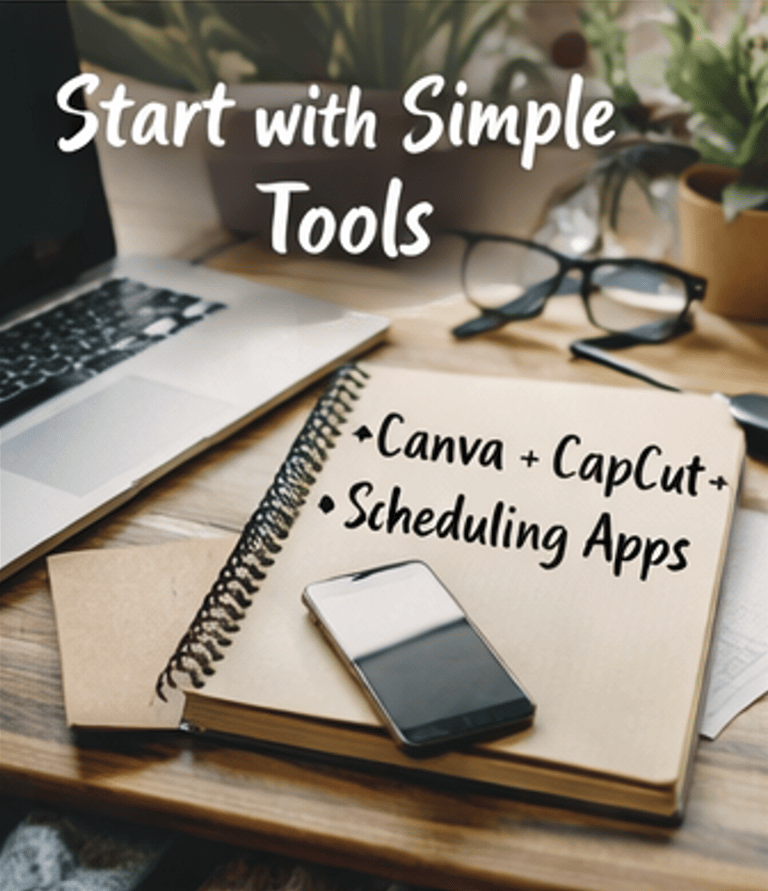
You don’t need expensive tools in the beginning. Canva (free version), Meta Business Suite (free), CapCut (free), Google Drive, and a scheduling tool are enough to launch.
Now let’s talk about skills. You don’t need a marketing degree, but you do need competence. Understand platform algorithms at a functional level. For example, Instagram prioritizes content that generates engagement (saves, shares, comments), especially within the first hours after posting. Pinterest is more of a search engine than a social platform, so SEO and keywords matter. Facebook still works well for community groups and local businesses. LinkedIn favors thought leadership and professional positioning.


Study platform updates from official sources like Meta’s Business Help Center or Pinterest Business Blog. Avoid random TikTok “gurus” who promise overnight growth hacks. Sustainable social media growth comes from value, clarity, and consistency.
Once your skills are solid, build proof. This is where many women hesitate. “Who will hire me if I don’t have clients yet?” That question kept me stuck for weeks.
Here’s the truth: you can create your own case studies.
Start with your own profile. Choose one platform and grow it intentionally. Show your strategy publicly. Document what you’re doing. Share educational content about social media tips. If you want to manage Pinterest accounts, create and grow your own Pinterest account. If you want Instagram clients, optimize your Instagram profile as if it’s your portfolio.
Your profile is your first business card.
Optimize it properly. Clear profile photo. Bio that states what you do and who you help. Example: “Helping small businesses grow on Instagram & Pinterest with strategic content.” Add a call to action. Use highlights to showcase services, testimonials, and results.
If you don’t have testimonials yet, offer discounted or short-term free work for 1–2 businesses in exchange for honest feedback and permission to use results as case studies. But set boundaries. Free work should be strategic and limited, not endless unpaid labor.
Now let’s talk about pricing, because this is where many women undervalue themselves.
Pricing depends on your experience, services, and market. Beginners often charge between $300–$800 per month per client for basic management (1–2 platforms, limited posting frequency). Intermediate managers can charge $800–$1,500 per month. Advanced managers or niche specialists can charge significantly more.
Do not price per hour if possible. Social media management is value-based work. A client doesn’t care if something takes you 2 hours or 5 — they care about results and consistency. Create packages instead. For example:
Basic Package: 12 posts per month, captions, hashtags, scheduling, basic analytics.
Standard Package: 16–20 posts, content calendar, engagement support, analytics report.
Premium Package: Strategy, content creation, video editing, engagement, analytics, monthly strategy call.Clarity creates confidence. Confidence justifies pricing.Now, how do you actually find clients?
In the beginning, I thought clients would magically appear once I announced my services. They did not. Visibility requires intention.
Start with your existing network. Announce your services on your personal Facebook and LinkedIn. Reach out to small businesses you genuinely admire. Send personalized messages — not spam. Example: “Hi, I love your brand. I noticed you’re not posting consistently on Instagram. I specialize in helping small businesses build consistent content strategies. Would you be open to a quick call to see if I can support you?”


Keep it respectful and specific.
Freelance platforms like Upwork and Fiverr can help in the beginning, but they are competitive and often price-sensitive. Use them strategically, not as your only source. Cold outreach via email works if it’s personalized and shows you understand their brand.
Also, network in women entrepreneur groups. Many female business owners prefer working with other women because we understand nuance, communication, emotional intelligence. That is a strength, not a weakness.Once you get your first client, professionalism becomes essential. Use contracts. Always. Even for small projects. A contract should define scope of work, payment terms, content ownership, revision limits, cancellation terms, and communication expectations. You can find templates online and adapt them, but consider investing in a legally reviewed contract once you start earning consistently.
Use invoices. Track payments. Separate personal and business finances as soon as possible. Even if you’re a solopreneur, treat it like a real business from day one.
Time management is another reality no one talks about. Social media management can become overwhelming if you’re constantly “online.” Set working hours. Batch create content. For example, dedicate one day to planning, one day to designing, one day to scheduling. Use content calendars. Google Sheets works perfectly.


Burnout is real in digital work. Protect your energy.Now let’s talk about results, because clients will eventually ask: “How do we measure success?”You must understand basic metrics: reach, impressions, engagement rate, follower growth, website clicks, conversions. Engagement rate is typically calculated by dividing total interactions (likes, comments, shares, saves) by total reach or followers, multiplied by 100. Different industries have different benchmarks, but generally 1–5% engagement rate on Instagram is considered normal for many niches. Pinterest success is measured through impressions, outbound clicks, and saves.Explain to clients that growth takes time. Social media is not magic. Consistency over 3–6 months usually shows meaningful results. Set realistic expectations early to avoid frustration later.As your business grows, you may decide to niche down. Maybe you love working with travel brands. Maybe you understand wellness businesses deeply. Maybe you’re amazing at affiliate marketing and Pinterest traffic. Specialization increases authority and often income.I personally found that once I positioned myself clearly — not as “someone who posts” but as someone who builds strategic visibility — the quality of clients changed.There’s also mindset. As women, we often struggle with visibility. We question if we’re “expert enough.” But expertise is built through action, not waiting for perfection. You will learn more in your first three client months than in six months of overthinking.