A Female Trainer’s Real Guide to Building a Strong, Confident Core
2/17/20268 min read
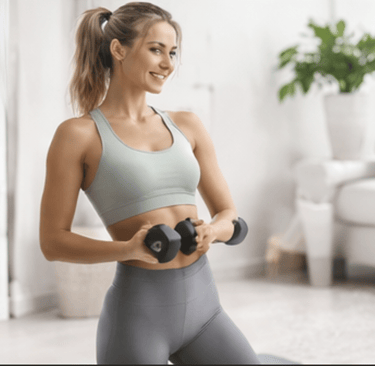
There was a time when I thought having strong abs meant surviving endless crunches on a yoga mat, staring at the ceiling, wondering why my neck hurt more than my stomach. I used to chase that “six-pack feeling” the way so many women do—through random ab challenges I found online, quick fixes, and the quiet hope that if I just worked harder, flatter abs would magically appear. What I didn’t understand back then, and what I now teach every woman I coach, is that building a strong, defined upper core—especially at home—has very little to do with punishment and everything to do with intention.
As a female trainer who primarily works with women training at home, I’ve seen the same pattern over and over again. We want a toned midsection, yes. We want to feel confident in a crop top or a swimsuit. But deeper than that, we want to feel strong when we stand tall, stable when we lift our child, powerful when we run, and pain-free when we get out of bed in the morning. The truth is, your upper abs are not just about aesthetics. They are part of a beautifully interconnected core system that supports your spine, protects your lower back, and allows you to move with control and grace.
When I talk about upper abs with my clients, I always start by gently correcting a myth: you can’t truly isolate just the upper portion of your abs. The muscle most people think of when they imagine a six-pack is the rectus abdominis. It runs vertically from your rib cage down to your pelvis. When it contracts, it flexes the spine—meaning it helps you curl forward, like when you do a crunch. The “upper abs” are essentially the top portion of that same muscle. So while certain movements emphasize that upper area more—especially those where the rib cage moves toward the pelvis—your entire core is always involved to some degree.
And that’s actually good news.
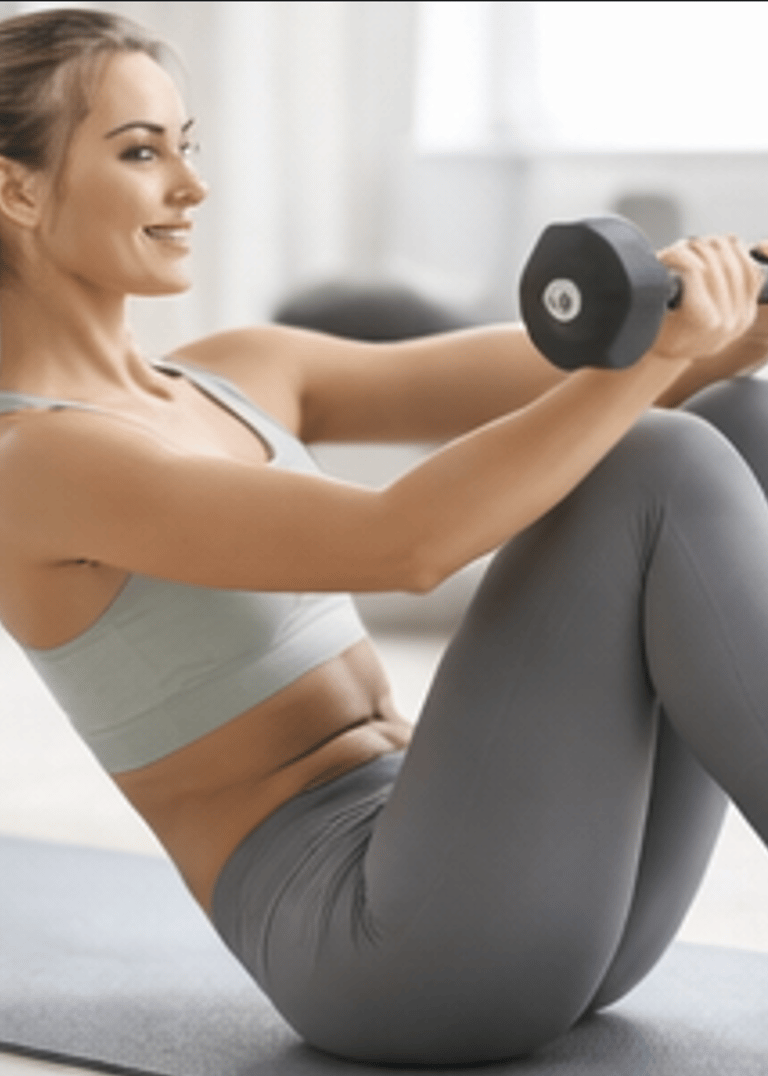
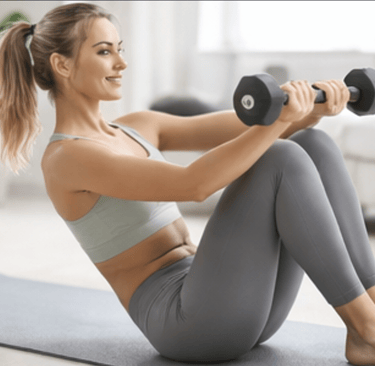
Because when we train properly, we’re not just chasing visible lines on our stomach. We’re strengthening a system that includes the rectus abdominis, the obliques (those beautiful side muscles that help you twist and bend), and the transverse abdominis—the deep corset-like muscle that wraps around your waist and stabilizes your spine. That deep muscle, especially, is something I wish more women understood. It’s not flashy. You won’t see it in mirror selfies. But it’s the reason you can hold a plank without collapsing and the reason your lower back doesn’t scream at you after carrying heavy groceries.
I remember one client who came to me frustrated because she had been doing ab workouts every single day and still felt weak. She complained about lower back tightness and said she could barely hold a plank for twenty seconds. When I watched her move, I noticed she was “pulling in” her stomach but not actually engaging her core properly. She had never been taught how to breathe and brace. Once we slowed down, practiced diaphragmatic breathing, and learned how to gently draw the rib cage down while maintaining neutral spine, everything changed. Within weeks, she felt stronger—not just in her abs, but in her entire body.
That’s the foundation of effective upper ab training at home: awareness first, intensity second.
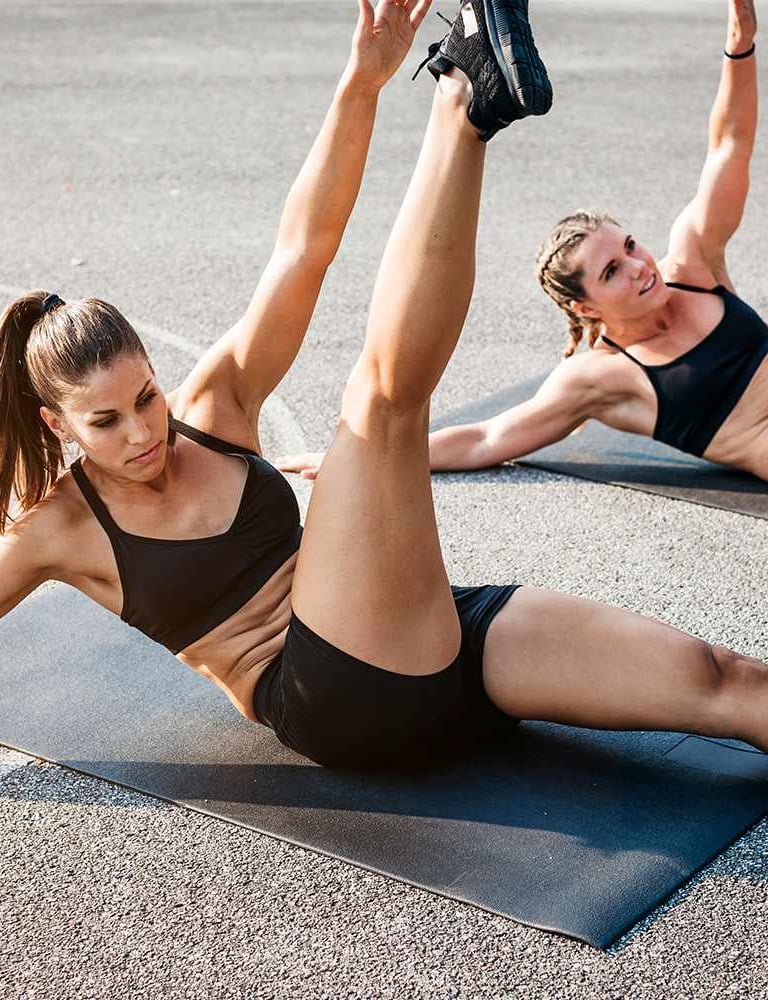
When I design at-home workouts for women, I focus on movements that bring the chest toward the pelvis in a controlled way. Think slow, intentional curl-ups rather than frantic crunches. For example, one of my favorite exercises is the classic curl-up with a twist. Lying on your back, knees bent, feet flat on the floor, you exhale as you lift your shoulder blades slightly off the mat, bringing your rib cage toward your hips. The key is not to yank your neck or fling your body upward. Instead, you imagine knitting your ribs down and shortening the distance between your sternum and your belly button. That subtle cue changes everything. Suddenly, you feel the top of your abs light up in a way that feels controlled, not chaotic.
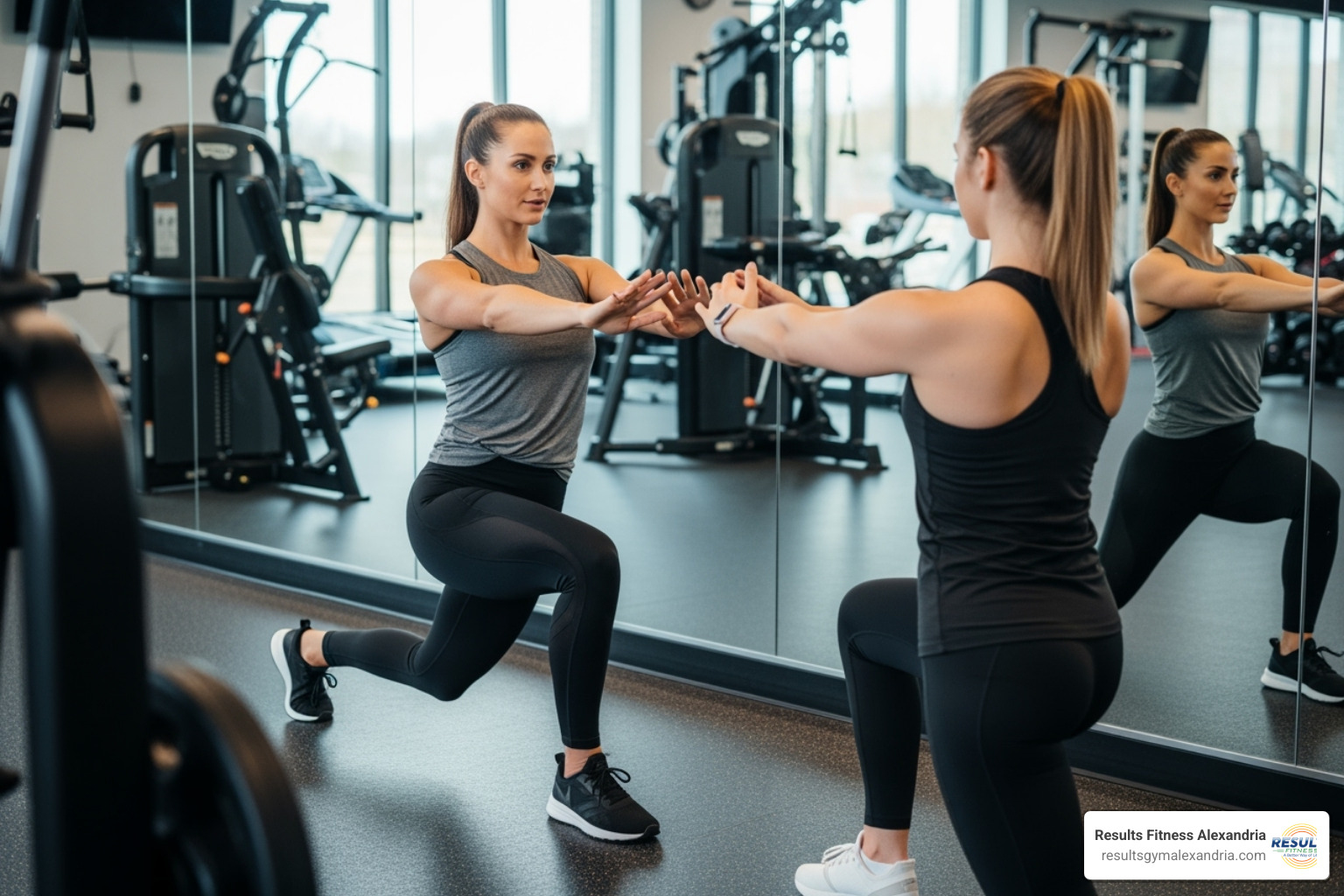
But I rarely stop there. Upper abs thrive when combined with anti-extension work—movements that teach you to resist arching your lower back. Dead bugs are a perfect example. Lying on your back with arms extended toward the ceiling and knees bent at 90 degrees, you slowly extend one leg and the opposite arm while keeping your lower back gently pressed into the floor. It looks simple, almost too easy, but when done correctly, it forces your upper abs to stabilize your rib cage while your limbs move. That’s real core strength. That’s functional strength.
And functional strength matters so much more than we give it credit for.
I’ve had phases in my life where I trained purely for appearance. I won’t pretend otherwise. There’s nothing wrong with wanting visible abs. But what changed my relationship with core training was realizing how much it affected everything else. My squats became stronger. My posture improved. I stopped getting that dull ache in my lower back after long days sitting at my laptop. When your upper abs are strong, they help keep your rib cage aligned over your pelvis. That alignment is what allows your spine to stay neutral during big movements, whether you’re lifting weights or simply picking up a laundry basket.
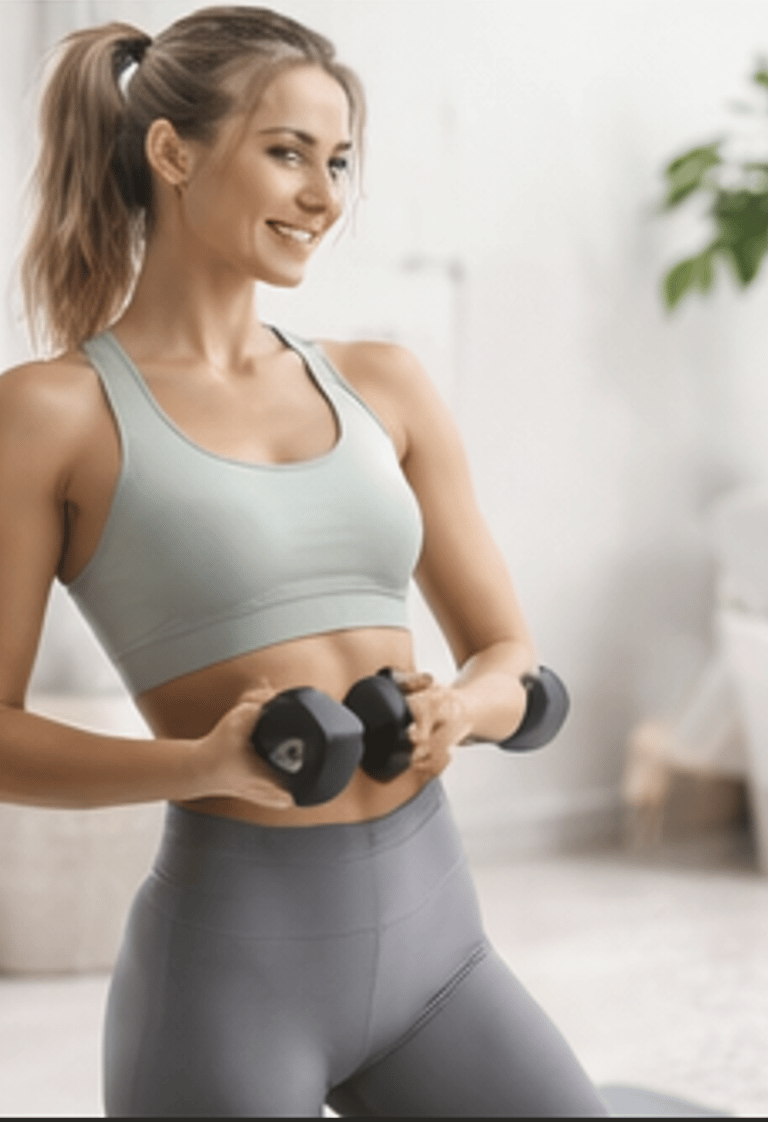
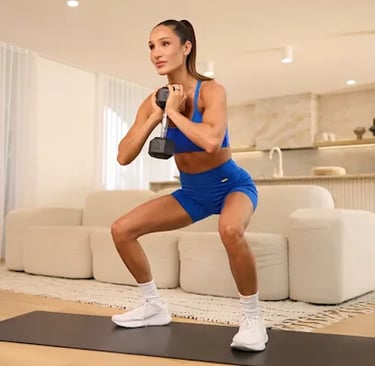
Training at home, especially as a woman balancing work, family, and the mental load of daily life, requires efficiency. We don’t have hours to dedicate to endless ab circuits. That’s why I prefer short, focused sessions—fifteen to twenty minutes, two to three times per week, integrated into a full-body routine. You don’t need fancy equipment. A mat, maybe a light dumbbell or even a water bottle, and your own body weight are more than enough.
One of my favorite upper ab sequences for home training starts with controlled curl-ups, moves into toe taps (lying on your back, knees bent at 90 degrees, tapping one foot to the floor at a time while keeping your ribs down), then transitions into plank shoulder taps. The planks are where the magic happens. In a high plank, as you tap one shoulder with the opposite hand, your upper abs and obliques work overtime to prevent your torso from rotating. That stability translates into better movement patterns in everything from push-ups to running.
And yes, let’s talk about planks for a moment. So many women tell me they “hate planks.” I understand. Holding a static position while your muscles tremble can feel humbling. But I encourage you to see that shaking as your body learning. Your upper abs are working to keep your rib cage from flaring, your transverse abdominis is tightening like a supportive belt, and your obliques are balancing you side to side. Instead of counting down the seconds in misery, I tell my clients to focus on their breath. Inhale through your nose, exhale slowly through your mouth, feeling your ribs gently draw inward. That breath-led engagement transforms a plank from a punishment into a practice.
Another important piece we rarely discuss openly is the role of body fat in achieving visible upper abs. As women, our bodies are hormonally wired to hold a bit more fat, especially around the midsection. That’s not a flaw. It’s biology. While strengthening your upper abs will make them firmer and more defined, the appearance of a six-pack also depends on overall body composition. And I always approach that topic carefully. I don’t coach extreme dieting or unsustainable calorie restriction. Instead, I encourage balanced nutrition—adequate protein to support muscle, enough carbohydrates to fuel training, and healthy fats for hormone health.
When women undereat and overtrain in pursuit of visible abs, the body often responds with stress, fatigue, and stalled progress. I’ve been there. In my early twenties, I thought more was always better. More crunches. More cardio. Less food. The result? Hormonal imbalances and constant exhaustion. It took years for me to learn that building a strong, defined core is about supporting your body, not fighting it.
There’s also something deeply empowering about training your upper abs at home. You don’t need to feel self-conscious at a gym. You don’t need to compare yourself to anyone else. You can move at your own pace, in your own space. Some of my most transformative workouts have happened in my living room, sunlight streaming through the window, music playing softly in the background. There’s an intimacy to home training that allows you to tune into your body in a way that busy gym environments sometimes don’t.
Posture is another gift that upper ab training gives you. When those muscles are weak, the rib cage can flare forward, the lower back can arch excessively, and the shoulders round. Over time, that misalignment leads to tension and discomfort. Strengthening your upper abs helps gently pull the rib cage back into alignment with the pelvis. You stand taller without forcing it. You feel supported from the inside out. Clients often tell me they feel “more elegant” after a few weeks of consistent core work. That word always makes me smile.
And then there’s the confidence piece. Not the loud, performative kind. The quiet kind that comes from knowing your body is capable. When you can control a slow, deliberate curl-up without straining your neck, when you can hold a plank with steady breath, when you can twist with power and stability—you feel it. You feel grounded.