
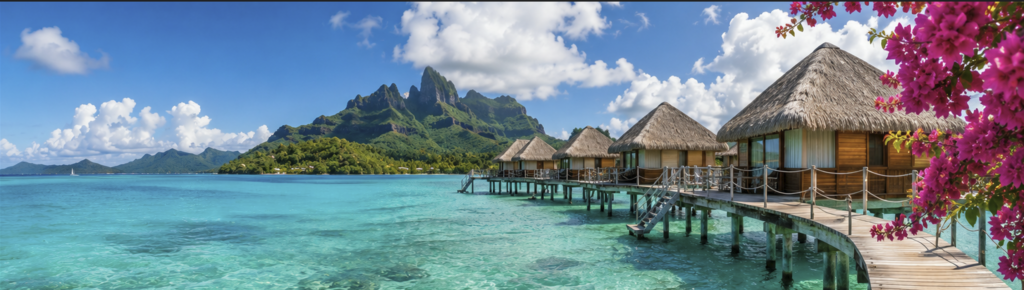
I used to believe a single summer trip could give me everything at once — the tan, the hike, the spa day, the nightlife, the sunset photo, the quiet morning with coffee and no plans. I’d land somewhere with a color-coded itinerary and come home three pounds lighter, slightly sunburned in an uneven way, and honestly a little exhausted from trying to make one trip do the emotional work of three separate ones.
It took me embarrassingly long to realize that sun, adventure, and relaxation are actually three different moods, and they usually want three different kinds of places. Sun wants stillness and good light. Adventure wants terrain and a slight edge of discomfort you’ll be proud of later. Relaxation wants softness, low expectations, and absolutely no alarm clock. So this year I did something different — I stopped trying to force one destination to be everything, and instead built this guide around the actual feeling I’m chasing when I book a trip.
What follows is nine places, split across those three moods, each one filtered through the lens of how I’d actually want to look and feel while I’m there — because let’s be honest, the outfit and the destination were never really separate conversations, not for those of us who’ve spent real time on Pinterest boards labeled things like “soft summer” and “quiet luxury travel.” Pour something cold, settle in, and let’s talk about where you’re actually going this year.
A small confession before we start: I wrote most of this sitting on my own balcony at home, not anywhere glamorous at all, going back through years of trip notes and photos and trying to remember not just what each place looked like, but what it actually felt like to be there — the specific ache in my calves after a mountain day, the particular quality of doing nothing on an overwater deck, the sound of a fountain in a Marrakech courtyard. I think that distinction matters more than most travel content admits. A destination can be objectively beautiful and still be the wrong choice for where you actually are in your life right now, and I’d rather help you figure out which mood you’re missing than just hand you another generic bucket list.
The Style Mood of 2026 Travel, Before We Get Into It
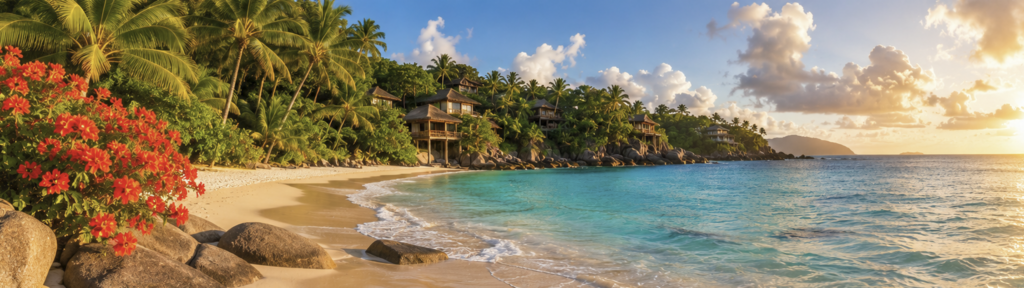
There’s a specific aesthetic thread running through everything I’m about to recommend, and I think it’s worth naming before diving into the destinations themselves, because it changes how you’ll want to pack for every single one of them.
This is the summer quiet luxury finally settled into something wearable rather than aspirational-only. The early version of the trend, a couple of years back, felt almost intimidatingly minimal — all beige, all unlabeled, all slightly unattainable unless you had a very specific budget and an even more specific body type. What’s actually happening now feels warmer and more human: clean girl aesthetic basics elevated with one or two considered pieces, soft glam that reads as “great skin” rather than “no effort,” and an overall shift toward feeling put-together rather than performing put-together for an audience.
I notice it most in how differently women are packing for adventure destinations specifically. A few years ago, “hiking outfit” and “elegant outfit” felt like two entirely separate wardrobes you’d need two entirely separate suitcases for. Now there’s real crossover — technical fabrics cut in flattering, considered silhouettes, hiking boots that don’t look like an afterthought next to a linen dress in your camera roll, athleisure that’s actually elegant rather than merely comfortable. The line between “getting ready for a mountain” and “getting ready for dinner” has blurred in a genuinely useful way, and it’s made packing for a trip like the one I’m about to describe so much easier than it used to be.
I’ve also noticed a broader cultural shift underneath all of this that I think is worth naming, because it explains why this particular guide exists at all. For a long stretch of years, travel content online was almost entirely aspirational in a slightly hollow way — the infinity pool shot, the private plane, the destination chosen because of how it would perform rather than how it would feel. What I’m seeing now, across the accounts I actually follow and the friends I actually talk to, is a return to travel as genuine restoration rather than pure content generation. People are asking better questions before they book — not just “will this look good,” but “what do I actually need right now.” That shift is, I think, the real story behind this whole sun-adventure-relaxation framework, more than any specific destination on the list below.
Alright. Sun first, because it’s usually the first thing we’re all craving by the time June rolls around anyway.
SUN: Where to Go When You Just Need to Feel Warm Again
There’s a very specific kind of tired that only a real, sustained dose of sun can fix — not a long weekend’s worth, but the kind where you actually let your skin get a little color, your hair gets a little lighter, and your whole nervous system finally exhales. These three destinations are built for exactly that.
The Algarve, Portugal
I’ll admit the Algarve wasn’t on my radar for years, mostly because Portugal’s fame seemed to center entirely around Lisbon and Porto, leaving this southern coastline feeling like an insider’s secret I hadn’t been let in on yet. Then a friend sent me one photo of the golden limestone cliffs at Praia da Marinha, water so clear it looked almost artificially blue, and I booked a flight within the week, which is not typically how I make decisions of that size.
What struck me most once I actually got there was how the light behaves differently than anywhere else I’ve traveled in southern Europe — softer, somehow, with this golden cast that makes everything, including you, look better than you actually are that day. The cliffside walking trails between beaches are genuinely spectacular, the seafood is some of the best and least expensive I’ve had on the entire continent, and the towns themselves — Lagos, Sagres, tiny fishing villages with barely a few hundred residents — have this unhurried, sun-bleached charm that hasn’t yet been fully discovered by the masses, though I suspect that window is closing.
Style notes: The Algarve rewards a warmer, more golden palette than the crisp whites of the Greek islands — think terracotta, warm sand, deep ochre, colors that actually match the cliffs rather than contrast against them. A woven straw bag is doing double duty here, useful for both beach days and market mornings in Lagos’s old town. I found myself reaching for a simple linen slip dress almost every evening, paired with gold hoop earrings and flat leather sandals, because the cobblestone streets in the historic centers punish anything with real height. Sun protection matters more here than the gentle imagery suggests — that soft golden light is deceptively strong, so a proper wide-brim hat isn’t optional if you want to avoid an uneven farmer’s tan by day four.
I still think about one particular morning in Lagos, arriving at a small, half-hidden cove down a set of stairs cut directly into the cliff face before the day-trip boats had started running, having the entire stretch of sand essentially to myself for almost an hour. There’s a version of the Algarve that most visitors never see, tucked into these quieter early mornings and late afternoons when the tour groups have moved on, and I’d genuinely structure a whole trip around chasing those windows rather than fighting the midday crowds at the more famous viewpoints. It’s a destination that rewards a slightly unconventional schedule — up early, a long lazy lunch when the light gets harsh, back out again as everything softens toward evening.
Sardinia, Italy
Sardinia gets overshadowed constantly by its more famous Italian coastal siblings — the Amalfi Coast, Sicily, even Sicily’s smaller neighboring islands — and I genuinely don’t understand why, because the water along Sardinia’s northeastern coast, particularly around the Costa Smeralda, is some of the most improbably turquoise I’ve seen anywhere on earth, Caribbean included.
I spent one particularly memorable afternoon on a boat trip out to a series of small, uninhabited coves, water so clear you could see the sandy bottom from what felt like an unreasonable depth, and found myself laughing out loud at how genuinely unreal it looked, like someone had oversaturated the color in a photo editor except nobody had touched a thing. The interior of the island, away from the glamorous coast, offers something completely different too — ancient stone nuraghe structures scattered across a rugged, almost otherworldly landscape, and tiny mountain villages where you’ll eat some of the most honest, unpretentious food of your entire trip.
Style notes: Sardinia’s Costa Smeralda has developed something of a reputation for glamour — think Porto Cervo’s yacht-club energy — so this is a place where you can lean a little more into resort elegance than some of the more low-key beach towns further south in Italy. A structured one-piece swimsuit in a bold color pops beautifully against that impossibly turquoise water, and I’d bring at least one genuinely elevated evening look for dinner in Porto Cervo, where the crowd dresses with real intention. For the quieter interior villages, dial it back into something more rustic and grounded — a simple cotton dress, flat sandals, hair loose and a little wind-blown, because you’ll likely be exploring on foot over uneven, ancient terrain.
The contrast between Sardinia’s glamorous coast and its rugged interior is honestly the whole argument for visiting, in my opinion — you can spend a morning being genuinely wowed by yacht-club energy in Porto Cervo and an afternoon eating homemade pasta at a family-run trattoria in a mountain village where nobody speaks much English and the menu is whatever the owner’s mother made that morning. I rented a small car specifically to chase this contrast, driving inland past the coastal glamour into a landscape of granite boulders and wild olive trees that felt almost lunar in places, and it remains one of the more surprising, layered destinations on this entire list precisely because it refuses to be just one thing.
The Maldives
I hesitated including the Maldives on this list for a while, mostly because it’s become such a shorthand for “luxury honeymoon destination” that I worried it would feel like an obvious, uninspired choice. But then I actually went, and understood immediately why the shorthand exists — there is genuinely nowhere else on this earth where the water does what it does there, that impossible gradient from pale turquoise to deep sapphire, private overwater villas that make you feel like you’ve stepped into someone else’s carefully curated Pinterest board rather than your own actual life.
What surprised me most was how quiet it is, in a way that felt almost meditative rather than merely luxurious. There’s no real nightlife to speak of on most of the private island resorts, no crowded viewpoint you’re jostling for space to photograph. Just water, and sky, and an unreasonable amount of time to simply sit with your own thoughts, which sounds lovely until about day two, when you realize how rarely you actually do that at home, and how much you might have been avoiding it.
Style notes: The Maldives is the one destination on this entire list where I’d actually encourage you to lean fully into resort glamour rather than restraint — flowing kaftans in jewel tones, statement swimwear you’d never wear on a crowded public beach elsewhere, delicate gold anklets that catch the light beautifully against overwater deck photos. Soft glam here works beautifully for sunset dinners on the water — dewy skin, a warm bronzer, minimal else, because the setting itself is doing ninety percent of the visual work. Pack fewer, more special pieces than you think you need; most days genuinely revolve around swimwear and a light cover-up, and the evenings are where you’ll want one or two truly elevated looks that feel worthy of the setting.
I’ll admit the price point puts the Maldives out of reach for a casual annual trip for most of us, myself included, which is exactly why I’d frame it differently than the rest of this list — not as a place you visit often, but as a place you save for, deliberately, the way you might save for one significant piece of jewelry rather than several forgettable ones. I went once, for a milestone occasion, and treated the whole trip with a kind of reverence I don’t usually bring to travel — fewer excursions, more stillness, genuinely trying to be present for every single hour of it rather than rushing toward the next activity. That mindset shift, more than any specific villa or sunset, is what I actually took home with me.
ADVENTURE: Where to Go When Sitting Still Isn’t the Point
Some summers you don’t want stillness at all — you want your legs sore by evening, a story to tell that isn’t just “the water was pretty,” proof to yourself that you’re still someone who says yes to the harder trail. These three destinations deliver that in spades.
The Dolomites, Italy
I did not expect to fall as hard as I did for the Dolomites, mostly because “Italian mountains” had never registered on my radar the way Tuscan hillsides or Amalfi cliffs had. Then I stood at the base of the Tre Cime di Lavaredo formation, those three impossible limestone spires rising directly out of green alpine meadows, and understood instantly why hikers speak about this specific region with something bordering on reverence.
The trail network here is genuinely extraordinary — well-marked, varied enough for every fitness level, dotted with rifugios (mountain huts) where you can stop for a plate of fresh pasta and a glass of local wine at eight thousand feet, which remains one of the more delightfully Italian things I’ve ever experienced. I did a full day hike around the Tre Cime loop that left my legs aching for two full days afterward and remains, without exaggeration, one of my proudest physical accomplishments of the last several years, mountain views notwithstanding.
Style notes: This is where that blurred line between “hiking outfit” and “elegant outfit” I mentioned earlier really gets to shine. Technical leggings in a flattering, tailored cut, paired with a well-fitted merino base layer, look genuinely elevated rather than purely functional, especially with a good pair of trail shoes in a neutral tone rather than anything too sporty-looking. I’d bring one lightweight, packable jacket in a color that photographs well against those green meadows — a deep forest tone or a soft rust does wonders. For the rifugio stops, a simple gold necklace layered under your hiking layers adds a small, unexpected touch of femininity that I genuinely think elevates the whole look without adding any real weight to your pack.
What nobody had properly told me about the Dolomites before I went was how sociable the whole hiking culture there feels compared to more solitary mountain ranges I’d visited before. You end up leapfrogging the same handful of other hikers throughout the day, nodding at the same rifugio for lunch, comparing notes on which trail to tackle next over a shared bottle of local red wine at absurd altitude. I made two genuine friends on that trip purely through this repeated, unplanned overlap, the kind of connection that’s much harder to manufacture on a beach vacation where everyone’s more contained within their own group. If you’re traveling solo and craving a little structured connection without the pressure of a formal group tour, this region delivers that almost by accident.
Costa Rica
Costa Rica earns its “adventure destination” reputation entirely honestly — this is a country built around the idea that a single day can include a volcano hike, a zip line through cloud forest canopy, and a sunset surf session, all without feeling remotely rushed, because the infrastructure and culture there have fully embraced adventure tourism as a way of life rather than a novelty.
I spent one week split between the Arenal volcano region and the Nicoya Peninsula’s beach towns, and the contrast between the two halves of the trip genuinely reset something in me — misty, humid rainforest mornings spent hiking toward waterfalls, followed by afternoons learning (badly, with great enthusiasm) to surf in warm Pacific waves. The wildlife alone justifies the trip on its own merits; I watched a family of howler monkeys move through the canopy directly above my breakfast table one morning, entirely unbothered by my presence, which felt like a small, humbling reminder of how much bigger and older this particular corner of the world is than my own itinerary.
Style notes: Costa Rica demands genuinely practical clothing more than almost anywhere else on this list — humidity and mud are real, constant factors, and no amount of styling intention survives a five-hour rainforest hike in the wrong fabric. Quick-dry shorts and moisture-wicking tanks in earthy, muted tones do the heaviest lifting here, paired with a genuinely good pair of hiking sandals that can handle river crossings. For beach evenings, a simple crochet cover-up over swimwear feels exactly right, and I’d skip heavier makeup entirely — a tinted SPF and waterproof mascara, if anything at all, because you’ll be sweating through most of your daylight hours regardless of how minimal your routine is.
The surf lessons genuinely humbled me in a way I didn’t expect going in — I’d assumed a week would be enough to feel reasonably competent, and instead spent most of it falling off the board in increasingly creative ways while a remarkably patient nineteen-year-old instructor tried not to laugh too visibly. There’s something valuable, I think, in choosing a destination that guarantees you’ll be genuinely bad at something in public, as an adult, with no real stakes attached beyond your own ego. I came home with a sunburn, a newfound respect for people who make surfing look effortless, and a strange, specific pride in having tried something I was objectively terrible at for an entire week without ever quite giving up on it.
Croatia’s Dalmatian Coast (Hvar and Dubrovnik by Sail)
Sailing the Dalmatian Coast was one of those trips that sounded, on paper, more like a luxury indulgence than an “adventure,” and then turned out to involve considerably more physical effort, weather-reading, and genuine problem-solving than I expected, in the best possible way. There’s something about being responsible, even partially, for navigating a boat between islands that adds a layer of engagement to a trip that pure passenger travel never quite replicates.
Hvar Town itself is stunning in that classic old-stone, terracotta-roofed Adriatic way, but the real magic of this region happens in the smaller, less-documented coves between the major towns — anchoring somewhere with genuinely nobody else around, jumping straight off the boat into water so clear it feels almost like swimming through glass, cooking a simple dinner on deck as the sun goes down over uninhabited islands in every direction. Dubrovnik at the end of the trip, with its massive medieval walls and famously photogenic old town, felt like a grand finale after days of quieter island-hopping.
Style notes: Sailing style walks a specific line between nautical classic and genuinely practical, and I think it’s one of the more underrated aesthetic categories in travel fashion right now. Think fitted striped tops, high-waisted white shorts, a rope-detail sandal that can handle a wet deck without slipping. A silk scarf tied around your ponytail does double duty keeping hair out of your face and adding an effortlessly chic touch to what is, functionally, activewear. Evenings in Hvar or Dubrovnik call for a step up — a simple linen dress and gold jewelry works beautifully against the old stone backdrop of either town, especially paired with a bit more color on the lips than the daytime sailing look allows for.
There was one evening, anchored in a cove so remote we hadn’t seen another boat in hours, when a sudden summer squall rolled in faster than any of us had anticipated, and I found myself genuinely useful on deck for the first time all trip — securing lines, adjusting sails, doing the unglamorous physical work that sailing actually requires beneath all its aesthetic appeal. It passed within twenty minutes, leaving behind one of the most spectacular double rainbows I’ve ever witnessed, but that brief stretch of real, slightly frightened competence stuck with me longer than any of the picture-perfect anchorage photos from earlier that same day. Adventure destinations have a way of giving you these unplanned tests, and passing even a small one changes how capable you feel walking back into ordinary life afterward.
RELAXATION: Where to Go When Doing Nothing Is the Entire Point
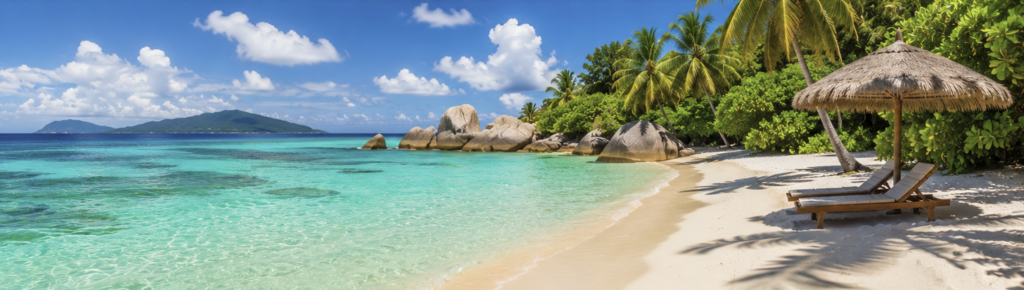
And then there are the summers where the only itinerary item that actually matters is rest — real rest, the kind that requires you to physically remove yourself from your usual environment because staying home means answering one more email, doing one more load of laundry, being available to one more person who needs something from you.
Bali, Indonesia
Bali’s reputation as a wellness destination has become so ubiquitous on social media that I almost skipped it out of sheer contrarian instinct, assuming it would feel like walking into someone else’s overexposed content rather than an actual experience of my own. I was wrong, and I’m genuinely glad I let myself be wrong.
The island has this layered quality that the yoga-retreat, smoothie-bowl aesthetic on Instagram doesn’t fully capture — lush rice terraces in Ubud that genuinely take your breath away in person, temple ceremonies that feel sacred rather than staged for tourists if you seek out the right ones, and a pace of life that slows you down almost against your will within the first forty-eight hours. I did one week centered almost entirely around a single wellness retreat outside Ubud, and came home feeling more genuinely rested than I had after any “vacation” I’d taken in years, precisely because the entire structure of the days was built around rest rather than sightseeing.
Style notes: Bali’s aesthetic has essentially become shorthand for a specific kind of boho-luxury wellness look — flowing linen sets in natural, undyed tones, layered wooden and natural-stone jewelry, hair loose or in a simple low braid. This is a destination where soft glam tips fully into “no makeup makeup,” because the humidity and the general ethos of the place both push against anything heavier. I’d bring one genuinely beautiful, simple white dress for temple visits (modest coverage matters here, and it’s worth researching specific dress codes before you go), and otherwise lean entirely into comfort — the kind of clothing that photographs beautifully specifically because it looks like you’re not thinking about it at all.
The retreat I stayed at had a policy I resisted at first and ended up being deeply grateful for — no phones during shared meals, a genuinely enforced quiet hour each afternoon, a structure that removed the constant low-grade decision-making that usually fills my days at home. By the fourth day I noticed I’d stopped reaching for my phone reflexively every few minutes, a habit I hadn’t fully registered as a habit until it briefly, temporarily disappeared. I won’t pretend that discipline survived the flight home fully intact, but I think about that version of myself often, and I’ve made small, deliberate changes to my daily routine since specifically because Bali showed me it was possible to want something different from my own attention.
Marrakech, Morocco
Marrakech doesn’t fit the typical “relaxation destination” mold at first glance — the medina is loud, chaotic, sensory in a way that can feel overwhelming before it feels wonderful — but the riads, those traditional courtyard houses converted into small guesthouses and hotels, offer some of the most genuinely restorative accommodation I’ve experienced anywhere in the world. You step through an unassuming door off a bustling, narrow street and suddenly you’re in a hidden courtyard with a fountain, orange trees, and complete silence, which is a contrast so stark it feels almost engineered for maximum emotional effect.
I spent my days alternating between wandering the souks, buying more handwoven textiles than I had any reasonable use for, and then retreating back to my riad’s rooftop for hours at a time, doing genuinely nothing except reading and watching the call to prayer echo across the city at sunset. A proper hammam spa treatment — the traditional Moroccan steam-and-scrub ritual — remains one of the most physically relaxing experiences of my adult life, in a way that’s difficult to fully describe until you’ve had your skin scrubbed within an inch of its life by someone who clearly does this better than you do anything.
Style notes: Marrakech calls for modest, breathable coverage that still feels genuinely stylish — flowing kaftans, wide-leg linen trousers, loose long-sleeve tops in breathable fabric that protect your skin from sun while respecting local dress norms in a city where showing up in a tiny sundress in the medina will earn you more stares than compliments. Layered gold jewelry feels completely at home here, echoing the intricate metalwork you’ll see everywhere in the souks. For the riad itself, pack one genuinely luxurious loungewear set — you’ll spend more time relaxing in courtyards and rooftop spaces than almost anywhere else on this list, and it deserves an outfit that matches the mood.
I’d underestimated, before going, how much the sound of a place contributes to how relaxed you actually feel there, and Marrakech taught me this lesson more directly than anywhere else I’ve traveled. The riad I stayed in was maybe ninety seconds’ walk from one of the busiest lanes in the entire medina, and yet inside its walls, the loudest sound most afternoons was water trickling from the courtyard fountain and the occasional bird settling in the orange trees. That specific, engineered contrast between chaos and calm, available within the same square block of the city, felt like a genuinely useful metaphor for the kind of relaxation this whole guide is actually chasing — not the absence of a busy world, but a deliberately protected pocket within it.
The Swiss Lakes (Lake Geneva and Interlaken)
Switzerland doesn’t often make “relaxation” lists, usually getting filed instead under “adventure” for its mountains or “expensive” for basically everything else, but the lake towns specifically offer a genuinely different, softer register of Swiss travel that I think gets overlooked. I spent several days moving slowly between Lake Geneva’s elegant waterfront towns and Interlaken’s dramatic setting between two turquoise lakes, and found the whole experience to be one of the most quietly luxurious, low-key restorative trips I’ve taken in years.
There’s a specific pleasure in lakeside towns that coastal destinations don’t quite replicate — the water is stiller, the pace even slower, and the mountain backdrops add a kind of visual drama to even the most mundane activities, like eating breakfast on a hotel terrace or taking an unhurried walk along a promenade. A short boat cruise across Lake Geneva, past vineyard-covered hillsides and small medieval towns, remains one of the most purely peaceful afternoons I’ve had anywhere on this entire list.
Style notes: Swiss lake style leans into elevated, understated elegance — think a soft cashmere sweater draped over your shoulders for cooler lakeside evenings, tailored trousers, loafers or ballet flats rather than anything more casual. This is quiet luxury in its most literal geographic home, honestly, and the aesthetic here leans crisp and put-together rather than beachy or undone. A structured leather bag works beautifully against the elegant European backdrop, and I’d pack at least one genuinely polished daytime look for lakeside lunches, since the overall vibe of the towns themselves rewards a slightly more composed presentation than the barefoot-luxury energy of somewhere like Bali or the Maldives.
What I didn’t expect from the Swiss lakes was how much the mountain backdrop changes the emotional quality of relaxing near water compared to a purely coastal setting. There’s a stillness to being surrounded on all sides by those enormous, snow-capped peaks that feels different from an open horizon line at the beach — more contained, somehow, more like being held than being exposed. I spent one entire afternoon simply reading on a hotel terrace in Interlaken, glancing up every few pages at the Jungfrau in the distance, and left that trip feeling like I’d been recalibrated in a quieter, less dramatic way than Bali’s retreat structure, but no less genuinely restorative for it.
The Honest Downsides Nobody Puts in These Guides
I don’t think a guide like this does you any favors if it only tells you the flattering version of each place, so let me balance the scales a little before we wrap up.
The Algarve, for all its charm, has genuinely become a victim of its own quiet popularity — the most photogenic beaches now come with real crowds by mid-morning in peak season, and some of the coastal development near the more famous viewpoints feels considerably less charming than the marketing photos suggest. Sardinia’s Costa Smeralda prices can rival the French Riviera during the height of summer, which caught me off guard the first time I saw a lunch menu there, so it’s worth budgeting more carefully than the “hidden gem” reputation implies. The Maldives, beautiful as it is, involves genuinely long, multi-leg travel days to reach most resorts, including a seaplane transfer that’s stunning the first time and merely tiring by the third.
On the adventure side, the Dolomites’ weather can turn with almost no warning even in peak summer, and I’ve seen hikers genuinely underprepared for a sudden temperature drop at altitude — pack real layers regardless of how warm the trailhead feels when you set out. Costa Rica’s rainy season overlaps with more of the summer than most guides admit, and even outside official rainy season, a daily afternoon downpour is close to guaranteed in many regions, so plan indoor backup activities rather than assuming every day will go entirely to plan. Sailing Croatia requires a level of comfort with unpredictability — wind conditions can rearrange an entire day’s plan with little notice, and if you’re someone who needs a fixed itinerary to feel comfortable, this may test you more than you’d expect going in.
Bali’s popularity has created real congestion in the most Instagram-famous parts of Ubud and Canggu, to the point where “escaping the crowds” now requires genuine effort and research rather than simply showing up. Marrakech’s medina, while magical, can also feel overwhelming and occasionally aggressive in its persistent vendor culture, especially for travelers unused to that particular style of commerce — it took me a full two days to stop feeling slightly on edge navigating it, and I’d encourage any first-time visitor to budget mental energy for that adjustment period rather than expecting instant comfort. And Switzerland, however restorative, remains genuinely one of the most expensive countries in Europe for basically everything, from a simple coffee to a hotel room, so it’s a destination that rewards a larger budget more directly than almost anywhere else on this list.
None of this changes my overall recommendations — I’d return to every single one of these nine places again without much hesitation. But I think an honest guide owes you the friction along with the glow, because showing up prepared for the harder parts is usually what actually determines whether a trip feels magical or merely stressful in the moment.
How I’d Actually Combine These Three Moods Into One Trip
I promised at the start of this post that I’d stopped trying to force sun, adventure, and relaxation into a single destination, and I meant it — but that doesn’t mean you can’t sequence multiple moods across a longer trip, which is honestly become my favorite way to travel over the last couple of years.
My favorite version of this looks something like starting with adventure while your energy and motivation are highest — a few days in the Dolomites or Costa Rica right at the beginning of a trip, when you’re freshest and most eager to push yourself physically. Then transition into sun, letting your body actually recover while you get some color and slow down slightly — the Algarve or Sardinia work beautifully as a middle chapter, active enough to still feel engaged but considerably gentler than the adventure leg. And finally, end on relaxation, when you’re tired in the good way, ready to fully surrender the itinerary entirely — Bali or a Moroccan riad as your last stop lets you land back home feeling rested rather than depleted, which fundamentally changes how quickly you bounce back once real life resumes.
This sequencing also solves a packing problem that used to genuinely stress me out — you’re not trying to bring hiking boots and resort wear and loungewear all crammed into one suitcase for the entire trip. You can ship or store the adventure gear partway through, or simply plan around wearing your more technical pieces early and your softer, more elevated pieces later, letting your wardrobe evolve alongside your own energy levels across the trip.
There’s an emotional logic to this sequencing too, beyond the purely practical packing benefits. Starting with adventure means you get the hardest, most uncertain part of the trip out of the way while your motivation is highest and your expectations haven’t yet been softened by days of easy relaxation — it’s much harder to convince yourself to do a challenging sunrise hike on day nine of a trip than on day one. Ending with relaxation means you’re not trying to wind down and simultaneously prepare to reenter your normal, demanding life; you get a genuine buffer of stillness immediately before you’re back to emails and school pickups and everything else waiting for you at home. I didn’t design this sequencing consciously the first time I tried it — it happened almost by accident on a longer trip a few years back — but I’ve been deliberate about replicating it ever since, because the difference in how I feel landing back home is genuinely noticeable.
The Beauty Routine That Actually Survives All Three Moods
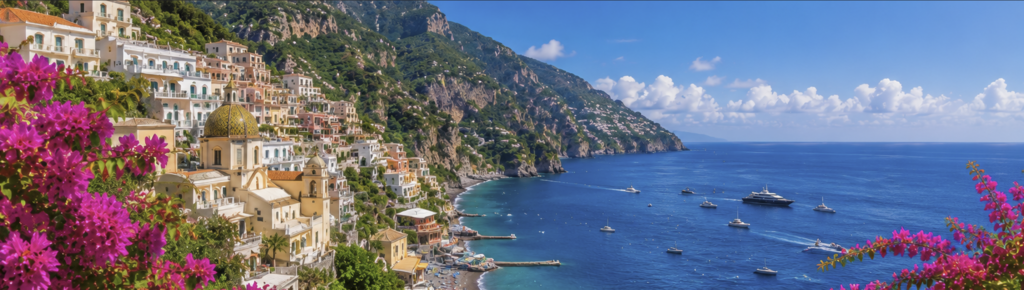
I want to talk for a moment about beauty specifically, because packing a single routine that can handle mountain sweat, ocean humidity, and total spa-day relaxation without requiring three separate toiletry bags is a genuinely useful skill, and one that took me longer to figure out than I’d like to admit.
The trick, I’ve found, is building everything around skin that’s already doing well before you even leave home, so you’re not relying on heavy products to cover for a lack of preparation. A consistent skincare routine in the weeks leading up to a trip like this matters more than anything you’ll pack in your actual bag — hydration, SPF discipline, and enough sleep that your skin isn’t already compromised before the travel stress even begins. Once you’re there, a tinted SPF moisturizer does more work across all three moods than almost any other single product; it survives a hike, it survives ocean spray, and it looks genuinely lovely under the soft, dewy finish that soft glam has made the defining beauty aesthetic of the last couple of years.
Waterproof mascara and a cream blush you can apply with your fingers round out what I’d consider the actual minimum viable routine for a trip covering this much emotional and geographic ground. Everything else — a bolder lip for a Hvar dinner, a more elaborate contour for a Maldives sunset photo — is genuinely optional, added on top of that base rather than replacing it. I think this is part of why the soft glam moment has had such staying power; it’s not really asking you to carry more, it’s asking you to carry less and trust your own skin more, which after a certain number of over-packed toiletry bags in my twenties, felt like a genuine relief to finally embrace.
Hair deserves its own brief mention here too, because it’s the category most likely to derail an otherwise streamlined routine. I’ve made peace with the fact that a single trip covering mountains, oceans, and humid courtyards is never going to produce consistently perfect hair, and fighting that reality with too many products and tools is a losing battle that also eats precious suitcase space. A good leave-in treatment, a single multi-purpose oil that doubles as a skin and hair product, and a acceptance that braids are your best friend across all three moods has served me far better than any curling iron I’ve ever guiltily packed and then never actually used past day two.
A Word on Traveling a Little More Consciously This Year
I’d be leaving something out if I didn’t mention the broader conversation happening right now around overtourism, because several of the destinations on this list — Bali, Dubrovnik, the more famous corners of Santorini and the Amalfi Coast that I’ve written about elsewhere — have become genuine flashpoints for exactly that conversation, with local communities increasingly vocal about the strain popular travel content has placed on their daily lives, water supplies, and housing markets.
I don’t think the answer is to simply avoid beautiful, popular places out of guilt, but I do think this year’s version of “elegant travel” includes a slightly more thoughtful approach than simply chasing the same handful of viewpoints everyone else is chasing. That looks like visiting Dubrovnik’s old town early or late in the day rather than adding to peak midday crowds, choosing smaller, locally-owned accommodations over large international chains where the option genuinely exists, and being willing to explore the quieter, less-photographed corners of a destination — Sardinia’s interior, the Algarve’s early mornings — rather than only collecting the same five images everyone’s algorithm has already shown you a hundred times.
This isn’t about performative sustainability, and I’m genuinely wary of guides that turn conscious travel into another aesthetic to consume rather than a real practice. It’s simply an acknowledgment that the places we love enough to write eight-thousand-word guides about deserve a little more care from us than a quick visit and an exit, especially as more and more of us are traveling to the exact same handful of locations at the exact same times of year because an algorithm told us to.
What I’m Actually Packing This Year
If you made me distill an entire summer of sun, adventure, and relaxation into a single, real packing list rather than destination-specific notes, it would look something like this: one exceptional pair of hiking-appropriate shoes that don’t look purely technical, one swimsuit in a color that photographs well against both turquoise water and volcanic sand, one pair of tailored linen trousers that can dress up or down depending on the top you pair them with, gold jewelry that layers easily and travels across every single mood on this list without ever looking out of place, and one loungewear set genuinely nice enough to be seen in on a riad rooftop or a Swiss hotel terrace.
Everything else, I’ve learned, is negotiable, replaceable, or simply less important than I used to believe it was. The trips that have actually mattered to me over the years were never really about how complete my suitcase was. They were about whether I let myself fully arrive in each place — physically challenged in the Dolomites, sun-warmed and unhurried in the Algarve, completely surrendered to stillness in a Marrakech riad — rather than spending the whole trip performing a version of relaxation or adventure for an audience that, in the end, is far less invested in the details than we tend to assume they are.
I’ll add one more genuinely practical note here, since I think it gets left out of most guides like this: pack a small, dedicated bag within your suitcase specifically for “transition items” — the things you’ll need in the first hour after landing before you’ve fully settled in. A change of top for a long-haul flight, a travel-size version of whatever skincare you can’t function without, a single outfit that works regardless of which destination you’re arriving into first. It sounds like a small thing, but arriving anywhere feeling presentable rather than rumpled and travel-worn changes the entire first impression you have of a place, and first impressions, fairly or not, tend to color how the rest of the trip feels in your memory afterward.
A Few Honest Answers to Questions I Get Asked Constantly
People ask me all the time how to actually choose between these three moods when planning a single vacation, especially when time and budget only allow for one trip this year. My honest answer is to ask yourself what you’re actually depleted in right now, rather than what you think a “good summer vacation” is supposed to look like. If you’ve been physically sedentary for months, chasing a screen more than your own body, adventure will likely serve you better than lying on a beach, no matter how appealing that beach looks on Pinterest. If you’ve been running on empty socially and emotionally, relaxation destinations like Bali or Marrakech will do more for you than any amount of adrenaline.
I’m also asked constantly whether any of this is realistic on a tighter budget, and the honest answer is that sun and relaxation destinations tend to flex more easily across price points than adventure ones, simply because adventure destinations often require more specialized gear and guided experiences that come with fixed costs. The Algarve, in particular, remains one of the more affordable entries on this entire list relative to how spectacular it is, and Bali’s cost of living makes an extended, restorative stay considerably more accessible than a comparable length of time in somewhere like the Maldives or Switzerland.
Finally, people want to know which single destination on this list I’d send a first-time solo female traveler to, and without much hesitation, I’d say the Algarve or Bali — both feel genuinely safe and welcoming for solo travel, both have strong existing infrastructure for meeting other travelers if you want to, and neither demands the kind of specialized skill or physical preparation that somewhere like the Dolomites or a sailing trip through Croatia requires.
One more question I get more often than I expected: how far in advance should you actually book something like this. My honest answer varies more by destination than most planning guides suggest. The Maldives and Swiss lake towns genuinely reward booking six to nine months out, both for pricing and for securing the specific properties that make those destinations feel worth the investment. The Algarve, Sardinia, and Marrakech are considerably more forgiving, often bookable within two or three months without meaningfully sacrificing quality or price. Costa Rica and the Dolomites sit in between — adventure destinations with real seasonal weather windows worth respecting, so I’d give yourself at least four to five months to plan around the specific conditions that make each of those trips worthwhile.
Where This Leaves Us
If I’m being fully honest with you, the destination itself was never really the point of any of this, even though I’ve just spent thousands of words describing nine of them in loving detail. The point was always the version of myself I got to be in each place — the woman scrambling up a limestone spire in the Dolomites, aching and thrilled; the one doing absolutely nothing on a Maldivian overwater deck for six straight hours without a shred of guilt; the one sitting in a Marrakech courtyard at dusk, completely silent, completely present, for the first time in longer than I’d like to admit.
Sun, adventure, and relaxation aren’t really competing categories, in the end. They’re different rooms in the same house, and a genuinely full life, I think, visits all three eventually, even if not in the same week or the same trip. Wherever you land this summer — hiking boots or gold sandals or a loungewear set that’s seen better days — I hope you let yourself actually be there, fully, rather than narrating the trip to an imaginary audience the entire time you’re living it.
That’s the real dream summer, in the end. Not the itinerary. Just you, finally, somewhere beautiful, paying attention.
If I’m asked next year to update this list, I suspect a few of these nine will change and a few will stay exactly where they are, because that’s the nature of a list built around feeling rather than pure novelty. But I’d bet on this much staying constant: I’ll still be splitting my summer across these three moods rather than trying to force one trip to be everything, and I’ll still be packing lighter, more considered, more genuinely me than I used to. If this guide has done anything useful, I hope it’s given you permission to do the same — to stop treating a single vacation as a referendum on your entire year, and start treating it as one mood, well chosen, fully lived.