The Feminine Fitness Philosophy That Redefined How I Train, Rest, and Th
2/13/20266 min read


There was a time when I believed fitness had to hurt to count. If I didn’t leave the gym shaking, drenched, and slightly resentful of my own ambition, I felt like I hadn’t done enough. I chased soreness. I chased aesthetic perfection. I chased the idea of being “disciplined.” And yet, the more I pushed, the more disconnected I felt from my body.
Somewhere between overbooked mornings, late-night laptop sessions, and trying to look effortlessly put together, I realized something uncomfortable: I didn’t want a body that survived my lifestyle. I wanted one that thrived in it.
That’s when I began shaping what I now call my Sculpt & Reset™ philosophy. Not a punishing routine. Not a trendy 30-day shred. But a sustainable, intelligent system that supports strength, energy, posture, mood, hormones, and yes—beautiful muscle definition. From a woman’s perspective, living in the real world, not a fitness commercial.
Because here’s the truth no one told us: exhaustion is not a badge of honor. Balance is.
For years, the wellness industry sold us extremes. On one end, endless cardio sessions chasing thinness. On the other, high-intensity strength programs pushing hypertrophy at any cost. But modern physiology tells a much more nuanced story. Chronic high-intensity training without adequate recovery elevates cortisol, our primary stress hormone. When cortisol stays high for too long, it interferes with fat metabolism, sleep quality, thyroid function, and even muscle recovery. I learned this the hard way—when I was training harder than ever and feeling softer, more inflamed, and constantly tired.
So I stepped back and rebuilt everything around five pillars: strength, sculpting, mobility, walking, and recovery.
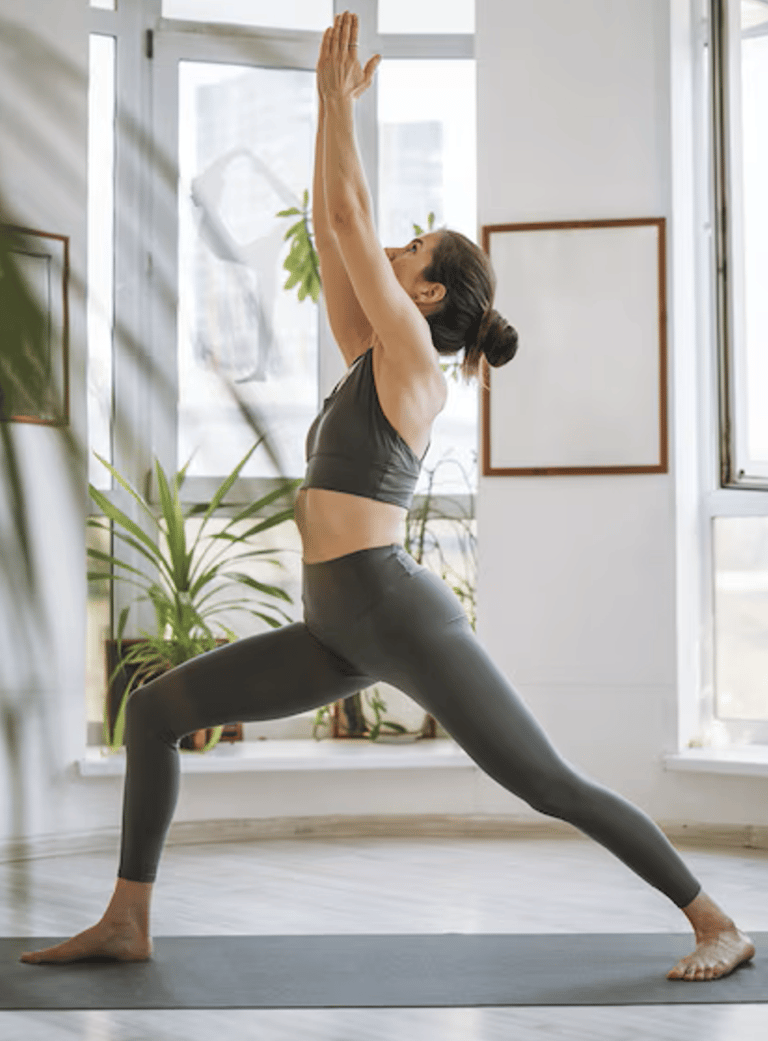
Strength training became my foundation—but not in the way I used to approach it. Instead of chasing maximal lifts, I focused on compound movements that build functional resilience. Squats, Romanian deadlifts, hip thrusts, rows, presses. Movements that train large muscle groups and stabilize the core. Research consistently shows that building lean muscle improves insulin sensitivity and resting metabolic rate. Muscle tissue is metabolically active; it burns energy even at rest. For women especially, maintaining muscle mass becomes critical as estrogen naturally declines with age.
But strength, in this new season of my life, is about more than metabolism. It’s about posture. Confidence. The way my shoulders sit back when I walk into a room. The way my lower back doesn’t ache after long workdays. Strength is structural elegance.
Then there’s sculpting—the softer sister of strength training. Lighter weights. Resistance bands. Higher reps. Slower tempo. Time under tension. This is where I focus on glutes, arms, inner thighs, deep core. Not to bulk. Not to look like someone else. But to refine. To create tone and shape without overwhelming my nervous system.
One of the biggest mistakes I made in my early twenties was training intensely every single day. What I didn’t understand then is that the nervous system needs modulation. High-intensity training activates the sympathetic “fight or flight” response. That’s not inherently bad—it’s powerful. But if every session is maximal effort, the body never fully shifts into parasympathetic recovery mode. That’s when burnout happens. Hormones get dysregulated. Sleep suffers. Cravings spike.
Sculpt sessions feel different. Focused. Controlled. Intentional. I leave feeling energized instead of drained. And over time, that consistency compounds more beautifully than sporadic extremes ever did.
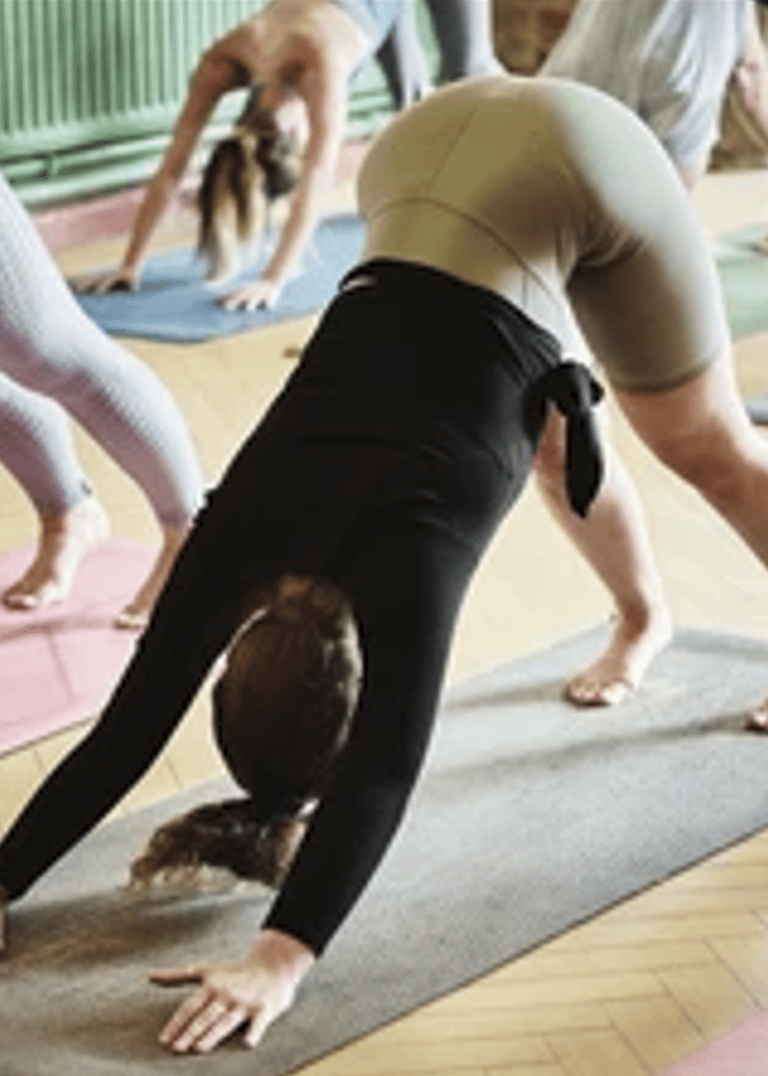
Mobility was the missing piece I didn’t know I needed. I used to treat stretching like an afterthought—two rushed minutes before checking my phone. But joint health is not optional, especially for women balancing work, travel, long sitting hours, and strength training.
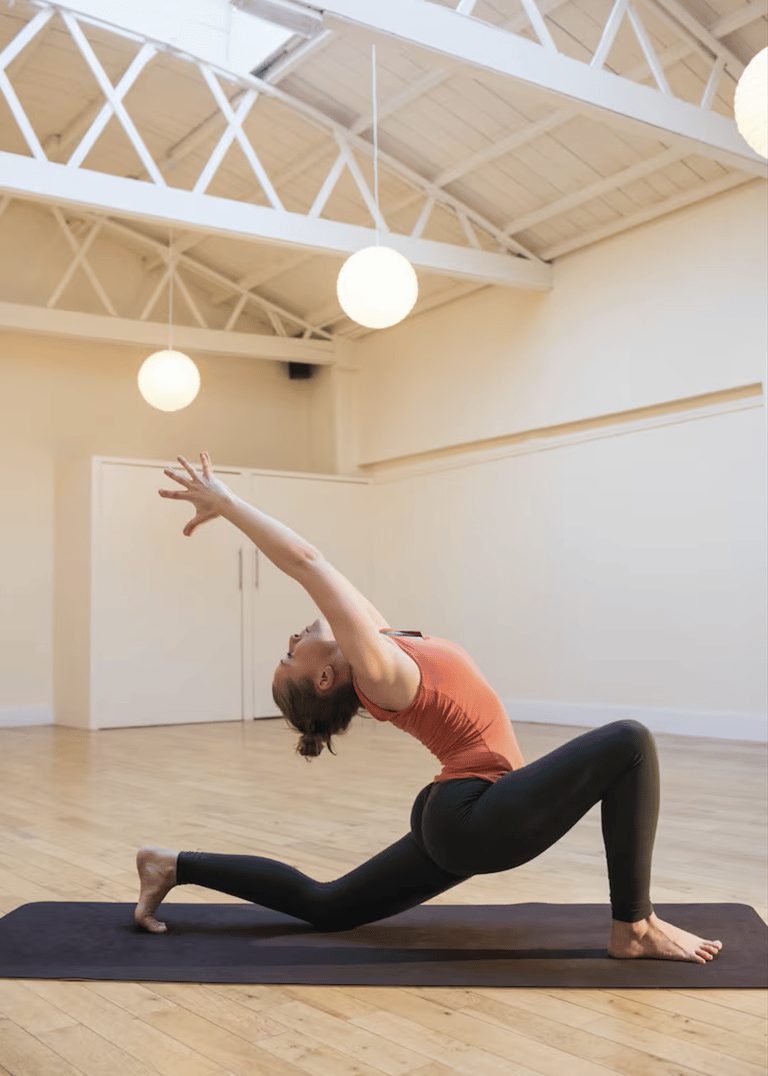
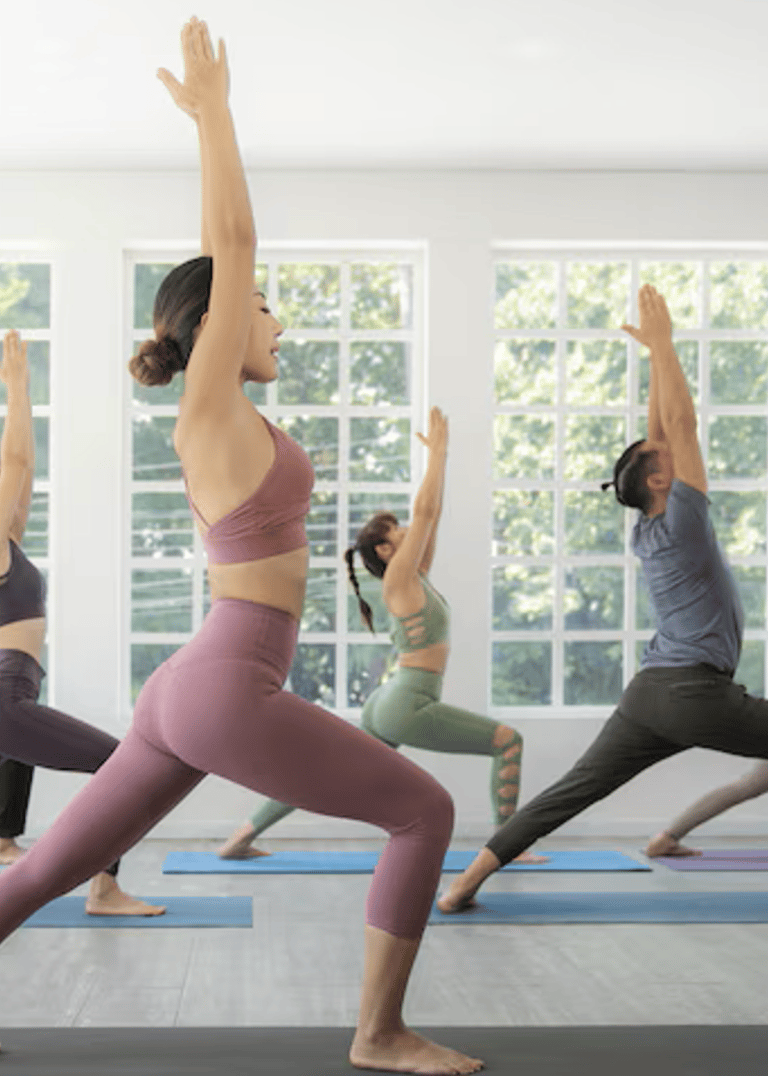
Mobility work keeps fascia hydrated and responsive. It improves range of motion, which directly impacts strength performance. A deeper hip hinge. A smoother squat. A stable overhead press. It also reduces injury risk. Dynamic stretching, controlled articular rotations, Pilates-based flows—these have become rituals rather than chores. On days when my cycle shifts and I feel more sensitive, mobility sessions feel like a conversation with my body instead of a command.
And then there’s walking. The most underrated wellness tool in existence.
At first, it felt too simple. Too basic. But walking supports mitochondrial health—the efficiency of the tiny energy factories inside our cells. Low-intensity steady-state movement enhances fat oxidation without significantly increasing cortisol. It improves circulation, supports lymphatic drainage, and regulates blood sugar. Studies show that even a 10–15 minute walk after meals can improve glucose control.
Beyond physiology, walking is clarity. It’s where I process ideas. Where I breathe deeper. Where I step away from screens. In a culture obsessed with optimization, walking feels rebellious in its simplicity. And yet, it might be the most metabolically intelligent habit in my routine.
Rest used to scare me. I thought rest meant regression. Now I understand that adaptation happens during recovery, not during the workout itself. When we train, we create microscopic muscle fiber damage. During rest, the body repairs those fibers stronger. Without sufficient recovery, performance declines instead of improves.
I structure my week intentionally. Two to three strength-focused sessions. Two sculpt-based sessions. Daily walking. Dedicated mobility flows. At least one true rest day. And here’s the magic: I look leaner and feel stronger than when I trained six intense days a week.
Recovery has become almost sacred to me. Foam rolling to improve fascial glide. Breathwork to stimulate the vagus nerve and shift into parasympathetic dominance. Occasional infrared sauna sessions to enhance circulation and support detoxification pathways. Magnesium at night for muscle relaxation. None of it is excessive. All of it is supportive.
What I’ve learned is that the female body is cyclical, not linear. Energy fluctuates. Strength peaks and dips across the menstrual cycle. During the follicular phase, I feel powerful—perfect for heavier strength sessions. During the luteal phase, I gravitate toward sculpt, mobility, and walking. Instead of fighting my physiology, I now align with it.
That alignment is the essence of Sculpt & Reset™.
It’s not about shrinking yourself. It’s about refining yourself. It’s not about punishment. It’s about partnership. It’s about building a body that carries you gracefully through long airport terminals, spontaneous dance nights, business meetings, and slow Sunday mornings.
And aesthetically? The irony is that when I stopped obsessing over aesthetics, my body responded. Reduced inflammation. Improved muscle tone. A flatter lower abdomen—not from endless crunches, but from stress regulation and deep core training. Defined glutes—not from daily burnout, but from progressive overload and proper recovery.
Modern wellness is shifting toward longevity science for a reason. We now understand the importance of maintaining muscle mass for bone density, metabolic health, and cognitive resilience. We understand that chronic stress is as damaging as inactivity. We understand that sustainable habits outperform extreme bursts every time.
This philosophy also changed my relationship with food. When workouts became balanced, my hunger cues stabilized. I stopped swinging between restriction and cravings. Strength training improved my insulin sensitivity. Walking improved digestion. Proper recovery improved sleep. And sleep—more than any supplement—transformed everything from mood to body composition.
There’s something deeply feminine about training intelligently. About honoring intuition alongside science. About building curves through glute bridges and Romanian deadlifts, not starving them away. About choosing mobility over martyrdom.
I no longer measure success by how sore I am. I measure it by how steady my energy feels. By how deeply I sleep. By how strong I feel carrying groceries. By how confident I feel in fitted tailoring. By how present I am in conversations.
Sculpt & Reset™ isn’t revolutionary because it’s extreme. It’s revolutionary because it’s balanced.
If you’re reading this and feeling exhausted by fitness culture—good. That exhaustion is information. It’s a signal that your body wants collaboration, not domination.
Start simple. Two strength sessions per week. Add one sculpt-focused workout. Walk daily, even if it’s just twenty minutes. Dedicate one full session to mobility. Protect your rest days like appointments. Track how you feel, not just how you look.
The glow we’re all chasing? It’s not from punishment. It’s from regulation. Balanced hormones. Stable blood sugar. Strong muscles. Mobile joints. Calm nervous system.
I still love looking sculpted in a mirror. I still appreciate definition in my shoulders and legs. But now, those are side effects—not the mission.
The mission is vitality.
To wake up clear-headed. To move fluidly. To feel strong without feeling swollen. To age with muscle, grace, and confidence. To live in a body that feels like an ally.
And that, to me, is the true It-Girl energy. Not frantic. Not overtrained. Not burnt out.
Strong. Soft. Structured. Rested.