My Personal Journey to Understanding and Training the Deltoids
2/26/20265 min read
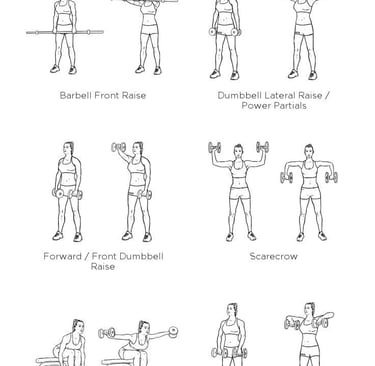
There was a time when I thought shoulder training was simple. You lift weights overhead, feel the burn, admire the shape in the mirror, and that’s it. At least, that’s what I believed when I first started working out. Like many women stepping into the world of fitness, I was focused on what I could see — toned arms, sculpted shoulders, visible definition. I didn’t think much about function, balance, or how my body actually worked.
But my body had other plans. And eventually, it forced me to listen.
My journey into understanding shoulder training didn’t start in a gym. It started in everyday life — struggling to lift heavy grocery bags, feeling tension in my neck after long hours at my desk, noticing stiffness when reaching for something on a high shelf. These small moments slowly made me realize something surprising: my shoulders weren’t truly strong. They only looked strong.
That realization completely changed how I approach fitness.
What I learned about the deltoids — the muscles that form the shoulders — transformed not just my workouts, but my relationship with my body, my posture, my confidence, and even how I move through daily life.
The shoulder is one of the most fascinating and complex joints in the human body. It allows incredible freedom of movement — lifting, rotating, pushing, pulling, reaching in almost every direction. But that freedom comes with vulnerability. Unlike more stable joints, the shoulder relies heavily on muscular balance for support. When that balance is missing, problems appear quietly at first — tension, discomfort, limited movement — and eventually become more serious.
I remember the first time I learned that the shoulder isn’t just one muscle. The deltoid is actually divided into three distinct parts: the front (anterior), the middle (medial), and the back (posterior). Each part plays a different role, and each needs specific attention.
That moment was eye-opening, because I immediately realized something uncomfortable: I had been training only the front of my shoulders for years.
Every pushing movement, every overhead lift, every exercise I chose without much thought was strengthening the muscles I could see in the mirror, while the back of my shoulders — the part responsible for posture and stability — remained weak. My shoulders had begun to round forward, my neck felt tight almost constantly, and despite working out regularly, something always felt slightly off.
It wasn’t a lack of effort. It was a lack of balance.
Once I understood this, everything shifted. I stopped training randomly and began training intentionally. Instead of asking “What burns the most?” I started asking “What does my body actually need?”
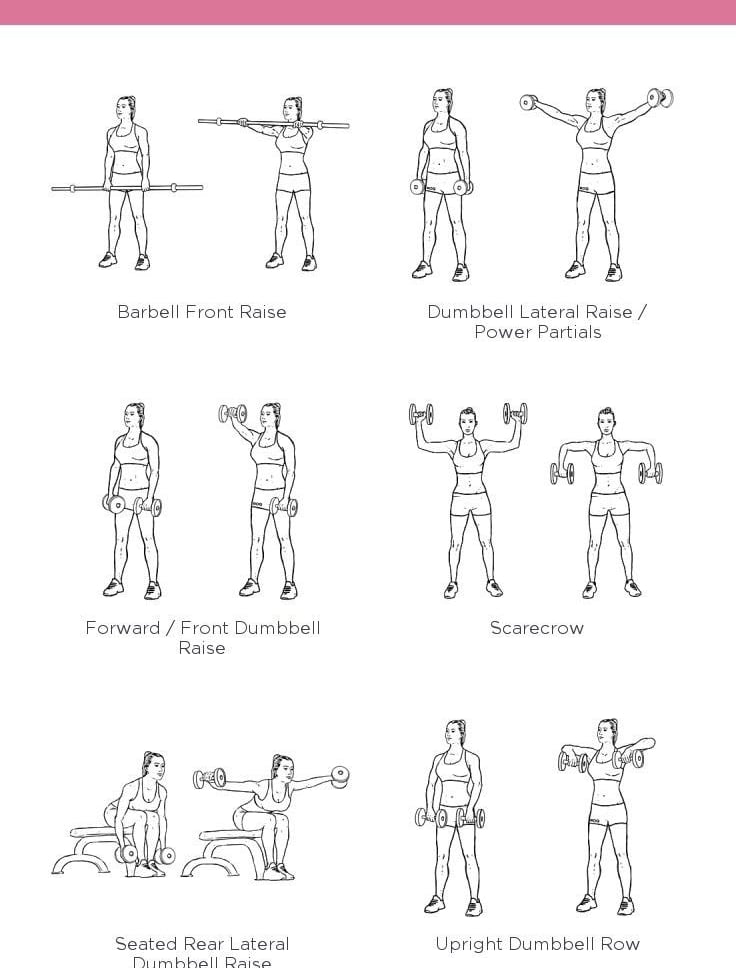
Research later confirmed what my body had already been telling me. Studies measuring muscle activation during shoulder exercises show that no single movement can fully train all three heads of the deltoid at once. Different exercises target different areas. That’s why relying on only one type of movement — especially pressing — creates imbalance over time.
This knowledge made me rethink my entire routine.
The dumbbell shoulder press, for example, became one of my foundational exercises. At first, lifting weights overhead felt intimidating. There’s something deeply vulnerable about holding weight above your head, relying on your own strength to control it. But over time, the movement became empowering. It strengthened not only my shoulders but also my arms, upper back, and even my sense of confidence.
I learned to adapt the exercise depending on how my body felt. Some days I performed it seated for stability. Other days I stood to challenge my core. Sometimes I used lighter weights and slowed the movement down, discovering that control can be more powerful than heaviness. Strength stopped being about pushing limits and became about understanding my body.
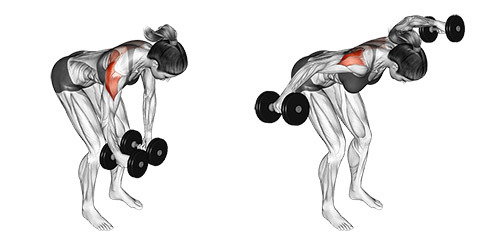
But the biggest transformation happened when I began training the back of my shoulders.
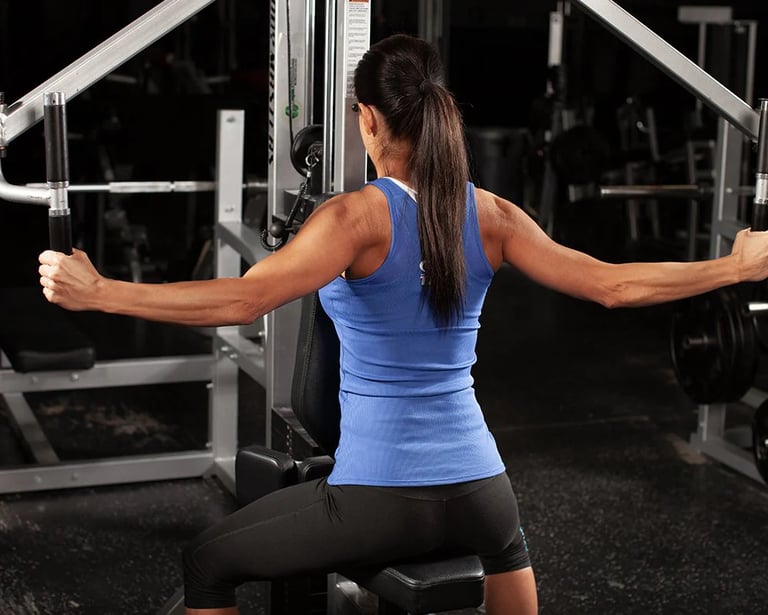
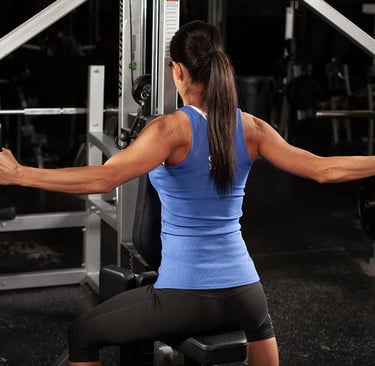
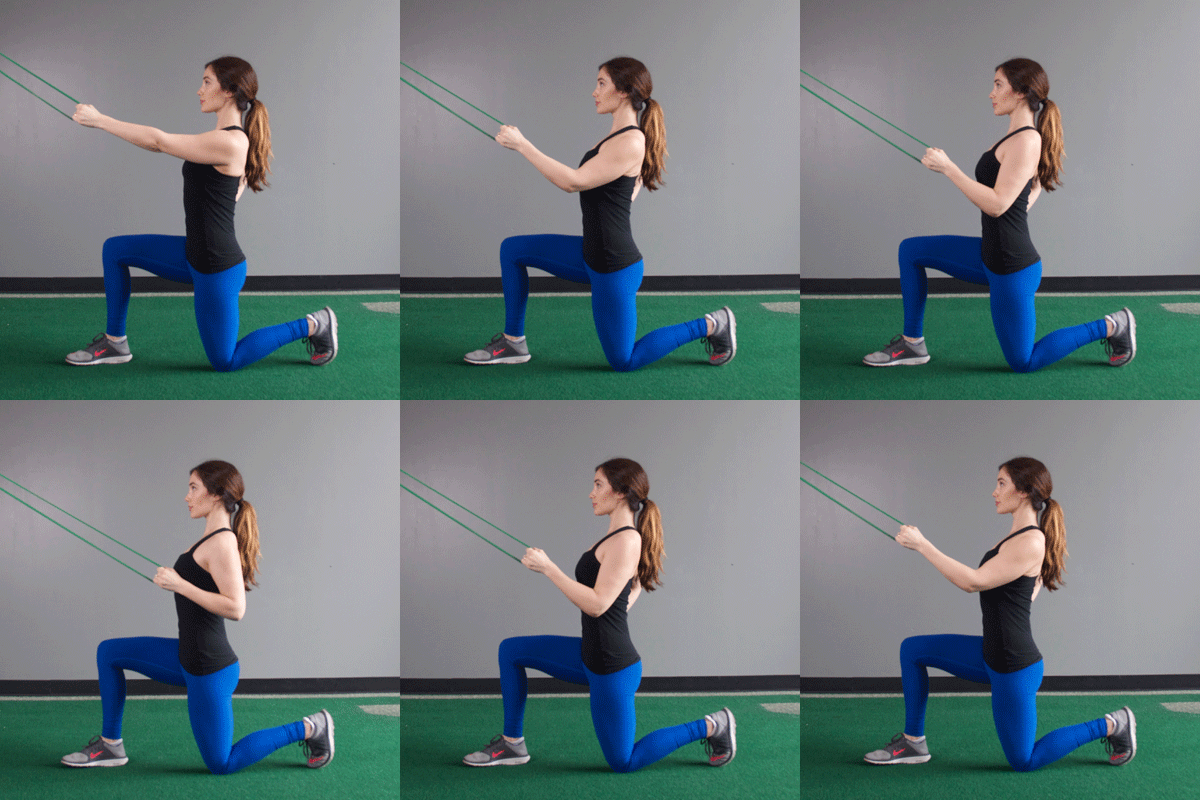
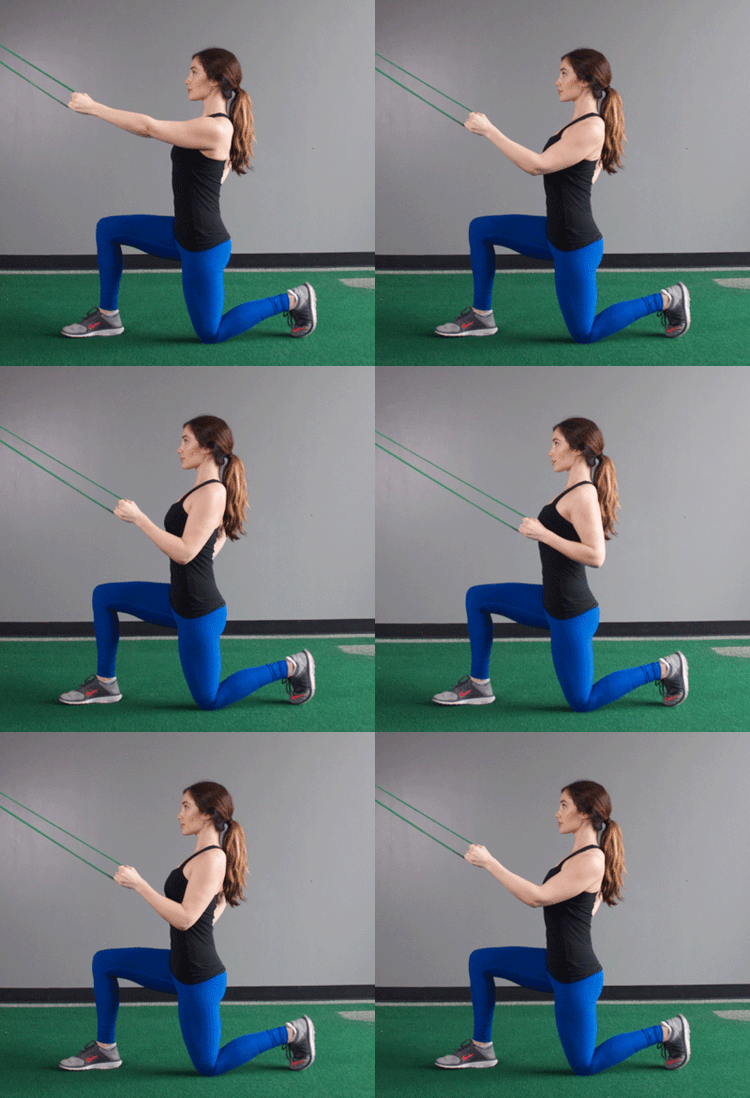
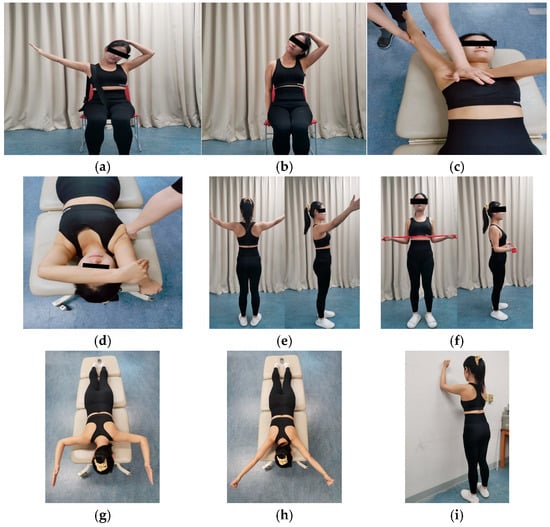
Rear shoulder exercises were humbling. The weights were smaller. The movements looked simple but felt surprisingly difficult. At first, it even felt frustrating to use such light resistance compared to other exercises.
Yet within weeks, I noticed something incredible. My posture improved. The constant tension in my neck began to fade. My upper back felt stronger and more supportive. Even my breathing felt easier because my chest was no longer collapsing forward.
Strengthening the muscles I couldn’t see created changes I could feel every moment of the day.
This was when I truly understood that fitness isn’t just about shaping the body — it’s about supporting it.
The middle part of the shoulder also required attention. Lateral raising movements taught me patience more than anything else. I couldn’t rush them. I couldn’t rely on momentum. They demanded slow, controlled motion and deep awareness of how my body moved through space. These exercises built stability and balance, and surprisingly, they also helped create the natural shoulder shape many people chase with heavier training.
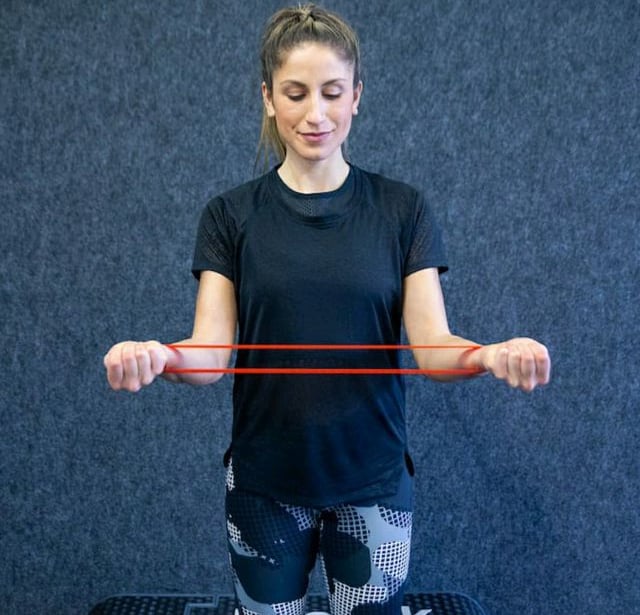
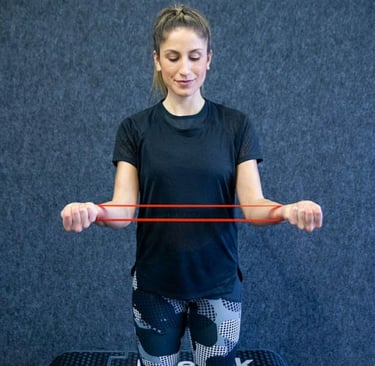
But perhaps the most overlooked part of shoulder health — and one of the most important discoveries in my journey — was the rotator cuff.