What I Wish I Knew Before Visiting Paradise
Dreaming of turquoise waters, white sandy beaches, and island-hopping adventures in the Philippines? In this personal, experience-based guide, I share honest and practical travel tips from a female traveler’s perspective.
2/13/20266 min read
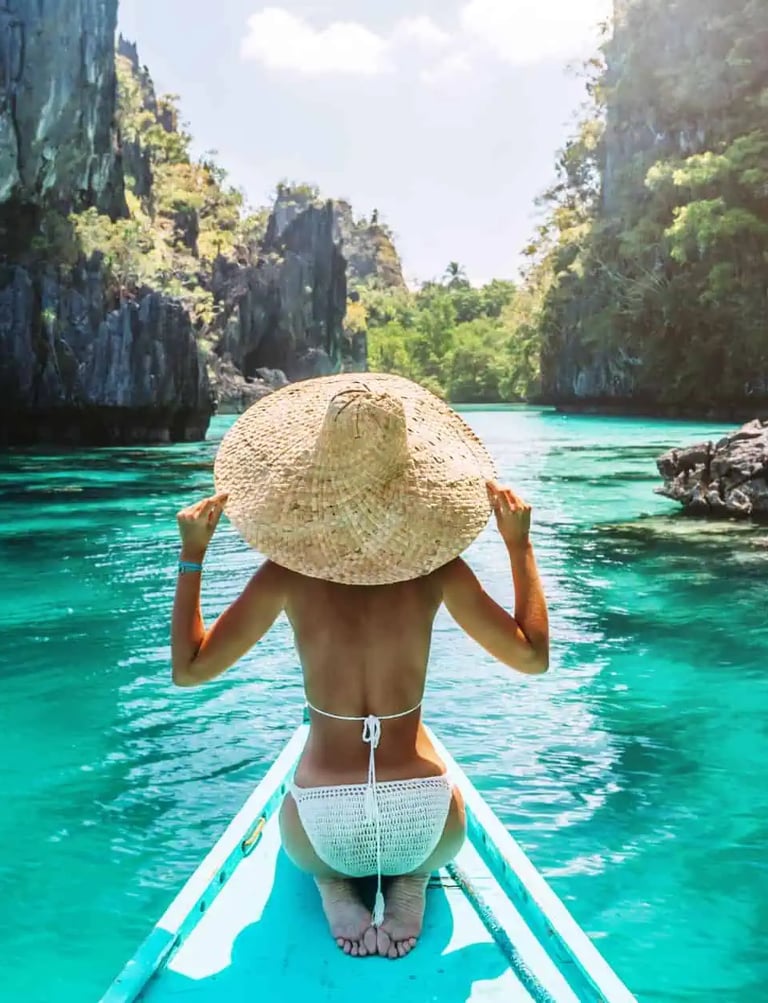
So, you’re thinking about the Philippines. I can already picture it: you, me, all of us daydreaming about that impossible shade of turquoise water, powdery white sand slipping through our fingers, and the kind of sunsets that make you question every life decision that doesn’t involve living on a tropical island.
I felt exactly the same before my first trip.
The Philippines had been sitting on my vision board for years. Crystal-clear lagoons in El Nido, dramatic limestone cliffs, smiling locals, mangoes sweeter than anything I’d ever tasted. And yes, maybe a cheeky stop at Jollibee because how could I not?
But here’s the thing no one really tells you on Instagram: while the Philippines absolutely is paradise, it’s a beautifully chaotic, wonderfully imperfect, sometimes challenging paradise. And honestly? That’s part of why I fell so deeply in love with it.
Let me tell you what I wish I truly understood before I went — woman to woman, traveler to traveler — not in a textbook voice, not in a “Top 10 Generic Travel Tips” format, but in the real, lived-in, slightly sweaty, slightly sunburnt, coconut-in-hand kind of way.
First of all: yes, English is widely spoken. And that is such a gift when you’re traveling somewhere with over 7,000 islands. Filipino (based on Tagalog) is the national language, but most people grow up speaking their regional dialect plus Tagalog plus English. It’s honestly impressive. In cities like Manila, you’ll hear “Taglish” everywhere — this playful mix of English and Tagalog that sounds like a linguistic dance. I loved listening to it in cafés and jeepneys, catching familiar English words floating through melodic sentences.
And the warmth? It’s real. Filipinos are genuinely some of the kindest, most hospitable people I’ve met anywhere in the world. As a solo female traveler, I felt that warmth constantly — from tricycle drivers making sure I got back safely to my guesthouse, to market vendors teaching me how to say “salamat po” properly.
Ah yes, “po.” If there’s one cultural detail to remember, it’s this tiny word that carries so much respect. Adding “po” when speaking to elders or service staff signals politeness. You might stumble over where to place it in a sentence — I definitely did — but trust me, effort matters more than perfection. The smiles you’ll get for trying are worth it.
Now let’s talk about the dreamy part: the beaches.
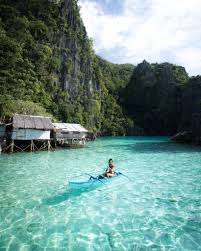
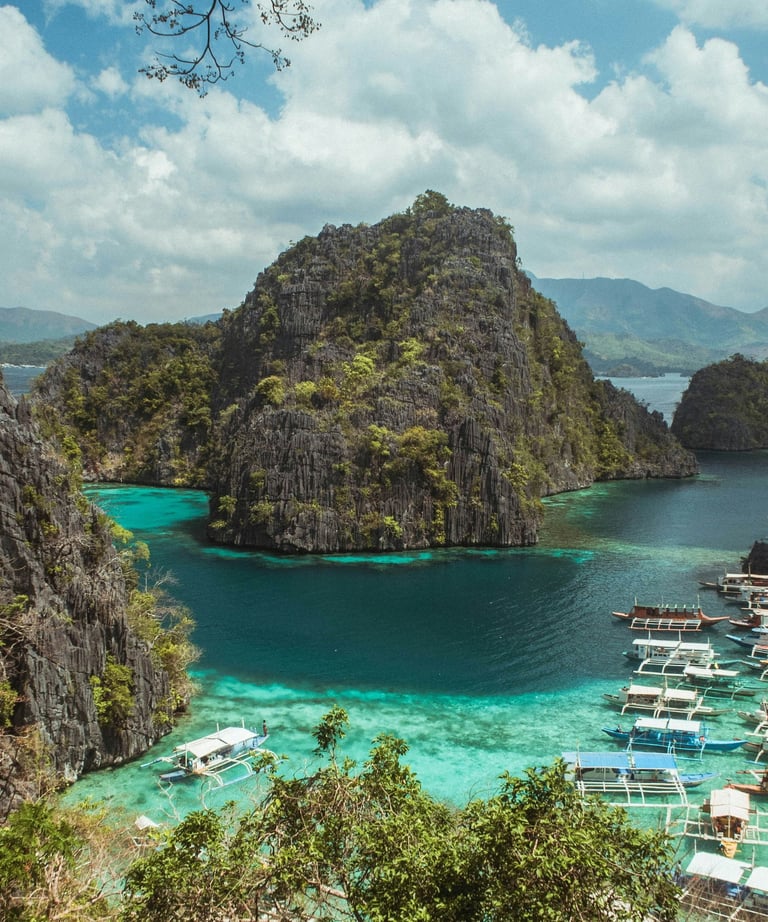
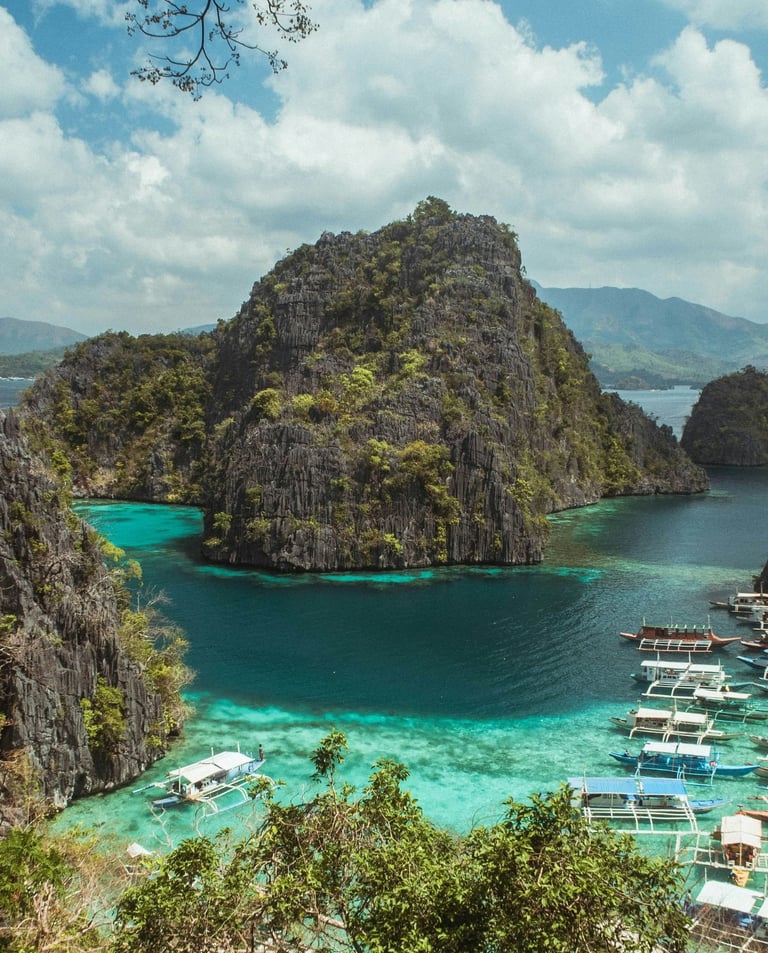
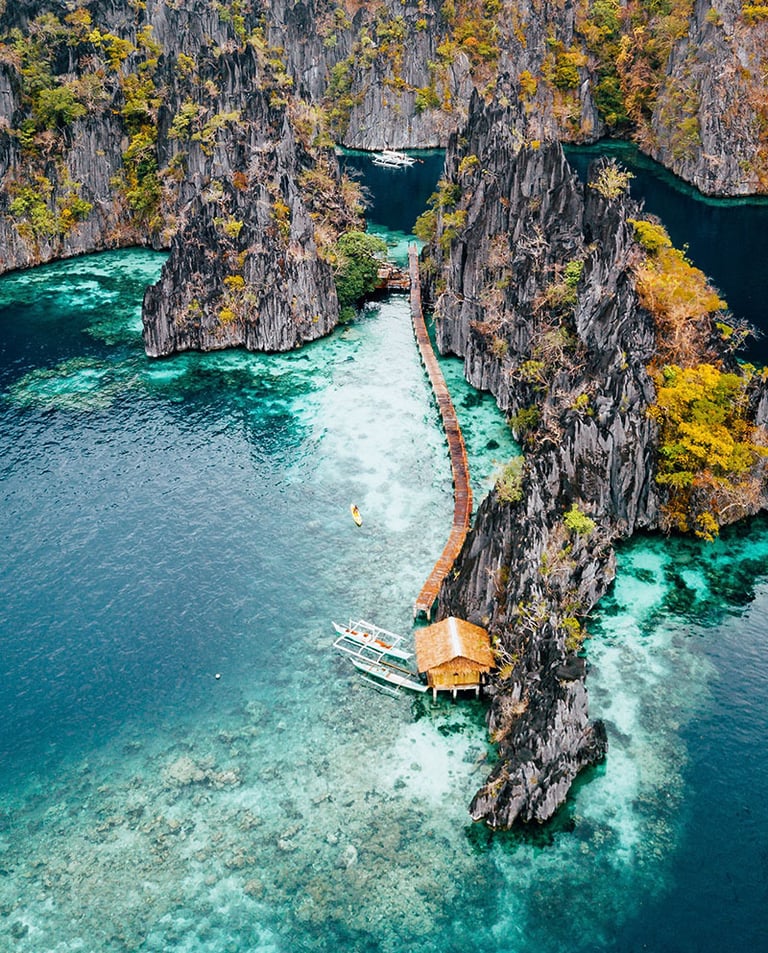
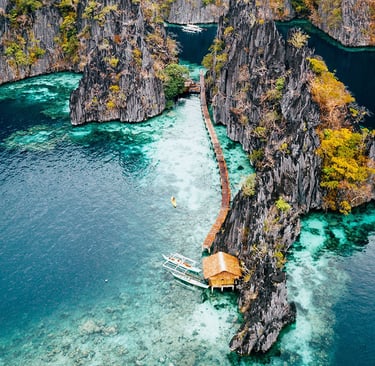
The Philippines does beaches like nowhere else. In El Nido, I kayaked through lagoons so still they looked like glass. In Coron, I snorkeled above WWII shipwrecks, heart racing as schools of fish shimmered below me. On Siargao, I watched surfers glide over waves while I sat barefoot in the sand, sun-bleached hair tangled and salty.
But here’s the reality check: getting to these places is not always smooth.
Transport in the Philippines is… an adventure. Flights get delayed. Ferries get canceled due to weather. Jeepneys run on their own mysterious timing system. What looks like a short distance on the map can turn into an all-day journey involving a van, a tricycle, a boat, and a prayer.
And you know what? It can be exhausting.
There was a day when a delayed flight meant I missed my boat transfer. I ended up waiting five hours in a tiny port under a flickering fan, sweaty and slightly frustrated. But that same afternoon, I shared snacks with local women, learned a few new Tagalog words, and laughed more than I had all week.
The Philippines teaches patience. And flexibility. If you’re someone who needs everything to run exactly on schedule, this might challenge you. But if you can surrender a little? The rewards are huge.
Weather is another big one. The Philippines has a tropical climate, which means it’s hot, humid, and sometimes dramatically rainy. Typhoon season (roughly June to November) can disrupt travel plans. Even outside of that, sudden downpours are normal. I learned quickly to always carry a lightweight rain jacket — not because it looked cute, but because tropical rain does not play around.
Then there’s the WiFi.
If you’re planning to work remotely, manage a business, or upload high-resolution travel vlogs daily… take a deep breath. WiFi can be slow and unreliable, especially on smaller islands. In bigger hubs like Cebu City, you’ll find decent cafés and coworking spots, but on remote islands, the connection may test your patience.
Personally, I found it oddly liberating. There’s something beautiful about being unreachable for a few hours because the signal just doesn’t exist. I read more. I journaled more. I watched the sunset instead of refreshing my inbox.
Safety is another question I get a lot, especially from women traveling alone.
In the main tourist areas — Palawan, Siargao, Cebu — I felt safe. Of course, basic precautions apply: don’t flash valuables, be mindful at night, trust your instincts. But overall, I found the Philippines to be welcoming and comfortable as a female traveler.
There are areas in Mindanao with travel advisories, so always check official government guidance before planning your route. But the vast majority of popular destinations are accustomed to tourism.
Now let’s talk about money. The Philippines is generally affordable, but island hopping can add up. Domestic flights, boat tours, environmental fees — they all stack. It’s not Southeast Asia’s absolute cheapest destination, but compared to Western standards, it’s still very reasonable.
And the food? Oh my goodness.
It’s not as internationally hyped as Thai or Vietnamese cuisine, but Filipino food has heart. Adobo, sinigang, fresh grilled seafood on the beach. And the mangoes — I swear they ruined all other mangoes for me forever. In local markets, I’d buy them sliced in plastic cups and eat them walking down dusty streets, juice dripping down my wrist.
You will sweat. A lot. The humidity is real. There were days when I felt like I was melting into the pavement. Pack breathable clothes. Linen will become your best friend. And sunscreen — reef-safe if you can — is non-negotiable.
One thing I didn’t expect was how emotional I’d feel there.
Maybe it was the endless horizons. Maybe it was the kindness of strangers. Maybe it was the way island life slows you down whether you like it or not. But somewhere between a sunrise boat ride and a late-night beach conversation, I felt softer. Lighter.
The Philippines isn’t polished. It’s not seamless luxury (unless you book high-end resorts). It’s dusty roads, karaoke at full volume, roosters crowing at 4am, and boats that leave “soon” — which could mean ten minutes or an hour.
But it’s also children waving as you pass, strangers helping you lift your backpack, and sunsets so outrageous they don’t look real.
If you’re planning your trip, here’s my gentle advice:
Build buffer days into your itinerary. Don’t overpack your schedule. Choose fewer islands and explore them deeply instead of trying to see everything. Accept that some plans will change. Embrace that.
Learn a few words. Smile often. Say “salamat.” Add “po” when you remember.
And allow yourself to fully be there.
Because yes, you’ll get the blue water and white sand. You’ll get the coconut-in-hand moments in places like El Nido that look exactly like the postcards.
But if you let it, the Philippines will give you something else too — resilience, perspective, connection, and stories that feel alive long after your tan fades.
If you’re craving somewhere that’s raw and real and breathtakingly beautiful, this might just be your place.
And honestly? I could really, really do with being back there right now.