Health, Fitness & Weight Loss Tips
2/14/20267 min read
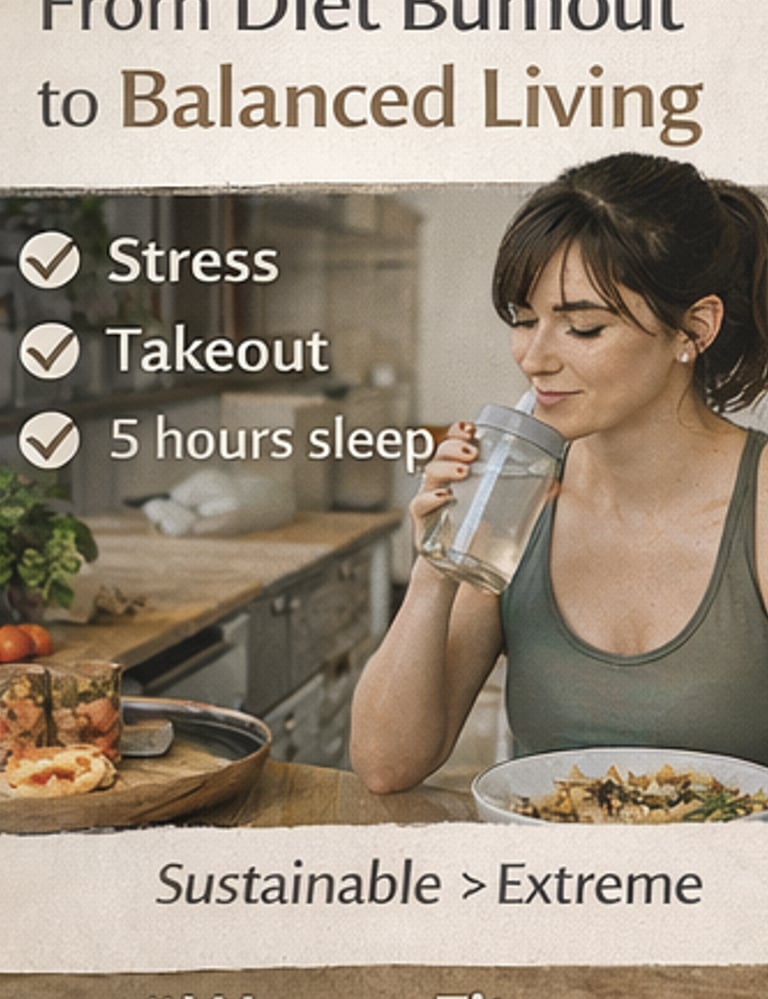
There was a time when I thought losing weight meant shrinking myself as quickly as possible. I downloaded strict meal plans, saved intense workout routines, and promised myself that this time I would be “disciplined enough.” I would start on Monday. I would cut carbs. I would say no to dessert forever. And for a few weeks, I could usually force it. The scale would move. I would feel in control. And then, slowly, the exhaustion would creep in. The cravings. The frustration. The quiet resentment toward my own body.
What I didn’t understand back then is that weight loss is not a punishment program. It’s not a crash project. It’s a relationship with your body that either becomes more trusting over time — or more strained.
From a scientific perspective, yes, weight loss comes down to energy balance. If we consistently consume fewer calories than we burn, the body will use stored energy and weight will decrease. That principle is real. But living inside a female body has taught me that the equation is rarely that simple. Hormones fluctuate. Stress changes appetite. Sleep alters cravings. Our cycles influence energy levels, mood, and even water retention. And when you ignore all of that and try to “out-discipline” biology, the body pushes back.
For years, I approached weight loss like a math problem. Now I approach it like a long-term partnership.
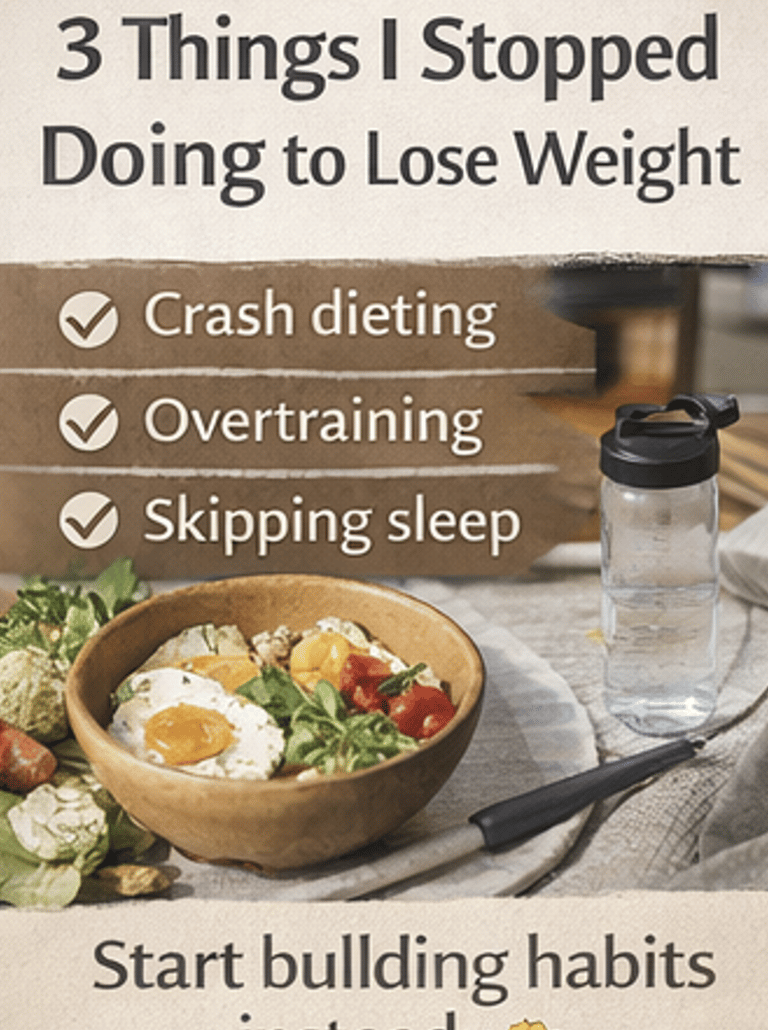
The first shift was letting go of urgency. I stopped chasing dramatic transformations and started aiming for steady progress. Research consistently shows that a gradual weight loss of about one to two pounds per week is not only safer but more sustainable. Rapid weight loss often means muscle loss, hormonal disruption, and eventually rebound weight gain. I’ve lived that cycle. Losing fast feels exciting. Gaining it back feels devastating.
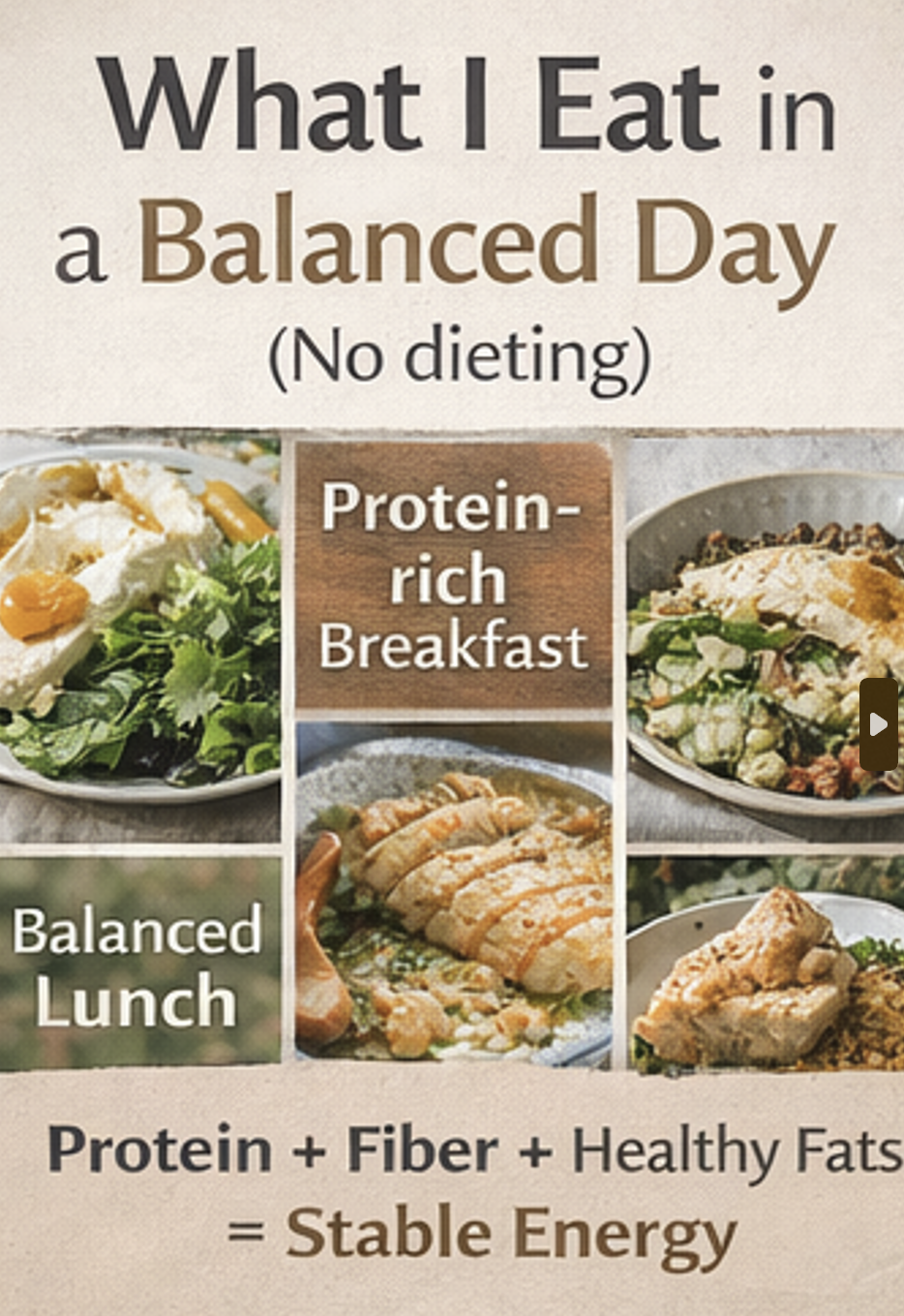
So instead of asking, “How much can I lose in a month?” I started asking, “What habits could I still be doing a year from now?”
That question changed everything.
Nutrition was the most emotional part of the journey. As women, we are surrounded by messaging about what we should not eat. Don’t eat carbs. Don’t eat after 7 p.m. Don’t eat too much. Don’t eat that if you want to be good. Food becomes moralized. And when food becomes moralized, guilt follows.
I had to unlearn that mindset.
Instead of focusing on restriction, I began focusing on nourishment. I learned that protein is not just for bodybuilders — it’s essential for maintaining muscle mass, supporting metabolism, and helping with satiety. Including a source of protein in every meal — eggs, Greek yogurt, chicken, fish, tofu, lentils — stabilized my hunger in a way that cutting calories never did.
I started paying attention to fiber. Vegetables, fruits, legumes, and whole grains do more than “fill you up.” They regulate digestion, support gut health, and help stabilize blood sugar levels. When blood sugar is stable, cravings are calmer. My energy became more consistent once I prioritized colorful vegetables and whole foods instead of processed snacks.
Healthy fats were another revelation. For a long time, I avoided them out of fear. But fats from sources like avocados, olive oil, nuts, and seeds are crucial for hormone health — especially for women. When I added balanced fats back into my meals, I felt more satisfied and less obsessed with food.
Weight loss, I realized, is not about eating as little as possible. It’s about eating in a way that supports your body while maintaining a moderate calorie deficit. When your meals are balanced — protein, fiber-rich carbs, healthy fats — you naturally feel fuller on fewer calories without feeling deprived.
Portion awareness also became important, but not in a rigid way. I stopped measuring every gram and instead learned visual cues. Half my plate vegetables, a palm-sized portion of protein, a cupped hand of whole grains, a thumb-sized portion of fats. It sounds simple, but that simplicity made it sustainable. I didn’t want a life where I had to track every bite forever.
Exercise was another area where I had to rewrite my story. I used to believe that the more I sweat, the more I deserved results. Hours of cardio felt like the only legitimate way to burn calories. But eventually, I learned that strength training changed my body more effectively than endless running ever did.
Building muscle increases resting metabolic rate. That means your body burns more calories even at rest. But beyond metabolism, strength training reshaped my confidence. Lifting weights made me feel capable. It shifted my focus from shrinking to strengthening.
Now, my weekly routine usually includes three to four strength sessions. Nothing extreme — compound movements like squats, lunges, deadlifts, push-ups, and rows. Progressive overload, meaning gradually increasing resistance over time, is what signals the body to adapt. I don’t train to exhaustion. I train with intention.
Cardio still has a place, but it looks different. Instead of punishing high-intensity sessions every day, I prioritize walking. Walking after meals helps regulate blood sugar. It supports digestion. It reduces stress. It’s gentle but powerful. Sometimes I add cycling or short interval sessions, but I no longer rely on cardio alone to drive weight loss.And then there is something many weight loss conversations overlook: stress.Chronic stress elevates cortisol. Elevated cortisol over time can increase appetite, particularly for high-sugar, high-fat foods. It can also contribute to abdominal fat storage. When I was constantly stressed — juggling work, responsibilities, expectations — my body held on tightly. No amount of calorie cutting seemed to work sustainably.
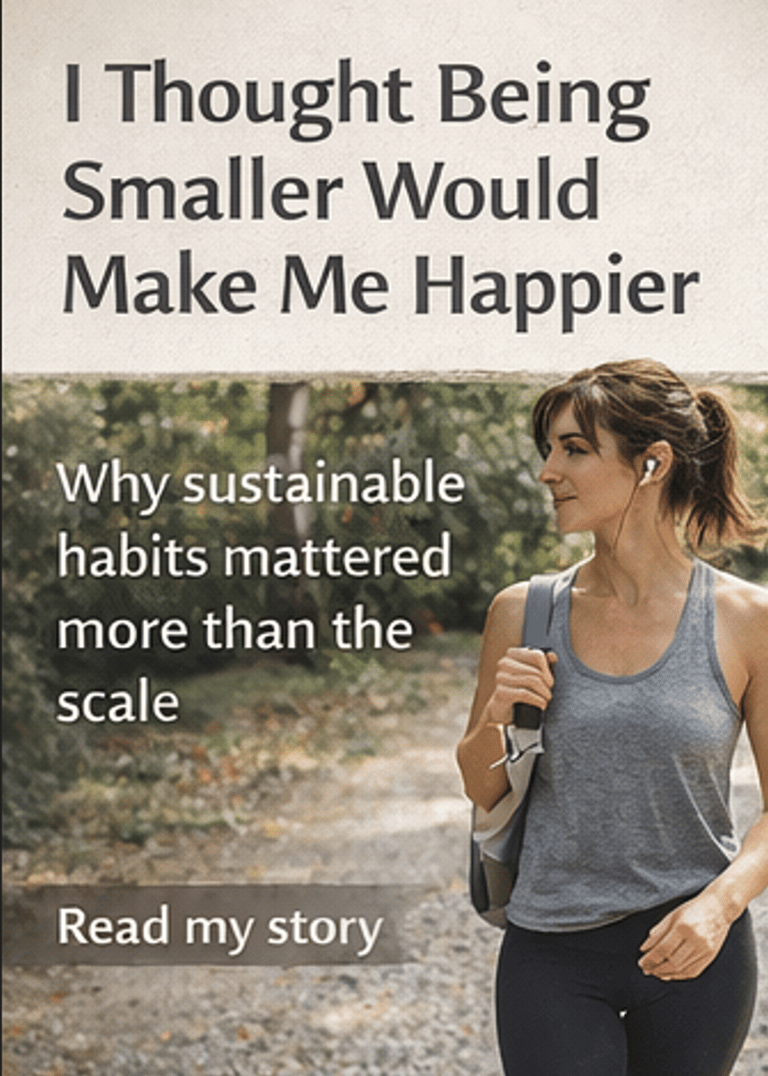
Managing stress became as important as managing food.
For me, that meant protecting sleep. Sleep deprivation disrupts hunger hormones like ghrelin and leptin. When I sleep poorly, I crave more. I snack more. I feel less motivated to move. When I prioritize seven to eight hours of quality sleep, everything becomes easier. My appetite feels balanced. My workouts feel stronger. My patience improves.
It also meant setting boundaries. Saying no. Taking breaks. Not scheduling every minute. Weight loss is not just physical; it’s deeply nervous-system based. A regulated body responds differently than a constantly overwhelmed one.
Another aspect that changed my journey was understanding my menstrual cycle. There are weeks when I feel strong, energized, and capable of pushing heavier weights. And there are weeks when I feel slower, hungrier, more introspective. Instead of fighting those phases, I began working with them.
During higher-energy weeks, I push intensity. During lower-energy weeks, I prioritize recovery, mobility, and lighter movement. This reduced guilt and improved consistency. Because consistency doesn’t mean doing the same thing every day. It means staying committed while adjusting intelligently.
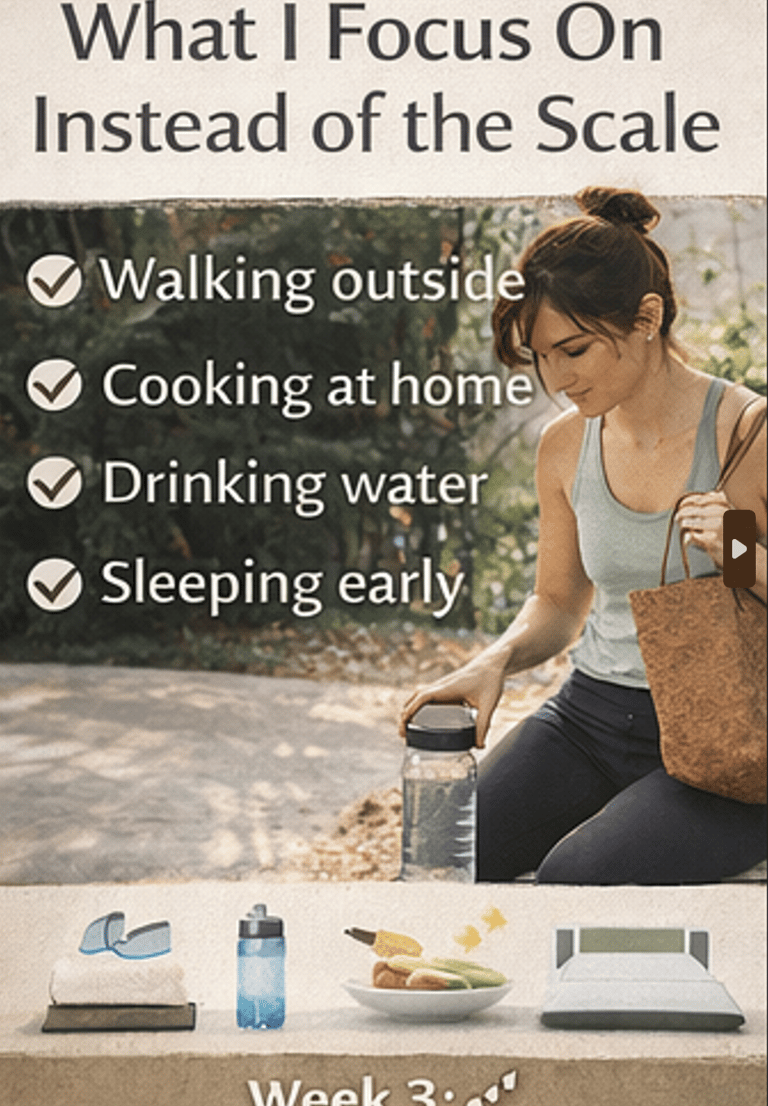
Weight fluctuations used to terrify me. Now I understand that water retention, hormonal shifts, sodium intake, and even stress can temporarily increase scale weight. The scale is data — not a verdict. I track trends, not daily numbers. And sometimes, I don’t track at all if it begins to affect my mental health.
Mindful habits became my quiet foundation. Eating slowly. Sitting at a table instead of in front of a screen. Checking in with hunger before reaching for a snack. Drinking water first. These small practices sound almost too simple, but they create awareness. And awareness prevents autopilot overeating.
I also stopped labeling setbacks as failures. There are holidays. There are emotional days. There are dinners out. A single meal does not determine body composition. What matters is the pattern across weeks and months. Sustainability requires flexibility.
One of the most freeing realizations was this: my goal weight does not define my worth. There was a time when I believed hitting a certain number would unlock confidence. Instead, confidence grew from keeping promises to myself. From showing up consistently. From fueling my body with respect.
Maintaining a healthy weight is not about perfection. It’s about systems. A protein-rich breakfast so I don’t crash at 11 a.m. Strength training to maintain muscle. Daily steps to stay active outside the gym. Balanced meals most of the time. Adequate sleep. Stress awareness.When these systems are in place, weight loss becomes a byproduct — not an obsession.And yes, there are still challenging weeks. Times when motivation dips. Times when progress feels slow. But I remind myself that slow progress is still progress. Sustainable fat loss is rarely dramatic. It’s subtle. A looser pair of jeans. More energy in the afternoon. Stronger lifts. Better sleep.If you’re at the beginning of your journey, I want you to know this: you do not need extremes. You do not need to eliminate entire food groups. You do not need two-hour workouts. You need consistency, patience, and compassion.Start with one anchor habit. Add protein to breakfast. Walk 20 minutes daily. Lift weights twice a week. Go to bed 30 minutes earlier. Let that habit become stable before adding another. Small changes compound more powerfully than drastic overhauls.Weight loss, when approached gently and intelligently, becomes less about fighting your body and more about supporting it. It becomes about building strength, resilience, and metabolic health for the long term.Today, my routine looks calm. Balanced meals. Strength sessions. Walks in fresh air. Rest when needed. There’s no dramatic transformation story, no extreme before-and-after reveal. But there is something better: stability.I feel strong. I feel clear. I feel at home in my body.
And that, more than any number on a scale, is what makes the journey truly rewarding.