
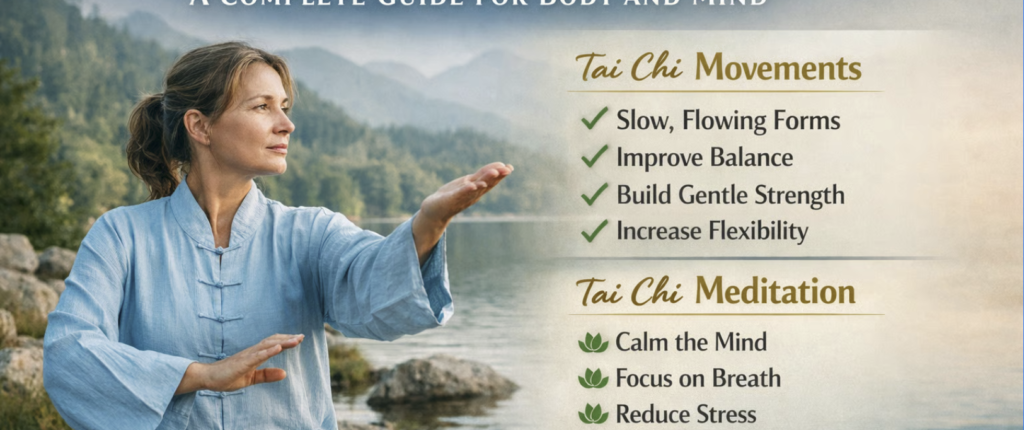
Why Tai Chi Is So Good for Your Body, Mind, and Everyday Life
In today’s fast-paced world, many people feel overwhelmed, stressed, and disconnected from their bodies. High-intensity workouts can feel exhausting, intimidating, or even harmful for those with joint pain, low energy, or busy lifestyles. This is where Tai Chi stands out as a powerful yet gentle solution.
Tai Chi is not just an exercise—it is a complete mind-body practice that improves physical health, mental clarity, emotional balance, and overall quality of life. Practiced for centuries, Tai Chi continues to grow in popularity worldwide because it truly works for people of all ages and fitness levels.
In this article, we’ll explore why Tai Chi is so good, how it benefits your body and mind, and why it’s one of the best practices you can do at home.
What Is Tai Chi?
Tai Chi (Tai Chi Chuan) is an ancient Chinese practice that combines slow, flowing movements, deep breathing, and focused awareness. Originally developed as a martial art, Tai Chi later evolved into a form of gentle exercise used for health, balance, and longevity.
Unlike fast or aggressive workouts, Tai Chi emphasizes:
-
Smooth, continuous movement
-
Proper posture and alignment
-
Mindful breathing
-
Controlled body awareness
Each movement flows into the next, creating a calm rhythm that feels almost like a moving meditation.
1. Tai Chi Improves Balance and Stability
One of the most well-known benefits of Tai Chi is improved balance.
Many Tai Chi movements involve shifting weight from one leg to another while maintaining control and posture. This trains the body’s stabilizing muscles and improves coordination over time.
Benefits include:
-
Better balance and body control
-
Reduced risk of falls
-
Increased confidence in movement
This makes Tai Chi especially beneficial for beginners, older adults, and anyone who wants to move more safely and confidently.
2. Gentle Strength Without Joint Stress
Tai Chi strengthens the body in a low-impact, joint-friendly way.
Instead of lifting weights or jumping, Tai Chi uses:
-
Bodyweight resistance
-
Slow muscle engagement
-
Controlled movement patterns
This builds strength in the legs, core, arms, and back without putting pressure on the joints. It’s ideal for people with knee pain, back discomfort, or those recovering from inactivity.
You get stronger without feeling sore or exhausted.
3. Reduces Stress and Anxiety Naturally
Tai Chi is often called “meditation in motion”, and for good reason.
The slow pace and deep breathing activate the body’s relaxation response. This helps:
-
Lower stress hormones
-
Reduce anxiety
-
Calm the nervous system
-
Improve emotional balance
Practicing Tai Chi regularly can help you feel calmer not just during workouts, but throughout your entire day.
4. Improves Posture and Body Awareness
Poor posture is common due to long hours sitting, using phones, and working at desks. Tai Chi gently retrains the body to move and stand correctly.
With regular practice, Tai Chi helps:
-
Align the spine naturally
-
Release tension in the neck and shoulders
-
Improve posture awareness
-
Create smoother, more efficient movement
Better posture also means less pain and more energy throughout the day.
5. Increases Flexibility and Mobility
Tai Chi keeps the body flexible and mobile without aggressive stretching.
The slow, flowing movements gently stretch muscles and lubricate joints, improving:
-
Flexibility
-
Range of motion
-
Joint health
Because Tai Chi movements are controlled and relaxed, they are safe to practice daily—even for people with limited mobility.
6. Supports Heart Health and Circulation
Although Tai Chi looks gentle, it still benefits the cardiovascular system.
Regular practice can:
-
Improve blood circulation
-
Increase oxygen flow
-
Support heart health
-
Enhance endurance gently
Tai Chi keeps the body active without overloading the heart, making it suitable for long-term, sustainable fitness.
7. Helps With Weight Management
Tai Chi may not burn calories as fast as intense workouts, but it plays an important role in healthy weight management.
It helps by:
-
Reducing stress-related eating
-
Improving hormonal balance
-
Encouraging mindful movement
-
Supporting daily consistency
Stress is a major factor in weight gain, and Tai Chi directly addresses this by calming the body and mind.
8. Improves Sleep Quality
Many people who practice Tai Chi report better sleep.
Tai Chi helps:
-
Relax muscles
-
Calm the mind
-
Reduce nighttime anxiety
-
Prepare the body for rest
Even a short Tai Chi session in the evening can improve sleep quality and help you wake up feeling refreshed.
9. Boosts Mental Focus and Clarity
Tai Chi requires gentle concentration and awareness of movement, breath, and posture. This trains the mind to stay present.
Mental benefits include:
-
Improved focus
-
Better concentration
-
Reduced mental fatigue
-
Clearer thinking
This makes Tai Chi especially helpful for people who feel mentally overwhelmed or distracted.
10. Strengthens the Mind-Body Connection
Tai Chi encourages you to listen to your body rather than push it.
Through mindful movement, you develop:
-
Better body awareness
-
Improved coordination
-
Greater self-trust
This connection helps prevent injury and supports long-term wellness.
11. Ideal for Home Workouts
One of the biggest advantages of Tai Chi is that it’s perfect for home workouts.
You don’t need:
-
A gym membership
-
Expensive equipment
-
Large space
All you need is:
-
Comfortable clothing
-
A quiet area
-
A few minutes a day
This makes Tai Chi easy to maintain even with a busy schedule.
12. Suitable for All Ages and Fitness Levels
Tai Chi is truly inclusive.
It’s ideal for:
-
Beginners starting their fitness journey
-
Women looking for gentle strength and balance
-
Seniors seeking safe movement
-
Anyone recovering from stress or inactivity
You can always adjust the pace and depth of movements to suit your body.
Why Tai Chi Is More Than Just Exercise
Tai Chi is not about pushing harder—it’s about moving smarter.
It teaches patience, awareness, and respect for the body. Over time, Tai Chi becomes a lifestyle practice that supports both physical health and inner peace.
Instead of rushing, Tai Chi invites you to slow down and reconnect with yourself.
How to Start Practicing Tai Chi
If you’re new to Tai Chi:
-
Start with short sessions (10–15 minutes)
-
Focus on breathing and posture
-
Move slowly and comfortably
-
Practice regularly rather than intensely
Consistency matters more than perfection.
Final Thoughts
Tai Chi is one of the most effective and sustainable practices for long-term health. It strengthens the body, calms the mind, improves balance, and supports emotional well-being—all without pressure or strain.
Whether your goal is fitness, stress relief, better sleep, or gentle movement at home, Tai Chi offers a complete solution.
Start today, move mindfully, and let Tai Chi guide you toward a healthier, more balanced life.