A Woman’s Guide to Building a Fit, Confident Body Without the Gym
2/17/20267 min read
I still remember the first morning I decided I wasn’t going back to the gym.
It wasn’t dramatic. No big breakup speech with the treadmill. Just a quiet realization over coffee that I was exhausted—not physically, but mentally. Tired of rushing across town. Tired of waiting for equipment. Tired of feeling like if I didn’t train for a full hour, perfectly structured, it somehow “didn’t count.” As a woman and as a coach, I had built this belief that serious fitness only happened in serious places.
And yet, some of the strongest, most confident, most balanced women I train today have never stepped into a gym.
This is what I want to tell you—woman to woman, coach to client, friend to friend: you do not need a gym to transform your body. You do not need machines to feel powerful. You do not need expensive equipment to build strength, lose fat, tone your body, or reclaim your energy. You need consistency, intention, and a willingness to start where you are.
When I shifted to primarily training at home, I expected to “maintain” my fitness. What I didn’t expect was to improve it. But something changes when you train in your own space. You stop performing. You start feeling. You become more aware of your breath, your posture, your weaknesses, your strengths. Without mirrors and comparisons, you tune into your own body.
And that’s where real progress begins.
Home training works because the body responds to stimulus, not location. Muscle grows when it’s challenged. Fat loss occurs when you combine intelligent training with balanced nutrition and a sustainable calorie deficit. Endurance improves when your cardiovascular system is regularly elevated. None of those processes require a gym membership. They require consistency and progressive challenge.


When I coach women in home fitness, I always start with foundations. Movement patterns matter more than fancy routines. Squat. Hinge. Push. Pull. Lunge. Brace. Rotate. If your weekly plan includes these patterns in balanced form, your body will change.
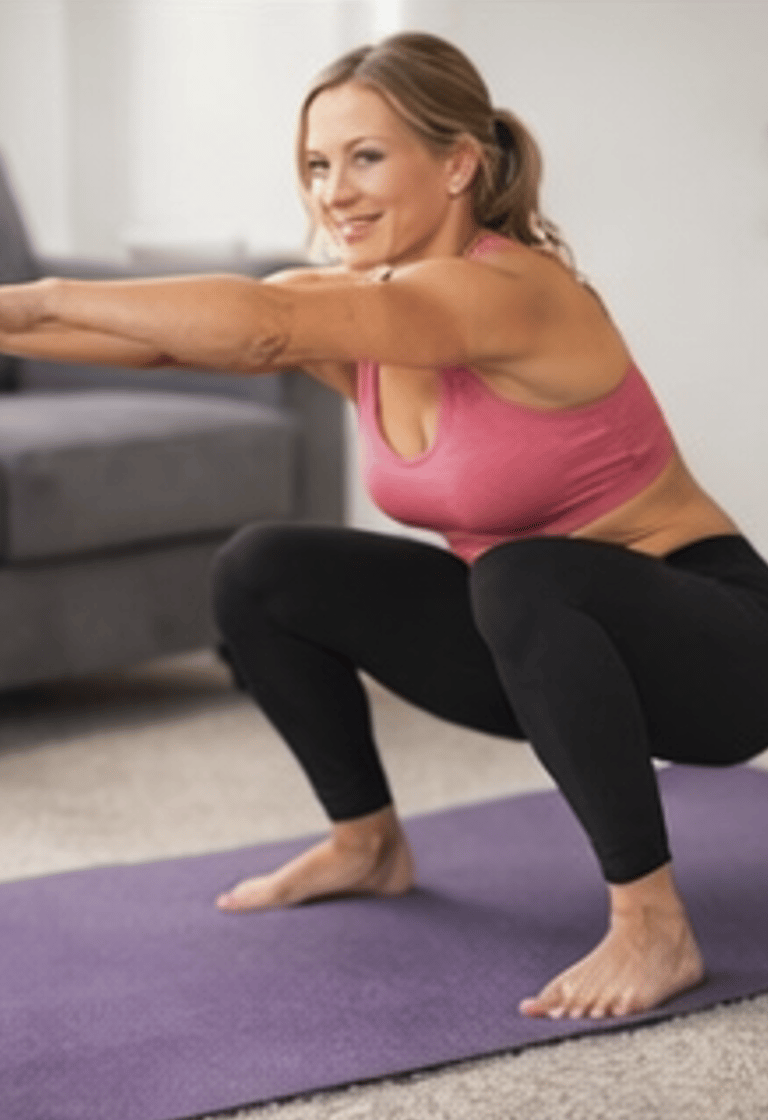
Take the squat, for example. It looks simple. But a controlled bodyweight squat, performed slowly with proper alignment—knees tracking over toes, chest lifted, core engaged—activates glutes, quadriceps, hamstrings, and even the deep stabilizing muscles of the spine. Add tempo, such as lowering for three seconds and pausing at the bottom, and suddenly your “simple” squat becomes intense without adding any external weight.
Lunges are another powerful tool for women training at home. Reverse lunges are especially knee-friendly and target the glutes beautifully. When done with control, they build strength, improve balance, and enhance hip stability. If you want more intensity, elevate the back foot on a couch for Bulgarian split squats. Your legs will feel that the next day, I promise.
Upper body training is where many women doubt themselves. I hear it constantly: “I can’t do push-ups.” My answer is always the same: you can’t do them yet. There’s a difference. Push-ups can be modified on the knees, against a wall, or on an elevated surface like a table. Over time, with progressive overload—adding reps, reducing elevation, slowing tempo—you build real strength. And when that first full push-up happens, the confidence boost is indescribable.
The beauty of bodyweight training is that progression is endless. You can manipulate time under tension, rest periods, volume, and exercise variations. A glute bridge becomes a single-leg bridge. A plank becomes a side plank, then a plank with shoulder taps, then a slow mountain climber. The body adapts quickly when you challenge it intelligently.
When my schedule is busy—which is often—I rely on structured circuits. A typical 30-minute home session for me might look like this: three to four rounds of squats, push-ups, reverse lunges, and mountain climbers, each performed for 40 seconds with 20 seconds rest. After that, I’ll add focused core work: planks, dead bugs, and slow leg raises. It’s efficient, effective, and requires nothing but a mat.
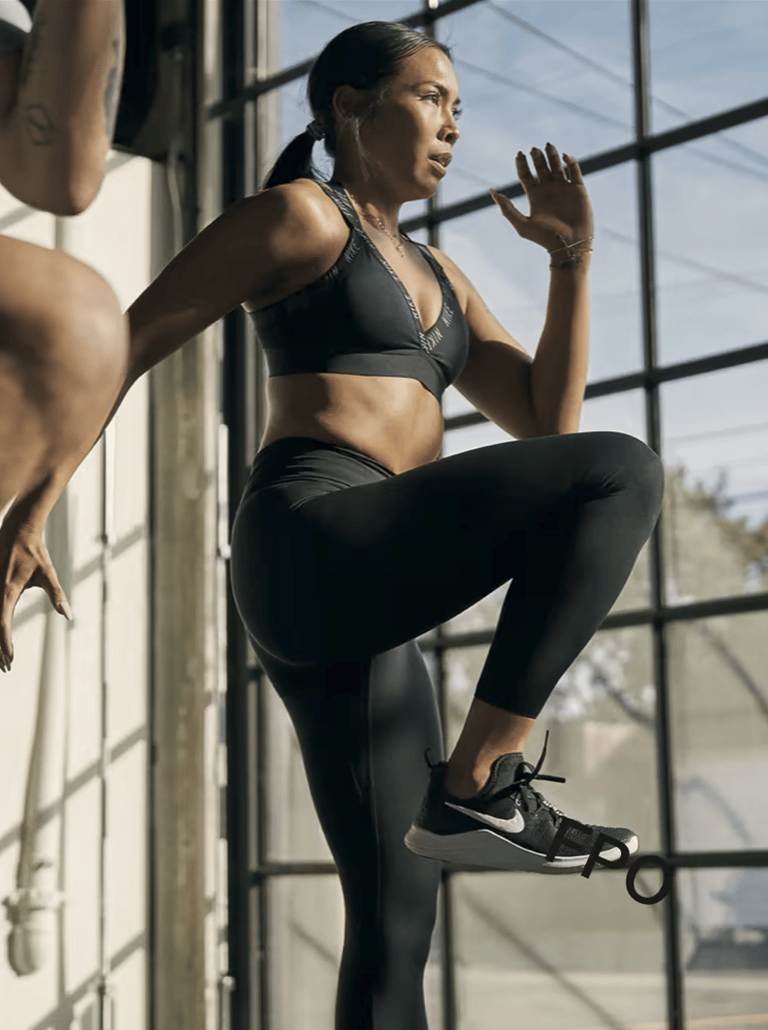
For fat loss, combining strength and cardio is key. High knees, jumping jacks, burpees, and mountain climbers elevate the heart rate quickly. When inserted between strength exercises, they create a metabolic effect that supports calorie burn while preserving muscle mass. And preserving muscle is crucial for women. Muscle supports metabolism, improves insulin sensitivity, enhances bone density, and shapes the body in a way that “cardio only” never will.
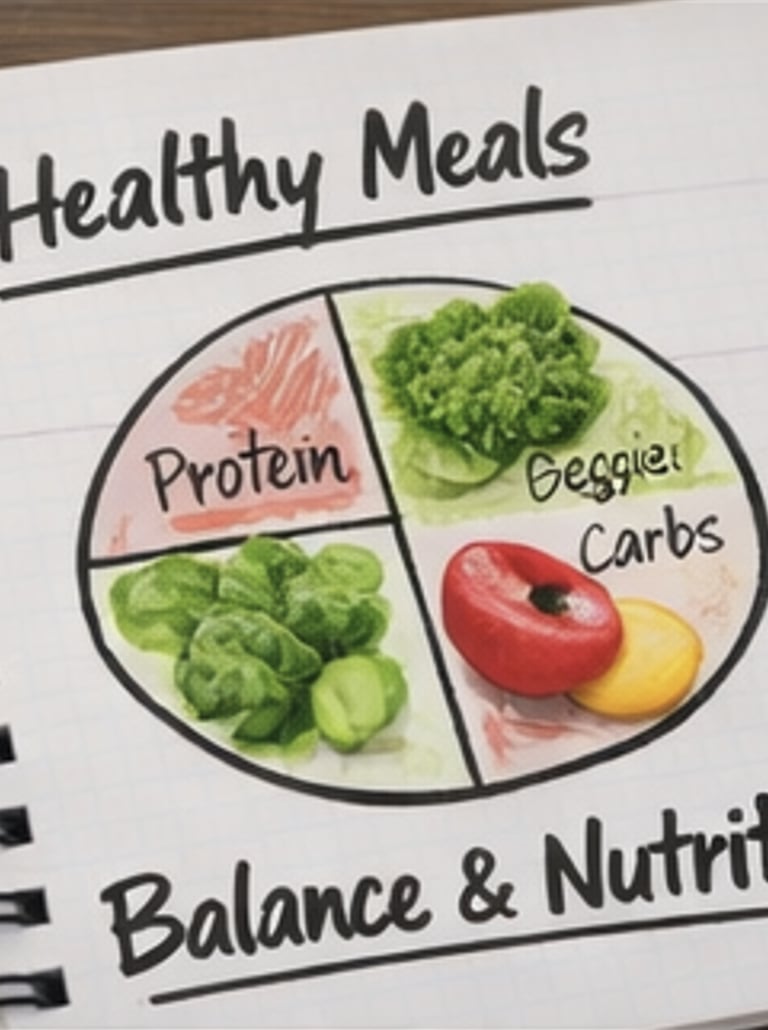
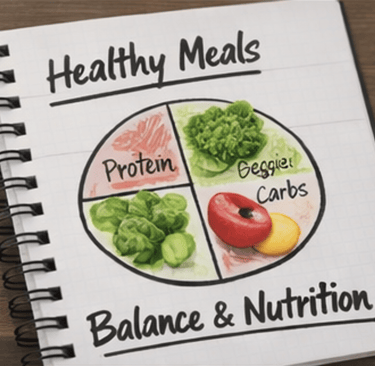
But let me pause here and say something important: fat loss should never come at the cost of health. Extreme dieting, under-eating, and punishing workouts create hormonal chaos, especially for women. Cortisol rises. Recovery suffers. Energy crashes. Sustainable results come from balanced nutrition—adequate protein for muscle repair, complex carbohydrates for fuel, healthy fats for hormone regulation—and a moderate calorie deficit if fat loss is the goal.

Hydration is often underestimated. Even mild dehydration impacts strength and endurance. I encourage my clients to drink water before, during, and after training. Something so simple can dramatically improve performance and recovery.
One of the unexpected gifts of home fitness is flexibility—not just physically, but emotionally. Our energy levels fluctuate throughout the month due to hormonal cycles. There are days when you feel powerful and capable of intense circuits. And there are days when your body asks for slower strength work or mobility. Training at home allows you to adapt without guilt.
I’ve had mornings where I planned a high-intensity workout and instead chose glute activation, stretching, and core stability because my body needed it. That’s not weakness. That’s intelligent training. Listening to your body is one of the most advanced skills you can develop.
Creating a routine is essential. Motivation is unreliable. Discipline grows from structure. I schedule workouts in my calendar like client appointments. Even 20 focused minutes count. Especially 20 focused minutes. When you remove the pressure of “it has to be perfect,” consistency becomes easier.
I always advise women to create a small dedicated space for movement. It doesn’t have to be a full home gym. A yoga mat in the corner. A clear area in the living room. That visual reminder reduces friction. When your space is ready, you’re more likely to begin.
Core training deserves special attention because so many women want a flatter stomach. But spot reduction is a myth. You cannot burn fat from one specific area through targeted exercises alone. Fat loss occurs systemically. However, strengthening the core improves posture, tightens the abdominal wall, and enhances overall stability.
Planks are one of my favorite foundational exercises. When performed correctly—neutral spine, glutes engaged, ribs down—they strengthen not only the abdominals but also the shoulders and back. Dead bugs are incredible for deep core activation. Slow leg raises target the lower abdominals when done with control. Quality over quantity always wins.
Lower body training at home can dramatically reshape your physique. Squats, lunges, glute bridges, step-ups on a sturdy chair, and even wall sits create strong, toned legs and glutes. Add jump squats or pulse lunges for intensity. The burn is real. The results are real.
Upper body definition is achievable without dumbbells. Tricep dips using a chair, pike push-ups for shoulder strength, plank variations for stability, and consistent push-up progression build lean muscle. Over time, arms feel firmer, posture improves, and everyday tasks become easier.
Recovery is the silent hero of fitness. Sleep, stretching, and rest days matter. Muscle repair occurs during recovery, not during the workout itself. I aim for at least one lower-intensity day per week. Gentle yoga, walking, or mobility work keeps the body moving while allowing tissues to repair.


Tracking progress keeps you motivated. I don’t obsess over the scale. Instead, I track performance markers: how many push-ups I can perform, how long I can hold a plank, how stable my single-leg squats feel. I take occasional photos. I notice how my clothes fit. Strength gains often appear before visible changes.
One of the most powerful transformations I witness in women who train at home isn’t physical—it’s psychological. They stop waiting for perfect circumstances. They stop outsourcing their discipline to a location. They realize they are capable of showing up for themselves in their own space.
Home fitness builds autonomy. You are in control of your environment. Your music. Your pace. Your intensity. There is something deeply empowering about finishing a challenging workout in your living room, knowing you created that strength on your own.
If you are just starting, begin with three full-body sessions per week. Focus on squats, push-ups, lunges, glute bridges, and planks. Perform two to three sets of each. Move slowly. Learn proper form. As you grow stronger, increase repetitions, reduce rest time, or experiment with advanced variations.
If your goal is muscle tone, emphasize controlled strength training and adequate protein intake. If your goal is fat loss, combine strength circuits with short cardio intervals and maintain a slight calorie deficit. If your goal is flexibility, add 10–15 minutes of mobility after each session.