
Work–Life Balance for Mothers
1/25/20267 min read
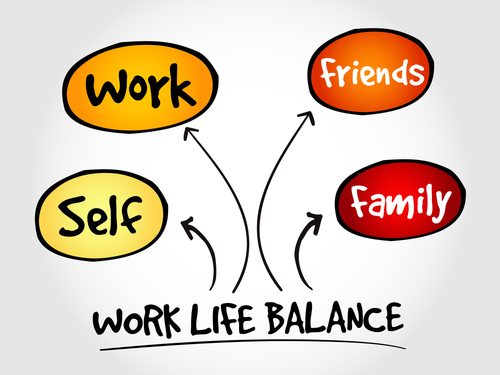
Work–Life Balance for Mothers: Building a Sustainable Life on Your Own Terms
This photo was taken in the spring of 2023. At that time, I had just stepped back into the world of entrepreneurship after spending two and a half years as an employee. It wasn’t a sudden leap or a reckless decision—it was a conscious return to a way of working that felt aligned with who I am, especially as a mother.
Looking back now, I can honestly say I have never regretted it. Quite the opposite.
Returning to work in a creative, flexible, and meaningful way, while still being present for my child, confirmed something I had long suspected: for many mothers, the traditional eight-hour workday is not the only—or even the best—path forward.
The Hidden Weight of Work–Life Balance for Mothers
Over the years, working as a fitness coach and life coach, I have supported many mothers. Despite different personalities, careers, and family situations, one theme appears again and again: the constant pressure of balancing family and work.
This challenge doesn’t end when maternity leave is over. In fact, for many women, the real difficulty begins after returning to work.
Daily life becomes a continuous cycle of:
scheduling and rescheduling
mental calculations
rushing from one responsibility to the next
coordinating childcare, work tasks, household needs, and emotional labor
By the end of the day, there is often little energy left—for movement, proper nutrition, rest, or self-care.
It’s no surprise that healthy habits tend to slip into the background. This is not a lack of discipline. It’s the result of chronic overload.
You Are Not Failing—The System Is Misaligned
One of the most damaging beliefs many mothers carry is the idea that they are the problem.
The truth is simpler and harder at the same time: most work structures were not designed with mothers in mind.
Rigid schedules, fixed locations, and performance expectations that ignore caregiving responsibilities create an environment where women are forced to constantly adapt—often at the expense of their health and well-being.
Understanding this is not about blaming the system. It’s about freeing yourself from unnecessary guilt and starting to look for solutions that actually fit your life.
Learning Through Experience: Many Roles, One Goal
As a mother, I have worked in many different roles. Each one taught me something valuable about flexibility, boundaries, energy management, and sustainability.
I have been:
an entrepreneurial service provider, working with clients as a fitness coach in my own space
an employee in a leadership role within a gym, supported by a wonderful team
a sales professional with high independence and flexible scheduling
a coach, helping other women create structure and clarity in their lives
an administrator in a classic 8–5 office job, surrounded by spreadsheets and rigid routines
a business owner, building a tourism company from zero at the age of 34, working with corporate clients
and now, someone who combines fitness, tourism, and wellbeing programs, alongside a small number of private coaching clients
This variety wasn’t accidental. Each role added another layer of understanding about what truly supports a balanced life—and what slowly drains it.
Why Perspective Matters
Today, when I work with clients, I don’t offer one-size-fits-all solutions.
Because I have seen work–life balance from many angles, I understand that:
flexibility means different things to different women
not every mother wants—or needs—the same work structure
balance looks different in every season of life
What matters is not perfection, but alignment.
Single Motherhood: Balance on Hard Mode
For many years, I navigated work and parenting as a single mother. This meant:
no automatic backup
no shared schedules
full responsibility for decisions, finances, and emotional labor
It was challenging. Sometimes exhausting. Often overwhelming.
But it also proved something important: balance is possible, even on difficult terrain. Not effortless, not flawless—but achievable with intention and strategy.
Balance Is Not a Destination—It’s a Process
One of the biggest misconceptions about work–life balance is that it’s something you “achieve” once and then maintain forever.
In reality, balance is dynamic.
There are seasons when work requires more attention. Other times, family or health must come first. And occasionally, simply getting through the day is enough.
Balance is not about equal time—it’s about conscious prioritization.
Core Principles I Live By—and Teach
Over time, certain principles have proven essential, both in my own life and in my work with other mothers.
1. You Don’t Have to Do Everything at Once
Trying to fix all areas of life simultaneously leads to burnout. Sustainable change happens step by step.
2. Energy Matters More Than Time
Two hours spent exhausted are not the same as thirty minutes spent focused and present.
3. Systems Reduce Mental Load
Simple routines, clear priorities, and fewer daily decisions free up mental space.
4. Movement Is Foundational, Not Optional
Physical activity supports the nervous system, emotional regulation, and resilience—it’s not a luxury.
5. Work Should Support Life, Not Consume It
If your work consistently leaves you depleted, it’s worth reassessing the structure—not yourself.
Why I Do This Work
I know what it feels like to be stretched too thin. To feel guilty in every direction. To wonder where you disappeared in the process of caring for everyone else.
For me, wellbeing, coaching, movement, and travel are not separate concepts. They are parts of a single philosophy: building a life that supports you, not just demands from you.
A Final Thought
If you are currently feeling overwhelmed, exhausted, or stuck between responsibilities, know this: you are not alone, and you are not broken.
Work–life balance for mothers is not about perfection. It’s about awareness, flexibility, and realistic strategies.
And sometimes, it starts with permission—to do things differently.


Which Fat Burner Should You Use for Lifestyle Changes?
When starting a new fitness journey, one of the first questions people often ask is: “Which fat burner should I take?” The promise of supplements that help burn fat faster can be very tempting, especially when you’re motivated to see quick results. However, the truth is that fat burners are not the foundation of a successful lifestyle change.
There are countless fat-burning supplements available today—capsules, powders, liquids, and even energy-boosting drinks that claim to accelerate weight loss. While some of these can provide a small boost, their effects are minimal compared to the basics: healthy eating, regular exercise, and sufficient rest. If you’re just starting your journey, putting your energy into supplements is like trying to build a house starting with the roof—it’s the wrong order.
Why Fat Burners Should Not Be Your First Step
Supplements, including fat burners, are only effective when the foundational habits are already in place. They can help with the final push toward your goals, but they are not a substitute for the lifestyle changes that actually create sustainable fat loss.
Many fat burners work by slightly increasing metabolism or boosting energy. Others contain stimulants that elevate your heart rate and make workouts feel more intense. While this might sound appealing, it can actually make exercise less enjoyable and harder to maintain, particularly if you are just beginning your fitness journey. And enjoyment is crucial—consistency is what drives results over time.
For people who are carrying significant extra weight, fat burners may even be counterproductive. The extra heart rate stress can make exercise uncomfortable, discouraging you from continuing your program. Your goal should be to develop habits that are sustainable, not to push your body into discomfort early on.
The Real Keys to Effective Fat Loss
Before even thinking about supplements, it’s essential to focus on the basics:
1. Nutrition
Food is the fuel that powers your body. Creating a balanced, sustainable eating plan is far more important than taking a pill. Focus on:
Whole foods: vegetables, fruits, lean proteins, healthy fats, and whole grains
Portion control: learning to recognize hunger cues and avoid overeating
Consistency: small, sustainable changes are better than drastic diets
When your nutrition is in order, your body naturally starts burning fat efficiently. Supplements can support your efforts, but they can’t replace a poor diet.
2. Movement
Exercise is not just about burning calories—it improves mood, strengthens muscles, and supports long-term health. Beginners should focus on building consistency rather than intensity. Some tips:
Start small: 20–30 minutes of activity a day is enough to begin
Mix it up: combine strength training, cardio, and flexibility work
Choose enjoyable activities: you’re more likely to stick with workouts you love
Once you are consistent with movement, you can consider adding supplements to slightly enhance performance or recovery, but they should never replace the exercise itself.
3. Sleep and Recovery
Fat loss and fitness are not just about diet and exercise. Sleep plays a crucial role in recovery and metabolism. Poor sleep can increase hunger hormones and reduce energy, making healthy eating and exercise harder to maintain. Prioritize:
7–9 hours of quality sleep per night
Consistent sleep schedule
Creating a restful environment, such as a dark, cool, and quiet room
4. Stress Management
Chronic stress can hinder fat loss and affect overall health. Activities like meditation, yoga, deep breathing, or simply taking time for yourself can help regulate hormones that influence weight, energy, and motivation.
When to Consider Fat Burners
Once you’ve established a consistent routine in nutrition, exercise, sleep, and stress management, fat burners can be considered as a small supplement to your progress. Think of them as the “finishing touches” for the last few stubborn pounds.
Some common options include:
L-carnitine: may help slightly boost energy during workouts
Green tea extract: a mild metabolism booster
Caffeine-based supplements: can increase alertness and slightly enhance calorie burn
Even at this stage, they are optional, not necessary. Many people reach their goals without ever using fat burners, relying instead on consistent healthy habits.
Supporting Supplements for Beginners
Instead of rushing to fat burners, beginners should focus on supplements that support overall health and fitness:
Multivitamins: fill any nutritional gaps in your diet
Protein powder: supports muscle maintenance and recovery, especially if you’re doing strength training
Omega-3s and other essential fatty acids: promote heart and joint health
These supplements enhance your lifestyle change rather than acting as a shortcut for weight loss.
Building Sustainable Habits
The secret to long-term fat loss and health isn’t in capsules or powders—it’s in creating sustainable habits:
Start with a balanced diet that works for you
Make physical activity enjoyable and consistent
Prioritize rest and recovery
Address stress and mental well-being
Once these habits are established, supplements can be integrated to support, not replace, your efforts.
Remember, lifestyle change is a marathon, not a sprint. Quick fixes may seem appealing, but they rarely lead to lasting results. Fat burners can be a helpful tool later in your journey, but they are not the solution at the beginning.