The Quiet Confidence I Found in Workout Clothes
2/20/20268 min read
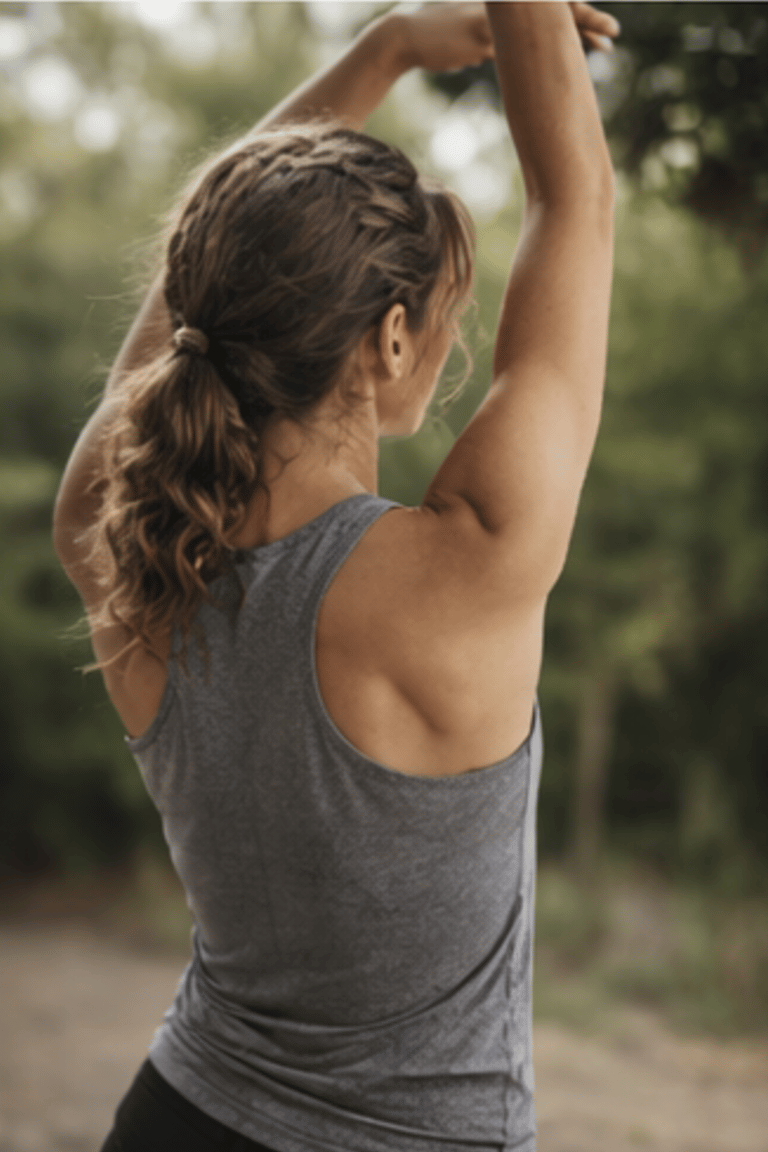
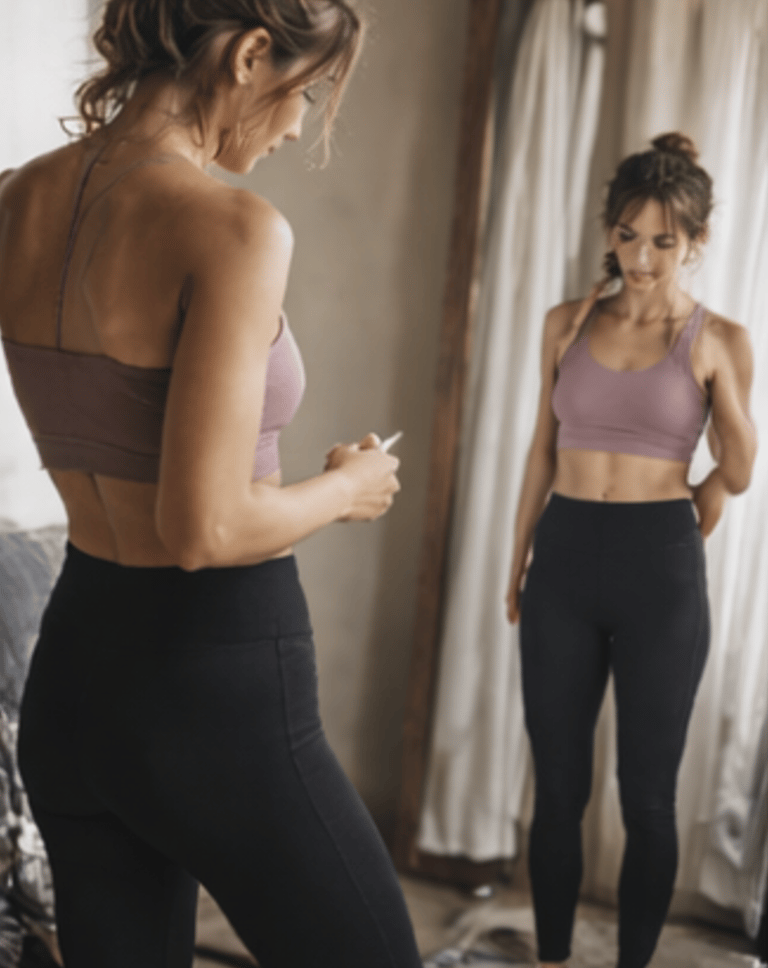
I still remember the first time I stood in front of the mirror wearing workout clothes that made me want to cancel my workout entirely. It wasn’t dramatic. No tears, no breakdown. Just that quiet, sinking feeling in my stomach as I tugged at a loose t-shirt that somehow made me look and feel invisible at the same time. The leggings were fine, technically. Comfortable, stretchy, perfectly acceptable. But together, the outfit didn’t feel like me. It felt like I was hiding. Like I was dressing for movement but not for confidence, and somehow that difference mattered more than I wanted to admit.
That morning, I sat on the edge of my bed longer than usual, debating whether confidence in workout clothes was shallow or unnecessary. After all, the point was to move my body, to show up for myself, to sweat, to breathe, to reconnect. But there’s a quiet truth many of us carry that we don’t always say out loud: how we feel in our clothes shapes how we move through the world — even in the gym, even in our living room during a home workout, even on a walk where no one is watching. Clothing doesn’t define our worth, but it does influence our energy. And when you’re already pushing yourself physically and emotionally, that extra layer of self-consciousness can feel heavy.
For years, my workout wardrobe was an afterthought. Old t-shirts from events, stretched-out leggings that had lost their shape, random pieces that didn’t quite belong together but felt “good enough.” I told myself confidence should come from within, that focusing on workout clothes was superficial. But deep down, I knew something wasn’t clicking. I moved differently when I felt uncomfortable. I hesitated more. I adjusted my shirt constantly. I avoided certain movements because I didn’t like how they looked in the mirror. It wasn’t vanity. It was self-awareness mixed with vulnerability — the kind that many women quietly carry when navigating their bodies in spaces that feel exposed.
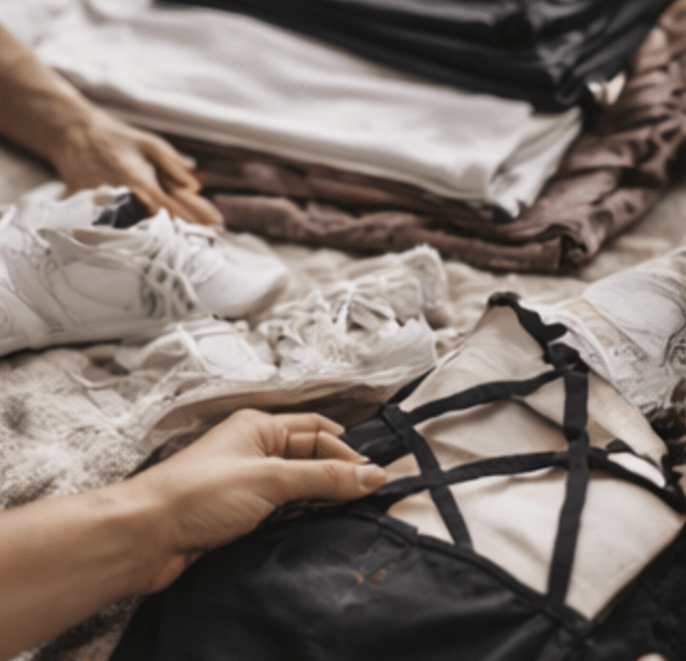
It wasn’t until a random Saturday morning that something shifted. I had plans to meet a friend for a light workout class, and I found myself rummaging through my closet with a strange urgency, like I was searching not just for clothes but for permission to feel good in my skin. I picked up one outfit, then another, discarding each one with a sigh. Eventually, I paused and asked myself a simple question: what parts of my body do I actually like? Not tolerate. Not accept. Like.
The question felt surprisingly difficult. It revealed how often I focused on flaws instead of strengths, how easily I dismissed the parts of myself that deserved appreciation. But slowly, answers surfaced. My shoulders, stronger than they used to be. My legs, capable of carrying me through long days and longer walks. My waist, softer than before but still part of a body that had lived, loved, and grown. That quiet reflection didn’t transform my relationship with my body overnight, but it shifted my lens. Instead of dressing to hide, I began dressing to highlight.
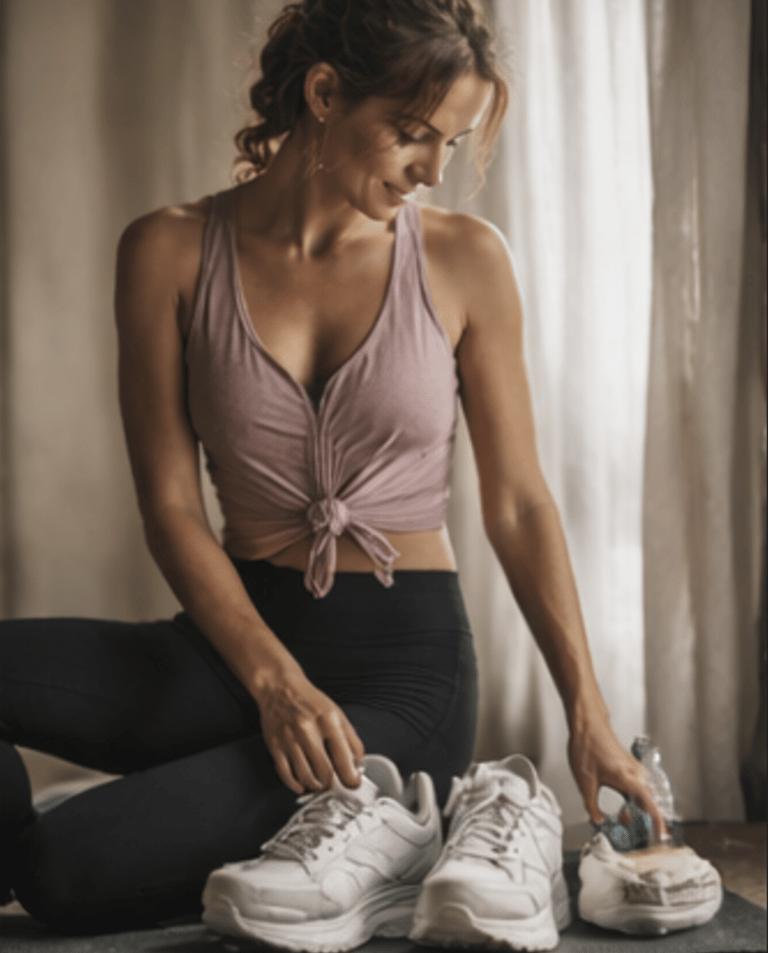
That morning, I chose leggings that hugged my legs in a way that felt supportive rather than restrictive. I paired them with a slightly loose top, but instead of letting it hang shapelessly, I tied a small knot at the side. It wasn’t a dramatic change, but when I looked in the mirror, I saw shape, balance, intention. More importantly, I saw myself — not the version I wished to be, but the woman standing there in that moment. And something inside me softened. Confidence didn’t arrive like a loud announcement. It arrived quietly, like a small exhale.
Body shape is one of those topics that can feel clinical when discussed in theory, but deeply emotional when experienced personally. For years, I resisted labeling my body shape because I didn’t want to box myself into categories or rules. But understanding proportions didn’t feel limiting once I approached it with curiosity instead of judgment. It became less about fitting into a mold and more about learning how fabric interacted with my body, how silhouettes could either support or compete with my natural shape. That awareness didn’t lead to perfection; it led to playfulness. Experimenting. Trying things that surprised me.
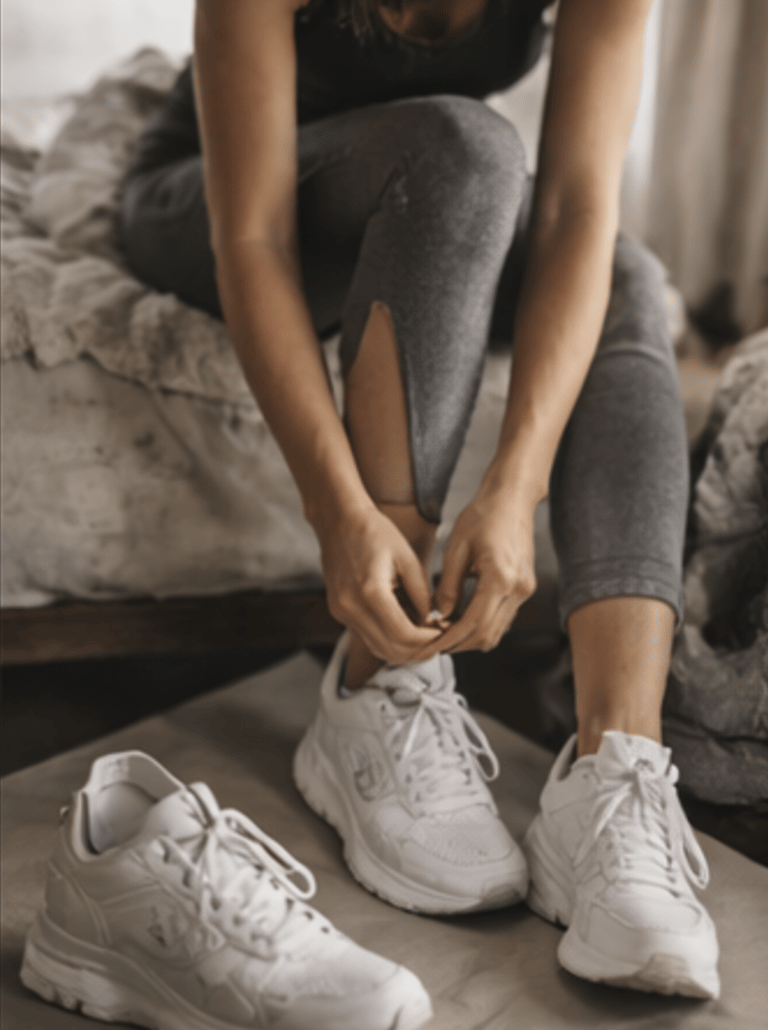
I began noticing how different fabrics affected my mood. Compression leggings made me feel held and secure, like a gentle reminder that my body was supported. Softer fabrics felt nurturing, perfect for slower movement days when I needed comfort more than structure. High-waisted designs became unexpected allies, offering a sense of ease around my midsection that allowed me to focus on movement instead of adjustment. These weren’t revolutionary discoveries, but they felt intimate, like learning the language of my own body after years of ignoring its quiet preferences.
There’s also an emotional layer to workout clothes that goes beyond aesthetics. Many of us carry memories of comparison — gym mirrors, social media images, old versions of ourselves. Those memories can sneak into dressing rooms and closets, whispering subtle insecurities that shape our choices. I’ve caught myself reaching for oversized pieces not because they were comfortable, but because they felt safer. Safer from judgment, safer from attention, safer from confronting my own discomfort. But safety and confidence don’t always overlap. Sometimes safety keeps us small, while confidence invites us to take up gentle space.
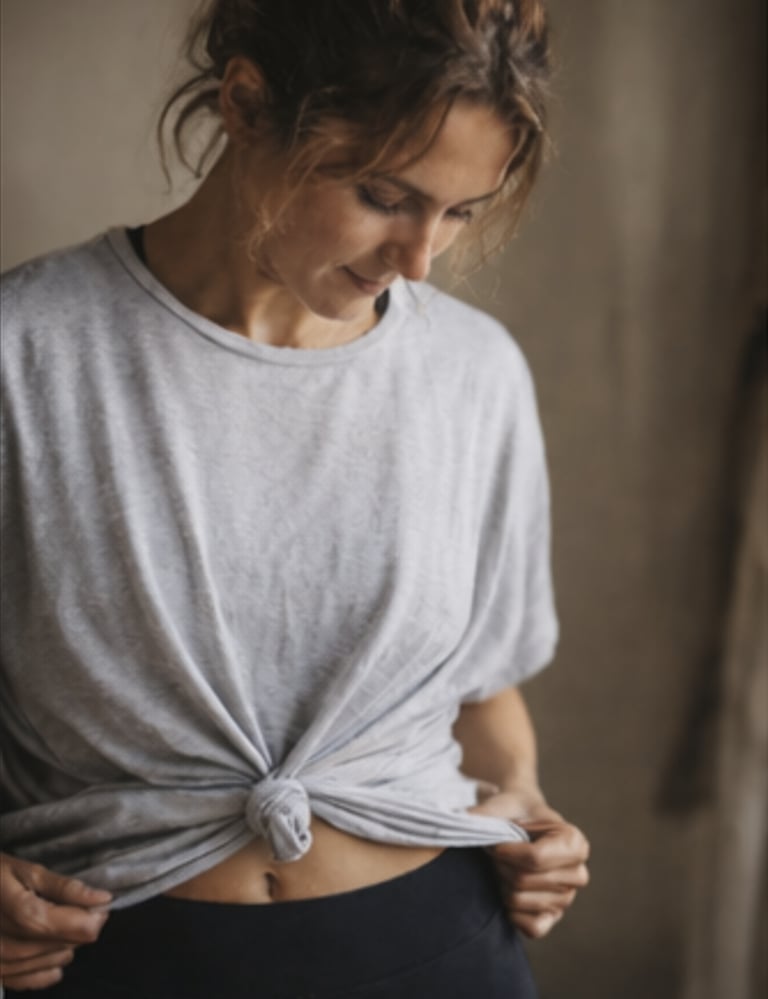
Balance became a quiet principle in my wardrobe, not as a rule but as a feeling. When I wore something fitted on the bottom, I allowed softness on top. When I chose a more structured sports bra or top, I paired it with movement-friendly layers that felt forgiving. It wasn’t about achieving visual perfection; it was about harmony — the kind that lets you forget about your clothes once you start moving because they’re working with you rather than against you. That harmony made workouts feel less like performances and more like experiences.
I’ve had days when confidence felt effortless and days when it felt completely out of reach. On the harder days, even my favorite workout outfit couldn’t silence the internal critic. But what surprised me was how clothing could gently interrupt negative self-talk. Putting on an outfit that felt intentional created a small psychological shift. It signaled care. It reminded me that my body deserved comfort and respect regardless of how I felt about it that day. That reminder didn’t erase insecurity, but it softened its edges.
There was a moment during a yoga class that stays with me. The room was softly lit, quiet except for the sound of breath and subtle movement. I caught my reflection briefly and noticed something unexpected. I wasn’t analyzing my body. I wasn’t comparing. I was simply present. The clothes I wore weren’t distracting me; they were supporting me. And that absence of self-consciousness felt like freedom. Not dramatic, not permanent, but deeply meaningful. It reminded me that confidence in workout clothes isn’t about impressing others. It’s about removing barriers between you and your own experience.
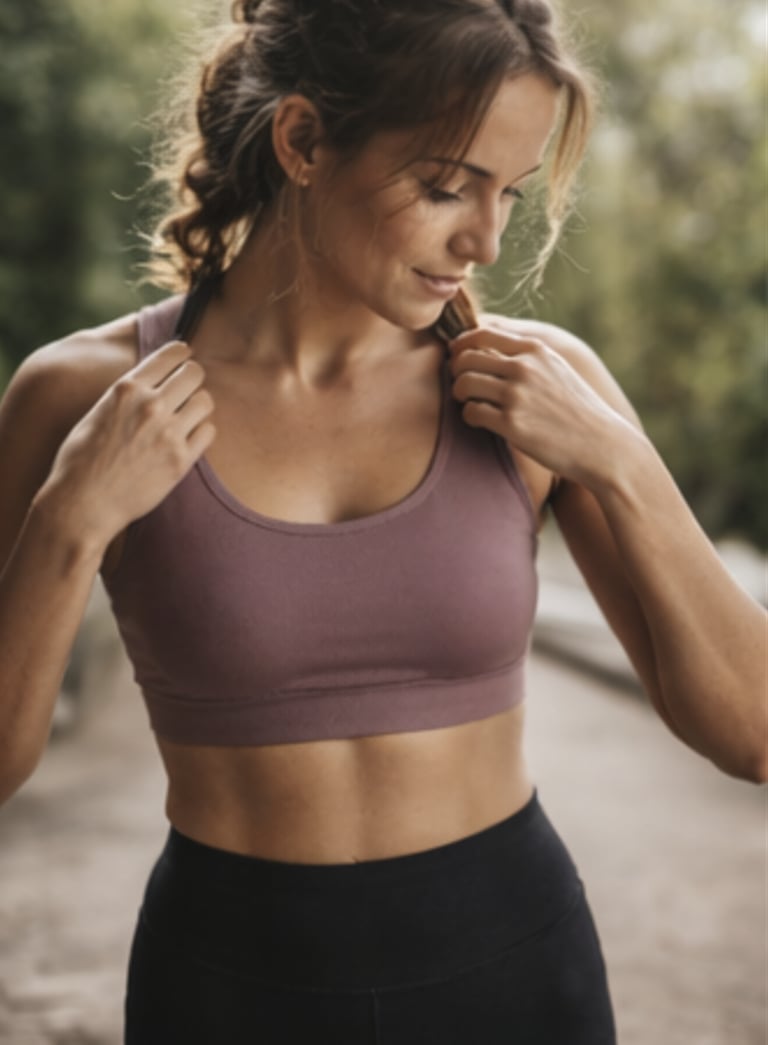
Over time, I started paying attention to how other women moved in their workout clothes. Not from a place of comparison, but curiosity. Some radiated confidence in bold colors and fitted sets, while others glowed in soft layers and neutral tones. What struck me wasn’t the clothing itself but the energy behind it. Confidence looked different on everyone. It wasn’t tied to size, shape, or style. It was tied to comfort, authenticity, and self-acceptance. That realization felt liberating. There wasn’t a single formula to follow, only a personal journey to explore.
My relationship with my body has changed through different seasons — pregnancy, stress, growth, aging, healing. Each season brought subtle shifts in shape, strength, and perception. Workout clothes that once felt perfect sometimes no longer fit physically or emotionally. And instead of viewing those changes as failures, I began seeing them as invitations to adapt. To update my wardrobe not in pursuit of an ideal body, but in response to the body I was living in. That perspective transformed shopping from a frustrating experience into a compassionate one. I wasn’t chasing a past version of myself. I was honoring the present one.
Confidence, I’ve learned, is deeply connected to kindness. The way we speak to ourselves while getting dressed matters. The thoughts that surface when something doesn’t fit the way we hoped matter. There were moments when I stood in front of the mirror feeling discouraged, and instead of spiraling into criticism, I practiced gentleness. Maybe the clothes weren’t the problem. Maybe my expectations were. Maybe my body wasn’t something to fix but something to understand. That shift didn’t happen overnight, but it slowly reshaped my emotional relationship with dressing for movement.
There’s something beautiful about reclaiming workout clothes as an extension of self-care rather than obligation. The ritual of choosing an outfit, feeling the texture of fabric, noticing how colors affect your mood — these small moments can transform exercise from a task into a nurturing experience. I began treating my workout wardrobe like a quiet encouragement system. Some outfits energized me. Others comforted me. Some reminded me of progress, while others simply made me feel cozy on days when motivation was low. Each piece held a story, a memory, a subtle emotional association.
And maybe that’s what confidence in workout clothes truly is — not a perfectly curated wardrobe or flawless self-image, but a gentle alignment between body, movement, and self-perception. It’s the freedom to show up imperfectly, to sweat without apology, to exist in your body without constant evaluation. It’s tying a knot in your shirt because it makes you feel playful. It’s choosing supportive leggings because they help you focus. It’s wearing colors that lift your mood even on difficult days.
If you’ve ever stood in front of your closet feeling unsure, tugging at fabrics that don’t quite feel right, questioning whether confidence is something reserved for other women, I hope you know you’re not alone. Confidence isn’t a fixed trait. It’s a relationship — with your body, your thoughts, your experiences. And like any relationship, it evolves. There will be days of ease and days of discomfort. Days when you feel radiant and days when you feel invisible. But within all those fluctuations, there is a quiet opportunity to practice acceptance.