Why Your Squats Might Be Hurting Your Back
2/28/20268 min read
There are some things in life I’ll argue about forever—like whether pineapple belongs on pizza—but I’ve learned that squats spark an entirely different level of passion. If you’ve spent any time in the fitness world, you already know: mention squats in a room full of lifters, trainers, or rehab pros, and you’ll get ten different opinions in under five minutes.
Some people call squats the king of all exercises. Others, including respected coaches like Mike Boyle, argue they’re often overused, misunderstood, and unnecessary for many people. Then you have voices like Dr. Joel Seedman who suggest that going too deep—past roughly 90 degrees—might not be ideal for most lifters. And somewhere in between, clinicians like Dr. Aaron Horschig break down biomechanics in a way that makes you question everything you thought you knew.
As a woman who lifts—and coaches other women—I’ve lived through the confusion, the fear, the pride, and yes, even the lower-back tightness that sometimes comes after a heavy session. So instead of giving you a textbook lecture on spinal mechanics, I want to talk about squats the way we actually experience them: in real bodies, with real anatomy, real goals, and real life happening outside the gym.
Because squats aren’t just about depth. They’re about identity, ego, safety, confidence, and knowing your body well enough to make smart choices.
Let’s start with the emotional part—because no one talks about it enough.
When I first started lifting seriously, I felt like I had something to prove. I wanted to squat deep. Not just “parallel.” I wanted that ass-to-grass depth that Instagram glorifies. I wanted the kind of squat that makes people nod in approval. The kind that says, “She knows what she’s doing.”
And honestly? For a while, it felt powerful.
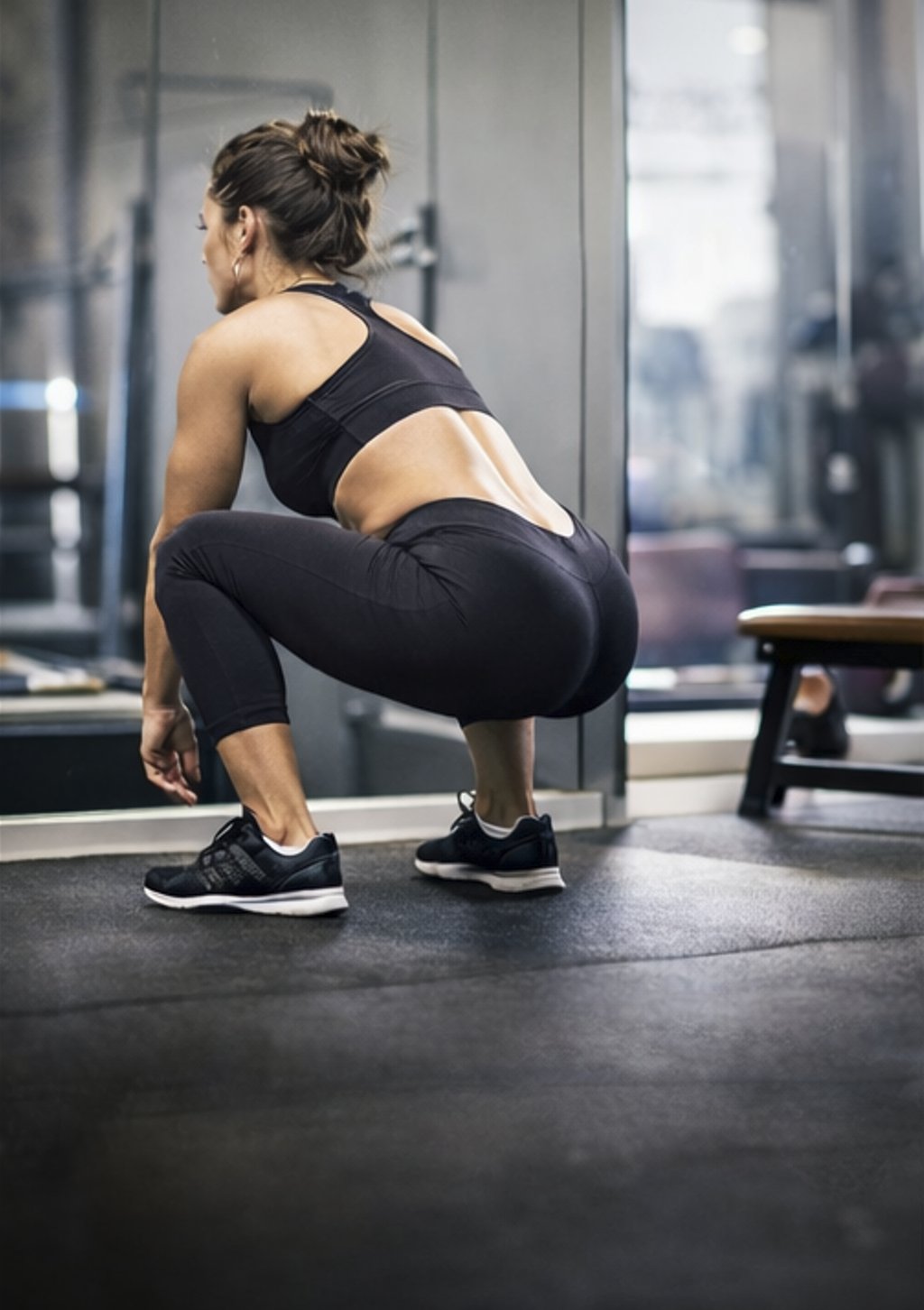
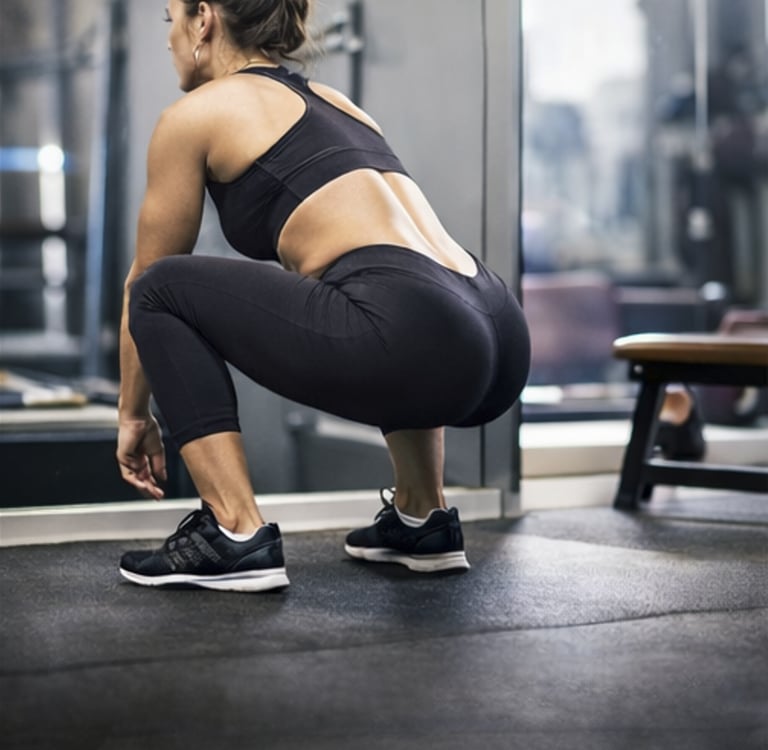
But then I noticed something subtle. At the very bottom of my squat, just before I would stand up, my lower back would slightly round. If I filmed myself from the side, I could see it: that little tuck under. The infamous “butt wink.”
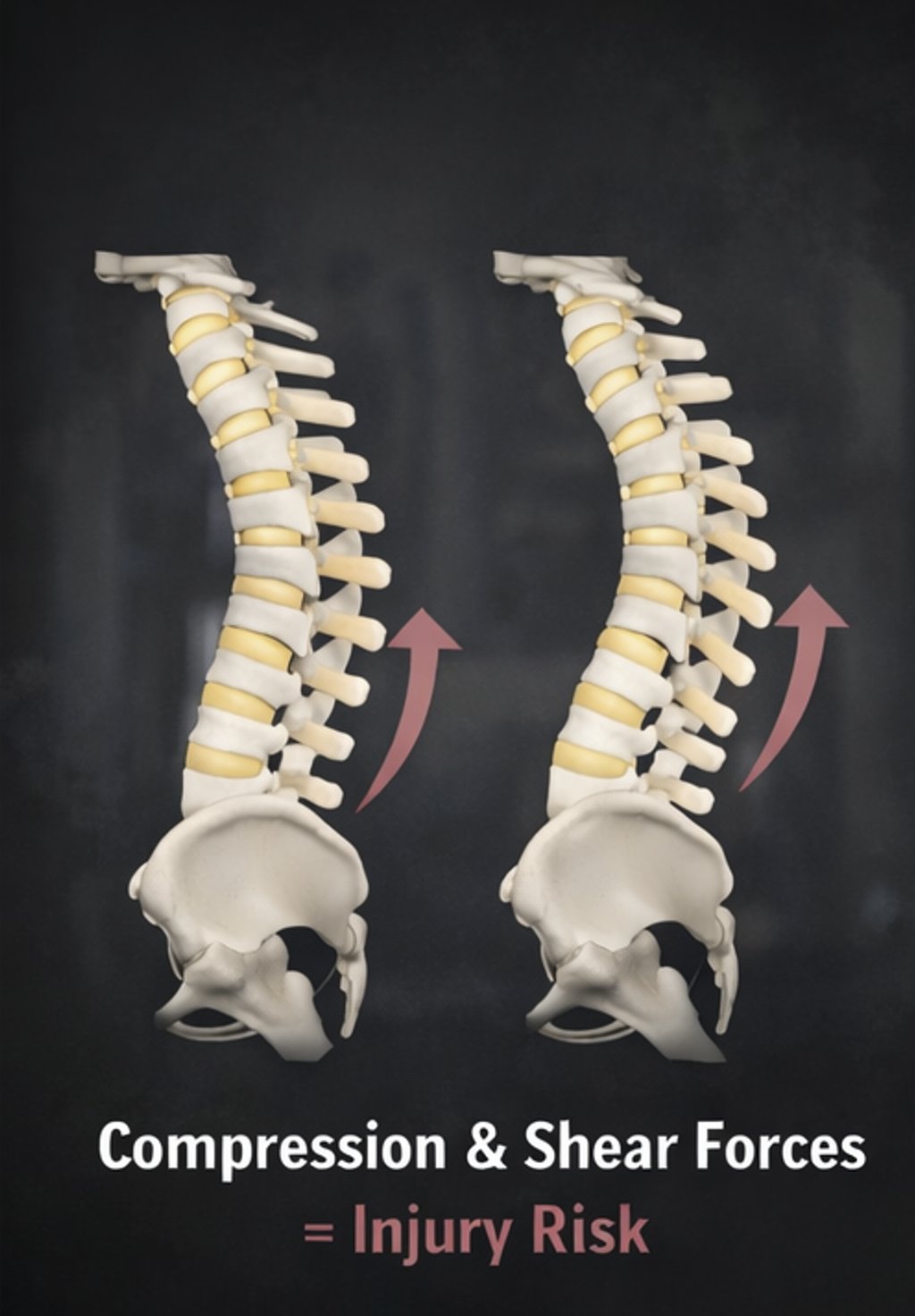
If you’re not familiar, the butt wink is when your pelvis tucks under at the bottom of a squat, causing your lower back (lumbar spine) to flex. In other words, instead of maintaining a neutral curve, your spine rounds slightly.
Now here’s the part most people oversimplify: spinal flexion is not evil.
Your spine is designed to move. It flexes when you tie your shoes. It flexes when you curl up on the couch. It flexes when you pick up your child in a slightly awkward position. Flexion, by itself, is not a crime.
The real question is: what happens when you add load?
When you place a barbell across your back and descend into a squat, your spine experiences compression. That’s normal. In fact, a healthy spine is surprisingly resilient to compressive forces. Between each vertebra sits an intervertebral disc—basically a gel-like cushion designed to absorb and distribute force.
Compression alone isn’t necessarily dangerous. The body adapts.
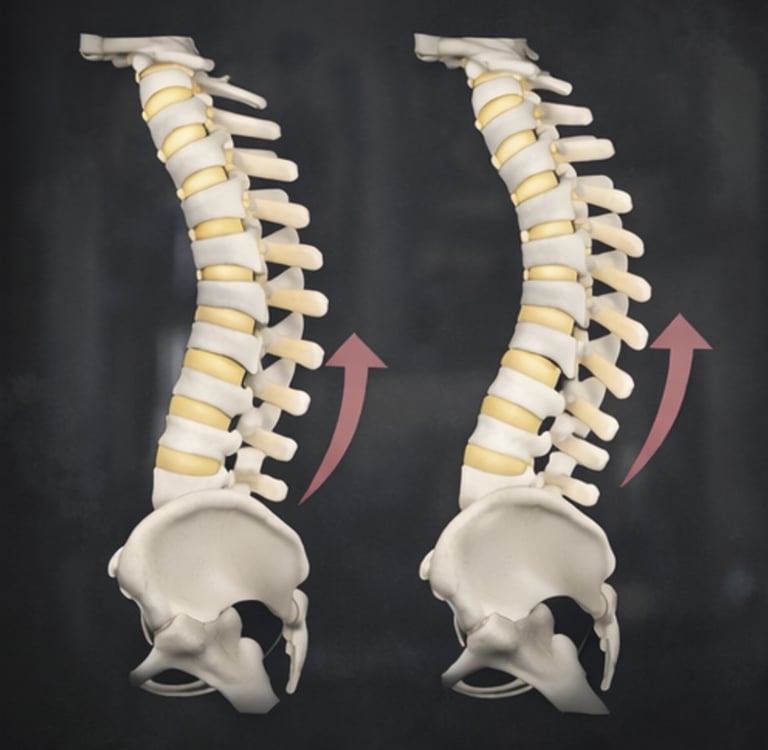
The potential issue arises when you combine compression with repeated spinal flexion under load. When you flex and compress at the same time, you introduce shear forces. Over time—rep after rep, session after session—that combination can increase the stress placed on spinal structures.
And here’s the part that matters: we are not all built the same.
Some women can squat deep with a perfectly neutral spine and never experience that pelvic tuck. Others will hit a depth where anatomy—not tightness, not weakness, but bone structure—simply doesn’t allow them to go further without rounding.
For years, I blamed my hamstrings. That’s what everyone says, right? “Your hamstrings are tight.” So I stretched. And stretched. And stretched some more.
But here’s something that changed the way I understood my own body: during a squat, your hamstrings don’t actually lengthen dramatically. They attach at both the pelvis and the knee. As your hips flex, your knees flex too. That means the hamstrings don’t experience the extreme stretch people assume they do.
So if it’s not just hamstrings, what is it?
Often, it’s a combination of hip anatomy, pelvic structure, femur length, and individual mobility patterns. Some women have hip sockets that simply limit deep flexion without compensation. Some of us have longer femurs relative to our torso, which changes our mechanics and demands more forward lean.
That realization was oddly liberating.
Because instead of forcing myself to hit an arbitrary depth, I started asking a better question:
What depth allows me to stay strong, stable, and pain-free?
There’s a huge difference between a slight, natural rounding at the bottom of a light bodyweight squat and repeated lumbar flexion under a heavy barbell. When I squat with just my bodyweight, a tiny bit of rounding doesn’t worry me. My spine moves through flexion all day long.
But under heavy load? That’s where I draw the line.
For me, the sweet spot is just below parallel. Deep enough to challenge my glutes and quads. Not so deep that my pelvis tucks aggressively under load. When I stay within that range, my lifts feel powerful. My back feels supported. My recovery is better.
And this is where I think we need to shift the conversation—especially as women.
We are often told to chase extremes. Lift heavier. Go deeper. Push harder. Be more intense.
But longevity matters more than ego.
I’ve coached women in their twenties who want performance and aesthetics. I’ve coached women in their forties balancing careers and children. I’ve coached women in their fifties who simply want to stay strong, independent, and pain-free.
Not all of them need heavy barbell back squats.
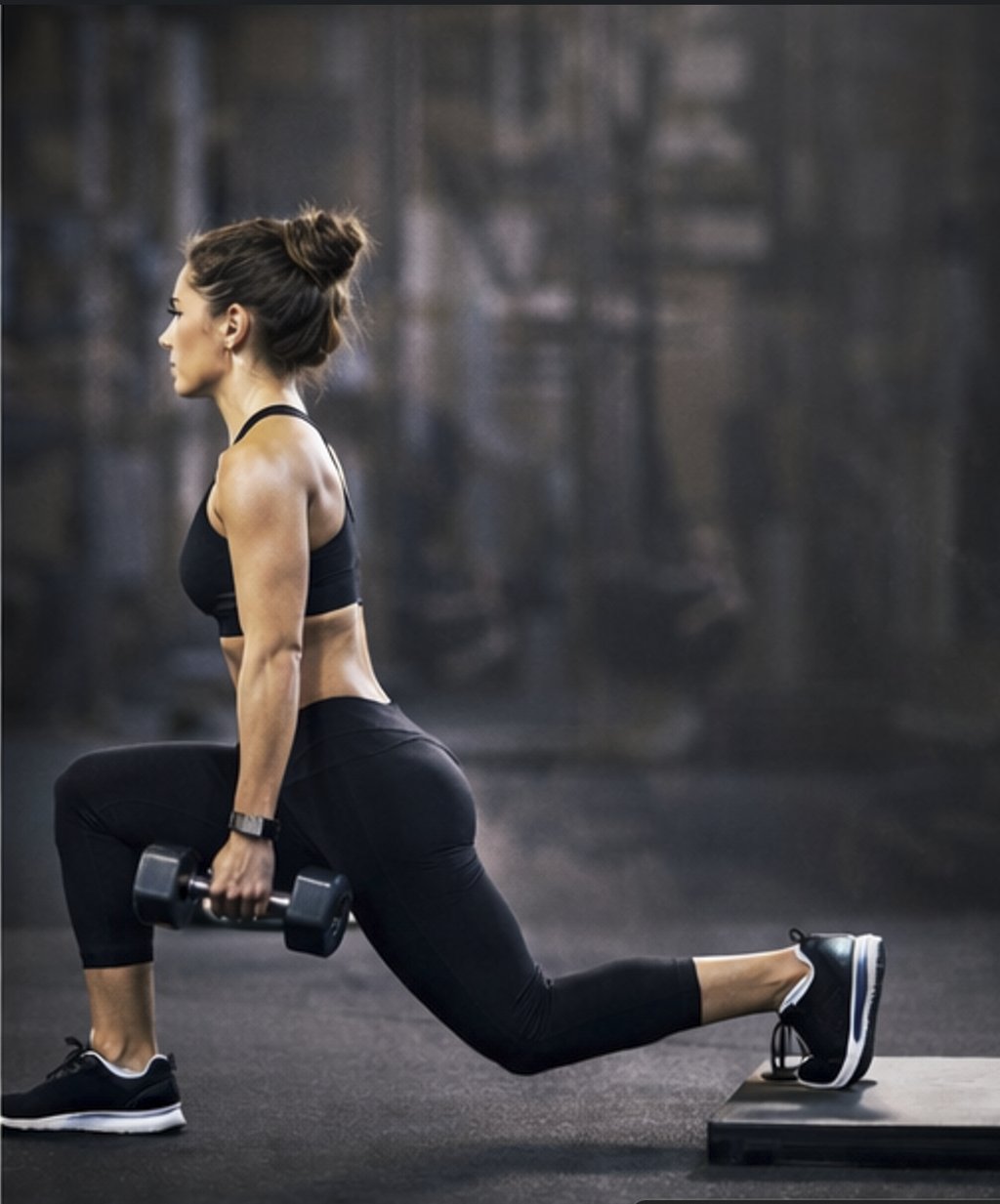
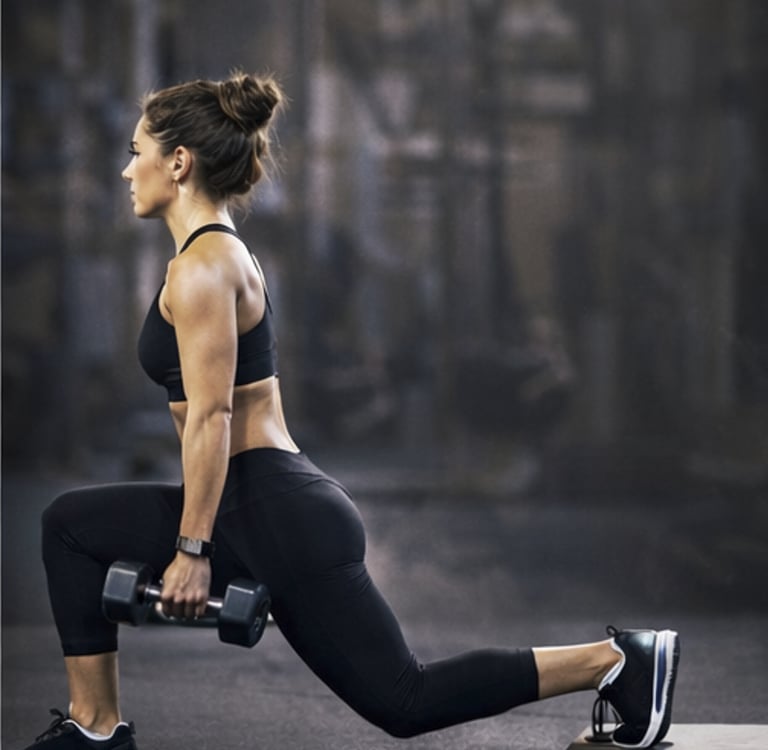
Some thrive with front squats. Some feel better with goblet squats. Some shine with Bulgarian split squats. Some build incredible strength using single-leg variations that challenge stability without overloading the spine.
And here’s the empowering truth: you do not have to back squat to be strong.
Strength is not defined by one movement pattern.
When I shifted my focus from “I must squat like a powerlifter” to “I want to move well for my body,” everything changed. I began experimenting. I tested stance width. I elevated my heels slightly. I played with tempo. I reduced load and increased control.
And I paid attention to feedback—not from social media, but from my own body.
Did my lower back feel compressed or tight the next day?
Did my hips feel strong or irritated?
Did I feel stable at the bottom, or like I was collapsing into depth?
These questions matter more than someone else’s definition of perfect form.
One thing I’ve noticed specifically with women is how our pelvic structure can influence squat mechanics. On average, women have a wider pelvis and different hip angles compared to men. That alone can change the way a squat looks and feels. Add to that hormonal fluctuations, connective tissue differences, and previous pregnancies for some women—and suddenly the “one-size-fits-all” cueing just doesn’t work.
Blanket recommendations are dangerous.
If someone tells you that you must squat ass-to-grass or you’re doing it wrong, I want you to pause. If someone tells you never to go past 90 degrees or you’ll ruin your knees or back, pause again.
Your body deserves a more nuanced conversation.
Let’s talk about the knees for a second, because that’s another myth-heavy area. Many women are told not to let their knees travel over their toes. In reality, knees moving forward during a squat is completely normal and often necessary, especially if you want to stay upright. Restricting knee travel artificially can increase stress elsewhere, including the hips and lower back.
The key isn’t eliminating movement. It’s controlling it.
A strong, stable squat—at any depth—requires coordinated movement at the hips, knees, and ankles. If one joint lacks mobility, another will compensate. That compensation might show up as heel lifting, excessive forward lean, or yes, butt wink.
Instead of stretching endlessly, sometimes the solution is strengthening through the range you actually own.
That was a hard lesson for me.
I used to chase depth I couldn’t control. Now I train the depth I can dominate.
And something interesting happened: as my strength improved and my awareness increased, my bottom position naturally got cleaner. Not because I forced it—but because I earned it.
There’s also a psychological layer here. For many women, the squat becomes symbolic. It’s a lower-body movement that directly targets glutes—an area often tied to aesthetics. Social media reinforces this constantly. Deeper equals better. Lower equals more glute activation.
But glute activation isn’t a moral victory.
You can build strong, defined glutes without max-depth barbell squats. Hip thrusts, Romanian deadlifts, step-ups, lunges—all of these can be incredibly effective. The body doesn’t reward you for performing a specific exercise; it responds to tension, consistency, and progressive overload.
So where do I stand now?I still squat.
I love squats. They make me feel grounded and strong. There’s something deeply satisfying about sitting back into a loaded bar, bracing your core, and driving up with power.
But I no longer see them as mandatory.
If a woman tells me she hates squats, we explore why. Is it discomfort? Fear? Previous injury? Poor setup? Or simply preference? Sometimes with small adjustments—stance width, heel elevation, load placement—the movement transforms. Other times, we choose a different variation and move on.
Because strength training should build you up, not break you down.
If you want to test your own squat safely, here’s what I suggest—not as a rulebook, but as a conversation with your body. Stand sideways to a mirror. Slowly descend into a bodyweight squat. Watch your lower back. Notice the point where your pelvis begins to tuck. That point is information. It’s not failure.
That’s likely around the depth where your lumbar spine starts to flex.
Under no load, this is normal and safe. Under heavy load, that’s where you may want to stop—or at least be mindful.
Film your lifts occasionally. Not to criticize yourself, but to understand yourself.
And most importantly, differentiate between discomfort from effort and discomfort from strain. Burning quads? Normal. Glutes working hard? Normal. Sharp lower back pain? Not normal.
There’s a quiet confidence that comes from training intelligently. It’s less flashy than chasing extremes, but it lasts longer.
As women, we are often balancing so much outside the gym—careers, relationships, families, hormonal cycles, emotional labor. The gym should support our lives, not add unnecessary risk.
So if you love deep squats and your body handles them beautifully, wonderful. If you feel stronger stopping slightly higher, that’s valid too. If you thrive on single-leg work instead of barbell back squats, you are not missing out.
Fitness is not a loyalty test to a specific movement.
It’s a long-term relationship with your body.
And in my own journey, learning to respect my anatomy instead of fighting it has made me stronger than any extra inch of squat depth ever could.
Squats aren’t controversial because they’re dangerous. They’re controversial because they expose how differently we are built—and how stubborn we can be about admitting that difference.
The real power move isn’t squatting the deepest.
It’s squatting in a way that lets you keep doing it—confidently, pain-free, and for years to come.