
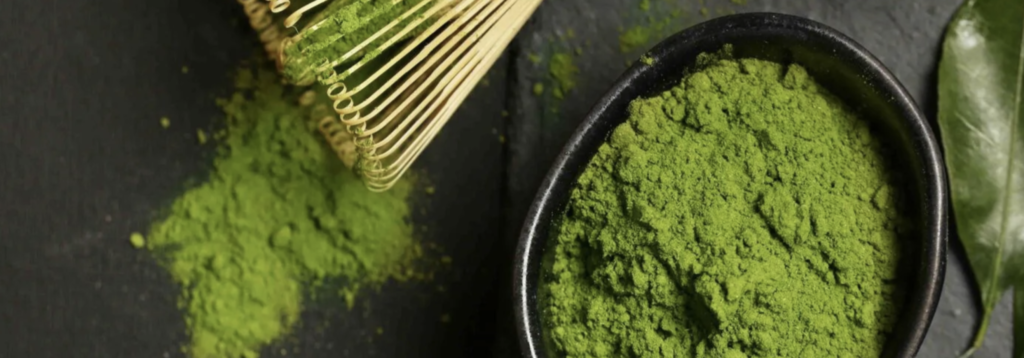
A few years ago, matcha still felt like something slightly mysterious. You would occasionally spot a bright green latte on social media or hear someone mention it as their new healthy obsession, but for most people, it still belonged to a niche world of tea lovers, wellness enthusiasts, and people who somehow always knew about trends six months before everyone else.
Now, that has completely changed.
Matcha is no longer sitting quietly in specialty tea shops or hidden inside wellness blogs. It has moved fully into mainstream culture. It’s in cafés, supermarkets, office kitchens, hotel menus, Pinterest recipes, TikTok routines, bakery counters, and beauty conversations. What once felt slightly unfamiliar is now almost impossible to ignore.
This shift didn’t happen by accident, and it certainly didn’t happen only because matcha looks pretty in photos, although its photogenic qualities definitely helped. The real reason behind matcha’s rise is much bigger. It sits at the perfect intersection of health culture, caffeine habits, aesthetic lifestyle trends, and the modern obsession with rituals that feel intentional.
In many ways, matcha became popular because the world became ready for it.
Modern life has created a strange relationship with energy. People are more exhausted than ever, yet somehow expected to remain constantly productive, focused, creative, and emotionally regulated. Coffee has traditionally been the universal answer to this problem, but coffee also comes with baggage.
For millions of people, coffee is deeply loved. It is comforting, energising, familiar, and woven into daily life. But for many others, the relationship is more complicated. Coffee can feel intense. It can cause jitters, energy crashes, digestive discomfort, anxiety spikes, or that unpleasant overstimulated feeling where your body is awake but your nervous system seems to be filing complaints.
This is where matcha entered the conversation at exactly the right moment.
Unlike coffee, matcha offers caffeine in a noticeably different way. Because matcha contains L-theanine, a naturally occurring amino acid found in tea leaves, the caffeine experience often feels smoother and more gradual. Instead of hitting quickly and fading sharply, matcha tends to feel steadier.
People often describe this as calm energy, which sounds suspiciously like marketing language until you actually experience the difference.
The sensation is not necessarily stronger, but more controlled. You feel alert, but often less frantic. Focused, but usually without the same nervous edge some people associate with coffee.
This distinction matters enormously in a culture increasingly obsessed with optimisation.
People are no longer just looking for stimulation. They want better stimulation.
Energy, but smarter.
Focus, but with emotional stability still intact.
Matcha happens to fit this desire almost perfectly.
At the same time, matcha benefits from something many products would kill for: it feels like a ritual.
And people are craving rituals.
Modern routines are fragmented. Notifications interrupt everything. Work follows people home. Home feels increasingly blurred with work. Attention is constantly under attack.
In response, people have started romanticising small daily rituals as a form of self-regulation.
Morning skincare routines.
Journaling.
Stretching.
Reading before bed.
Lighting candles for no practical reason whatsoever.
And, of course, making drinks in ways that feel more intentional than simply pressing a coffee machine button.
Matcha naturally belongs here.
Even in its simplest form, preparing matcha is more interactive than most beverages. You scoop the powder, add water, whisk it, watch the texture change, and build the drink more deliberately.
The process slows you down, even if only for a minute or two.
That tiny pause has become surprisingly valuable.
It transforms a drink into a moment.
That sounds dramatic for powdered tea, but it is partly why people become attached to it.
Matcha isn’t just consumed. It gets incorporated into routines.
This is an important difference.
Another major reason for matcha’s popularity is visual culture. We cannot discuss modern food trends honestly without acknowledging the enormous influence of aesthetics.
Matcha is, quite frankly, excellent at being photographed.
Its vibrant green colour is instantly recognisable. In a world filled with neutral-toned coffees, beige smoothies, and iced drinks that all start to blur together visually, matcha stands out immediately.
A layered iced matcha latte is highly visible content.
A matcha dessert instantly catches the eye.
A bright green whisked bowl feels both calming and visually satisfying.
Platforms like Instagram, TikTok, and Pinterest reward recognisable visuals. Matcha happens to deliver exactly that.
It is colourful without looking artificial, trendy without feeling completely novelty-driven, and versatile enough to appear in countless formats.
Suddenly, matcha was not just a drink.
It was content.
And once food becomes content-friendly, growth tends to accelerate dramatically.
But unlike many aesthetically popular foods, matcha has something crucial supporting its popularity: people often continue using it after the initial visual appeal fades.
This is where many trends fail.
A product gets attention, people try it, realise it offers nothing beyond appearance, and move on.
Matcha has avoided this trap because many users genuinely enjoy how it makes them feel.
Not necessarily transformed.
Not magically healthier.
Just… different in ways they find useful.
Steadier mornings.
More enjoyable routines.
A more pleasant caffeine experience.
A small feeling of doing something slightly more intentional.
Sometimes that is enough.
There is also a broader cultural reason behind matcha’s rise.
Consumers are increasingly drawn toward products that signal lifestyle identity.
People do not simply buy products for function anymore. They often buy products for what those products communicate.
Matcha signals several things simultaneously.
It suggests health awareness.
Aesthetic sensitivity.
Some degree of wellness literacy.
An interest in quality or ritual.
A willingness to participate in trends, but ideally trends that feel slightly elevated.
It is aspirational, but approachable.
That is a rare balance.
Coffee is mainstream.
Green juice can feel too extreme.
Matcha sits comfortably in the middle.
Healthy enough to feel virtuous.
Enjoyable enough to feel realistic.
Then there is the fact that matcha is remarkably versatile.
This matters more than people think.
Foods and drinks that become too limited tend to burn out quickly.
Matcha can move easily between categories.
Hot latte.
Iced latte.
Smoothie.
Cookies.
Cakes.
Pancakes.
Tiramisu.
Ice cream.
Energy bites.
Overnight oats.
Its flavour is distinctive, but adaptable.
This flexibility gives matcha longevity.
It can evolve with trends rather than being trapped inside one narrow use case.
Another factor is premium perception.
Matcha is not usually cheap.
High-quality matcha involves specialised cultivation methods, shade-growing, careful harvesting, processing, and stone-grinding.
This labour-intensive production contributes to its price.
But price also shapes psychology.
Expensive products often feel more intentional.
More curated.
More premium.
This reinforces matcha’s brand positioning beautifully.
It feels like something selected rather than accidentally purchased.
A deliberate upgrade.
And in a culture increasingly drawn to quality-over-quantity narratives, that matters.
Of course, none of this would matter if matcha tasted universally terrible.
This is where things become more nuanced.
Matcha is not instantly loveable for everyone.
Its grassy, earthy, slightly bitter flavour can be surprising.
But that has not necessarily hurt its growth.
In some ways, it may have helped.
Acquired tastes often develop stronger communities.
Wine, coffee, dark chocolate, craft beer, and olives all benefit from this phenomenon.
The slight challenge of matcha gives it identity.
It feels less like generic sweetness and more like a flavour people learn to appreciate.
That makes attachment stronger.
So, is matcha just a trend?
Technically, yes. Everything becomes trendy at some point.
But not all trends are equally temporary.
Some are pure novelty spikes.
Others reflect broader cultural shifts.
Matcha appears to belong to the second category.
Its growth aligns with long-term behavioural changes: interest in functional beverages, alternative caffeine sources, wellness rituals, aesthetic food culture, and more intentional daily habits.
Those trends are unlikely to disappear soon.
That gives matcha unusually strong staying power.
Its hype may eventually settle.
Every product experiences that.
But its place in modern beverage culture seems relatively secure.
At this point, matcha is no longer simply having a moment.
It has moved beyond novelty.
It has become part of how many people structure mornings, breaks, routines, and small acts of self-care.
That is not something trends achieve easily.
So why has matcha become so popular?
Because it offers more than one thing at once.
It gives energy, but differently.
It feels healthy, but not punishing.
It looks beautiful, but still has substance.
It fits both routine and aspiration.
And perhaps most importantly, it arrived at a cultural moment where people were already searching for exactly those qualities.
In hindsight, matcha’s popularity feels almost inevitable.
The world wanted something that felt healthier, calmer, prettier, and slightly more intentional than what it already had.
Matcha simply happened to be ready.
Not bad for powdered tea.