
Because dressing well in heat is a skill, and nobody talks about it honestly enough.
There is a particular kind of frustration that happens every June. You open your wardrobe with genuine optimism — summer is here, the light is golden, the mood is good — and then you stand there for fifteen minutes pulling things out and putting them back, none of it quite feeling right. Too heavy. Too synthetic. Too last year. The butter-yellow dress you saw on Pinterest three months ago now lives rent-free in your mind, and somehow nothing you actually own looks like that.
I have been that woman more times than I care to count. And the reason, I eventually realized, was not that I lacked clothes — it was that I lacked the right kind of understanding. Not just about what to wear, but about why certain things work in summer and others completely fall apart the moment real heat arrives. Why some outfits look incredible in photographs taken before noon and visibly wilted by 3 p.m. Why a simple linen shirt feels like a revelation while a beautifully constructed dress in the wrong fabric feels like a punishment.
Summer 2026 has arrived with a clarity that I find genuinely energizing. The color palette is cohesive and beautiful. The fabric conversation has finally reached mainstream fashion in a meaningful way. The aesthetic direction — quiet luxury meeting the clean girl sensibility, feminine elegance meeting genuine practicality — feels like the most wearable, livable summer fashion has been in years. This is not a season of gimmicks or micro-trends that burn bright for six weeks and disappear. This is a season of investment, intention, and the specific pleasure of getting dressed well.
Let us talk about all of it properly.
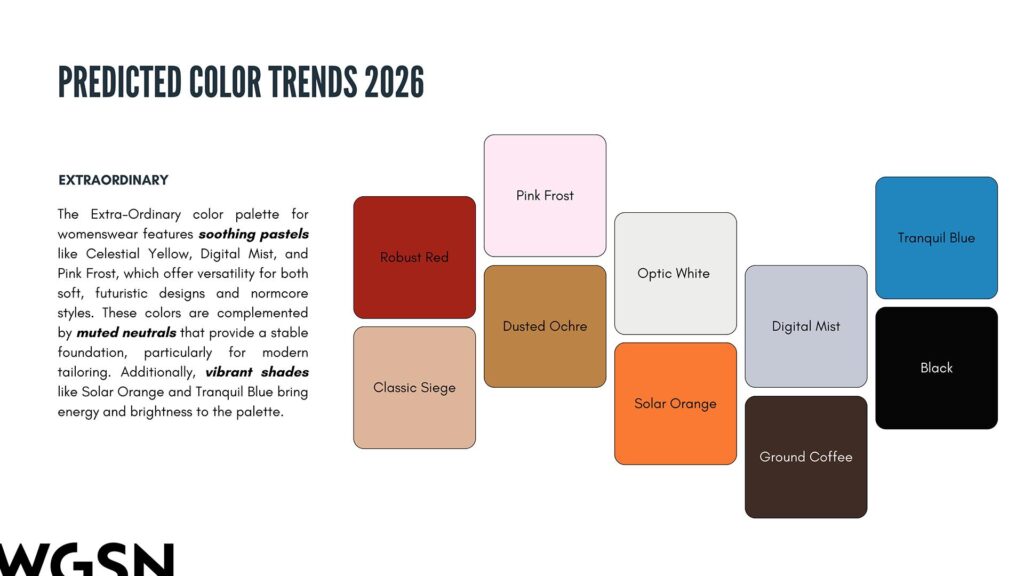
The Summer 2026 Color Story: Nature, Not Neon
The single most striking thing about the summer 2026 palette is what it refuses to do. It refuses to shout. After several seasons of increasingly saturated, attention-demanding colors — the kind that look extraordinary in a single Instagram image and exhausting in real life — the major houses have collectively pivoted toward something more measured, more wearable, and genuinely more beautiful in the sustained way that matters when you are actually wearing something rather than photographing it.
Chloé, Jacquemus, Loro Piana, Valentino, Ulla Johnson, Zimmermann, Max Mara — the runway collections that defined the 2026 summer direction drew consistently from the same visual well: nature. Not the abstract idea of nature, but specific, observed natural phenomena. The color of old linen left in a Mediterranean window. The particular butter of early morning sunlight on stone. The exact hue of shallow tropical water where it meets a sandy floor. The faded softness of lavender fields photographed in late afternoon. These are colors that have been somewhere — they carry the warmth of experience.
Butter Yellow: The Season’s Most Versatile Hero
Of all the colors that appeared across summer 2026 collections — from Jacquemus’s sun-soaked Provence-inspired pieces to Zimmermann’s feminine, floaty designs — butter yellow has the most genuine claim to being the season’s defining shade. And I want to be specific about which butter yellow, because this matters enormously in practice.
This is not the bright, almost acidic yellow of a few seasons ago that required significant confidence to wear and photographed beautifully but looked challenging in person. This is the creamy, softened, slightly warm butter yellow that sits between white and yellow without committing fully to either. The yellow of churned cream. The yellow of old beeswax candles. The yellow that, remarkably, photographs well in essentially every light condition and works on a far wider range of skin tones than most people expect.
Tory Burch styled it in crisp cotton sundresses with clean lines and minimal detailing — the kind of piece that looks effortless because it genuinely is. Zimmermann incorporated it into floaty, layered silhouettes that moved beautifully. Jacquemus used it in the structured-but-relaxed linen pieces that have become the brand’s summer signature.
The best entry point for most women is exactly what the runway suggested: a cotton sundress or linen blouse. These are pieces where the color does all the work and the garment itself can be simple. A butter yellow linen blouse worn with your existing navy or white trousers will read unmistakably summer 2026 without requiring a wardrobe overhaul. That accessibility is part of why this color is going to be everywhere — it is a genuinely democratic shade.
Ocean Coral: The Warm Accent That Changes Everything
Valentino and Ulla Johnson approached coral very differently — Valentino with the dramatic precision that is the house’s signature, Ulla Johnson with the bohemian, handcrafted quality that makes her pieces feel like they have already been loved — but they arrived at the same essential truth: the right coral is transformative.
Ocean coral is not the aggressive, almost-orange coral of decade-past summer palettes. It is warmer, softer, with more of the pinkish quality that gives it genuine versatility. On skin, it flatters almost universally, which is why it keeps returning. It has a warmth that photographs beautifully in sunlight and a softness that keeps it from feeling heavy or demanding in the way that some bolder shades can.
For women who feel uncertain about wearing coral as a main garment, the accessories route is genuinely brilliant. A crossbody bag in ocean coral elevates an all-white or all-linen-neutral outfit from beautiful to actually memorable. Coral sandals perform the same function. Even a silk scarf in this shade, tied in your hair or on a bag handle, adds exactly the right amount of warmth and color.
A lightweight knit top in ocean coral — the kind of fine-gauge, slightly translucent knit that Ulla Johnson does so beautifully — is the bolder move and a rewarding one. Worn with wide-leg white linen trousers or a simple flowing white skirt, it creates one of the most genuinely summer-2026 outfits possible without requiring anything dramatic or new in terms of styling knowledge.
Lavender Haze: The Romantic Mood of the Season
Of all the 2026 summer colors, lavender haze is the one that surprised me most — not its presence, but the way it has been interpreted. I expected the soft lavender that has appeared in various guises over the past few seasons, but what Chloé, Erdem, and Isabel Marant delivered was something more complex and more interesting. This lavender has a slight greyness to it, a dustiness, a quality of something that has been bleached gently by time. It is romantic without being saccharine, soft without being babyish.
Erdem’s approach was particularly beautiful — lavender haze in fluid, layered midi skirts with floral details that felt genuinely romantic rather than costume-like. Isabel Marant incorporated it with the ease that defines everything she does: a relaxed blazer in this shade over a white linen dress, a simple pairing that somehow looked like the most chic thing imaginable.
The midi skirt is the suggested entry point and I completely agree with that prescription. A flowing midi skirt in lavender haze — especially in a fabric with good drape, like silk crepe or a viscose-blend — is one of the most versatile summer pieces you can own. It works with white tops, grey tops, pale neutral tops. It works with sandals, with mules, with simple white sneakers for casual days. It transitions from daytime to evening with only a change of shoes and perhaps a jewelry addition.
Seafoam Green: The Quiet Sophisticate
Loro Piana and Max Mara bringing seafoam green to their summer collections is a piece of information worth sitting with for a moment, because both of those houses are essentially in the business of defining what sophisticated, enduring luxury looks like. When they both arrive at the same color, that color has genuine staying power — it is not a seasonal flash but a considered choice.
Seafoam green — the color of shallow ocean water, of old sea glass, of the particular blue-green that appears in Scandinavian coastal paintings — is not an easy color to characterize but it is an extraordinarily easy color to wear. It has enough blue to feel cool and calm, enough green to feel connected to nature and warmth, and enough grey in most of its iterations to feel sophisticated rather than playful. On darker skin tones it is luminous; on lighter skin tones it creates a beautiful, slightly unexpected contrast.
Tailored shorts in seafoam green — the Loro Piana approach, essentially: beautifully cut shorts in excellent fabric — are the more polished route. A linen shirt in this shade, left open over a white tank, is the effortless casual version. Both work. Both read unmistakably 2026.
Warm White: The Season’s Most Hardworking Shade
Nearly every major house incorporated warm white into their summer 2026 collections, and while that ubiquity might make it feel like a non-choice, I would argue that warm white is the single most important color investment of the season.
The distinction between warm white and bright white is significant and worth understanding viscerally. Bright white has a crispness that can look extraordinary in some contexts — it has an energy, a precision — but it also photographs harshly in strong sunlight and can create a challenging contrast against certain skin tones. Warm white is more forgiving. It has a slight creaminess, a hint of yellow or blush that makes it feel lived-in and luminous rather than clinical. It photographs beautifully in natural light and flatters skin by reflecting warmth rather than stark brightness.
Wide-leg trousers in warm white linen are, in my honest opinion, the most useful single garment purchase of summer 2026. They work with everything — literally everything in the palette described above. A butter yellow blouse, an ocean coral top, a lavender haze shirt, a seafoam green linen layer — all of these look extraordinary with white trousers. A slip dress in warm white works for evenings and weekends with equal ease. A structured tote in warm white or cream leather is the bag that elevates every summer outfit.
The Fabric Truth Nobody Tells You (But Should)
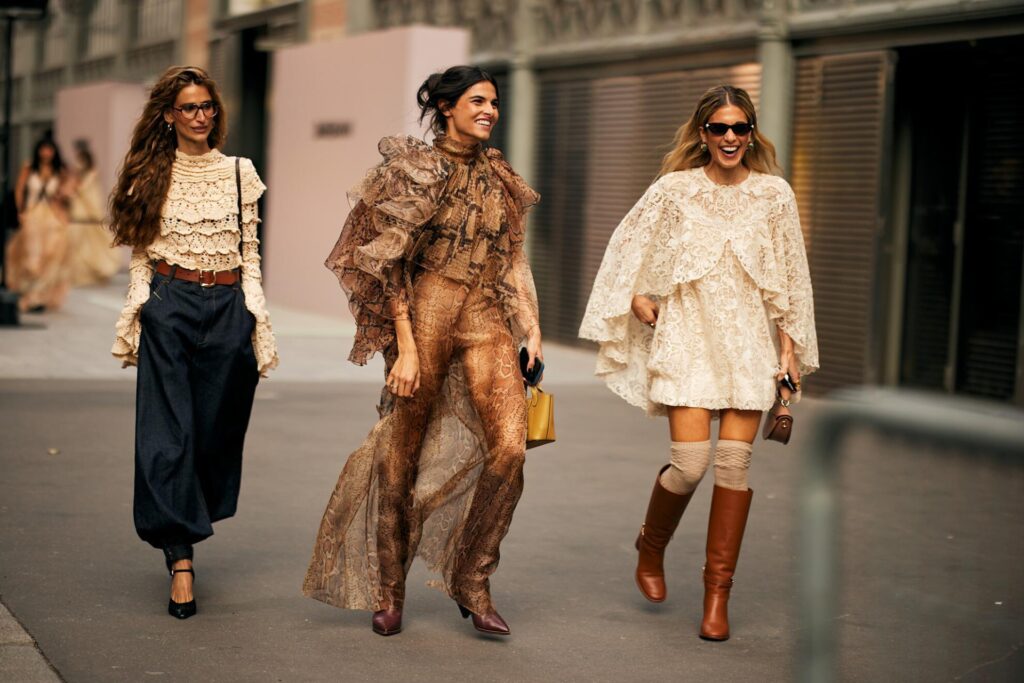
Here is the thing about summer dressing that the fashion industry often glosses over in favor of what things look like: fabric is everything. More than silhouette, more than color, more than styling, the fabric of what you wear in summer heat determines how your day goes. I am not exaggerating for effect.
A 2025 study in the Textile Research Journal confirmed scientifically what most women know intuitively: linen conducts heat away from the body five times faster than cotton and absorbs up to 20% of its weight in moisture before you even feel damp. That performance gap — which sounds impressive on paper — becomes viscerally real when you are standing outside at 35 degrees Celsius wearing the wrong thing.
I have had the experience, more than once, of wearing something beautiful in the wrong fabric and watching my entire day suffer for it. The synthetic dress that seemed fine at 9 a.m. and became actively uncomfortable by noon. The viscose-blend skirt that looked fluid and lovely at home and felt heavy and damp by the time I arrived at lunch. The beautifully made top in a polyester-cotton blend that I loved in theory and wore exactly twice before my body refused to cooperate.
Let me be honest about the fabrics that actually deserve your trust.
Linen: The Gold Standard, With No Caveats
Linen is the undisputed queen of summer fabric, and I say this without romantic exaggeration. Its thermal properties are genuinely exceptional — the loose weave of linen allows air to circulate in a way that feels almost like natural air conditioning. It absorbs moisture efficiently and dries quickly. It gets softer with every wash. It has a quality of looking better slightly rumpled than it does perfectly pressed, which means that its most obvious “flaw” is actually an aesthetic advantage.
The wrinkle conversation around linen has been settled definitively in recent seasons: the crumple is the point. The lived-in, effortlessly imperfect quality of worn linen has been elevated from “I forgot to iron” to active style intention. When the fabric itself is beautiful — when it has the weight, the texture, and the drape of genuinely good linen — the wrinkles read as sophistication. This is why the quiet luxury aesthetic runs so heavily on linen: it is the fabric version of that particular kind of ease that suggests you have nothing to prove.
Linen-blend options — linen-cotton, linen-Tencel — solve the creasing problem for women who genuinely cannot embrace the wrinkled aesthetic (I understand; some workplaces and some personalities require more precision). These blends preserve most of linen’s cooling benefit while adding a softness and reduced wrinkling that makes them genuinely easier to maintain. They are a very reasonable compromise and I recommend them without reservation for office environments or any context where showing up visibly creased feels like a liability.
What I do not recommend: linen-polyester blends, which often appear at lower price points and promise the linen aesthetic without the performance. The polyester content undermines everything that makes linen worth wearing. If you are going to invest in linen, invest in 100% linen or a high-quality natural-fiber blend. Your body will thank you by August.
Organic Cotton: The Versatile Middle Ground
Organic cotton occupies a different category than linen — less dramatically breathable, but softer against skin, more versatile in its ability to hold structure in garments where linen’s natural drape would be inappropriate. A cotton jersey tank top moves and breathes with the body in a way that linen cannot match. A woven cotton shirt holds its shape through a professional workday in a way that maintains credibility in office environments.
The organic distinction matters increasingly, and not just for ethical reasons. Organic cotton, grown without the pesticide load of conventional cotton, tends to have a cleaner feel against skin and is less likely to cause irritation or sensitivity reactions — relevant for anyone who spends long hours in summer heat. The hand-feel of genuinely good organic cotton has a quality that simply cannot be replicated in conventional alternatives.
For summer 2026, organic cotton is the fabric I reach for in pieces that need to be close to the body: camisoles, fitted tanks, light knits, simple t-shirts that will be worn as foundations. It breathes well enough for summer, it washes and wears beautifully, and it moves with the body in a way that creates outfit ease.
Tencel (Lyocell): The Underappreciated Performer
Tencel deserves significantly more conversation than it typically gets, particularly for summer. Made from sustainably sourced wood pulp through a closed-loop production process, Tencel has thermal regulation properties that rival linen in many conditions, combined with a smooth, almost silky texture that makes it feel luxurious against skin.
The moisture-wicking quality of Tencel is genuinely impressive — it draws moisture away from skin quickly and releases it efficiently, meaning that even in significant heat, Tencel garments feel dry and comfortable in a way that cotton cannot always match. The texture, when woven correctly, has a softness and a slight drape that photographs beautifully and moves in the fluid way that defines so much of the best summer 2026 dressing.
For pieces that sit close to the body — a slip dress, a fitted midi skirt, a sleek trouser — Tencel is often the better choice over cotton. It holds its shape without stiffness, it breathes without the drama of linen’s texture, and it has a quiet elegance that suits the overall 2026 aesthetic perfectly.
What to Genuinely Avoid
I want to say this directly because I think the fashion industry too often soft-pedals the truth to avoid offending its own product lines: polyester and nylon in summer heat are genuinely uncomfortable and there is no styling solution that overcomes their thermal properties.
Polyester traps moisture and heat against the skin. It does not breathe. It does not wick. In temperatures above 28 degrees Celsius, a polyester garment will leave you feeling damp, warm, and physically uncomfortable within a few hours of wearing — regardless of how beautiful the piece looks, regardless of how well it is styled, regardless of its price point. A beautiful polyester dress from a designer house will perform worse in summer heat than an inexpensive linen shirt from a high street shop. This is simply the physics of fabric.
The test I trust more than any label: touch the fabric against the inside of your wrist in-store. Cool to the touch, with some texture — probably a natural fiber, probably summer-appropriate. Slightly warm or with a particular smoothness — probably synthetic, probably going to make you uncomfortable by noon. This is not a foolproof test but it is a good one, and it has saved me from several purchases I would have regretted deeply by August.
The Color Strategy That Works For Every Wardrobe
The most common mistake women make with seasonal color trends is attempting a comprehensive palette adoption: buying multiple pieces in the trend colors, attempting to build complete new-season looks, and ending up with a wardrobe full of things that do not integrate with what they already own. This approach is expensive, stressful, and — most importantly — usually leads to outfits that feel costumey rather than genuinely stylish.
The strategy that actually works is elegant in its simplicity: choose one trending shade as your seasonal accent and pair it with neutrals you already own.
This does not require explanation so much as illustration, so let me give you the specific examples.
A butter yellow linen blouse, purchased specifically because you love the color and the fabric, worn with the navy trousers you have owned for two years that already fit perfectly. This combination instantly reads summer 2026. It costs the price of one blouse. It requires no styling knowledge beyond “tuck the blouse loosely at the front and let it billow slightly at the back.” This is the whole strategy.
Ocean coral as a bag or sandal color lifts an all-white or all-neutral outfit from beautiful to genuinely remarkable. You are not asking ocean coral to do the structural work of an outfit — you are asking it to be the one element that makes everything else look intentional. A crossbody bag in this shade with a white linen dress is not a complex styling decision; it is a single correct one.
Lavender haze in a midi skirt pairs beautifully with white, grey, or pale neutral tops — all of which are already in most women’s wardrobes. The skirt is new; the tops are familiar; the combination feels fresh and deliberate.
Seafoam green as a linen shirt worn open over a simple white tank and rolled-up white jeans: both the tank and the jeans already exist in most wardrobes. Only the shirt is new. But the entire outfit now has a color story and a mood that feels completely of the moment.
The restraint — one intentional color, not a full palette swap — is what creates the impression of genuine stylishness rather than trend-following. And the financial logic is equally sound: one carefully chosen piece in a trend color, integrated with existing pieces, costs a fraction of building entirely new seasonal looks and wears far more naturally.
How to Shop the Summer 2026 Trends Without Losing Your Mind (or Your Budget)
I want to spend some time on the practical reality of shopping in 2026, because the fashion landscape has genuinely shifted in ways that matter for how women approach seasonal purchasing. The post-pandemic recalibration of shopping behavior — buying less, buying better, resisting the churn of micro-trends — has not disappeared. If anything, it has deepened into something that feels less like a trend itself and more like a genuine value shift.
The quiet luxury movement that has defined fashion discourse for the past two years is really, at its core, about a different relationship with clothing: appreciating quality over quantity, investing in pieces that improve with age rather than degrading with it, resisting the disposability of fast fashion in favor of the satisfaction of something made well. This is not about spending more money, though quality often requires some financial investment. It is about spending more attention.
Buy the fabric, not the fashion. When you are assessing a summer piece — regardless of how beautifully it photographs, regardless of how perfectly it represents a trend — the question that matters most is: how does this fabric perform in heat? A perfectly trend-relevant dress in polyester is a worse purchase than a simple, perhaps slightly less zeitgeist-y dress in good linen. The fabric is what you live in. The trend is what you photograph.
Identify your true summer wardrobe anchors. Most women, when they actually assess their summer wardrobe honestly, find that they reach for the same five to seven pieces repeatedly and everything else remains largely untouched. The goal of summer 2026 shopping should be to identify whether those anchor pieces are serving you — and if they are not, to replace them with things that will. A new butter yellow linen blouse that becomes your most-reached-for top is a better investment than ten trend pieces that each get worn twice.
Consider the cost-per-wear calculation. A linen shirt that costs more than fast-fashion alternatives but that you wear sixty times in a summer represents excellent value; a trend piece that costs less but wears poorly and gets abandoned after three outings represents poor value at any price. This is not a justification for spending recklessly but a framework for spending more thoughtfully.
The Quiet Luxury Summer: What the Aesthetic Actually Means in Practice
The quiet luxury aesthetic has been discussed extensively in fashion media over the past two years, often in ways that make it sound like an aspirational fantasy available only to those with significant disposable income. But the core principles of quiet luxury translate to summer dressing at any budget, and understanding them practically can genuinely transform how you approach getting dressed.
At its most fundamental, quiet luxury is about the primacy of quality and fit over branding and novelty. It is about choosing pieces that look expensive because they are well-made and well-fitted, rather than pieces that announce their price through visible logos or dramatic design details. It is an aesthetic of confidence — the confidence of not needing to explain your choices or validate them through recognizable brand signals.
In summer terms, quiet luxury looks like: linen and natural fibers chosen for their quality. Silhouettes that are generous and relaxed but carefully proportioned. Colors that are muted, sophisticated, and cohesive rather than trend-chasing. Shoes and bags that are bought to last rather than to be noticed. Jewelry that has genuine value — emotional, aesthetic, or monetary — rather than purely decorative function.
The woman who embodies quiet luxury summer dressing in 2026 is wearing wide-leg linen trousers in warm white, a tucked-in silk camisole in pale gold or ivory, simple leather sandals that she has owned for several seasons, a single gold chain, and a structured leather tote in tan or cream. Her hair might be in a low bun or loose. Her makeup is minimal and glowing. She looks like she has somewhere interesting to be and did not particularly stress about what to wear — because she genuinely did not need to.
This aesthetic is achievable at multiple price points. The linen trousers could be from a luxury house or from a carefully chosen high street option; what matters is the fabric quality and the fit. The silk camisole could be genuine silk or a very high quality Tencel alternative. The leather sandals need to be real leather for the look to read correctly — this is one area where the material genuinely matters for the aesthetic signal.
The Clean Girl Summer: Natural, Glowing, Effortfully Effortless
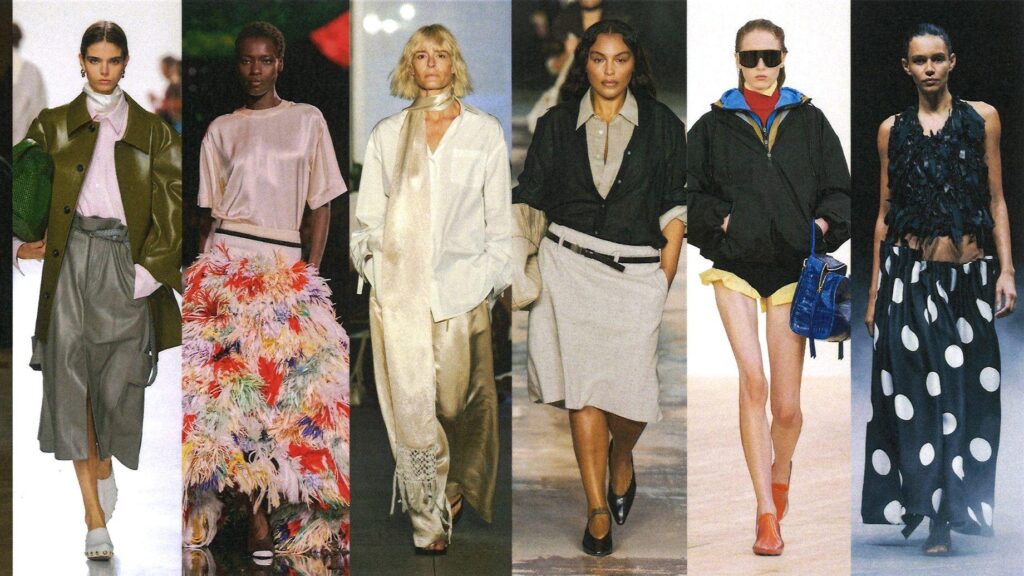
The clean girl aesthetic that emerged powerfully on social media over the past few years has evolved and matured into something that feels more genuinely sophisticated in 2026 than it did at its inception. What began as a particular social media look — slicked-back hair, glazed skin, neutral palette, the visual suggestion of someone who takes exceptional care of themselves — has become a genuine lifestyle sensibility that influences not just beauty choices but wardrobe choices, home aesthetics, and even the way people shop.
The clean girl summer of 2026 is not about looking pristine. It is about looking healthy. It is about the specific glow of someone who sleeps well, drinks enough water, moves their body, and wears clothing that works with their life rather than against it. This is an aesthetic that punishes the wrong fabrics mercilessly — a clean girl look in polyester falls apart immediately in heat — and rewards the right ones.
In practice, the clean girl summer wardrobe for 2026 is built almost entirely on the palette and fabric principles we have already discussed. Warm neutrals. Natural fibers. Silhouettes that breathe. A color story with one intentional accent rather than multiple competing statements. The beauty application that completes the look: SPF over well-moisturized skin, a light tinted product or skin tint for tone-evening, cream blush in a warm peachy-coral (ocean coral, conveniently, is the perfect blush tone for this aesthetic), one well-groomed brow, mascara or a simple liner, and a lip in a natural warm nude or soft rose.
The hair: here is where I think the 2026 clean girl summer diverges most interestingly from its earlier iterations. The extremely slicked-back bun that defined the original aesthetic has been softened into something with more texture, more movement, more of what I would call intentional imperfection. The low bun with a few escaped pieces around the face. The half-up style with gentle, natural waves. The textured air-dry that requires good product and healthy hair but no actual styling tools.
This evolution makes the aesthetic more achievable and, honestly, more beautiful. The rigidity of the early clean girl look sometimes tipped into severity. The 2026 version retains the elegance but adds warmth.
Summer Dressing Across the Decades: How Age Changes (and Doesn’t Change) What Works
I want to spend genuine time here because I think the conversation around dressing at different life stages deserves more honesty than it typically receives in fashion media. Too often, “dressing for your age” advice is either condescendingly restrictive — more coverage, less color, safer silhouettes — or performatively rebellious in a way that does not actually serve anyone. Neither approach is particularly useful.
What I actually believe, having thought about this seriously and observed women I admire across a range of ages: the principles of good dressing do not change with age, but their application does. The same fundamental questions — what fabrics work on my body in this climate, what silhouettes create the proportions I want, what colors make my skin look most alive — have different answers at 25 and at 55 and at 75. And the answers get sharper, more personal, more specifically one’s own as time passes.
For women in their twenties, summer 2026 offers tremendous freedom. The clean girl aesthetic and the quiet luxury direction are both genuinely flattering across a wide range of body types, and the palette is forgiving and versatile. The tendency at this life stage to follow trends very closely is understandable — fashion is one of the ways we experiment with identity — but the summer 2026 investment worth making is learning which fabrics genuinely work for your body and your lifestyle. That knowledge compounds.
For women in their thirties, summer dressing often converges with a life complexity that requires genuine practicality: work, travel, varying social contexts, possibly children. The capsule wardrobe framework works extraordinarily well at this stage. The palette and fabric trends of 2026 are designed for exactly the versatility this life stage requires — everything works with everything, the fabrics perform well across varied conditions, the silhouettes are polished enough for professional contexts and relaxed enough for weekends.
For women in their forties and beyond, the summer 2026 direction offers something I find genuinely wonderful: a fashion moment that rewards the preferences that tend to emerge with maturity. The preference for quality over quantity. The preference for fabrics that feel good rather than merely looking good in photographs. The preference for colors that are beautiful in sustained, real-life wear rather than just in a single visual moment. Quiet luxury and clean elegance are aesthetics that suit women who know themselves, and knowing yourself tends to deepen with time.
The specific outfit formulas that I see working beautifully on women over fifty in summer 2026: a flowing wide-leg linen trouser in warm white paired with a simple silk camisole and excellent flat sandals. A midi dress in a fluid natural fabric with a simple, uncluttered silhouette and a beautiful print or interesting color. A linen shirt dress belted at the waist with a simple leather belt — still one of the most flattering and versatile summer garments across all ages. A silk or high-quality cotton skirt in seafoam or lavender haze with a well-fitted, simple top in white or cream.
What makes these outfits work is not that they are conservative or age-appropriate in a limiting sense — it is that they emphasize the things that matter most: beautiful fabric, thoughtful proportion, a color story that makes skin look luminous.
Summer Occasions: Specific Outfit Thinking for the Moments That Matter
The abstract principles of summer dressing are useful, but at some point you need to get dressed for an actual thing, and that is where abstract principles become concrete choices. Let me think through the specific occasions that summer 2026 brings, and what I actually reach for.
The Rooftop or Garden Party
This is the occasion that summer dressing was invented for, and the summer 2026 palette serves it beautifully. A midi dress in lavender haze or butter yellow in a fabric with good drape and movement — cotton voile, a Tencel blend, silk crepe for those working with a larger budget. Gold jewelry, minimal but present: one interesting earring or a collection of delicate chains. Low-heeled mules or strappy sandals that are actually walkable. A raffia or woven bag that says summer evening without trying too hard.
The hair for this occasion: deliberately beautiful but not overdone. A low bun with a few escaped pieces. Loose waves if your hair does that naturally. The point is that you look like you took a pleasant amount of care — not that you struggled for an hour.
The Work Meeting in Summer
The challenge is real: looking genuinely professional while surviving the physics of hot weather. The solution I keep returning to: unstructured linen blazer over a silk camisole with wide-leg trousers in a complementary neutral. The blazer is the professional signal; the camisole means you can remove the blazer when you leave the office and remain perfectly respectable. The linen breathes. The silk feels luxurious rather than sweaty. The wide-leg trouser in warm white or pale stone creates a polished, elongated silhouette.
Shoes: low-heeled mules in leather or simple pointed-toe flats. Bag: a structured leather tote that functions as both professional accessory and actual workbag.
The Weekend Afternoon
The most forgiving occasion and in some ways the most revealing — how a woman dresses when she has no professional requirement to meet says something about her actual aesthetic sensibility. My weekend afternoon summer formula: wide-leg linen trousers in warm white, a tucked-in linen or cotton blouse in one of the season’s accent colors, flat sandals, a straw or raffia bag, simple gold jewelry, hair however it lands. This outfit costs almost no effort to produce and looks completely intentional. That is the ideal ratio.
The Dinner Out
The slip dress is my answer here, and I think it is the right one for summer 2026. A bias-cut slip dress in silk or a high-quality Tencel silk in warm white, dusty rose, or champagne — worn with minimal jewelry, strappy sandals with a small heel, and a simple clutch or small leather bag. This is an outfit that is simultaneously the easiest to put on and the most elegant to wear. It moves beautifully in warm evening air. It photographs beautifully in candlelight and in the warm glow of a summer evening. It requires almost no styling knowledge to execute correctly.
The one non-negotiable: the fabric must be right. A slip dress in cheap polyester satin is a completely different garment — and completely different experience — from a slip dress in real silk or a quality alternative. This is precisely the scenario where the hand-test matters most. Feel the fabric before you commit.
Building a Summer 2026 Capsule Wardrobe: The Definitive Framework
The capsule wardrobe concept has been discussed so extensively over the past decade that it risks sounding like a cliché — but the reason it keeps returning to the conversation is that it keeps working. A thoughtfully built capsule eliminates morning decision fatigue, ensures that everything you own integrates with everything else you own, and creates a consistent aesthetic identity that reads as genuinely personal rather than trend-assembled.
For summer 2026 specifically, here is the framework I am working with and recommending to women whose wardrobes I know well.
The absolute non-negotiables: one or two pairs of excellent wide-leg trousers in natural fiber (warm white linen is the primary; a soft neutral like stone or pale sage as secondary). One simple, well-fitting slip dress in a quality fabric. One linen blazer in warm white or pale neutral that functions as both professional layer and casual elevated piece. One white dress — the non-negotiable summer romantic. Two or three simple, excellent camisoles or tanks in neutral tones.
The accent pieces that make it feel like yours: one piece in butter yellow (blouse or dress). One piece in the color that makes your skin look most beautiful from the 2026 palette (for most women, this will be either coral, lavender haze, or seafoam green — try them against your skin in natural light). One piece with genuine personality — a print, a texture, a detail that makes you feel specifically like yourself.
The shoes: one pair of flat sandals, genuinely excellent, that can walk all day. One pair of heeled or platform sandals that can actually be worn for an evening. One pair of white sneakers.
The bags: one raffia or woven bag for daytime. One structured leather bag in neutral for evenings and work.
The jewelry: a collection of simple gold chains. One interesting earring — sculptural, interesting, the piece that asks to be noticed. One delicate everyday ring or bracelet.
This is fifteen to twenty items. Worn in rotation, in combination, with the creativity that comes from knowing each piece intimately — this is a wardrobe that covers essentially everything summer requires without the overwhelm of choice or the guilt of things unworn.
The Final Thought: Why This Summer Feels Different
I have been thinking about why summer 2026 feels different to me than recent summers, and I think it comes down to something that is hard to quantify but easy to feel: this is a season in which the trends and the practical realities of wearing clothes in summer heat are finally, properly aligned.
The color palette is beautiful in the sustained, everyday way that matters when you are actually living your life rather than curating it. The fabric conversation — the genuine, science-backed elevation of natural fibers — has reached the mainstream in a way that means genuinely good options are available at more price points than ever. The aesthetic direction of quiet luxury and clean, considered elegance rewards investment of attention rather than investment of money alone.
The woman who dresses well this summer will be the woman who chose things she actually loves, in fabrics that actually work in heat, in colors that make her feel most like herself. That is not a revolutionary insight. But it is the truth, and this summer, it happens to align perfectly with where fashion actually is.
Go find your butter yellow linen blouse. Go touch the fabric before you buy it. Go build the summer wardrobe that makes you look forward to getting dressed — even in July, even at 8 a.m., even in the heat.
You deserve to feel beautiful all summer long.