
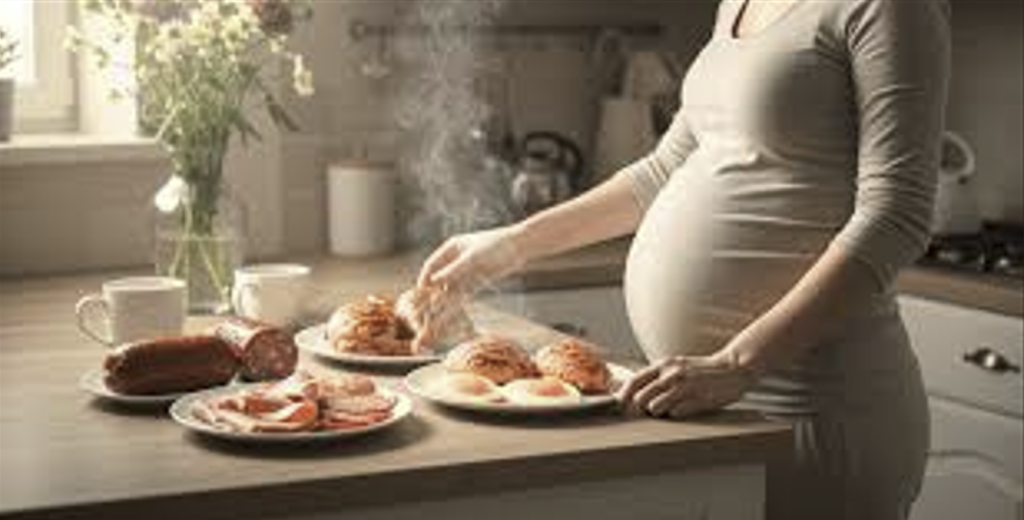
By a woman who has been there, Googled everything at 2am, and lived to tell the tale.
There is a particular kind of overwhelm that sets in the moment you see those two lines appear on the test. It’s equal parts joy and terror and wonder, and somewhere in the middle of all of that, someone will inevitably hand you a list — or twelve — telling you exactly what you should and should not be putting into your body for the next nine months.
I remember standing in my kitchen the morning after I found out I was pregnant, staring into the fridge with a kind of paralysis I had never felt before. I’d always been relatively health-conscious. I knew my way around a farmers’ market, I kept Greek yogurt stocked, I had strong opinions about olive oil. And yet, suddenly, I had no idea what to eat for breakfast. Was smoked salmon fine? Were there eggs in this dressing? Could I have one more coffee or was I already a terrible mother?
The internet, as it so often does, made things worse before it made them better. Every website contradicted the last. Every forum thread devolved into someone telling someone else they were doing it wrong. And most of the official guidance felt so clinical and stripped of any warmth or nuance that I ended up closing twenty tabs and eating plain toast out of sheer defeat.
So this is the guide I wish I’d had. Not a lecture. Not a scare piece. A real, honest, thoughtful conversation about food during pregnancy — what to embrace, what to avoid, what those extra calories actually look like in practice, and how to eat in a way that feels nourishing rather than stressful. Because growing a person is extraordinary work, and you deserve information that actually helps.
First, Let’s Talk About the Bigger Picture
Before we get into specifics, I want to say something that took me a while to genuinely believe: pregnancy nutrition doesn’t need to be perfect. It needs to be good enough, consistently. There is a real and important difference between those two things.
The pressure on pregnant women to eat flawlessly — to somehow transform overnight into a person who meal-preps colour-coded bento boxes and never so much as glances at a crisp — is not only unrealistic, it’s actively counterproductive. Because food guilt is its own kind of stress, and stress is genuinely not great during pregnancy.
What your body actually needs is a broad, varied, nutrient-dense eating pattern. Whole foods as the foundation, with room for real life around the edges. If you had a biscuit with your tea, you did not poison your baby. If you craved chips at eleven weeks because everything else made you nauseous, you survived. And if you’re reading this in the early weeks wondering how on earth you’re supposed to eat leafy greens when the smell of anything green makes you gag — you are not alone, and we will get to that.
The foundation, though? It genuinely matters. What you eat during pregnancy supports not just your own energy, bone density, blood health, and immune function — it also forms the building blocks for your baby’s organs, brain, eyes, and cells. That’s not said to frighten you; it’s said to make the effort feel meaningful, which it is.
The Foods Your Body (and Baby) Will Love You For
Let’s start with the good stuff — the foods worth genuinely celebrating during pregnancy, the ones you’ll want to build your meals around and reach for when you’re not sure what to cook.
Oats and Wholegrains: The Unsung Heroes of the First Trimester
If there is one food that saw me through the worst of early pregnancy nausea, it was oatmeal. Plain, with a little honey and some sliced banana. Unfussy, warm, deeply comforting. But beyond the emotional support oats offer a queasy pregnant woman, they are genuinely nutritionally excellent.
Oats are rich in complex carbohydrates that release energy slowly, which matters enormously when you’re exhausted in ways you didn’t previously think were possible. They contain iron, which becomes increasingly important as your blood volume expands during pregnancy. They have soluble fibre, which helps with the constipation that pregnancy has an unfortunate tendency to cause. And they contain B vitamins, including folate, which is essential in the early weeks when your baby’s neural tube is forming.
The broader category of wholegrains — brown rice, whole wheat bread, farro, barley, quinoa — follows the same principle. They give you sustained energy without the blood sugar spikes and crashes that refined carbohydrates tend to produce, and they contain a far richer profile of vitamins and minerals than their white, processed equivalents.
In 2026, the wholefood movement and the quiet luxury aesthetic have converged in a beautiful way around cooking: slow, considered, from-scratch meals are back in full cultural favour. Your oat bowl, your grain salad, your proper homemade soup — these aren’t boring or backward. They’re the epitome of intentional, elevated eating.
Leafy Greens: Your Greatest Nutritional Allies
Spinach. Kale. Watercress. Rocket. Swiss chard. The dark, leafy greens are among the most nutrient-dense foods available to us, and during pregnancy, they become genuinely irreplaceable.
Here’s what you’re getting every time you eat a handful of spinach: folate, which as mentioned is critical for preventing neural tube defects — particularly in the first trimester, though it remains important throughout. Iron, the kind that your body can absorb more readily when paired with a source of vitamin C (squeeze lemon over your greens; it genuinely makes a difference). Calcium, which supports your baby’s developing bones while protecting your own. Vitamin K, essential for blood clotting and bone health. Vitamin C, which boosts immune function and helps with iron absorption. Fibre, magnesium, and a host of antioxidants.
If you’re someone who finds raw greens genuinely unpleasant, or if the smell or texture is troubling you during nausea-heavy weeks, cooked greens are just as good. Wilted spinach in a pasta, kale stirred through a soup, broccoli roasted with olive oil and garlic until the edges go crispy — all of it counts. You don’t have to eat a salad to get the benefits.
Something I found helpful: once my appetite returned properly in the second trimester, I started treating greens less as an obligation and more as a canvas. A beautiful bowl of greens with poached eggs, avocado, and some seeds feels genuinely luxurious. It’s the kind of meal that photographs well, tastes wonderful, and happens to be exactly what your body needs. The clean girl aesthetic that’s been all over Pinterest for the past couple of years got a lot right about this: when you present healthy food beautifully, you actually want to eat it.
Lean Proteins: Building Your Baby’s Everything
Protein during pregnancy is not optional. Your body uses it to build and repair tissue — yours and your baby’s. Your baby’s vital organs, muscles, and the very cells that make up their growing body are constructed from the amino acids protein provides. As pregnancy progresses and your baby grows rapidly, your protein needs increase accordingly.
The best lean protein sources are varied and genuinely delicious when treated well. Chicken breast and turkey are both excellent — versatile, easy to cook, and endlessly adaptable. Eggs, which deserve their own section and will get one shortly. Beans and lentils, which are among the most underrated ingredients in any pregnant woman’s kitchen. Fish — within the safe guidelines we’ll discuss. And for those who eat it, lean beef in moderation provides not just protein but also highly bioavailable iron and zinc.
Variety is key here, both for nutritional completeness and for the sanity of not eating the same thing every day for nine months. A lentil soup one day, a chicken stir-fry the next, eggs for Sunday brunch. This is how healthy eating during pregnancy can feel genuinely pleasurable rather than regimented.
The Extraordinary Egg
If there is a single food I would prescribe to every pregnant woman without hesitation, it would be the egg. Whole eggs are among the most nutritionally complete foods that exist. A single egg contains protein, healthy fats, vitamin D, vitamin B12, selenium, and choline — a nutrient that many people have genuinely never heard of, but which is critically important for brain development and cognitive function in the growing baby.
Choline is one of those nutrients that tends to fly under the radar even in official pregnancy guidance, but the research is clear: adequate choline intake during pregnancy supports healthy brain development and may reduce the risk of certain developmental conditions. Eggs are one of the best dietary sources available.
The caveat — and it’s the one that trips people up — is that eggs must be fully cooked during pregnancy. No runny yolks, no raw eggs in dressings or desserts. The risk of salmonella, while not enormous, is real, and the consequences during pregnancy are more serious than they would otherwise be. But a properly poached egg, a hard-boiled egg, a scrambled egg — still perfect, still delicious, still one of the best things you can eat.
Salmon and Oily Fish: Brain Food, Literally
The omega-3 fatty acids found in salmon, mackerel, sardines, and trout — specifically the long-chain varieties DHA and EPA — are essential for your baby’s brain and eye development. The brain is largely composed of fat, and DHA is one of its primary building blocks. Adequate intake during pregnancy has been linked to better cognitive outcomes for children, and there is simply no plant-based source that delivers these fatty acids with the same efficiency as oily fish.
The guidance around fish during pregnancy involves a little nuance, which we’ll address when we discuss what to avoid. But salmon — particularly wild-caught or high-quality farmed — is firmly in the safe and highly recommended category, and it’s also one of the most elegant proteins you can put on a dinner table. Roasted with herbs, baked with lemon, or seared simply in a pan with good olive oil, salmon feels like restaurant food even when you made it in twenty minutes on a Tuesday night.
Aim for two to three portions of oily fish per week, within the guidelines. If you genuinely can’t stand fish, a high-quality prenatal supplement containing DHA is a reasonable alternative — worth discussing with your midwife or doctor.
Avocado: The Pregnancy Superfood That Actually Deserves the Hype
Not all superfoods earn the title. Avocado, during pregnancy, genuinely does.
Avocados are rich in monounsaturated fats — the same heart-healthy fats found in olive oil — which support the absorption of fat-soluble vitamins. They contain folate, potassium (more than a banana, as it happens), vitamin K, vitamin E, and a good amount of fibre. They are one of the few foods that provides a broad sweep of pregnancy-important nutrients in a single, very delicious package.
The healthy fats in avocado also help you feel full and satisfied, which matters during a time when your energy needs are changing and your relationship with hunger can become unpredictable. Add half an avocado to breakfast, spread it on toast, slice it into salads, blend it into a smoothie if you’re feeling adventurous. In 2026, the avocado is still very much having its moment — and rightly so.
Greek Yogurt and Dairy: Calcium Without Compromise
Calcium is one of the nutrients that your body will simply take from your own bones if your diet doesn’t supply enough of it — because your baby’s skeletal development takes precedence, biologically speaking. This is a compelling argument for making sure your calcium intake is genuinely adequate throughout pregnancy, not just theoretically.
Full-fat Greek yogurt is one of the best calcium sources you can eat, and it comes with the added benefits of high-quality protein and live cultures that support gut health. The gut microbiome during pregnancy influences not just your own digestion but also your immune function and, emerging research suggests, your baby’s developing microbiome too.
Dairy more broadly — full-fat milk, good cheese (more on the cheese guidelines below), butter — is not the enemy it was sometimes made out to be. During pregnancy especially, the full-fat versions of dairy products are often preferable: they’re more satisfying, and the fat aids in the absorption of fat-soluble vitamins.
A daily bowl of Greek yogurt with berries and a spoonful of nut butter is one of those meals that feels like a treat, nourishes you genuinely deeply, and takes about four minutes to assemble. In the exhausted haze of the third trimester, this matters more than you might think.
Berries: The Small Fruits That Punch Enormously Above Their Weight
Blueberries, strawberries, raspberries, blackberries — all of them are excellent during pregnancy, and all of them happen to be among the more manageable foods to eat when nausea has made life difficult, because they’re small, mild, slightly sweet, and cold.
Beyond their palatability in difficult times, berries are exceptional sources of antioxidants — compounds that protect cells from oxidative stress. They’re high in vitamin C, which as mentioned supports iron absorption. They contain fibre, which eases digestion. They have anti-inflammatory properties. And they are, by any reasonable measure, genuinely delicious.
In the current era of considered, beautiful eating — the kind you see in the accounts of women who live in light-filled apartments and seem to approach food with both pleasure and intelligence — berries appear constantly. They belong on your yogurt, in your smoothie, on your oatmeal, and eaten by the handful straight from the punnet, which is the kind of eating that requires no recipe and no effort and is sometimes exactly what a tired pregnant woman needs.
Beans, Lentils, and Legumes: The Underrated Powerhouses
I want to make a case for beans and lentils, because I think they are among the most undervalued foods in Western diets and particularly underused by pregnant women who may be avoiding meat for some meals but still need substantial protein.
Lentils contain impressive amounts of protein, folate, iron, and fibre. A bowl of lentil soup gives you a meaningful proportion of your daily folate and iron needs in a single, warm, filling meal. Chickpeas, black beans, kidney beans — all similarly rich in protein and fibre, all deeply satisfying, all very budget-friendly in a period of life when you may be thinking about future finances more than usual.
The fibre content of legumes also makes them quietly brilliant for the digestive sluggishness that pregnancy is known to cause. Keeping things moving, so to speak, is genuinely important for comfort, and beans do this better than almost any other food.
Nuts and Seeds: Tiny Things, Enormous Nutrition
A small handful of almonds, walnuts, or cashews. A spoonful of ground flaxseed stirred into yogurt. A sprinkle of pumpkin seeds over a salad. These small additions add up to meaningful nutritional value over the course of a pregnancy.
Walnuts in particular are notable for their plant-based omega-3 content. Almonds are an excellent source of vitamin E and calcium. Pumpkin seeds are high in zinc and magnesium. Chia seeds and flaxseeds contain alpha-linolenic acid, a plant-based omega-3 that the body can partially convert to DHA.
The B vitamins found in whole grains, nuts, and seeds are worth highlighting specifically: they play a role in reducing the risk of certain pregnancy complications and developmental differences, and they support your own nervous system through the physical and emotional demands of this period.
Nuts and seeds also represent the ideal pregnancy snack: calorie-dense enough to actually sustain you, rich in healthy fats and protein, portable, and requiring exactly zero preparation.
Sweet Potatoes: Humble, Beautiful, Essential
Sweet potatoes are one of the best sources of beta-carotene available to us, and beta-carotene is what the body converts into vitamin A. Vitamin A is not optional during pregnancy — it is critical for cell growth, immune function, and the development of your baby’s organs, skin, and vision.
Beyond vitamin A, sweet potatoes provide complex carbohydrates for sustained energy, fibre, potassium, and vitamin C. They are also, genuinely, one of the most comforting foods to eat when you’re tired and craving something warm and sweet without wanting sugar. Roasted, mashed, baked whole, or turned into soup — sweet potatoes are endlessly versatile and deeply satisfying.
In the visual language of the moment, the rich orange of a sweet potato is the kind of natural colour that feels both nourishing and beautiful. There is a reason it appears so often in the aesthetic of women who approach wellness with genuine intention.
Water: The Most Important Thing You’ll Consume
I’ve saved this for last in the section because I want it to land properly, not get lost in a list: water is the single most important dietary priority of pregnancy. Not a supplement, not a superfood, not a special drink. Plain water.
During pregnancy, your blood volume increases by around fifty percent. Your kidneys are filtering for two. Your baby is surrounded by amniotic fluid that needs to be constantly replenished. Your digestion slows and benefits from hydration to keep things moving. Your skin, joints, and cells all require water to function optimally.
The recommendation — eight to twelve glasses of water daily during pregnancy — sounds like a lot, but it becomes manageable when you think of it as a constant, gentle habit rather than a goal to hit all at once. A large glass first thing in the morning. A glass with every meal and snack. A bottle at your desk. Water with lemon if plain water bores you. Herbal teas count. The occasional coconut water is a lovely option.
Adequate hydration reduces swelling in the legs and ankles — one of the more uncomfortable features of late pregnancy. It decreases constipation. It supports energy levels. It lowers the risk of urinary tract infections, which pregnant women are more susceptible to. And some research suggests good hydration may reduce the risk of preterm labour. Drink your water. Carry a beautiful bottle if it helps — we’re all susceptible to the glass-bottle-on-the-desk aesthetic, and if it makes you drink more water, it’s doing its job.
How Much Should You Actually Be Eating?
This is the question I got wrong for a while, partly because the cultural narrative around pregnancy eating is so wildly conflicting. On one side: “you’re eating for two!” used to justify eating absolutely anything. On the other: a sort of anxious minimalism that treats any weight gain as something to manage and contain.
The reality is considerably more measured than either extreme.
During the first trimester — the first three months — your caloric needs are essentially unchanged from before pregnancy. Your baby is very small at this stage, and while the work your body is doing internally is enormous (which is why you’re so exhausted), it doesn’t require extra fuel in the form of additional calories. Focus on quality rather than quantity in these early months. Eat when you’re hungry, stop when you’re satisfied, and do your best to prioritise the nutrient-dense foods above even when nausea is making that challenging.
During the second trimester — months four through six — your caloric needs begin to increase slightly, but the standard guidance of “an extra 300 calories” that you may have read is worth unpacking. Three hundred calories is not very much: it’s a small pot of Greek yogurt with some nuts, or a medium sweet potato with a boiled egg. The point is that the increase is genuinely modest, and it should come from nutritious foods, not simply from eating more of everything.
During the third trimester — the final three months — the additional calorie requirement increases to approximately 200-300 calories per day above your pre-pregnancy baseline. By this point your baby is growing rapidly, and your body is working hard to prepare for birth. This is when you may find your hunger genuinely intensifies, and when listening to your body becomes particularly important. Honor the hunger. Feed it well.
Throughout all of this: remember that every woman is different, that activity levels vary enormously, and that these are guidelines rather than rules. A woman who was running half-marathons before pregnancy will have different caloric needs from a woman who has been advised to rest. Work with your midwife or doctor to understand what’s right for your specific situation.
Foods to Avoid During Pregnancy — The Real, Honest List
Now for the part that feels more like a restriction, though I’d encourage you to reframe it as temporary, protective caution. The foods to avoid during pregnancy fall into two main categories: those that carry a risk of bacterial contamination, and those that contain toxins or substances that can harm a developing baby. Neither category is arbitrary.
High-Mercury Fish
Mercury is a neurotoxin that accumulates in large, long-lived fish species — those at the top of the ocean food chain. It crosses the placenta, and at high levels it can affect the developing nervous system of a growing baby. The fish to avoid during pregnancy are swordfish, marlin, shark, and king mackerel — varieties that most of us don’t eat particularly often anyway.
Tuna requires a little more nuance: fresh tuna and canned tuna are treated differently in the guidance. In the UK, for example, the recommendation is to limit fresh tuna to two steaks per week and canned tuna to four cans per week. The specific guidance varies by country, so it’s worth checking the advice from your local health authority.
The important takeaway is that the advice is not to avoid all fish — quite the opposite. The omega-3 benefits of fish like salmon, sardines, trout, and mackerel are so significant that regular consumption is actively recommended. It’s specifically the high-mercury varieties that require avoidance.
Undercooked, Raw, and Processed Meats
Raw or undercooked meat carries the risk of several bacterial infections — including Salmonella, Listeria, and Toxoplasma — all of which can have serious consequences during pregnancy, including miscarriage, stillbirth, or developmental harm to the baby.
This means that meat needs to be cooked thoroughly: no pink in the middle, no rare steak, no medium-rare burger. It means avoiding raw cured meats like Parma ham, salami, and chorizo unless they’ve been frozen first (freezing reduces the risk of Toxoplasma). It means being cautious at restaurants and being particularly careful with chicken, which should always be cooked all the way through.
Processed meats — hot dogs, certain deli meats, some sausages — also require caution because of Listeria risk. If you do eat them, heat them until steaming.
This is genuinely one of the harder adjustments for meat-lovers, particularly if rare steak or charcuterie was a pleasure you previously enjoyed regularly. The nine months will pass. The occasions when you’ll be able to eat these things again will come back.
Raw and Undercooked Eggs
Raw eggs — in mayonnaise, mousse, some salad dressings, cookie dough, hollandaise sauce — carry Salmonella risk during pregnancy. In the UK, eggs with the British Lion mark are now considered safe to eat runny or raw due to vaccination programmes in laying hens; outside that context, caution applies. Check the guidance specific to your country.
Fully cooked eggs, as we’ve established, are excellent and very much encouraged. The adjustment is simply to make sure those eggs are fully cooked before eating.
Organ Meats
Liver, in particular, is extraordinarily high in preformed vitamin A (retinol) — so high that consuming it even once a week during pregnancy can push vitamin A intake to potentially harmful levels. Excess preformed vitamin A is teratogenic, meaning it can cause birth defects. This is a case of too much of a good thing causing genuine harm.
You can get all the vitamin A you need from the beta-carotene in sweet potatoes, carrots, and leafy greens — the plant-based form of vitamin A that the body regulates naturally. Liver and other organ meats are worth avoiding altogether during pregnancy, even if they’re ordinarily a nutritional staple for you.
Caffeine
I know. I’m sorry. This one genuinely hurts, and I say that as someone who considered excellent coffee one of the great pleasures of adult life.
The guidance on caffeine is not total abstinence, but it is strict: the recommended maximum during pregnancy is 200mg per day. A single shot of espresso contains around 60-70mg. A standard mug of filter coffee contains around 95mg. A mug of tea contains roughly 40mg. This means one modest coffee per day is generally considered within the safe limit; two strong coffees is not.
The reason for the restriction is that caffeine crosses the placenta, and the developing baby cannot metabolise it the way adults can. High caffeine intake during pregnancy has been associated with low birth weight and increased risk of miscarriage.
If coffee is a genuine fixture of your morning routine, switching to one small coffee per day and replacing the rest with good herbal teas or decaf is a manageable adjustment. And if decaf has improved dramatically in recent years — which it genuinely has — that’s worth knowing. A well-made decaf flat white from a good coffee shop is not the depressing compromise it once was.
Unpasteurised Milk, Cheese, and Juice
Unpasteurised dairy products — raw milk, certain soft and blue cheeses made from unpasteurised milk — can contain Listeria monocytogenes, a bacterium that causes listeriosis. In healthy adults, listeriosis causes flu-like symptoms. During pregnancy, it can cause miscarriage, premature birth, stillbirth, or serious illness in the newborn.
The cheeses to avoid specifically are soft mould-ripened varieties like Brie and Camembert, and blue-veined cheeses like Stilton and Gorgonzola, unless they are made from pasteurised milk and have been thoroughly cooked. Hard cheeses — cheddar, Parmesan, Gruyère — are safe, as are pasteurised soft cheeses like ricotta, mozzarella, and cream cheese.
This doesn’t mean you can’t eat cheese during pregnancy — it means you eat the safe varieties, which are extensive and delicious. A Parmesan-dressed salad, a mozzarella and tomato stack, a good sharp cheddar on your crackers — all fine, all wonderful.
Unpasteurised fruit juices are also worth avoiding, as they can occasionally harbour E. coli or other pathogens. Commercially sold juices are virtually always pasteurised; freshly pressed juices from markets or juice bars may not be.
Alcohol
This one is unambiguous: there is no known safe level of alcohol consumption during pregnancy. Alcohol crosses the placenta directly, and it can cause fetal alcohol spectrum disorders, which affect development, behaviour, and learning in ways that are permanent. The guidance from every major health authority is to avoid alcohol entirely during pregnancy.
This is the one item on the avoid list that carries no nuance, no “in moderation,” no country-specific variation. It’s a full stop.
Processed Junk Food
This category is worth addressing honestly, because the reality is that most women will eat some processed food during pregnancy — particularly during the first trimester, when nausea can make crackers and crisps the only things that seem manageable.
There’s no shame in that. But as a long-term dietary pattern, heavily processed foods are worth minimising during pregnancy for clear reasons: they tend to be high in salt, sugar, and unhealthy fats while providing little actual nutrition. They can cause blood sugar spikes and crashes that worsen fatigue and mood. And they can crowd out the nutrient-dense foods that you and your baby genuinely need.
The goal is not perfection. It’s a diet that is predominantly whole and nourishing, with space for real life around the edges. A packet of crisps is fine. A diet composed primarily of packaged, ultra-processed foods is worth improving where possible.
Eating Through the Trimesters: What Changes and What Stays the Same
Pregnancy is not one monolithic experience — it changes dramatically across the three trimesters, and your relationship with food changes along with it.
The first trimester is often the most challenging from an eating perspective. Nausea — which can strike at any hour of the day despite what its name suggests — can make even favourite foods completely unappealing. Strong smells become unbearable. The sight of raw meat may become temporarily impossible. This is normal, it is biological, and it will almost certainly pass.
During this phase, survival eating is legitimate eating. If plain toast and ginger tea is what you can manage, eat plain toast and ginger tea. If cold foods sit better than hot (which is common, since heat amplifies smells), eat cold foods. If you can only stomach certain safe versions of the good-for-you foods, lean into those. Oatmeal. Bananas. Yogurt. Plain crackers with nut butter. Cold smoothies with spinach hidden inside them.
The second trimester — which many women describe as the “sweet spot” of pregnancy — typically brings a return of appetite and energy. This is the ideal time to build really good nutritional habits, to cook properly again, to explore new vegetables and grains and proteins. Your bump is visible but not yet unwieldy. You feel, comparatively, like yourself again. Use this window well.
The third trimester brings its own challenges: as the baby grows, there is simply less room in your abdomen, which means large meals may feel uncomfortable or cause heartburn. The shift here is toward smaller, more frequent meals — eating every two to three hours rather than three large meals, keeping portions manageable, and paying attention to how different foods sit. Spicy food, acidic food, and very fatty meals may all aggravate reflux. Ginger and smaller portions may help.
A Note on Prenatal Supplements
Diet and supplements are not the same thing, and supplements cannot fully replace a varied, nutrient-dense diet. But they are an important part of pregnancy nutrition for reasons that are worth understanding.
Folic acid is the supplement with the most unambiguous evidence base: it should ideally be taken from before conception through at least the first twelve weeks of pregnancy, because it significantly reduces the risk of neural tube defects. The standard recommended dose is 400mcg daily. Women with certain medical conditions or risk factors may be advised to take a higher dose; this is worth discussing with your doctor.
Vitamin D is recommended throughout pregnancy, typically at 10mcg daily, because deficiency is very common — particularly in women who live in northern climates or spend limited time outdoors.
Iron may be recommended if a blood test shows low levels, which is common during pregnancy as your blood volume expands.
Iodine, DHA, and other nutrients are included in many comprehensive prenatal vitamins, which are worth taking throughout pregnancy as a nutritional safety net — not because your diet is inadequate, but because the demands of pregnancy are high and consistent coverage of key nutrients is genuinely valuable.
Talk to your midwife or doctor about what’s right for you. The supplement market is vast and variable in quality; a well-evidenced prenatal multivitamin from a reputable brand is generally a sensible choice.
Making It Work in Real Life
The gap between knowing what to eat and actually eating it, consistently, across nine months of physical change, fatigue, nausea, work, life, and the general chaos of modern existence is a real gap. Here is what genuinely helps.
Keep nourishing food accessible. This sounds simple but it’s transformative. If the good food is easy to reach — if the yogurt is at eye level in the fridge, if the nuts are in a bowl on the counter, if the washed fruit is visible — you will eat it. If it requires effort and the crisps don’t, you will eat the crisps. Set your environment up to make the good choices the easy choices.
Batch cook during good weeks. When energy and appetite align, make the most of it. A big pot of lentil soup. A tray of roasted vegetables. A batch of hardboiled eggs. These become the backbone of several effortless meals during the difficult days.
Have a backup repertoire. Know which meals you can make in ten minutes when you’re exhausted and hungry. Scrambled eggs with spinach. Yogurt with berries and nuts. A can of good-quality sardines on wholegrain toast. Frozen edamame with a piece of fruit. These are not glamorous, but they are genuinely good for you, and having them in your mental recipe box means you reach for them instead of something less nourishing.
Don’t moralize food. The language we use about eating — “clean,” “guilty,” “cheating” — is not neutral, and it’s particularly unhelpful during pregnancy. No single meal makes or breaks your baby’s health. Stress about eating is worse for you than eating imperfectly. Eat well most of the time, eat with pleasure, and don’t catastrophize the rest.
Trust your body. Pregnancy cravings are not simply the stuff of comedy sketches — they are often your body communicating genuine nutritional needs. Craving red meat may reflect low iron. Craving citrus may reflect a need for vitamin C. Craving cold foods during nausea may be your body’s way of managing smell sensitivity. You don’t have to follow every craving blindly, but it’s worth listening to what your body is telling you.
The Bigger Picture: Eating Well as an Act of Care
I want to close with something that took me a while to understand, and that I think gets lost in the noise of advice and lists and restrictions: eating well during pregnancy is an act of care for yourself as much as it is for your baby.
The way you nourish yourself during these nine months affects your energy, your mood, your ability to cope with the physical demands of pregnancy and eventually labour, and your recovery afterward. It affects your skin, your hair, your bone density, your immune function. Pregnancy is extraordinary and it is demanding, and you need to be fed properly to meet those demands.
The foods we’ve talked about — the oats and greens and salmon and eggs and avocado and berries and lentils and yogurt and water — these are not sacrifices. They are genuinely delicious things, prepared simply, eaten with intention. They are the kind of food that a person who values herself eats. They happen to be exactly what a growing baby needs too.
In the era of quiet luxury and considered living that defines where we are right now, there is something profoundly aligned between the aesthetics of slow, beautiful, whole-food cooking and the nutritional needs of pregnancy. The woman who chooses her food thoughtfully, who shops for good ingredients, who cooks simply and eats with pleasure, who drinks her water and rests when she needs to — she is not following a pregnancy diet. She is simply living well.
And that, at the end of all of this, is the point. Eat well. Drink your water. Take your supplements. Avoid the things that carry genuine risk. And trust that most of what you need to know, you already know. Your body is extraordinary. Feed it like it is.