
This isn’t going to be a quick list of three tips and a product recommendation. I want to actually sit with this topic the way I’d sit with a friend over coffee, talking through everything from the science of why lips chap in the first place to the small daily rituals that have completely changed my relationship with this tiny, often-overlooked part of my face. So settle in, because we have a lot of ground to cover, and I promise it’s more interesting than you’d expect a conversation about lip care to be.
Why Lips Are So Much More Fragile Than the Rest of Your Face
I think the first thing worth understanding, before we get into any actual rituals or routines, is why lips behave so differently from the rest of your skin in the first place, because once that clicks, so much of the rest of this conversation starts making intuitive sense rather than feeling like one more arbitrary beauty rule to follow.
The skin on your lips is genuinely unlike the skin everywhere else on your face. It’s thinner, for one thing, with far fewer layers than the skin on your cheeks or forehead, which means it has much less natural protection against environmental stress. It also doesn’t have the oil glands that the rest of your facial skin relies on to stay naturally moisturized, which is exactly why lips dry out so much faster and so much more dramatically than anywhere else, especially the moment the weather turns even slightly harsh. And because lips don’t contain melanin in any meaningful concentration, they’re also more vulnerable to sun damage than people generally realize, lacking that natural pigment-based protection that the rest of our skin has at least some baseline access to.
Put all of that together and you start to understand why lips chap, crack, and feel uncomfortable so much more easily and so much more often than the rest of your face does, even when you’re doing everything right with your broader skincare routine. They’re simply working with less natural protection from the very start, which means they need more deliberate, more consistent care to stay genuinely comfortable and healthy rather than just superficially covered up with whatever balm happens to be in your bag that day.
I think understanding this also reframes lip care as something a little more serious than the purely cosmetic afterthought it’s often treated as. This isn’t just about how your lips look in photos, lovely as that side benefit genuinely is. It’s about caring for skin that’s structurally more vulnerable and more exposed than almost anywhere else on your body, which deserves real, consistent attention rather than the occasional emergency application of balm only once things have already gotten uncomfortable.
I think it’s also worth noting how much lips move throughout an ordinary day, far more than most other areas of skin on your body, constantly stretching and folding as you talk, eat, drink, and smile. That constant motion means any small crack or area of dryness gets reopened and aggravated again and again throughout the day in a way that skin elsewhere, sitting relatively still by comparison, simply doesn’t experience to the same degree. This is part of why lip discomfort can feel so persistent and so difficult to fully resolve compared to dryness anywhere else, and why genuinely consistent care, rather than occasional attention, matters so much more here than it might for other parts of your face.
The Mistakes I Made for Years Without Even Realizing It
Before I walk you through what actually works, I want to be honest about everything I got wrong for years, because I think a lot of women are quietly making these same mistakes without realizing it, the same way I did, simply because nobody ever sat down and explained the actual mechanics of lip care in a way that made sense.
My biggest mistake, by far, was licking my lips constantly whenever they felt dry, which I now understand is almost the worst possible response to chapped lips, however instinctive and soothing it genuinely feels in the moment. Saliva evaporates incredibly quickly once it hits the air, and as it evaporates, it actually pulls existing moisture out of your lips along with it, leaving them drier than they were before you licked them at all. It’s a genuinely vicious cycle — dry lips prompt licking, licking provides a few seconds of relief followed by even more dryness, which prompts more licking, and around and around it goes, often for years, without most of us ever connecting the habit to the problem it’s actively making worse.
My second mistake was treating lip balm purely reactively rather than as part of an actual, consistent routine. I’d only reach for it once my lips already felt uncomfortable, cracked, sometimes even slightly painful, rather than applying it proactively as basic, regular maintenance the way I’d never dream of skipping moisturizer on the rest of my face for days at a time. By the time I finally did apply something, I was essentially trying to repair damage that had already happened rather than preventing it from happening in the first place, which is a far less effective, far slower way to keep lips genuinely healthy.
My third mistake, and probably the one that took longest to unlearn, was picking and peeling at any flaking, dry skin I noticed on my lips, almost compulsively, the way some of us pick at any small imperfection we can feel under our fingertips. This habit genuinely damages the delicate skin underneath, sometimes leading to small cracks or even minor bleeding, and creates a cycle of irritation and healing that keeps lips in a near-constant state of repair rather than ever reaching genuine, settled comfort.
I share all of this not to make you feel bad if you recognize any of these habits in yourself, because I promise I’m not writing from some position of having always known better. I share it because I think recognizing these patterns honestly is the first real step toward building something better in their place, and because I genuinely believe most chronic lip discomfort comes down to a handful of small, fixable habits rather than some unsolvable, permanent condition you’re simply destined to live with.
There was also a fourth habit I’m slightly embarrassed to admit, which was reaching for whatever balm happened to be closest, often a heavily fragranced or flavored version that, in retrospect, was probably contributing to some of my ongoing irritation rather than soothing it. Certain fragrance and flavor additives, while pleasant in the moment, can genuinely sensitize already-delicate lip skin over time, especially with the kind of frequent, repeated application that lip balm naturally invites. I switched eventually to fragrance-free, simpler formulas for my daily, all-day use, reserving anything more elaborately scented or flavored for occasional treats rather than constant, repeated exposure, and noticed a genuine improvement in how settled and calm my lips felt even before I’d made any other changes to my broader routine.
Building a Morning Lip Care Ritual That Actually Sticks
I’ve written at length elsewhere about morning skincare rituals, and I think lip care deserves a similar, deliberate place within that same morning routine rather than existing as some separate, occasional afterthought you only remember on the worst, most chapped days. Once I started treating my lips as genuinely part of my face, deserving the same consistent morning attention as everywhere else, the whole problem of chronic dryness and discomfort largely resolved itself, gradually, over the course of a few consistent weeks.
My own morning lip ritual happens right alongside the rest of my skincare, in that same quiet, candlelit handful of minutes I’ve described before. After cleansing, while my skin is still slightly damp, I’ll gently apply a hydrating lip balm, something with a genuinely nourishing texture rather than the thin, waxy formulas that sit on top of the skin without actually penetrating or hydrating in any meaningful way. I think of this step the same way I think of moisturizing the rest of my face — not a luxury, not an occasional treat, but basic, daily maintenance that keeps everything functioning the way it’s supposed to.
If I’m planning to wear lipstick or a tinted balm that day, I’ll let this initial hydrating layer absorb for a minute or two before applying any color on top, the same patience I’ve learned to extend to the rest of my face before layering makeup over freshly applied skincare. Lips that are properly hydrated underneath hold color so much more evenly and comfortably than lips that are dry and flaking, with color settling into every crack and rough patch in a way that looks far less polished than smooth, well-prepared lips ever do.
This entire ritual adds maybe thirty seconds to my existing morning routine, and I think that’s worth emphasizing, because I know how easy it is to assume that adding one more step to an already full morning means adding meaningful time or effort. In reality, once lip care becomes a genuine habit rather than something you have to consciously remember, it folds seamlessly into everything else you’re already doing, the same automatic, barely-noticed gesture as reaching for your moisturizer or your sunscreen.
The Exfoliation Step Nobody Talks About Enough
I think gentle lip exfoliation might be the single most underrated step in this entire conversation, the one that made the most dramatic, visible difference once I actually started incorporating it consistently rather than treating it as an occasional special-occasion treatment reserved for particularly bad chapped-lip emergencies.
Dead skin cells accumulate on lips just as they do everywhere else on your face, but because lips lack the same natural exfoliation process that oilier, more active facial skin benefits from, that buildup tends to be more visible and more uncomfortable here than almost anywhere else. This is exactly why lips can look dry and flaky even when you’re applying balm consistently — the balm is sitting on top of dead, accumulated skin rather than actually reaching the smoother, healthier skin underneath, which means it’s providing surface-level comfort without addressing the actual texture issue causing the problem in the first place.
I exfoliate my lips gently, maybe two or three times a week, never more aggressively than that because over-exfoliation can genuinely damage the already-delicate skin in this area faster than almost anywhere else on the body. A soft, gentle scrub, often something as simple as a damp washcloth moved in small, light circles, or a dedicated lip scrub with a genuinely fine, gentle texture, does the job beautifully without requiring anything harsh or aggressive. I’ll do this step in the shower, where the steam has already softened everything slightly, making the whole process feel more like a small, pleasant ritual than an abrasive chore.
The difference this makes to how lipstick and lip balm both perform afterward is honestly dramatic. Color glides on so much more smoothly across genuinely exfoliated lips, settling evenly rather than catching on rough patches and emphasizing exactly the texture you were hoping to disguise. And balm absorbs so much more effectively too, actually reaching and hydrating the fresh skin underneath rather than sitting uselessly on top of a layer of dead skin that was always going to flake away regardless of how much product you piled on top of it.
Why SPF Belongs on Your Lips, Not Just Your Face
I touched on this earlier when explaining why lips lack natural sun protection, but I want to come back to it more deliberately, because I think it’s genuinely one of the most overlooked pieces of this entire conversation, and one I wish got discussed with the same urgency that facial sunscreen now reasonably receives.
Lips are exposed to the same UV radiation as the rest of your face every single day, rain or shine, regardless of season, and because they lack the natural melanin-based protection that the rest of your skin has at least some access to, they’re arguably even more vulnerable to that cumulative sun damage over time. I think a huge number of women apply sunscreen diligently to their cheeks and forehead every morning while completely neglecting the exact same protection for their lips, simply because lip-specific SPF products haven’t historically been marketed or discussed with anywhere near the same urgency as facial sunscreen.
The good news is that finding a genuinely pleasant lip product with SPF built in has become so much easier over recent years as the broader beauty industry has slowly caught up to this gap, and there are lovely, lightweight, genuinely enjoyable-to-wear formulas available now that don’t carry the thick, chalky, unpleasant texture that used to make this step so easy to skip. I keep one in my bag at all times, applying it the same way I’d reapply facial sunscreen throughout a sunny day, particularly if I’m spending any real time outdoors, whether that’s a beach day, a long walk, or simply running errands on a particularly bright afternoon.
I think this step deserves the same non-negotiable status I gave facial sunscreen when writing about morning skincare. Sun damage to lips contributes to the same kind of long-term dryness, loss of natural softness, and uneven texture that sun damage causes everywhere else, and it’s so much easier to prevent consistently than to address after years of accumulated, unprotected exposure.
Hydration From the Inside: What Your Lips Are Quietly Telling You
I think it’s worth talking honestly about how much of lip health actually starts well before any topical product ever touches your skin, because I genuinely believe this is one of the most underappreciated pieces of the entire conversation. Chronically dry lips are sometimes less about what you’re applying and more about your body’s overall hydration status, something no amount of balm, however excellent, can fully compensate for if the underlying issue is simply not drinking enough water throughout your actual day.
I noticed this most clearly during a particularly demanding stretch of work travel a couple of years ago, when my lips stayed stubbornly dry and uncomfortable no matter how diligently I applied balm, no matter how gently I exfoliated, no matter what I changed about my external routine. It wasn’t until I actually paid attention to how little water I’d been drinking during all those rushed airport days, relying mostly on coffee and the occasional sparkling water grabbed between gates, that the actual pattern became obvious. Once I started genuinely prioritizing water intake again, my lips settled back into their normal, comfortable texture within just a few days, faster than any topical change alone had managed during that entire stressful stretch.
I’m not going to pretend there’s some magic number of glasses everyone should be drinking, because individual hydration needs genuinely vary based on body size, activity level, climate, and a dozen other factors that make blanket numerical advice somewhat unhelpful in practice. But I do think it’s worth treating chronically dry, uncomfortable lips as a potential signal worth listening to, the same way I’ve learned to treat other small physical cues as information rather than simply annoyances to be covered up and ignored. If your lips stay dry despite a genuinely consistent topical routine, it might be worth honestly assessing whether your broader hydration habits, not just your lip balm, deserve some attention too.
The Seasonal Lip Care Shifts That Actually Matter
Just as I’ve written about adjusting skincare and even fragrance with the changing seasons, lip care genuinely benefits from the same kind of seasonal awareness rather than a single, fixed routine applied identically through every single month of the year regardless of what the weather outside is actually doing to your skin.
Winter is, without question, the season that asks the most from your lip care routine, and for good reason. Cold air holds dramatically less moisture than warm air, and indoor heating, while keeping you comfortably warm, simultaneously strips even more moisture from the air around you, creating a genuinely harsh environment for already-vulnerable lip skin. I lean into richer, more deeply nourishing balm formulas during these months, often layering a thicker overnight treatment before bed in addition to my regular daytime applications, treating winter lip care with the same increased intensity I bring to the rest of my winter skincare routine.
Summer brings its own particular challenges, even though the air itself tends to be more humid and forgiving than winter’s harsh dryness. Sun exposure becomes the bigger concern during these months, which is exactly why that SPF habit I mentioned earlier matters so much more urgently once warmer weather and longer days arrive. I also find myself reapplying balm more frequently in summer, partly because of increased outdoor time and sun exposure, and partly because swimming, whether in chlorinated pools or salt water, can genuinely dry out lips in ways that surprise people who assume only cold weather causes that kind of discomfort.
The transitional seasons, much like I described with skincare, ask for the most attentive, responsive care, because the weather itself tends to be unpredictable, swinging between genuinely warm afternoons and surprisingly cold mornings within the same week. I keep both a lighter, daytime-friendly balm and a richer, more intensive option easily accessible during these in-between months, choosing between them based on how my lips actually feel that particular morning rather than defaulting rigidly to whichever formula the calendar technically suggests.
Choosing the Right Lip Balm: What Actually Matters Beyond the Packaging
I think the lip balm aisle, whether you’re shopping in person or scrolling through options online, can feel almost overwhelming in how many choices are available, and I want to walk through what I’ve actually learned matters versus what’s largely just clever marketing or beautiful, Pinterest-worthy packaging that doesn’t necessarily reflect genuine performance underneath.
Texture matters enormously, probably more than any other single factor, because the best lip balm in the world won’t help you if you find the texture so unpleasant that you avoid reapplying it consistently throughout the day. I’ve learned to pay attention to how a balm actually feels going on and, more importantly, how it feels twenty minutes later, because some formulas feel lovely in the moment but leave a slightly tacky or uncomfortable residue that makes you reluctant to keep reapplying as often as your lips might actually need.
Ingredient-wise, without getting too deep into specific percentages or making any claims I can’t fully stand behind, I’ve generally found the most genuinely effective formulas tend to combine some kind of occlusive ingredient, something that creates a protective barrier helping to lock in existing moisture, alongside something more actively hydrating that draws moisture to the skin in the first place. Balms that only occlude without any hydrating component can feel like they’re sealing in dryness rather than actually addressing it, which is part of why some balms feel like they work beautifully for an hour and then leave you feeling just as dry as before once that initial layer wears away.
I’d also gently push back against the idea that you need an expensive, prestige lip product to see genuinely good results, the same honest point I’ve made about skincare and fragrance elsewhere. Some of the most effective, most consistently beloved lip balms across the broader beauty conversation sit at genuinely accessible price points, and I think the relationship between price and performance in this particular category is looser than glossy marketing campaigns might suggest. What matters most is finding a texture and formula you genuinely enjoy enough to use consistently, multiple times a day, rather than the most expensive or most aesthetically beautiful option sitting unused in a drawer because you don’t love how it actually feels on your lips.
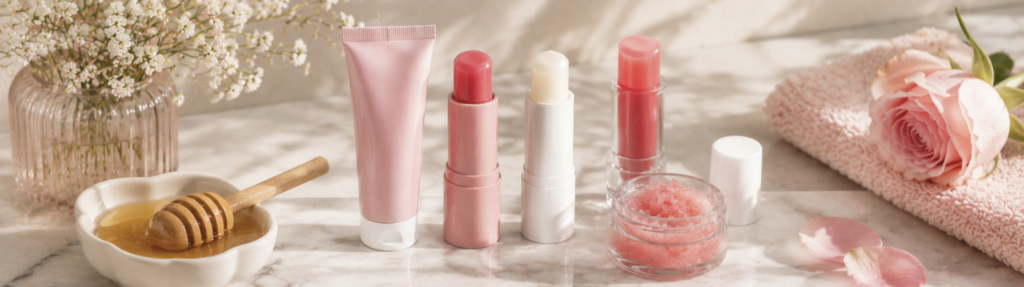
The Overnight Treatment That Changed Everything
If there’s one single addition to my routine that made the most dramatic difference to how my lips look and feel, it’s the simple habit of applying a richer, more intensive treatment before bed every single night, treating it with the same seriousness I give the rest of my evening skincare routine rather than as some occasional special treatment reserved for particularly bad chapped-lip emergencies.
The logic here mirrors exactly what I’ve written about evening skincare more broadly. Nighttime is when your body does its most significant repair work, undisturbed by talking, eating, drinking, or any of the other activities that constantly wear away at daytime lip products throughout an ordinary day. A richer overnight lip mask or treatment, applied generously right before sleep, gets hours of completely undisturbed time to actually work, soaking in and repairing throughout the night in a way that daytime applications, constantly being worn away by normal activity, simply can’t replicate.
I keep a dedicated overnight lip treatment on my nightstand now, applying it as the genuine last step of my entire evening routine, after everything else, right before I turn off the light. The difference in how my lips feel each morning, smooth and genuinely soft rather than slightly tight or rough the way they used to feel before I started this habit, has been consistent enough that I now consider this one of the most worthwhile small additions in my entire beauty routine, despite how little time or effort it actually requires.
What Lipstick Actually Does to Your Lips (And How to Wear It Without the Damage)
I want to address something honestly, because I think a lot of women quietly worry that regular lipstick wear is somehow inherently damaging or drying to their lips, and the actual answer is more nuanced than a simple yes or no. Certain formulas, particularly long-wearing, transfer-resistant lipsticks designed to stay put through eating and drinking without budging, do tend to be more drying than creamier, more traditional formulas, largely because the same properties that make them so impressively long-lasting also tend to pull moisture away from the lips underneath.
This doesn’t mean you need to abandon your favorite long-wear lipstick if it’s become part of your signature look, the same confident, considered choice I’ve written about when discussing personal style more broadly. It just means being a little more deliberate about the care surrounding it, making sure you’re properly hydrating and exfoliating consistently so your lips have a healthy baseline to work from, and giving yourself permission to remove particularly drying formulas at the end of a long day rather than leaving them on overnight, when your lips most need that uninterrupted repair time I mentioned in the previous section.
I’ve also become a genuine believer in priming lips properly before applying any lip color, the same patient layering I described earlier — hydrating balm first, letting it absorb, then color on top. This small habit alone has made a noticeable difference in how comfortable lipstick feels throughout an entire day, and how much less drying even my longer-wearing formulas feel by the time I finally remove them each evening.
I think this connects beautifully to the broader soft glam, clean girl aesthetic that’s so dominant in current beauty conversations, where the goal increasingly is genuinely healthy-looking lips with a wash of color or gloss, rather than the heavily matte, fully opaque lip looks that used to dominate beauty standards and that often required sacrificing comfort and moisture in pursuit of that particular finish. Tinted balms, lip oils, and sheer, buildable formulas have become so popular recently precisely because they let you add color and definition without asking your lips to sacrifice the comfort and softness everything else in this article has been about protecting.
The Quiet Confidence of Genuinely Soft, Healthy Lips
There’s a particular kind of small, private confidence that comes from knowing your lips feel genuinely good, separate entirely from whatever color or gloss you might or might not be wearing on top, and I think it deserves the same recognition I’ve given this feeling elsewhere when writing about skin and fragrance. Lips that feel smooth and comfortable rather than tight, cracked, or constantly in need of attention let you stop thinking about them entirely, freeing up just a little more of your attention for everything else your day is actually asking of you.
I notice this most clearly on the days my lips feel especially good, when I catch myself smiling more easily, speaking without that subtle, half-conscious awareness of cracked or tender skin pulling slightly with every word. It’s such a small thing, and yet it genuinely affects how present and comfortable I feel in my own face throughout an entire day, the same quiet, foundational ease I’ve written about when describing well-cared-for skin more broadly.
I think this is ultimately why I believe lip care deserves so much more serious attention than the casual, often-neglected afterthought status it currently holds for so many of us. It’s not really about achieving some perfectly photogenic pout for the sake of how it looks in photos, lovely as that side benefit genuinely is. It’s about the simple, accumulated comfort of moving through an entire day, an entire season, an entire year, without this small but genuinely important part of your face quietly working against you.
Building Your Own Lip Care Routine, Step by Step
Let me bring everything I’ve described into one simple, practical sequence, because I think it helps to see the whole picture laid out clearly after everything we’ve covered across this long conversation. In the morning, after cleansing the rest of your face, apply a hydrating balm, let it absorb for a minute or two, then layer color or a tinted balm on top if you’re wearing any that day. Throughout the day, reapply balm whenever your lips start feeling even slightly dry, treating that small discomfort as information rather than something to ignore until it becomes genuinely uncomfortable. If you’re spending time outdoors, especially in strong sun, make sure whatever you’re applying includes SPF, reapplying it with the same regularity you’d give facial sunscreen.
A few times a week, ideally in the shower where steam has already softened everything slightly, exfoliate gently to remove the accumulated dead skin that prevents your other products from working as effectively as they could. And every single night, as the genuine final step of your evening routine, apply a richer, more intensive overnight treatment, giving your lips hours of undisturbed repair time while you sleep.
That’s genuinely the whole routine, and I think it’s worth emphasizing how little time any of this actually requires once it becomes habitual rather than something you have to consciously remember each time. The cumulative effect of these small, consistent steps, repeated daily across weeks and months, is so much more significant than any single emergency application of balm during a particularly bad chapped-lip moment, the same broader lesson about consistency over intensity that I keep returning to across every part of this kind of self-care.
What I’d Tell My Younger Self About This Tiny, Important Part of Her Face
If I could go back and have a conversation with the version of myself who spent years licking her chapped lips out of habit, picking at flaking skin without thinking twice about it, only reaching for balm once things had already become genuinely uncomfortable, I think I’d tell her this: this small, easily overlooked part of your face deserves the same consistent, intentional care you’re already learning to give everywhere else. It’s not vanity to care about this. It’s not excessive or precious to spend thirty extra seconds each morning and evening on something this small.
I’d tell her that the discomfort of chronically dry, cracked lips isn’t simply something to be endured and covered up with whatever balm happens to be in her bag, but something genuinely worth addressing at the root, through consistent hydration, gentle exfoliation, proper sun protection, and patience with the whole process rather than expecting overnight transformation. I’d tell her that the quiet confidence of feeling genuinely comfortable in this small part of her own face is worth far more than however many extra minutes the full routine asks for.
And I’d tell her, gently, to stop licking her lips quite so much, because that one small habit alone was probably working against everything else she was trying to accomplish, the same way I had to learn, slowly and a little reluctantly, that the most soothing-feeling habits aren’t always the ones actually serving us in the long run.
A Few Honest Thoughts on When to Seek Real Help
I want to close this conversation honestly by acknowledging that everything I’ve described here is genuinely meant for ordinary, everyday dryness and discomfort rather than anything more persistent or concerning. If your lips remain chronically painful, cracked badly enough to bleed regularly, or show any unusual changes in color, texture, or sensation that don’t resolve with consistent, gentle care over a reasonable stretch of weeks, that’s genuinely worth a conversation with a dermatologist or your regular doctor rather than continuing to rely on home remedies and routine adjustments alone. I’m not a medical professional, and nothing in this article is meant to replace genuine medical guidance for anything beyond ordinary, run-of-the-mill dryness and discomfort.
What I can speak to honestly, from years of my own trial and error, is how much genuine difference a consistent, thoughtful routine makes for the ordinary chapped-lip struggles so many of us quietly live with, assuming there’s nothing more to be done beyond reactively reaching for balm once things have already become uncomfortable. There usually is more to be done, and I hope everything in this long, detailed conversation has given you a genuinely useful starting point for building that more thoughtful relationship with this small, often-overlooked part of your own face, one small consistent step at a time.
Quick Answers to the Questions I Get Asked Most About Lip Care
How often should I actually be exfoliating my lips? I’d suggest two to three times a week for most people, always gently, since over-exfoliating this particularly delicate skin can cause more irritation than the dryness you’re trying to address in the first place.
Is it true that licking your lips makes chapping worse? Genuinely yes, more than most people realize. Saliva evaporates quickly and pulls existing moisture along with it, which means this instinctive, soothing-feeling habit is usually working directly against you rather than providing any real relief.
Do I really need a separate lip balm with SPF, or can I just use regular sunscreen on my lips too? A dedicated lip SPF product tends to feel far more comfortable and is specifically formulated for the unique texture and sensitivity of lip skin, so I’d genuinely recommend a dedicated product rather than relying on facial sunscreen, which often feels unpleasant and can taste quite strong when applied to lips.
Why do my lips stay dry even though I apply balm constantly throughout the day? This is often a sign that either the formula you’re using isn’t providing genuine hydration alongside its protective barrier, or that something beyond topical care, like overall water intake or a habit like lip-licking, deserves more attention than the balm itself. It’s also worth checking whether the balm you’re reaching for contains a fragrance or flavor additive that might be mildly irritating with such frequent, repeated use throughout the day.
Can lipstick really damage my lips long-term? Certain long-wearing, transfer-resistant formulas can be more drying than creamier alternatives, but proper priming, consistent hydration, and removing color before bed each night genuinely minimizes this concern for most women, even those who wear lipstick daily, multiple times a week, for years on end.
I hope this long, detailed conversation has given you a genuinely useful way of thinking about this small but meaningful part of your daily beauty routine, one that’s so easy to overlook and so quietly worth the consistent attention once you understand what’s actually happening beneath the surface. Your lips do so much for you every single day, smiling, speaking, expressing everything you’re feeling to everyone around you. They deserve, I think, just a little more care than most of us have been giving them, and I hope everything here helps you build a routine that finally gives them exactly that.
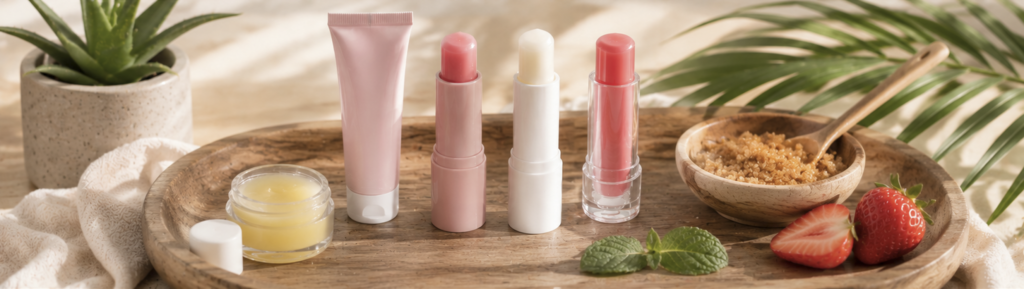
The Lip Mask Moment: Why This Trend Actually Deserves the Hype
I want to talk about lip masks specifically, because I think they’ve become one of the more interesting developments in this whole category over recent years, moving from a niche, slightly indulgent extra step to something that feels genuinely mainstream now, showing up constantly across beauty-focused social media and Pinterest boards dedicated to that whole soft, glowing, well-cared-for aesthetic so many of us are drawn toward. I was skeptical at first, I’ll admit, half-assuming this was simply a slightly fancier rebrand of the same overnight balm I’d already been using, but the actual experience turned out to be different enough that I think the distinction is worth making.
A genuine lip mask tends to have a thicker, more intensive texture than a standard balm, often designed to be left on for a slightly longer, more deliberate stretch of time rather than simply applied and forgotten about. Some are meant for overnight use, sitting on the lips through an entire night of sleep the same way I described with my overnight treatment habit. Others are designed as a shorter, more concentrated treatment, something you’d apply for twenty or thirty minutes during a slow Sunday morning, maybe while doing the rest of your skincare or simply sitting with a cup of tea, before wiping away and revealing noticeably smoother, plumper-feeling lips underneath.
I’ve folded a weekly lip mask session into my own routine now, usually on a Sunday, treating it almost like a small, deliberate ritual rather than just one more product step. There’s something genuinely lovely about carving out those twenty minutes purely for this one small act of care, especially in a week that’s otherwise been entirely consumed by everyone else’s needs and demands. I’ll often pair it with the rest of a slower self-care routine, perhaps a face mask at the same time, some quiet music, the kind of unhurried Sunday morning energy that the broader soft girl, slow living aesthetic has made feel genuinely aspirational again after years of relentless hustle culture telling us rest itself needed to be earned.
The actual results, in my experience, do feel meaningfully different from a standard balm application, particularly in how plump and smooth lips feel for the day or two immediately following a proper mask session. I don’t think this needs to become a daily habit to be worthwhile; even just this once-weekly addition, layered on top of the consistent daily basics I’ve already described, seems to provide a noticeable boost that the daily routine alone doesn’t quite achieve on its own.
How Lip Care and Lip Color Trends Have Quietly Merged
I think one of the more interesting shifts in the broader beauty conversation over recent seasons has been watching lip care and lip color stop being treated as two entirely separate categories, the way they used to be discussed and marketed for so long. The current dominant aesthetic, that soft glam, dewy, almost-too-pretty-to-be-real look that fills so many Pinterest boards and social feeds right now, genuinely depends on lips that are healthy underneath rather than simply covered up with opaque color regardless of what’s happening beneath it.
This is part of why lip oils and tinted balms have so thoroughly taken over from heavily matte lipstick as the dominant trend in recent seasons. These formulas genuinely can’t hide unhealthy, cracked, or rough-textured lips the way an opaque matte lipstick technically could; their sheer, glossy, light-catching finish actually emphasizes texture rather than concealing it, which means the whole trend essentially demands healthy lips as a prerequisite rather than treating lip color as a way to disguise neglect. I think this connects beautifully back to that broader clean girl philosophy I keep returning to throughout this entire piece, where the emphasis has shifted toward genuine, visible health rather than artificial perfection achieved purely through product layered thickly on top of whatever’s actually happening underneath.
I’ve noticed this shift in my own makeup bag too, watching myself gradually replace the heavier, more opaque lipsticks I used to reach for automatically with lighter, more skin-like tints and oils that let my actual lip texture show through rather than hiding it entirely. This only became a genuinely appealing option once my actual lip care had improved enough that I felt comfortable letting that texture show, which I think is worth mentioning honestly, because it illustrates exactly how interconnected these two conversations really are. You can’t fully embrace the current sheer, glossy lip trend without the underlying lip health to support it looking genuinely good rather than simply revealing every rough patch and crack you might otherwise have been hiding underneath something more opaque.
There’s also a particular kind of confidence in choosing a sheer gloss or tinted oil over a full, opaque lipstick, a confidence that says you’re not worried about anyone seeing your actual lips underneath the color, because your actual lips, cared for consistently, genuinely look good on their own. That feels like such a fitting metaphor for so much of what I’ve written about across this whole conversation, and across so much of what I write more broadly about elegance and quiet confidence. The goal isn’t covering things up. It’s caring for what’s underneath well enough that covering things up stops feeling necessary in the first place.
Lip Care While Traveling: Keeping the Ritual Alive on the Road
I’ve written about maintaining skincare and fragrance rituals while traveling elsewhere, and I think the same principle applies just as urgently here, maybe even more so, because lips tend to be particularly vulnerable to the specific stresses of travel in ways that genuinely surprised me before I understood the mechanics behind it.
Airplane cabins, specifically, are notoriously dry environments, with humidity levels often far lower than what your skin and lips are used to experiencing even during a particularly harsh winter day at home. I used to land after long flights with lips that felt almost painfully dry and tight, assuming this was simply an unavoidable side effect of air travel that everyone dealt with and nobody could really do much about. It wasn’t until I started genuinely treating flights as an extreme dryness event, deserving the same proactive, intensive care I’d give my skin during a particularly harsh winter stretch, that this stopped being a recurring travel frustration.
I now apply a rich, protective balm before boarding any flight, reapplying every hour or two throughout longer journeys regardless of whether my lips feel dry yet, treating prevention as far more effective than waiting for discomfort to set in before responding to it. I’ll also drink considerably more water than I might otherwise think to during a flight, partly for general hydration but specifically because I’ve noticed it genuinely helps my lips fare better by the time I land than relying on topical care alone ever managed.
Beyond flights specifically, I think travel in general, with its unfamiliar climates, different water, disrupted sleep, and general physical stress on the body, tends to show up on lips faster and more visibly than people expect. I keep a small, dedicated travel kit now — a hydrating balm, an SPF lip product for destinations involving more outdoor time, and a small overnight treatment — packed specifically for this purpose, the same way I’ve described maintaining pared-down versions of my skincare and fragrance rituals while away from home. This small, consistent anchor amid all the disruption travel inevitably brings has made a genuine difference in how comfortable and like-myself my lips feel even during the most disorienting, jet-lagged stretches of a demanding trip.
A Quiet Ritual: Gentle Lip Massage and Why It’s Worth Five Minutes
I want to mention something that might sound a little unconventional at first but that I’ve genuinely come to love, partly for the physical benefit and partly for the simple, grounding pause it creates in an otherwise rushed day. Gentle lip massage, using just your fingertips and a small amount of balm or oil, has become a small ritual I return to a few times a week, usually in the evening, right before applying my overnight treatment.
The actual technique is genuinely simple. Using clean fingertips, I’ll apply gentle, small circular motions across my lips for thirty seconds or so, slightly increasing blood flow to the area in a way that seems to support a healthier, slightly fuller appearance over time, the same logic behind facial massage and gua sha techniques that have become such a fixture of the broader skincare conversation over recent years. I’m careful to keep the pressure genuinely gentle, given how delicate this skin already is, treating this as a soothing addition rather than anything aggressive or forceful.
Beyond whatever physical benefit this small habit provides, and I’d be cautious about overstating dramatic results from something this simple, there’s a genuine emotional benefit I’ve noticed too. Thirty seconds of deliberately gentle touch directed at your own face, performed with care rather than rushed through, tends to create a small, private moment of calm that ripples outward slightly, the same quiet, grounding effect I’ve described with other small rituals throughout this entire piece. It’s not really about achieving some dramatic transformation. It’s about the accumulated effect of small, consistent gestures of care, repeated often enough that they become part of how you relate to your own face rather than a separate, occasional treatment you only remember during particularly motivated weeks.
The Emotional Side of Caring for Something So Small
I think it’s worth pausing, toward the end of this very long conversation, to talk honestly about why a topic this seemingly minor has occupied this much of my attention, both in daily life and across this entire article. Lip care, on the surface, is such a small, almost trivial-sounding category compared to everything else competing for a busy woman’s limited time and attention. And yet I’ve found that the discipline of caring consistently for something this small has taught me something genuinely valuable about self-care more broadly, something I don’t think I’d have learned quite as clearly from focusing only on the bigger, more obviously significant categories of wellness and beauty.
There’s a particular kind of patience required in tending to something this small and this easily overlooked, a willingness to show up consistently for something that nobody else is likely to notice or comment on directly, that feels different from the more visible forms of self-care that come with built-in external validation. Nobody compliments you on your lip care routine the way they might compliment an outfit or a fragrance. This particular ritual exists almost entirely for you, in the quietest, most private sense of that phrase, and I’ve come to genuinely value that quality about it rather than seeing it as a downside.
I think this connects to something larger about how I’ve come to think about self-care more generally, the same theme I keep returning to across everything I write in this space. The most meaningful forms of care for ourselves aren’t always the ones that photograph beautifully or earn external recognition. Sometimes they’re the small, private, almost invisible gestures, repeated daily without fanfare, that quietly accumulate into a genuine, settled sense of being well cared for, by no one else but yourself.
Finding Your Own Version of This Ritual
I want to close by acknowledging that everything I’ve described throughout this entire article reflects my own particular routine, built up gradually through years of trial and error, and I don’t think it needs to be copied exactly to be useful to you. What I’d encourage instead is taking the underlying principles, consistency over intensity, prevention over reaction, gentle care over aggressive intervention, and building your own specific version around whatever fits naturally into your actual daily life rather than feeling obligated to replicate every single step I’ve mentioned exactly as written.
Maybe your version skips the weekly mask but doubles down on the overnight treatment every single night without exception. Maybe you find SPF lip balm genuinely essential year-round, even somewhere with less intense sun than wherever I happen to be writing this from, or maybe you discover your particular skin and climate ask for something slightly different than what’s worked so consistently for me, and that’s genuinely fine, even expected. The specifics matter less than the underlying commitment to actually showing up for this small, easily overlooked part of your face with the same consistency and genuine care you’re hopefully already extending to everything else.
I think the women who do this well, the ones whose lips genuinely look and feel soft and healthy year-round rather than only during the occasional motivated week, aren’t necessarily using more expensive products or more elaborate routines than anyone else. They’re simply more consistent, treating this small ritual as genuinely non-negotiable rather than the first thing to slip when life gets busy or motivation dips. That consistency, more than any specific product or technique, is ultimately the real secret hiding underneath everything else I’ve shared across this entire long, detailed conversation, and it’s a secret genuinely available to absolutely anyone willing to show up for it, regardless of budget, schedule, or how complicated the rest of life happens to feel right now.
So here’s my honest hope for you, whoever you are reading this, wherever you are in your own relationship with this small, often-overlooked part of your face. I hope you find a version of this ritual that feels genuinely sustainable rather than one more obligation competing for your limited time and attention. I hope your lips start to feel like one less thing to worry about, freeing up just a little more of your attention for everything else your busy, full life is already asking of you. And I hope, the next time you catch your own reflection somewhere unexpected, you notice something soft and well cared for looking back at you, evidence of all those small, quiet, consistent moments of attention finally showing up exactly where they should, season after season, year after year, for as long as you keep choosing to show up for them.