
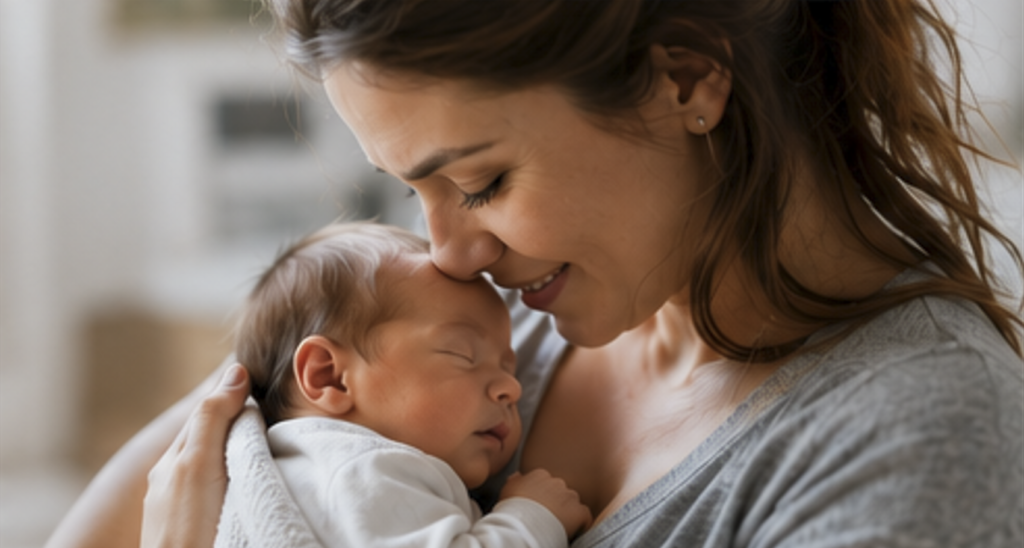
Pregnancy teaches you very quickly that your body is no longer following the same rulebook. One week you feel like yourself, the next you’re crying because your favorite jeans won’t button, your skin suddenly has opinions, and your feet somehow seem… different. Everyone talks about morning sickness, cravings, stretch marks, and sleep deprivation. But almost no one tells you that your eyesight can change too.
I remember the first time I noticed something was off. I was reading a message on my phone and had to blink several times because the text looked slightly fuzzy. Not dramatically blurry—just enough to make me wonder if I was tired or if my screen brightness was weird. Later that week, I was driving and noticed road signs looked softer around the edges than usual. That was the moment I thought, “Wait… is pregnancy affecting my eyes too?”
Apparently, yes.
Pregnancy changes nearly every system in the body, and your eyes are no exception. Hormones influence fluid retention, blood circulation, inflammation, and tissue elasticity—all things that can affect vision in ways many women never expect.
One of the most common changes during pregnancy is blurry vision. It can happen because hormonal shifts cause fluid retention, which may slightly change the thickness and shape of the cornea. The cornea is responsible for focusing light properly, so even subtle changes can make your vision feel “off.” It’s not always dramatic enough to feel like you suddenly need glasses, but enough to make you squint more often, hold your phone differently, or wonder why your eyes feel tired faster than usual.
For me, blurry vision came and went. Some mornings I felt completely normal, while other days everything seemed slightly hazy. It was frustrating because it wasn’t constant enough to fully adapt to, but noticeable enough to interrupt daily life.
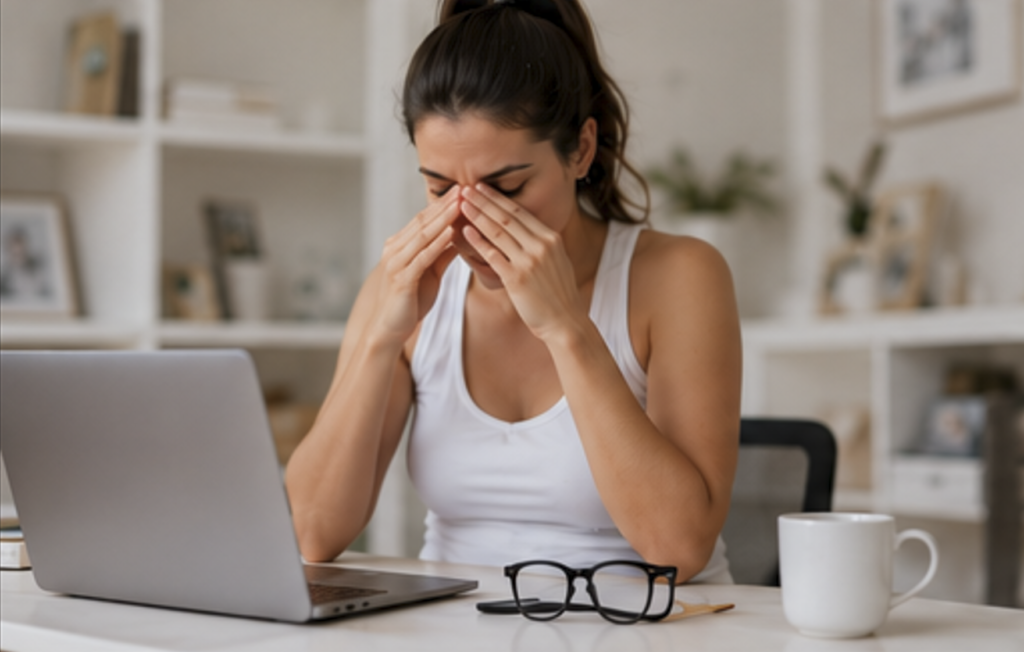
Then came the dryness.
No one prepared me for pregnancy dry eyes. Before pregnancy, I never really thought about my tear production. Suddenly, my eyes felt scratchy, irritated, and oddly sensitive. Contact lenses—which I used comfortably for years—became almost unbearable by afternoon. I found myself rubbing my eyes constantly, which of course only made things worse.
This happens because pregnancy hormones can reduce tear production and alter tear composition. In simpler terms: your eyes may not stay lubricated as effectively as before. This can lead to burning, redness, irritation, and that annoying “something is in my eye” sensation.
And if you already spend a lot of time staring at screens—as most of us do—it can feel even more intense.
I switched from contacts to glasses more often during pregnancy, partly out of comfort and partly because my eyes just felt exhausted. There’s something strangely emotional about realizing even your usual beauty or comfort routines need adjusting. Pregnancy can make you feel like your own body is constantly surprising you.
Some women also notice increased sensitivity to light. Bright sunlight may suddenly feel aggressive, screens can become more irritating, and night driving might feel more uncomfortable than before. Again, hormones are usually behind this.
Another thing I learned? Pregnancy can temporarily worsen nearsightedness.
If you’re already mildly nearsighted, you may notice distant objects becoming blurrier than usual. This can be linked to changes in corneal curvature or fluid balance inside the eye. I personally noticed this when watching television from across the room. I found myself leaning forward slightly without even realizing it.
It’s a strange experience because it makes you question whether your prescription has permanently changed.
In many cases, these vision changes improve after delivery, which is why eye doctors often recommend waiting before updating your prescription unless changes are severe or persistent. Pregnancy is not exactly the ideal time for impulsive eyewear decisions—your body is basically in beta testing mode.
But postpartum comes with its own surprises.
After giving birth, I expected things to gradually return to normal. Instead, recovery felt like entering a new chapter of bodily unpredictability. Sleep deprivation didn’t help. Between late-night feedings, emotional hormone crashes, and staring at a baby monitor every five minutes, my eyes felt more strained than ever.
Postpartum hormones can continue affecting vision for weeks or even months.
Breastfeeding may also contribute to dry eyes because hormonal patterns remain different during lactation. Some women feel frustrated because they expect pregnancy symptoms to end after birth, only to realize certain changes linger longer than expected.
In some cases, postpartum eye issues may be linked to underlying health conditions.
Women who had gestational diabetes should be especially mindful of eye health. Elevated blood sugar levels can affect the retina and may worsen or trigger diabetic eye complications. While gestational diabetes often resolves after pregnancy, it’s still important to follow up medically.
There’s also postpartum thyroiditis, a condition I hadn’t even heard of until after becoming a mother.
Postpartum thyroiditis involves inflammation of the thyroid gland after childbirth. Because thyroid hormones influence metabolism throughout the body, changes can affect vision too. Symptoms may include dry eyes, blurry vision, eye fatigue, and in some cases even double vision or discomfort.

This is why unusual or persistent vision symptoms should never be ignored.
While many eye changes in pregnancy are harmless and temporary, certain symptoms deserve immediate medical attention. Severe headaches paired with visual disturbances like flashing lights, blind spots, or sudden blurry vision can sometimes signal more serious pregnancy complications such as preeclampsia.
That’s not meant to sound alarming—just practical.
Pregnancy teaches you to become more aware of your body. Not anxious, just observant.
If something feels unusual, trust yourself enough to ask.
One of the hardest parts about vision changes as a new mom is how disruptive they can feel in ordinary moments. Reading instructions on medication bottles, driving to appointments, preparing bottles at 3 a.m., trimming tiny baby nails, checking temperatures, answering work emails—it all requires visual focus.
When your eyesight feels unreliable, even slightly, it adds an invisible layer of stress.
Motherhood already asks so much from women physically and mentally. Eye strain may seem minor compared to everything else, but when added to exhaustion, recovery, and hormonal chaos, it matters.
The biggest lesson I learned was that eye care deserves a place in postpartum recovery conversations.
Not just pelvic floor recovery. Not just skin changes. Not just nutrition and sleep.
Your eyes matter too.
Regular eye exams after pregnancy can be incredibly helpful, especially if symptoms persist. Even if changes turn out to be temporary, having reassurance makes a difference. Sometimes simply hearing, “Yes, this is normal and likely hormone-related,” can feel incredibly comforting.
There are also small things that genuinely help.
Staying hydrated matters more than most people realize. Pregnancy and breastfeeding increase hydration needs, and dehydration can worsen dry eyes.
Artificial tears can provide relief if dryness is bothering you. Reducing screen time when possible, using a humidifier, and taking visual breaks throughout the day can also help.
And honestly? Wearing glasses more often can simply feel easier during this season of life.
There’s something practical and comforting about having reliable frames nearby when your day already involves enough unpredictability.
Motherhood changes you in visible and invisible ways. Some changes are temporary, some stay longer than expected, and some teach you to become more patient with your body than ever before.
Your body is doing extraordinary work, even when it feels unfamiliar.
If your vision has changed during pregnancy or after birth, you’re not imagining it, and you’re definitely not alone.
Sometimes the smallest changes can feel surprisingly emotional because they remind us how deeply motherhood transforms us. But understanding what’s happening makes it less overwhelming.
Pregnancy may temporarily change how you see the world—quite literally.
But maybe that’s part of the experience too.
You begin motherhood seeing life differently in more ways than one.