
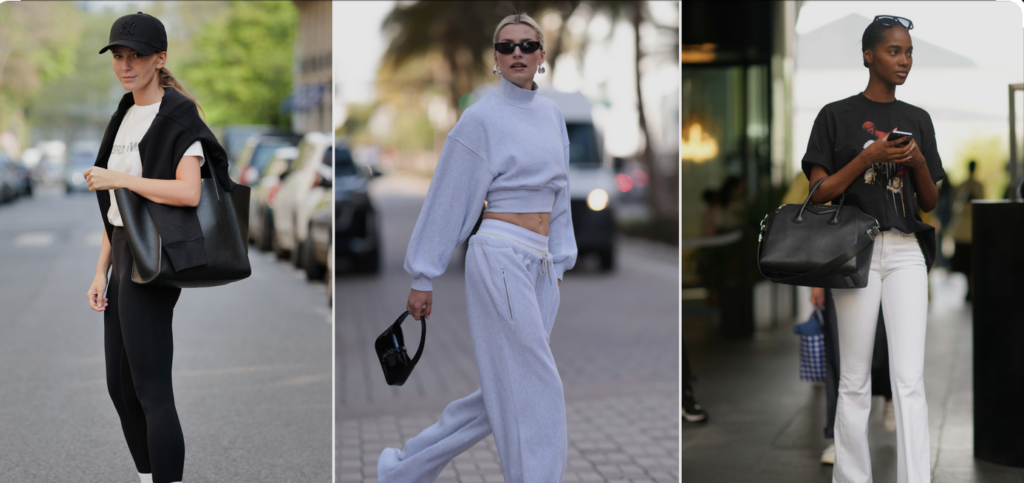
A real woman’s guide to navigating summer heat without surrendering a single degree of elegance — because you should never have to choose.
here is a particular kind of suffering that women who care about how they look understand better than anyone: standing in front of your wardrobe at nine in the morning when it is already thirty degrees outside, knowing that almost everything you reach for is going to betray you within the hour. The silk blouse you love will be transparent by eleven. The structured blazer will feel like a sauna by noon. The trousers in their beautiful heavy fabric will be clinging in ways that are not elegant or comfortable by the time you arrive wherever you are going. Summer, for all its magnificent qualities, does present this specific, recurring problem of chic discomfort — and I have spent more summers than I care to admit solving it imperfectly before I finally figured out how to solve it well.
What changed things for me was a trip to Seville in late July — which, if you have never been, is an experience in understanding what heat actually means. I arrived in my usual summer-in-London approach: a cotton midi dress, a pair of leather sandals that I loved, a structured handbag. Within forty minutes of landing I felt completely undone. Not just physically — though yes, I was melting — but stylistically. Nothing about what I was wearing made sense in the context of that heat. I had dressed for a season, not for a temperature. There is a difference, and it matters enormously.
I spent the rest of that trip studying the Sevillana women. The way they dressed. The fabrics they chose. The way they arranged their hair. How they managed to look genuinely elegant — not just dressed, but put together — in temperatures that should, by rights, reduce everyone to their most basic functional clothing. And what I learned from watching them, combined with years of subsequent experimentation and research and the occasional spectacular failure, is what I want to share with you here.
This is not a list of summer essentials. It is not a trend report. It is a genuine guide — the kind I wish someone had handed me years ago — to dressing beautifully when it is properly, uncompromisingly, breathtakingly hot. To being the woman who steps out of a taxi in thirty-eight-degree heat and looks like she is entirely at ease. Not because she has not noticed the temperature, but because she has dressed intelligently for it.
The First Truth: Comfort and Chic Are Not Opposites
I want to start here because the assumption that they are in conflict is the single most limiting belief in summer dressing. So many women default to one or the other — they are comfortable but they feel like they have abandoned something, or they are elegantly dressed but silently suffering — and they do this because they have accepted a false binary. The most beautifully dressed women in the world’s hottest cities do not make this trade-off. They understand that true chic, in summer, is inseparable from the appearance of ease. And the appearance of ease becomes impossible when you are actually uncomfortable.
Think about the women you see on summer street style accounts from cities that know heat: Naples, Havana, Lagos, Marrakech, Athens. What they share — across completely different aesthetic identities and cultural contexts — is a certain fluidity. Their clothes move. Their silhouettes are generous. Their fabrics are light. They do not look like they are fighting the heat. They look like they have made peace with it, and their clothes reflect that negotiation.
The women who look best in serious summer heat are the ones who have understood that dressing for high temperatures is not about wearing less. It is about wearing the right things. And the right things — the fabrics, the silhouettes, the colours, the construction details — produce both genuine comfort and authentic elegance simultaneously. Not as a compromise. As a natural consequence of choosing correctly.
“In the heat, the most elegant choice is always the most intelligent one. Chic, in summer, is a form of problem-solving dressed beautifully.”— On the intelligence of summer dressing
This principle should be the lens through which you read everything that follows. We are not optimising for comfort at the expense of style, or for style at the expense of comfort. We are looking for the solutions — and they exist, I promise — where both are achieved simultaneously and fully.
✦
Fabric Is Everything: What to Wear When It Is Truly Hot
If there is a single variable in summer dressing that matters more than any other, it is fabric. Not silhouette, not colour, not brand, not styling. Fabric. Because the difference between wearing the right fibre and the wrong one at thirty-five degrees is not aesthetic — it is physiological. The wrong fabric traps heat against your body, inhibits evaporation, and makes your skin work harder to regulate your temperature. The right fabric breathes, wicks, drapes away from the body, and allows air to circulate in a way that keeps you genuinely cooler.
The fashion industry has not always told this story clearly, partly because synthetic fabrics — polyester, viscose blends, nylon, anything that comes with a sheen that requires chemistry to achieve — are cheaper to produce and easier to work with. But the woman who understands fabric is an informed consumer, and she will never again pay real money for a polyester “satin” dress to wear in summer and wonder why she felt dreadful in it. The satin was not the problem. The polyester was.
🌿
Linen
The definitive summer fabric. Breathes exceptionally, wicks moisture, becomes more beautiful with wear. Accept the wrinkles — they are the point.
☁️
Cotton Lawn
The lightest weave of cotton. Crisp, cool, and almost translucent in a way that photographs beautifully and feels like wearing almost nothing.
✨
Silk
Naturally temperature-regulating and incredibly light. The luxury summer fabric — yes, it needs care, but the wearing experience is incomparable.
🧵
Ramie
Less known than linen but equally breathable. Slightly more structured, crisper, and often more affordable. A genuine summer gem.
💧
Tencel/Lyocell
The best-in-class sustainable option: soft, moisture-wicking, breathable. Not a natural fibre but behaves like one. Excellent for everything from dresses to trousers.
🌸
Gauze Cotton
Multiple loose weave layers that trap air and allow airflow simultaneously. Incredibly cool to wear, and the slightly textured finish is charmingly imperfect.
What to Avoid — With Love, But Firmly
Polyester is the primary offender, and it appears in far more garments than its label might lead you to believe — it hides inside “satin” finishes, inside stretch blends, inside anything that needs to hold a particularly precise shape. Polyester traps heat against your body with remarkable efficiency. Wearing a polyester dress in thirty-five-degree heat is a physiological experience that I would not wish on anyone.
Viscose is more complicated. It is derived from wood pulp and in theory more breathable than polyester, but the treatment processes it undergoes mean that in practice it behaves somewhat similarly in terms of heat retention, and it has the additional disadvantage of becoming entirely transparent when wet — including when you perspire. It drapes beautifully and photographs wonderfully, which is why it is everywhere in summer fashion, and it is fine for air-conditioned environments. In actual summer heat, approach with caution.
Any fabric with significant elastane or spandex content — even natural fibres blended with stretch — reduces the breathability of the base fabric in proportion to the percentage of synthetic content. A linen-elastane trouser is significantly less cool than a pure linen one. When you are shopping in the heat of summer, reading the fabric composition label is not optional. It is the single most useful piece of information on the garment.
✦
The Colour Question: What Actually Keeps You Cooler
The science of colour and heat absorption is real and relevant to summer dressing, and also slightly more nuanced than the common wisdom suggests. Yes, dark colours absorb more radiant heat from the sun — if you are spending significant time outdoors in direct sunlight, white and light neutrals will keep the fabric surface cooler. But the more important factor for most women, most of the time, is the fabric’s breathability rather than its colour. A white polyester dress is hotter to wear than a dark linen one, because what keeps you cool is the fabric’s ability to allow air circulation and moisture evaporation, not primarily its colour.
That said, colour matters enormously in the aesthetic dimension of summer dressing, which is where most of the interesting conversation lives. The colour palette of maximum summer chic in 2026 is warm, light, and sun-drenched — a collection of tones that look as though they belong in the heat, that read as intentional choices rather than absence of colour, and that flatter the particular quality of summer-warmed skin.
Warm white and linen are the foundation tones of heat-intelligent summer dressing. They reflect light, they look magnificent in summer photography, and they work as a canvas for everything from minimal jewellery to statement accessories. The specific tone matters: the warm whites and ecrus are universally more flattering against summer skin than stark, blue-based white, which can read as harsh rather than luminous in intense light.
Terracotta, warm tan, and earthy copper tones are the accent colours that define elegant summer dressing in 2026 — warm enough to feel intentional, grounded enough to feel sophisticated, and beautiful against the spectrum of skin tones that summer sun touches. They have the additional advantage of being the colours you see in every piece of inspiration content right now: on the Amalfi Coast, in Greek island streets, in the Barcelona street style photography that makes you want to immediately book a flight.
Faded denim blue and sage green round out the palette as the cooler counterparts — slightly more surprising, slightly more specific, and equally beautiful in the heat. A faded sky-blue linen dress has a quality that is both intensely summery and quietly luxurious. Sage anything — a silk blouse, a pair of linen trousers, even a hair accessory — reads as sophisticated and restful simultaneously.
✦
The Silhouette Strategy: Wearing Air as Your Best Accessory
The bodies of the women who look most graceful in summer heat have one thing in common: space. Not the bodies themselves — the clothes on them. Space between the fabric and the skin. Room for air to move. Generous proportions that allow the breeze (when it exists) to reach the skin, and that prevent the garment from acting as an insulating layer pressed directly against the body’s surface.
This is counterintuitive for women who have spent years in fashion culture being told that fit is everything — that the key to looking good is clothes that fit precisely, that skim the body, that leave no excess fabric anywhere. And in many contexts, that is true. But in intense summer heat, the most stylish silhouette is often a generous one. The wide leg. The voluminous sleeve. The A-line that swings. The oversized shirt worn as a dress. The roomy trouser that moves independently of the leg inside it.
Generous silhouettes in beautiful fabrics are the consistent visual language of every woman who looks genuinely elegant in summer heat. They create a quality of ease that tight clothes cannot — a physical effortlessness that reads, counterintuitively, as more polished rather than less. Because the woman who is not wrestling with her clothes has entirely different energy to the one who is. The former looks composed. The latter looks restricted. And in summer’s casual, generous light, composed is always the more elegant impression.
Specific Silhouettes Worth Understanding
The maxi dress is the undisputed queen of heat-intelligent dressing, and its continued dominance in summer fashion is no accident. A full-length dress in a natural, flowing fabric creates a kind of walking microclimate — the movement of the skirt generates air circulation against the legs in a way that makes it genuinely cooler than exposed legs in still air. If this sounds implausible, try it once, and you will understand immediately.
The wide-leg trouser, worn high at the waist, does something similar. The generous leg creates space; the high waist keeps the silhouette intentional rather than casual. In linen or Tencel, it is one of the most comfortable and most elegant things available to wear in summer heat, and it works from morning coffee to evening dinner with only an accessory change required.
The oversized linen shirt — worn as a tunic over tailored shorts, or belted over a slip skirt, or left completely unbuttoned over a simple swimsuit for the transition from beach to lunch — is the most versatile piece in the summer heat wardrobe. It covers without confining, provides protection from the sun without adding warmth, and has an inherent louche elegance that feels European in the best possible sense.
What consistently disappoints in the heat: fitted midi skirts in non-breathing fabrics (they look wonderful and feel terrible), any dress or top with lining that adds a layer of heat-trapping fabric against the body, structured blazers in summer fabrics that were designed to be warm rather than breathable, and anything with significant elastic at the waist that presses against skin for hours.
The Silhouette Principle for Heat
The clothes that look most effortless in genuine summer heat are the ones that move independently of the body — that have enough space to create airflow, enough weight to drape beautifully, and enough generosity of cut to never feel confining. Air is your best accessory in summer. Build your silhouettes around making room for it.
✦
Real Outfits for Real Heat: What Actually Works at 35°C
Theory is useful. Specific outfit combinations are useful in a more immediate, practical way. Here are the actual combinations I return to in genuine summer heat — the ones that have passed the test of not just looking good in photographs but surviving an actual day in serious temperatures while remaining both comfortable and beautiful:
The Everything Outfit
Linen Wide-Leg Trousers + Barely-There Tank
High-waisted wide-leg trousers in warm white or sand linen, with a fine ribbed tank in the same tonal family tucked in and then pulled out just slightly at the front. Flat leather sandals. Three gold pieces. A structured straw tote. This outfit works in every context from a market to a business lunch, keeps you genuinely cool because the generous trouser creates airflow, and photographs magnificently in summer light. It is the outfit I put on when I cannot think of what to wear and need to look good without effort. It never fails.
The Beach-to-Lunch Transition
Oversized Linen Shirt Over Everything
A good oversized linen shirt — the kind that hits mid-thigh, in warm white or a faded stripe — worn completely open over a swimsuit or bikini for the beach, then belted loosely with a simple leather or rope belt for the walk to lunch. Add flat sandals and a woven tote. Remove the belt for a more relaxed, slightly longer silhouette. This one outfit, reworked slightly, covers three hours of a summer day seamlessly and requires zero additional thought. The oversized linen shirt is the most transformative and heat-intelligent piece in any summer wardrobe.
The Elegant Option
Silk Slip Dress + Nothing Else
A bias-cut or straight-cut silk slip dress in sand, terracotta, or sage, worn with flat sandals in a complementary tone and nothing on top. The slip dress, in genuine silk or high-quality Tencel, is one of the few pieces that achieves elegance and genuine heat comfort simultaneously — the fabric moves, breathes, and drapes in a way that keeps it from pressing against the skin. Keep jewellery minimal and hair simple. The dress should carry the look. Three gold pieces, a simple sandal, and the silk does the rest.
The City Day
Cotton Gauze Midi Dress + Flat Mules
A midi-length dress in cotton gauze or cotton lawn — the lightest possible cotton weave — in warm white or a tonal print. The length covers the legs without adding heat (the moving fabric actually cools), and the gauze or lawn fabric is among the most breathable woven structures available. Flat leather mules. A structured top-handle bag. Sunglasses with genuine UV protection. This is the outfit that photographs like it required twelve minutes to assemble and actually required four.
The Elevated Casual
Tailored Shorts + Loose Silk Blouse
High-waisted tailored shorts in linen or a quality cotton blend, with a loose, slightly oversized silk or Tencel blouse in a complementary colour — the blouse tucked in at just the front, left out at the back for a relaxed drape. This combination reads as significantly more dressed than its component parts suggest individually, because the tension between the tailored bottom and the relaxed top creates visual interest. Add a low, barely-there sandal heel for evening, keep it flat for the day.
The Weekend Morning
Linen Shorts + White Tank + Open Linen Shirt as Layer
High-waisted linen shorts in a warm neutral, a fine white tank tucked in, and the linen shirt worn completely open and loose as an outer layer — not for warmth, but for the particular studied nonchalance of the look and for the sun protection it provides. Flat sandals, a simple crossbody bag small enough to not add bulk in the heat. This outfit is the equivalent of leaving the house with zero effort and arriving anywhere looking entirely intentional.
✦
Heat-Proof Tips That Actually Change Things
Beyond fabric and silhouette, there are specific strategies and details that make a measurable difference to how you feel and look in serious summer heat. These are the things I have accumulated over years of warm-weather dressing — some from research, some from experience, some from those Sevillana women who seemed to operate in the heat with a serenity I wanted to understand:
01
The Loose Tuck
Avoid anything that presses fabric tightly against the midsection for extended periods. The partial tuck — just the front of a shirt or blouse tucked loosely into a waistband, with the back and sides left out — creates the visual definition of a tucked-in top without the heat of fabric compressed at the waist. It is a styling trick that appears extensively in European summer street style precisely because it works both aesthetically and thermally.
02
The Colour of Your Lining
Lined dresses and skirts always run significantly hotter than unlined ones, and the lining fabric matters almost as much as the outer fabric. A silk or Tencel lining in a lined dress behaves very differently from a polyester one. When shopping for summer pieces that are lined, feel the lining and identify the fabric before purchasing. Reject polyester linings in warm-weather garments without mercy.
03
The Strategic Sleeve
This one genuinely surprised me the first time I experienced it: in genuine summer heat with direct sun exposure, a loose, lightweight long sleeve can keep you cooler than a bare arm. The fabric provides shade and reduces the radiant heat reaching the skin, and the looseness allows air circulation. The light linen shirt worn with sleeves loosely rolled — or even down — in direct sun is an intelligent, elegant response to serious heat that looks entirely intentional.
04
Shoes and Ground Heat
Pavement and tiled surfaces in summer heat radiate warmth upward with more intensity than you might expect. Shoes with a genuine sole — even a modest one — create thermal separation between your foot and the ground that makes a measurable difference to overall comfort in cities. The very flat, paper-thin sandal that looks beautiful on an Instagram flat lay becomes a ground-heat conductor in practice. Choose sandals with at least a few millimetres of actual sole material.
05
Bag Weight and Hand Temperature
This sounds minor and is not: a heavy bag carried on the shoulder or in the hand raises your overall physical effort level and therefore your body temperature. The heat-intelligent summer bag is either very lightweight (a woven straw tote, a soft linen pouch, a minimal canvas bag) or worn crossbody at a position that distributes weight without requiring muscular effort to hold. The heavy structured leather bag that you love deeply — reserve it for cooler days.
06
The Pre-Cooling Strategy
Cooling pulse points before heading out — wrists, inner elbows, the back of the neck — with cold water or a cooling mist creates a physiological advantage that slows the rate at which your overall body temperature rises in the heat. It sounds like a spa treatment and works like one. Five minutes before leaving, cold water on pulse points, and you begin the day with a measurable head start.
✦
The Heat-Proof Beauty Edit: Looking Luminous When It Is Honestly Too Hot
Summer beauty in serious heat is its own specific discipline, and it is one that the beauty industry is not always honest about. Because the products that photograph beautifully in controlled studio conditions and the products that survive six hours in genuine summer heat are not always the same products, and the distinction matters enormously.
The foundational shift that heat-intelligent summer beauty requires is moving from a coverage-based approach to a skin-quality-based one. The goal is not to apply products that cover and correct — in heat, those products will migrate, separate, oxidise, and ultimately look worse than nothing after a few hours. The goal is to prepare skin that looks genuinely good and then apply minimal, strategic products that enhance rather than replace it.
The Skin Foundation
Real skin hydration — not just topical moisturiser but actual cellular hydration from adequate water intake — is the most significant factor in how your skin looks in summer. Skin that is well-hydrated from the inside plumps naturally, reflects light more evenly, and maintains its integrity better in heat than dehydrated skin. The prescription here is not glamorous: drink more water than you think you need. In heat, you are losing water faster than you register thirst, which means thirst is already a sign of deficit. Aim for a litre more than your usual intake on genuinely hot days.
External preparation: a lightweight, gel-based moisturiser with hyaluronic acid applies beautifully in heat and creates a plumping base without the heaviness of a cream formula. Apply to damp skin for maximum effect. SPF 50, applied over the moisturiser as the final skincare step, is non-negotiable not just for skin protection but because the dullness and redness that come from UV exposure make every subsequent beauty product look worse. Your SPF is doing active beauty work, not just protective work.
The Makeup Strategy for Actual Heat
Heat and heavy foundation are fundamentally incompatible. Not just aesthetically but chemically: most liquid and cream foundations are emulsions that respond to temperature and perspiration by separating in visible and unflattering ways. The solutions that survive genuine heat are different in both category and application.
A tinted SPF or lightweight skin tint — the kind that provides skin-tone evening without true coverage — applies the way real skin looks, moves the way skin moves, and does not separate or migrate with heat or minimal perspiration. It is not covering anything. It is enhancing what is already there, which in summer, with well-hydrated, SPF-protected skin, is often quite a lot.
A cream bronzer — specifically a cream rather than powder, because powder sits differently on warm skin and tends to look cakey within hours — applied with fingers to the high points of the face (cheekbones, the bridge of the nose, the forehead) in a terracotta or warm bronze tone creates the sun-kissed, dimensional glow that is the definitive look of summer beauty in 2026. Blend well. Less than you think, then half of that.
The lips are the one place where heat has less impact than you might expect, because lip products that sit in the lip rather than on it — balm-based tints, sheer glosses, creamy mattes that condition rather than sit on top — tend to stay in place even in heat. A single, well-chosen lip product in a warm rose, a terracotta nude, or a clear gloss makes the whole face look pulled-together with minimal effort. The heavily lined, precisely filled lip belongs in air-conditioning. In summer heat, the natural, slightly dewy lip is both more practical and more beautiful.
☀️
SPF 50 Tint
Does the job of sunscreen and base simultaneously. The heat-proof foundation alternative.
✨
Cream Bronzer
Blended with fingers. Terracotta-warm. The product that makes skin look sun-kissed rather than made-up.
💧
Balm Lip Tint
Warm rose or terracotta nude. Conditions while it colours. Survives hours of actual summer.
🌸
Setting Spray
A fine mist applied over makeup extends wear time significantly. Also doubles as a midday refresher.
👁️
Waterproof Mascara
Non-negotiable in heat. Regular mascara in summer is a gamble that loses. One coat, waterproof, always.
The Hair Solution
Hot-day hair dressing is an art form that rests on a single principle: work with your hair’s natural inclination in heat, not against it. Fighting your hair’s texture in the heat requires constant intervention and products that accumulate and feel heavy. Leaning into what it wants to do — whether that is wave, curl, or simply settle into a clean, polished version of its natural state — requires significantly less effort and almost always looks better.
The heat-proof hair looks that feel most elegantly current in 2026 are the ones that appear effortless because they largely are: the slicked-back low bun secured with a single clip or pin, which takes three minutes and photographs magnificently; the natural wavy or curly texture left to do its thing with only a light curl cream or sea salt spray; the clean blowout secured in a loose ponytail that requires no maintenance; the braided styles — a simple plait, a French braid, anything that keeps the hair off the neck and face — that become more interesting rather than less as the day wears on. The hat — a well-chosen wide-brim straw hat — is both a practical sun solution and the accessory that turns almost any summer outfit from nice to genuinely striking.
On Fragrance in the Heat
Summer heat amplifies fragrance projection dramatically — what is a soft, personal scent in October becomes a full room announcement in July. Adjust accordingly: apply fragrance to pulse points rather than clothes (which can stain in heat), choose lighter, fresher compositions over the heavier orientals and musks, and apply less than your winter quantity. A single spray on the wrists and one at the base of the throat is almost always sufficient. Your summer scent should arrive just before you do, not a full minute earlier.
✦
The Accessories Edit: What to Add and What to Leave Behind
Accessories in summer heat operate under different rules than they do in other seasons. The goal is not to add more — it is to add the right things, in the right quantities, with the right understanding of what actually looks good when everything is hot and everyone’s attention is drawn to skin and face rather than the accumulated details of a carefully constructed outfit.
Jewellery in summer should be warm-toned and minimal. Gold — whether solid gold, gold-filled, or a quality vermeil — is the natural companion of sun-warmed skin. It plays with light in a way that silver does not, picks up the warmth of tans and natural skin tones, and reads as quietly luxurious at any budget level. Three pieces of gold jewellery — a simple chain, small hoops, one additional piece of your choice — worn consistently and well is more elegant than a stack of mixed metals and multiple rings. Summer is the season to edit your jewellery as ruthlessly as your wardrobe.
The bag question in summer heat comes down to a competition between two values: practicality (you need to carry things) and comfort (you do not want to be carrying heavy things in the heat). The resolution I have found most satisfying: a well-made woven straw or raffia bag for day, large enough to carry the necessities without becoming a burden; a small, structured crossbody for evenings when the practicality demands are lower. The straw bag has become so definitively associated with elegant summer dressing — it appears in virtually every summer lookbook, every street style compilation from warm cities, every Pinterest board that aspires to the aesthetic of European coastal summers — that its cultural moment feels genuinely enduring rather than trend-dependent.
Sunglasses are the accessory that changes an entire face, and in summer they are also a medical necessity. Get this right. A frame that genuinely suits your face shape — and this takes experimentation, because the frames that look beautiful as objects on a shelf do not always look beautiful on the specific face you are working with — makes every outfit considerably more polished. And genuine UV protection matters: the fashionable sunglasses are most valuable when they are also the ones blocking the radiation that damages your eyes. Look for lenses that specify UVA and UVB protection, not just a dark tint.
Hats deserve a moment here because they are both underused and transformative. A well-chosen hat does three things simultaneously: it protects your face and scalp from UV radiation, it solves the difficult-hair-in-heat problem by making the hair a non-issue, and it adds a quality of studied elegance to any summer outfit that almost nothing else can match. The wide-brim straw hat is the most versatile option — it works with dresses, trousers, shorts, swimwear, and everything in between. A smaller bucket hat in a natural fabric works for more casual, urban contexts. The right hat, worn with confidence, is one of the most powerful style tools in the summer wardrobe.
The Mindset of the Chic Woman in the Heat
I want to end here, with something that is not about clothes or beauty products or accessories, because I think it is the most important element and the one that is hardest to explain in practical terms.
The woman who looks genuinely chic in the heat — who makes you turn and look, who carries herself as though the temperature is simply the backdrop to her day rather than the main event — does something specific with her relationship to the heat itself. She is not pretending it is not hot. She is not performing comfort she is not feeling. She has simply decided, at some level, that the heat is not the point. She is the point. The heat is the context in which she is living, and she has prepared for that context intelligently, and now she is present in it rather than in a running internal commentary about how warm it is.
This quality — of full presence, of composure that is not performed but simply inhabited — is what separates the women who look truly effortless in summer from the women who are wearing all the right things but still somehow look like they are managing rather than flourishing. You can dress perfectly for the heat. You can have the exact right fabric and the precisely intelligent silhouette and the heat-proof beauty routine. But the final element — the one that makes all of it cohere into the impression of genuine elegance — is the decision to be present and at ease in your own body, in your own clothes, in the day you are actually living.
“The most beautiful thing a woman can wear in summer heat is the particular composure of someone who dressed intelligently, chose intentionally, and then let the day be the point.”
Elegance in summer heat is, ultimately, a form of preparation. It is knowing your fabrics well enough that you trust them. It is having done the edit and the thoughtful shopping so that your wardrobe does not generate decision anxiety at eight in the morning. It is having a beauty approach that requires little maintenance and looks better as the day goes on rather than worse. When all of those practical foundations are in place, elegance is not something you achieve. It is something that happens naturally, the way most genuinely good things do: as the result of preparation and intention and then the willingness to simply let go.
The hottest days of summer are not the enemy of your style. They are, when approached with the intelligence and intention this guide has tried to outline, the exact conditions under which your style can be most clearly and beautifully expressed. Because nothing strips away the unnecessary and leaves only the essential quite like thirty-five degrees and brilliant sun. And everything that is left — the beautiful linen, the warm skin, the minimal jewellery, the composed presence — turns out to be exactly enough.